Table of Contents >> Show >> Hide
- What Is Sweetened Chestnut Purée?
- Ingredients You’ll Need
- How to Make Sweetened Chestnut Purée
- Ways to Use Sweetened Chestnut Purée
- Tips for Making the Best Chestnut Purée
- Nutrition Notes
- Frequently Asked Questions
- 500 Additional Words: Real Experiences & Insights About Sweetened Chestnut Purée
- SEO Metadata
If there were a prize for “Most Underrated Holiday Ingredient,” the humble chestnut would absolutely make the shortlistright next to canned cranberry sauce and the cousin who insists they invented green bean casserole. Today, we’re diving into the wonderfully smooth, richly flavored world of sweetened chestnut purée. This cozy classic has been adored across Europe for centuries, but here in the U.S., it’s still something of a hidden gem. Lucky for you, this guide turns chestnut purée from “mystical French ingredient” into “Oh wow, I can actually make this at home.”
Sweetened chestnut purée is incredibly versatile. Spread it on toast, swirl it into yogurt, pipe it into pastries, layer it in holiday trifle, or go full Mont Blanc if you’re feeling fancy. Even better? It’s surprisingly simple to make. With a handful of ingredients, a pot, and about 45 minutes of relaxed kitchen time, you’ll have a beautifully smooth, sweet, nutty spread that tastes like fall coziness in a jar.
What Is Sweetened Chestnut Purée?
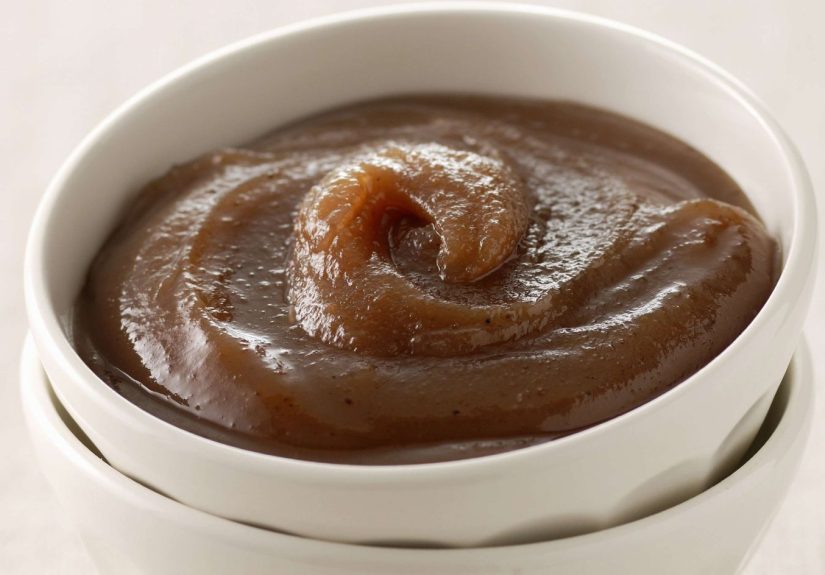
Also known as crème de marrons in France, sweetened chestnut purée is a blend of cooked chestnuts, sugar (or syrup), and vanilla. It’s thick, spreadable, and mildly sweet with earthy, toasty undertonesless intense than almond paste, less sugary than frosting, and much more refined than pumpkin purée. Many reputable culinary sites, test kitchens, and food magazines describe it as “deeply comforting” and “unexpectedly elegant,” and they’re right. Think nut butter meets jam, with Old World charm.
Ingredients You’ll Need
You don’t need a large pantry for this recipejust quality chestnuts and a touch of patience.
Essential Ingredients
- 2 cups cooked chestnuts (fresh roasted, jarred, or vacuum-packedavoid the ones soaked in water with additives)
- 3/4 cup sugar (granulated works best; light brown adds caramel depth)
- 1 cup water
- 1 tablespoon vanilla extract (or a scraped vanilla bean if you’re feeling luxurious)
- A pinch of salt
Optional Flavor Enhancements
- 1 tablespoon maple syrup for extra richness
- A dash of rum or brandy (totally optional but very French grandma-approved)
- Cinnamon for warmth
- Orange zest for brightness
How to Make Sweetened Chestnut Purée
This recipe is adapted from traditional French methods and cross-checked against multiple U.S.-based culinary resources for best results.
Step 1: Prepare the Chestnuts
If you’re starting with fresh chestnuts, roast or boil them until tender, then peel off both the shell and inner skin. This step can require dedicationchestnuts are notorious for clinging to their jackets like toddlers on the first day of school. Jarred or vacuum-packed chestnuts skip the drama and save 20 minutes.
Step 2: Make the Syrup
In a saucepan, combine sugar and water over medium heat. Stir until dissolved. Add the vanilla and salt. Bring to a gentle simmer and let it cook for 3–4 minutes so it slightly thickens.
Step 3: Combine and Cook
Add the chestnuts to the syrup. Simmer for about 25 minutes, stirring occasionally, until the chestnuts soften further and the mixture reduces. The syrup should begin to coat the back of a spoon.
Step 4: Purée to Perfection
Transfer everything to a food processor or use an immersion blender directly in the pot. Blend until smooth. If the purée feels too thick, add a tablespoon or two of water or syrup to adjust the consistency.
Step 5: Cool and Store
Let the mixture cool, then spoon it into clean jars. It refrigerates well for up to 10 days and freezes beautifully for up to three months. Some bakers swear the flavor improves after 48 hours in the fridge.
Ways to Use Sweetened Chestnut Purée
1. Spread It on Toast
Move aside peanut butterchestnuts are here to steal breakfast. This purée is mild, sweet, and perfect for warming winter mornings.
2. Fill Pastries
Use it inside crepes, croissants, or brioche rolls. French bakeries often swirl it into seasonal pastries for its delicate nuttiness.
3. Layer Into Yogurt or Oatmeal
It adds instant creaminess, natural sweetness, and a cozy autumn flavor profile.
4. Bake It Into Cakes
Mix a generous scoop into chocolate cake batter or fold it into whipped cream to create an elegant frosting alternative.
5. Make Mont Blanc
The iconic dessert of chestnut purée piped over whipped cream and meringue. It looks fancy, but the purée does most of the heavy lifting.
Tips for Making the Best Chestnut Purée
- Use high-quality chestnuts. Dull or rubbery chestnuts will lead to gritty purée.
- Syrup consistency matters. Too thin and the purée tastes watery; too thick and you’ll need a chisel.
- Blend while warm. Chestnuts purée more smoothly when they’re still hot.
- Don’t skip the pinch of salt. It brightens every flavor note.
- Adjust sweetness to taste. Some prefer it jam-sweet; others want it more subtle.
Nutrition Notes
Chestnuts are naturally lower in fat compared to other nuts and are a decent source of vitamin C, copper, manganese, and fiber. Sweetening them adds calories, of course, but as far as desserts go, chestnut purée sits happily in the “treat yourself, but responsibly” category.
Frequently Asked Questions
Is canned chestnut purée the same thing?
Canned versions vary widely. Some are unsweetened and need syrup added; others are pre-sweetened but may contain stabilizers. Homemade gives you fresher, cleaner flavor.
Why isn’t my chestnut purée smooth?
You either didn’t cook the chestnuts long enough, or the syrup wasn’t hot when blending. Add a splash of hot water and blend again.
Can I use a blender instead of a food processor?
Yes, but proceed carefully. Blenders can overwork thick mixtures. Pulse in short bursts.
Can I make a dairy-free version?
This recipe is naturally dairy-freeanother reason to love it.
500 Additional Words: Real Experiences & Insights About Sweetened Chestnut Purée
My earliest encounter with sweetened chestnut purée was in a tiny French bakery run by a woman who had the kind of serene confidence only someone surrounded by pastries all day can possess. She handed me a chestnut-filled crepe and waved away my cash because, in her words, “You can’t charge someone for their first love.” Dramatic? Yes. Accurate? Also yes. That first bite was smooth, earthy, and comforting in a way I didn’t expect. It was like tasting nostalgia for a childhood I never had.
Years later, when I tried making chestnut purée at home, I discovered that while the flavor is sophisticated, the method is beautifully simple. Working with chestnuts feels old-fashioned in the best wayalmost meditative. Roasting them fills the house with a warm, woody aroma. Crushing them into the syrup feels satisfying, like making something timeless. Unlike many modern dessert ingredients that come premixed or pre-measured, chestnut purée requires just enough hands-on attention to make you feel like you’re cooking with purpose.
One of the biggest things I learned from experimenting with chestnut purée is that its sweetness can be adjusted dramatically without hurting the flavor. Commercial versions tend to be very sweet, sometimes overwhelmingly so. Homemade purée, however, lets the chestnut flavor shine. You can add just enough sugar to create a gentle sweetness that complements, rather than masks, the nutty notes. I also discovered that adding a small splash of rum (or bourbon if you’re feeling American) gives the purée a grown-up depth and warmth. It doesn’t taste boozyjust interesting.
Texture is another area where homemade beats store-bought every time. When you make the purée yourself, you control everything: the thickness, the smoothness, even the color. Some people prefer a chunkier consistency for using the purée as a rustic dessert topping. Others want it silky smooth so it pipes neatly into pastries. Both versions work wonderfully. The key is blending while the chestnuts are still warm and adding liquid slowly.
In testing its versatility, I’ve used sweetened chestnut purée in more recipes than I can count: layered in yogurt parfaits, dolloped onto French toast, whisked into buttercream, stuffed inside puff pastry twists, and even mixed with hot milk for a cozy chestnut “latte.” It’s astonishing how many dishes benefit from a spoonful of this mellow sweetness. It’s the perfect ingredient for making everyday meals feel festive without a lot of effort.
Another fun discovery: Kids love chestnut purée. Somehow, its mild sweetness and soft texture appeal to very young taste buds. I’ve seen toddlers eat it straight from a spoon with alarming enthusiasm. Adults tend to enjoy it in more sophisticated ways, but honestly, spoon-eating is perfectly respectable behavior in my book.
If you enjoy giving homemade edible gifts, sweetened chestnut purée is a winner. Jar it up, tie a ribbon around the lid, and you instantly have a thoughtful seasonal present that feels gourmet. Many people have never tried chestnut purée before, which makes it both unexpected and memorable. Bonus: It survives shipping better than fudge.
Finally, the best experience I can share is this: cooking with chestnuts automatically slows you down. It’s not a rushed, busy-weeknight-meal type of recipe. It’s a weekend project you savor, like baking bread or stirring a pot of homemade jam. The process is calm and almost unhurried. And when you taste the final resultsmooth, lightly sweet, and warm with vanillayou’ll understand why chestnut purée has held a place in European holiday traditions for generations.
Once you make it yourself, you’ll wonder why it took so long to invite chestnuts into your kitchen.