Table of Contents >> Show >> Hide
- What is swimmer’s ear (and why your ear canal gets so mad about it)?
- Swimmer’s ear symptoms
- What causes swimmer’s ear?
- Risk factors: Who is most likely to get swimmer’s ear?
- How swimmer’s ear develops (a simple, realistic chain reaction)
- When to see a healthcare provider
- Practical prevention (because nobody wants a preventable ear tantrum)
- Common myths and mistakes (aka: how swimmer’s ear gets the upper hand)
- Conclusion
- Real-world experiences with swimmer’s ear
- Experience #1: “It started as an itch… and then my ear declared war.”
- Experience #2: “I didn’t swim. I just… showered, sweated, and wore earbuds.”
- Experience #3: “My ear started leaking, and that’s when I panicked.”
- Experience #4: “Chewing hurt. I thought it was my teeth.”
- Experience #5: “I tried to fix it myselfand accidentally made it worse.”
- SEO Tags
Swimmer’s ear sounds like a cute souvenir from a beach vacationright up until your ear starts throbbing like it’s trying to
win an argument with your jaw. The good news: swimmer’s ear is usually very treatable. The annoying news: it can escalate fast
if you ignore it, keep dunking your head in water, or go full “DIY ear mechanic” with cotton swabs.
In this guide, we’ll break down what swimmer’s ear is, what it feels like, why it happens, and which everyday habits quietly
increase your risksometimes without you ever going near a pool.
What is swimmer’s ear (and why your ear canal gets so mad about it)?
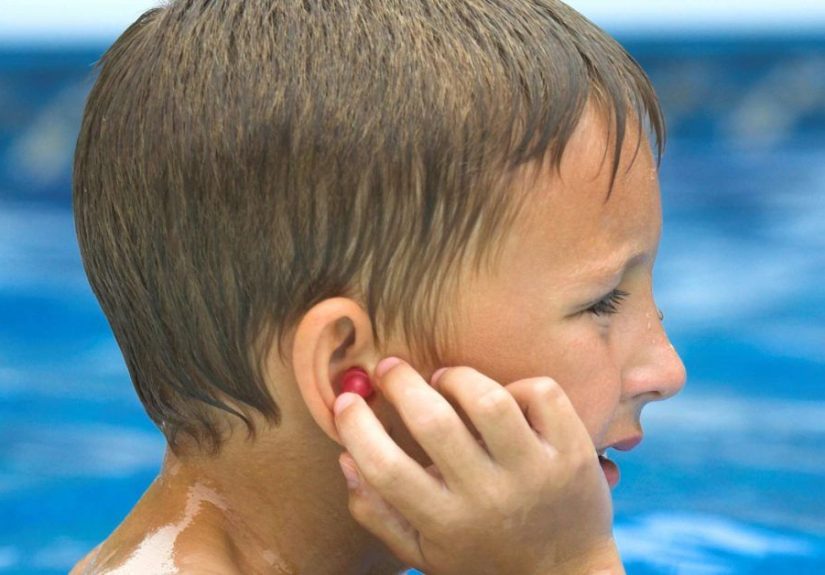
Swimmer’s ear is the everyday name for acute otitis externaan infection or inflammation of the
ear canal, the narrow passage that runs from the outer ear to the eardrum. It’s called “swimmer’s” ear because
water exposure is a common trigger, but you can also get it from showering, sweating, humidity, or irritating the canal with
objects and devices.
A key point that saves a lot of confusion: swimmer’s ear is not the same as a middle ear infection (otitis media).
Swimmer’s ear lives in the canal; middle ear infections live behind the eardrum. They can both hurt, but they’re different problems
with different treatments.
Swimmer’s ear symptoms
Swimmer’s ear symptoms often start small and irritatingthen become loudly memorable. Many people notice symptoms within a few days
after water exposure, but it can also show up after scratching the ear canal or wearing devices that rub the skin inside the ear.
Early symptoms (the “maybe it’s nothing” phase)
- Itching inside the ear canal
- Mild discomfort or tenderness
- A feeling of fullness or “something in my ear”
- Subtle redness at the canal opening
Classic symptoms (the “okay, this is definitely something” phase)
- Ear pain that worsens when you tug the outer ear (pinna) or press the tragus (the little flap in front of the canal)
- Redness and swelling of the ear canal
- Drainage (clear, cloudy, or sometimes thicker fluid)
- Muffled hearing if swelling or debris blocks the canal
- Pain that may feel worse when chewing (because everything in that area is rude and connected)
More severe symptoms (the “please don’t touch my head” phase)
- Intense, persistent pain
- Canal swelling that makes hearing noticeably worse
- More significant drainage
- Swollen lymph nodes near the ear/neck
- Fever or feeling generally unwell (this can suggest the infection is more advanced or spreading and deserves prompt medical attention)
Tip for real life: if the outside of your ear hurts when movedespecially when you press the tragusclinicians often think
“otitis externa” quickly. That specific tenderness is a classic clue.
What causes swimmer’s ear?
Swimmer’s ear usually happens when the ear canal’s natural defenses get disrupted. Your ear canal isn’t just a tubeit has a
protective skin lining and wax (cerumen) that help keep moisture and germs from settling in. When that protection gets overwhelmed
or damaged, bacteria (and occasionally fungi) can grow.
1) Trapped moisture (water is the match that lights the fuse)
Water that stays in the ear canal creates a warm, moist environmentbasically a boutique spa for microbes. Over time, moisture can
soften and irritate the canal skin and reduce wax’s protective effect. This makes it easier for bacteria to multiply.
2) Germ exposure (especially in lower-quality water)
Lakes, rivers, hot tubs, and poorly maintained pools can carry bacteria that irritate or infect the canal. Even “clean” water can be a
problem if it’s trapped long enough, but germier water can increase the odds.
3) Skin damage inside the canal (tiny scratches, big consequences)
Scratches or micro-abrasions give germs an entry point. Common culprits include cotton swabs, fingernails, hairpins, ear picks, and any
enthusiastic attempt to “clean” the ear canal. (Your ear canal is self-cleaning. It does not need a scrub brush.)
4) Irritation from products and skin conditions
Some people are more prone to inflammation because of eczema, psoriasis, seborrheic dermatitis, or allergies. Hair sprays, dyes, and other
chemicals can also irritate the skin near the canal opening, making infections easier to develop.
5) Bacteria vs. fungi (who’s usually to blame?)
Most acute swimmer’s ear cases are bacterial. Fungal causes are less common, but they happenespecially when the canal environment stays
moist or when the skin’s barrier is repeatedly disrupted. Treatment differs, which is one reason persistent symptoms should be evaluated.
Risk factors: Who is most likely to get swimmer’s ear?
Anyone can get swimmer’s ear, but certain lifestyles, environments, and body quirks raise the odds. Here are the biggest categories of
risk factorsplus what they look like in normal human life.
Water and moisture exposure
- Frequent swimming or prolonged time in water
- Water left in the ear after swimming or showering
- Humidity or living in a hot, damp climate
- Heavy sweating (yes, sweat counts as moisture)
Example: You’re not a swimmer, but you do hot yoga daily and wear earbuds right after class. That combo can keep moisture in the canal
longer than you’d think.
Ear canal trauma and “cleaning” habits
- Using cotton swabs or other objects inside the ear canal
- Scratching the canal because it itches
- Recent wax removal that leaves the canal skin irritated
The paradox: people often use cotton swabs because the ear itches, and the swab can create tiny scratches that make infection more likely
which leads to more itching. It’s a self-fulfilling prophecy with a paper stick.
Devices that rub, trap moisture, or block airflow
- Earbuds and in-ear headphones
- Hearing aids
- Earplugs (especially if worn for long periods or inserted roughly)
Devices can cause small breaks in the skin and also create a snug, low-airflow environmentexactly what bacteria like.
Skin conditions and allergies
- Eczema, psoriasis, or other itchy/inflamed skin conditions affecting the ear area
- Allergic irritation, including reactions to hair products or ear drops
Water quality and exposure to germs
- Swimming in poorly maintained pools or unclean water
- Hot tubs with inadequate sanitation
Anatomy and blockage
- Narrow canals or structural differences that make drainage harder
- Wax or debris that blocks the canal and traps moisture
- Hairy ear canals or bony growths (like exostoses) that reduce airflow/drainage
Higher-risk medical situations
Most swimmer’s ear is straightforward. But if you have diabetes or a weakened immune system, you should
take symptoms seriously and seek care promptly. In rare cases, severe infections can spread deeper and cause serious complications. This is
not meant to scare youit’s meant to keep you from “waiting it out” when your body is telling you to get help.
How swimmer’s ear develops (a simple, realistic chain reaction)
- Moisture sticks around (water, sweat, humidity, or damp earbuds).
- Skin barrier softens and wax protection decreases.
- Minor damage occurs (scratching, cotton swabs, earplugs, rubbing).
- Bacteria or fungi take advantage of the warm, moist, irritated canal.
- Inflammation ramps up: swelling, pain, drainage, and sometimes muffled hearing.
Notice how none of these steps require you to be an Olympic swimmer. The ear canal is a small space; small changes in moisture and skin health
can have outsized effects.
When to see a healthcare provider
Mild irritation can sometimes improve when you keep the ear dry and stop irritating itbut swimmer’s ear can also worsen quickly. Consider
medical evaluation if:
- Pain is moderate to severe, or getting worse
- You have ear drainage or significant swelling
- Hearing is notably muffled
- Symptoms don’t improve within a couple of days
- You have fever, spreading redness, or feel generally ill
- You have diabetes, are immunocompromised, or have ear tubes/perforated eardrum history
Also: avoid putting drops in your ear unless a clinician has confirmed it’s safeespecially if you might have a perforated eardrum or ear tubes.
“Just in case” can become “now we have a new problem.”
Practical prevention (because nobody wants a preventable ear tantrum)
Even though this article focuses on symptoms, causes, and risk factors, prevention is basically risk-factor management in disguise.
The most helpful strategies are simple:
- Keep ears as dry as possible during swimming (earplugs or swim molds can help for frequent swimmers).
- Dry ears thoroughly after water exposure: tilt your head to drain water, dry the outer ear with a towel, and consider a hair dryer
on the lowest setting held several inches away. - Don’t put objects in your ear canal (cotton swabs included).
- Don’t over-remove earwaxwax helps protect the canal.
- If you’re prone to swimmer’s ear, ask a clinician about ear-drying dropsbut don’t use them if you have ear tubes, a punctured
eardrum, or current drainage unless a clinician says it’s okay.
Common myths and mistakes (aka: how swimmer’s ear gets the upper hand)
Myth: “If it itches, I should clean it more.”
Itchiness can be an early symptombut aggressive cleaning can scratch the canal and remove protective wax, increasing your infection risk.
The canal is delicate. Treat it like a contact lens, not a cast-iron pan.
Myth: “Earwax is gross and must be eliminated.”
Earwax is protective. Unless it’s impacted and causing issues, it often does more good than harm.
Myth: “It’s called swimmer’s ear, so if I don’t swim, it can’t be that.”
Showering, humidity, sweating, and earbuds can create the same moisture-and-irritation setup. The name is catchy, not exclusive.
Real-world experiences with swimmer’s ear
People describe swimmer’s ear in surprisingly consistent wayseven though the trigger varies. These aren’t personal stories from one specific person;
they’re the kinds of experiences clinicians hear all the time, bundled into realistic “this could be you” moments. If you’ve ever thought,
“Is my ear being weird, or am I just imagining it?”welcome to the club. The club has snacks, but chewing may hurt a little.
Experience #1: “It started as an itch… and then my ear declared war.”
A common first sign is a mild itch deep in the ear canal. It’s easy to ignore. Some people scratch with a pinky or grab a cotton swab because it feels
like there’s water stuck or wax “in the way.” The itch may temporarily improve, which convinces you that your technique is flawless. Thenoften overnight
the canal swells and the itch turns into a sharp ache. By the next day, pressing on the tragus feels like pushing a bruise with a grudge.
Experience #2: “I didn’t swim. I just… showered, sweated, and wore earbuds.”
Another frequent pattern is the non-swimmer who’s confused by the name. They shower daily, live in a humid climate, and wear earbuds for commuting, calls,
and workouts. Moisture plus a device that blocks airflow is an underrated combo. People often say the ear feels “plugged,” like a tiny ear-stopper has been
installed, and sound on that side becomes slightly muffled. The pain may be modest at first, but the tenderness ramps up quicklyespecially when the ear is
bumped or the earbud goes back in.
Experience #3: “My ear started leaking, and that’s when I panicked.”
Drainage is one of the symptoms that turns curiosity into urgency. People describe it as a wet feeling that keeps returning, sometimes with crusting at the
canal opening. It can be clear early on and become cloudy or thicker as inflammation increases. The draining itself isn’t always painful, but it’s usually a
sign that the canal is irritated and inflamed enough to produce fluidand it often accompanies swelling that makes hearing worse. Many people say the worst
part is the combination: pain plus muffled hearing plus the unsettling awareness that your ear is doing… something.
Experience #4: “Chewing hurt. I thought it was my teeth.”
This is a classic confusion point. Because the ear canal sits close to the jaw joint, severe canal inflammation can make chewing uncomfortable. Some people
think they have a dental issue or jaw strain. Then they press on the outer ear and realize, “Oh. It’s the ear.” That connection explains why swimmer’s ear
can feel bigger than it istiny canal, big neighborhood.
Experience #5: “I tried to fix it myselfand accidentally made it worse.”
The most common DIY misstep is inserting objects into the ear canal to “dry it out” or “clean it out.” People may use cotton swabs, tissues twisted into a
point, or even hairpins (please don’t). The canal skin is thin; even a small scratch can worsen inflammation and invite bacteria deeper. Another mistake is
continuing to swim or submerge the ear because “it’ll rinse everything out.” Unfortunately, that’s like trying to put out a grease fire with more oil.
The big takeaway from these experiences is simple: swimmer’s ear often starts subtly, escalates quickly, and gets worse with moisture and irritation. If you
recognize the early itch-plus-tenderness pattern, keep the ear dry, stop inserting anything into the canal, and get evaluated if symptoms intensify. The goal
isn’t to turn you into a hypochondriac; it’s to keep your ear from turning into a drama critic reviewing your daily life at full volume.