Table of Contents >> Show >> Hide
- First, a quick TB primer (so the rest makes sense)
- What is the TB vaccine?
- How effective is the TB vaccine?
- Is the TB vaccine safe?
- Who should get the TB vaccine in the United States?
- TB testing after BCG: why results can get weird
- If you test positive: what usually happens next?
- What about “new” TB vaccines and BCG boosters?
- FAQ: the questions people actually ask
- Conclusion: the bottom line
- Real-world experiences related to the TB vaccine (what people often notice)
The “TB vaccine” sounds like it should be simple: get a shot, dodge tuberculosis forever, walk away wearing sunglasses like an action hero.
Reality is… more complicated (and less cinematic). In the U.S., the TB vaccine isn’t part of routine childhood immunizations, its protection isn’t
equally strong for everyone, and it can make some TB tests annoyingly confusing. But it’s also one of the most widely used vaccines in the world
and can be a lifesaver for kids in high-risk settings.
This guide breaks down what the TB vaccine is (spoiler: it’s usually BCG), how safe it is, what “effective” really means here, and who might actually
benefitespecially in the United States. Along the way, we’ll translate medical jargon into normal-human language, with just enough humor to keep it readable
(no jokes about serious illnessjust jokes about paperwork and immune systems being dramatic).
First, a quick TB primer (so the rest makes sense)
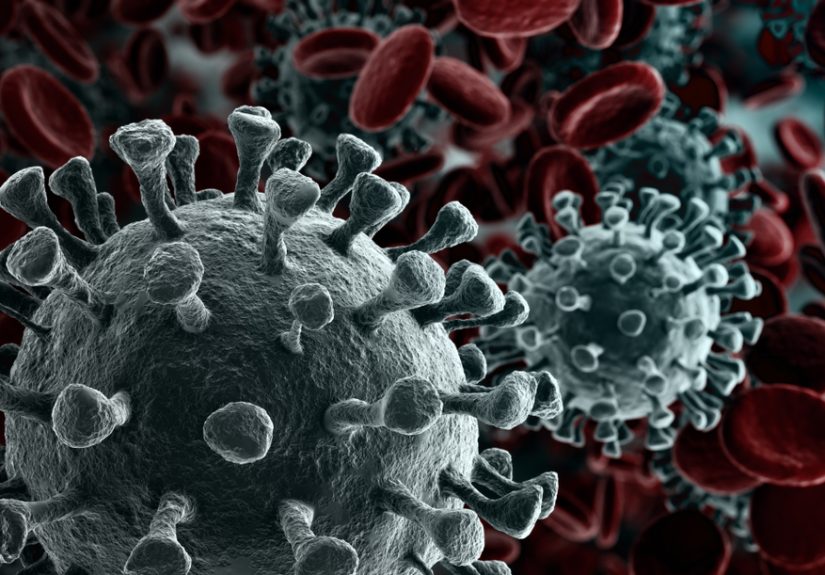
Tuberculosis (TB) is an инфекtion caused by Mycobacterium tuberculosisa germ that usually affects the lungs but can also spread to other parts of the body.
TB spreads through the air when a person with active TB disease in the lungs or throat coughs, speaks, or sings (yes, karaoke can be a public health detail).
Here’s the key distinction:
- Latent TB infection (LTBI): TB germs are in the body, but “asleep.” You feel fine and aren’t contagious. It can still become active later.
- Active TB disease: TB germs are “awake,” multiplying, and can cause symptomsand may be contagious if it’s in the lungs or throat.
Why does this matter for a TB vaccine? Because the vaccine’s strongest benefit is not “nobody ever gets infected,” but rather “young kids are less likely
to develop the scariest, most severe forms of TB disease.”
What is the TB vaccine?
The TB vaccine most people mean is BCG (bacille Calmette-Guérin). It’s a live, weakened vaccine made from a bacterium related to the one
that causes TB. It’s been used for decades worldwide, especially in countries where TB is common.
In the United States, BCG is not generally used because TB rates are relatively low and because BCG can interfere with some TB testing. When it is considered,
it’s typically in very specific, high-risk situations and often involves consultation with TB experts or local/state TB programs.
One more point that trips people up: “BCG” also shows up in cancer care (as a treatment placed into the bladder for certain bladder cancers). That’s a different use of the
same biologic product familysame letters, different mission. This article is about BCG as a TB vaccine.
How effective is the TB vaccine?
If you’re looking for a single clean numberlike “this vaccine is 95% effective”BCG is going to refuse to cooperate. Its protection varies by age, outcome,
setting, and study design. But there are some reliable patterns.
Where BCG shines: preventing severe TB in young children
The most consistent benefit of BCG is in infants and young children, where it helps protect against severe forms of TB, especially:
TB meningitis (infection involving the brain and spinal cord coverings) and miliary TB (widely spread TB).
These forms are rarer than lung TB but can be especially dangerous in young kids.
This is why many countries give BCG early in life: it’s a practical way to reduce the worst outcomes in places where TB exposure risk is high.
In U.S.-focused guidance, this “severe childhood TB protection” is the main reason BCG is even considered at all.
Where BCG is less predictable: adult pulmonary TB (lung TB)
BCG’s ability to prevent the most common formpulmonary TB in adolescents and adultsis often described as variable.
Some studies show meaningful protection; others show little. Protection also tends to weaken over time.
Practical translation: BCG is not a “magic shield” for adults. If you had BCG as a baby, you can still be infected with TB later and still develop TB disease.
It may reduce risk in some contexts, but it’s not reliable enough to replace screening, prevention, and treatment strategies.
Why does efficacy vary so much?
Researchers have debated this for years. A few commonly discussed reasons include:
- Environmental mycobacteria: In some places, people are exposed to related bacteria in soil and water, which may change how the immune system responds to BCG.
- Differences in BCG strains and manufacturing: “BCG” is a family of related vaccine strains used globally; small differences may matter.
- Different TB exposure patterns: High-exposure vs. lower-exposure environments can change observed effectiveness.
- Timing and age: BCG is most consistently helpful when given early in life, before major TB exposure.
Bottom line: When you see people arguing online about whether BCG “works,” it’s usually because they’re talking about different outcomes (severe childhood TB vs. adult lung TB)
or different settings. Both sides can be quoting real data while still talking past each other.
Is the TB vaccine safe?
For most healthy people who are appropriate candidates, BCG has a long safety history. But because it’s a live vaccine, safety depends heavily on
who receives it.
Common, expected side effects (a.k.a. the “BCG souvenir”)
The most common reaction is local: a small bump at the injection site that can change over time and often leaves a scar.
People in countries where BCG is routine sometimes call it the “BCG scar,” like a tiny passport stamp from infancy.
Other common local reactions can include redness, tenderness, or a small ulcer at the injection site. Nearby lymph nodes (often in the armpit or neck) can sometimes swell.
Rare but serious risks
Serious complications are uncommon but can happenespecially in people with weakened immune systems. Because BCG is live,
immunocompromised individuals can, in rare cases, develop widespread infection related to the vaccine.
This is why careful screening and appropriate candidate selection matters more for BCG than for many routine vaccines.
Who should not get BCG?
In general, BCG is not recommended for people who are immunocompromised (including certain immune disorders and some people living with HIV, depending on clinical context),
or those receiving significant immunosuppressive therapy. It’s also generally avoided in pregnancy in many guidance documents.
Because personal medical details matter here, decisions about BCG should be made with a qualified clinicianoften with TB specialist input.
Who should get the TB vaccine in the United States?
In the U.S., BCG is not routinely recommended. When it’s used, it’s used in narrow situations where the risk of TB exposure is unusually high
and other prevention options aren’t workable.
1) Certain children with ongoing, unavoidable exposure
U.S. guidance emphasizes that BCG vaccination should be considered only for children who:
- Have a negative TB test, and
- Are continually exposed to an infectious TB source and cannot be separated from that person, and
- Face scenarios such as exposure to an adult with untreated/ineffectively treated TB disease, or exposure to certain drug-resistant TB strains, especially when long-term preventive treatment isn’t feasible.
This is the classic “last resort when safer options aren’t available” situation. Think: a child who lives in a household where an adult has contagious TB and
circumstances make separation or reliable preventive therapy impossible.
2) Rare occupational circumstances (not routine healthcare work)
Historically, older recommendations discussed BCG for some workers at high risk of TB exposure, but modern U.S. practice does not routinely recommend BCG for healthcare workers.
Instead, TB prevention focuses on infection control measures, screening, and treatment of latent TB infection when indicated.
In extremely unusual situationssuch as ongoing exposure to drug-resistant TB in settings where infection control measures can’t adequately reduce riskBCG might be discussed with experts.
But that’s not “every hospital nurse” or “anyone who works in healthcare.” It’s closer to “special circumstances, specialist consultation, paperwork, and more paperwork.”
3) Travelers to high-TB countries: usually not a BCG situation
People sometimes ask, “I’m travelingshould I get the TB vaccine?” In the U.S., BCG is generally not recommended as a routine travel vaccine.
Travel risk reduction usually focuses on:
- Reducing exposure in crowded indoor spaces when possible
- Knowing TB symptoms and seeking care if they appear
- TB screening (often with a blood test) for people with significant exposure risk, sometimes before and after long-term travel
- Treatment of latent TB infection if diagnosed and appropriate
If you believe your travel or living situation involves unusually high TB exposure risk, talk with a clinician experienced in travel medicine and TB.
The plan is often “test smart and treat early,” not “BCG for everyone.”
TB testing after BCG: why results can get weird
BCG is famous for one side effect that isn’t about your arm at all: it can complicate TB testing.
Skin test (TST): BCG can cause false positives
The tuberculin skin test (TST) can come back positive in someone who had BCGsometimes years later. And there’s no reliable way to tell if a positive TST
is due to the vaccine or true TB infection just by looking at the size of the bump.
Blood tests (IGRAs): preferred for people who received BCG
TB blood testscalled interferon-gamma release assays (IGRAs)are generally the preferred TB tests for people who have received BCG, because BCG does not cause
a false-positive IGRA result in the way it can with the skin test.
If you’ve ever thought, “Why can’t my immune system just fill out a simple form?”this is one of those moments. The good news is that modern blood tests
reduce the confusion for many BCG-vaccinated people.
If you test positive: what usually happens next?
A positive TB test doesn’t automatically mean “active TB disease.” Clinicians usually evaluate:
- Your symptoms (if any)
- Your exposure history and risk factors
- Imaging (often a chest X-ray)
- Sometimes additional lab tests if active disease is suspected
If active TB is ruled out and the diagnosis is latent TB infection, many people are offered preventive treatment to reduce the risk of developing active TB later.
This is one reason the U.S. leans heavily on testing and treatment strategies rather than routine BCG vaccination.
What about “new” TB vaccines and BCG boosters?
TB vaccine research is active because the world needs better toolsespecially vaccines that protect adolescents and adults from pulmonary TB.
But as of now, BCG remains the only widely used TB vaccine, and newer candidates are still being tested.
BCG revaccination: not a guaranteed upgrade
Revaccinating with BCG has been studied, including trials that use IGRA conversion as a marker of infection. A recent large trial reported that BCG revaccination
was not shown to protect against primary TB infection defined by initial IGRA conversion in that study design.
That doesn’t mean all research is overit means “boosters” are not automatically the answer.
Experimental approaches: promising science, not ready for routine care
Research groups are exploring novel vaccine strategies, including different delivery routes and new vaccine candidates designed to outperform BCG for adult pulmonary TB.
Some experimental work (including animal studies) has shown striking immune responses under controlled conditionsbut translating that into a safe, effective,
widely usable human vaccine takes time, trials, and lots of cautious optimism.
FAQ: the questions people actually ask
“If I had BCG as a baby, do I still need TB testing?”
Often, yesdepending on your situation. BCG doesn’t guarantee lifelong protection, and TB screening is based on exposure risk, health status, and setting requirements.
If you had BCG, TB blood tests (IGRAs) are often preferred because they’re not affected by BCG like the skin test can be.
“Can BCG give me TB?”
BCG is a live, weakened vaccine, so it doesn’t “give you regular TB disease” the way the wild TB germ does. But in people with significant immune suppression,
rare serious vaccine-related infections can occur. That’s why BCG is avoided in immunocompromised individuals and used selectively in the U.S.
“Why doesn’t the U.S. just vaccinate everyone?”
Because TB risk is relatively low in the U.S., BCG’s protection against adult pulmonary TB is variable, and it can complicate skin-test screening.
U.S. strategy leans on targeted testing, infection control, and treatment of latent TB infectionapproaches that fit a lower-prevalence setting.
Conclusion: the bottom line
The TB vaccine (BCG) is a real vaccine with real benefitsespecially for preventing severe TB disease in young children in high-risk settings.
It’s also not a one-size-fits-all solution. In the United States, BCG is not routinely recommended and is generally reserved for narrow situations where
exposure risk is ongoing, severe, and hard to reduce by other means.
If you’re wondering whether BCG applies to you or your family, the most useful next step is usually not “find a vaccine clinic,” but “talk with a clinician or TB program
about your exposure risk and the best prevention/testing plan.” And if you’ve had BCG before and TB testing is in your future, remember the cheat code:
IGRA blood tests are often the preferred way to keep the results from turning into a riddle.
Real-world experiences related to the TB vaccine (what people often notice)
Medical guidance is essential, but it can feel abstract until it bumps into real lifelike school forms, job screenings, travel plans, and the sudden realization that your
childhood scar has a backstory. Here are a few common, reality-based scenarios clinicians and patients frequently run into.
1) “I have the BCG scarnow my new employer wants a TB test”
Many people born outside the U.S. received BCG as infants. Years later, they move to the U.S. for school or work and get asked for “a TB test.”
If they get a skin test (TST), it may come back positive, which can be alarmingespecially if they feel completely healthy.
This is a classic moment where the follow-up conversation matters: a positive skin test can’t reliably separate prior BCG from true infection.
In practice, many clinicians prefer an IGRA blood test for BCG-vaccinated people, because it avoids much of the vaccine-related confusion.
The experience can feel like getting flagged by airport security for having shampootechnically a “liquid,” but not the threat anyone imagined.
2) Parents asking, “Should my child get BCG in the U.S.?”
Parents sometimes ask about BCG because a relative overseas recommends it, or because they’re planning a move to a country with higher TB rates.
In the U.S., the answer is often, “Let’s look at exposure risk first.” If a child will have ongoing, unavoidable exposuresuch as living with someone with infectious TB
who can’t be reliably treated or separatedBCG may be discussed with TB experts. But for most families, the safer and more typical approach is risk-based screening,
quick evaluation after a known exposure, and preventive therapy for latent TB infection when needed. For parents, it can be reassuring to hear that the plan isn’t “do nothing”;
it’s “do the thing that fits your real risk.”
3) Healthcare settings: TB risk feels personal when screening is routine
Some healthcare workers feel nervous when they learn TB is “airborne,” especially if they’ve worked around vulnerable patients.
In U.S. practice, BCG isn’t typically the answer. Instead, facilities rely on ventilation and airborne precautions, plus screening policies and follow-up when exposure occurs.
The real-life experience is often less about a dramatic encounter and more about systems: annual screenings, onboarding requirements, and knowing what to do if a patient is later
diagnosed with TB. It’s not glamorous, but it’s effectiveand it doesn’t come with the testing complications BCG can create.
4) Travelers: “I can’t vaccinate my way out of every riskso what can I do?”
Long-term travelers and expats sometimes expect a travel-vaccine checklist for TB. They’re surprised to learn that BCG isn’t routinely recommended as a travel shot in the U.S.
The lived experience becomes practical: understanding where TB transmission is more likely (crowded, poorly ventilated indoor spaces), recognizing that risk builds with prolonged exposure,
and planning for screening if they’ll be working in clinics, shelters, or similar settings abroad. People often find it empowering to swap a vague fear (“TB is everywhere!”) for an actionable plan
(“I know my risk level, I know what testing to use, and I know what to do if I’m exposed.”).
Across these scenarios, the pattern is consistent: BCG is important globally, but in the U.S. it’s usually a specialized decision. The day-to-day “experience” for most people is less about
getting the vaccine and more about getting the right test, interpreting results correctly, and acting early when risk is real.