Table of Contents >> Show >> Hide
- Can a Wedding Dress Actually Be Made Longer?
- The Best Techniques to Make a Wedding Dress Longer
- Which Fabrics Cooperate and Which Ones Fight Back?
- What a Bridal Seamstress Checks First
- How Much Does It Cost to Make a Wedding Dress Longer?
- Timeline: When to Start
- Mistakes to Avoid
- Experiences Brides Commonly Have When Trying to Make a Wedding Dress Longer
- Final Thoughts
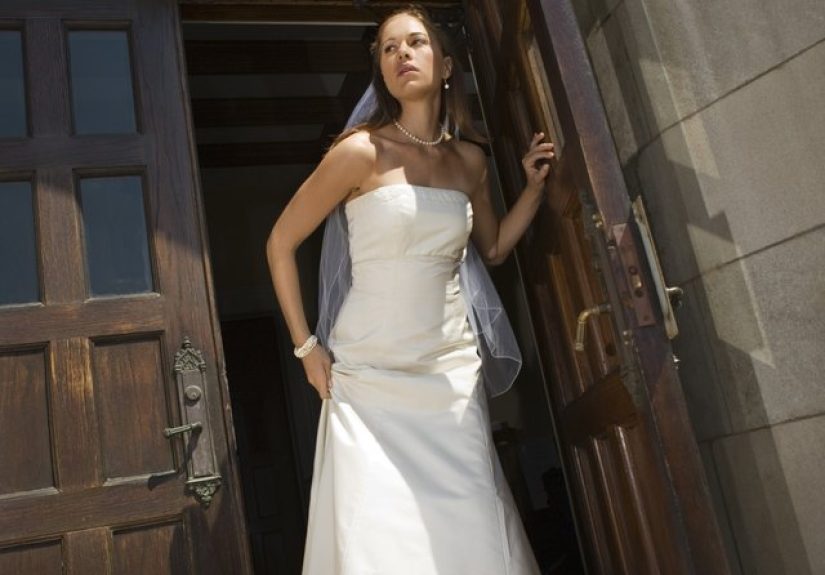
A wedding dress can inspire tears, applause, and one very dramatic group text. It can also inspire panic when the hem hits a little too high, the train feels underwhelming, or the whole gown suddenly looks like it borrowed length from somebody shorter and smugger. The good news is that a dress that feels too short is not always doomed. In many cases, a skilled bridal seamstress can add length, balance proportions, or create the visual effect of a longer gown without sacrificing elegance.
This is where bridal alterations stop being “just hemming” and start looking more like fashion engineering. Some wedding dresses can be lengthened by letting down the original hem. Others need lace, a fabric band, a tulle extension, or a carefully inserted panel at the waist or skirt. And sometimes the smartest solution is not literal length at all, but a design move that gives the gown a longer, more graceful line. The trick is knowing what your dress can handle, what your fabric will tolerate, and what will still look intentional instead of “we met in a rush and now live at the bottom of the skirt.”
Can a Wedding Dress Actually Be Made Longer?
Yes, but not always by the same method. Whether a bridal gown can be made longer depends on its original construction. A plain satin dress with a generous hem allowance is a very different situation from a lace gown with scalloped edges, beadwork, and a hem that has already been cut to its final length. Before anyone promises a miracle, a bridal tailor usually looks at the hem allowance, seam structure, fabric type, train shape, embellishments, lining, and whether matching fabric or lace can still be sourced.
In plain English, the answer is often: maybe, but let’s look inside first. That may not be the romantic answer, but it is the honest one, and honesty is a lovely quality in both spouses and seamstresses.
What Determines Whether Lengthening Is Possible?
The biggest factors are the depth of the hem, the shape of the skirt, and whether the dress has details that can hide a new seam. A gown with multiple layers may offer more flexibility because one layer can be extended or visually disguised. A dress with a waist seam may also be a better candidate for adding a panel than a seamless column gown. Lace appliqués, horsehair braid, tulle overlays, and detachable elements can all help conceal added length, but only if the additions match the style of the dress.
Another major factor is your wedding-day shoe height. A bride who falls in love with four-inch heels after the first fitting may accidentally turn a perfectly fine hem into a “why are my ankles at the ceremony?” situation. That is why professional fitters always want the actual shoes, or at least the same heel height, before final alterations are done.
The Best Techniques to Make a Wedding Dress Longer
1. Let Down the Original Hem
This is the cleanest option when it is available. Some gowns are made with enough extra fabric folded into the hem to release a little more length. If the seamstress can let down the hem by half an inch to an inch, sometimes slightly more, that can be all the difference between “almost right” and “perfectly floor-grazing.”
This works best on simpler dresses with minimal embellishment near the hem. It is less effective on gowns with intricate lace edges, heavy beadwork, or sharply curved hems. If the original fold line has left a visible mark, or if sun fading and wear have changed the exposed fabric tone, the seamstress may need to steam, press, and refinish the edge carefully.
Best for: simple satin, crepe, mikado, or structured gowns with hidden hem depth.
Watch out for: visible crease lines, worn hem edges, uneven train shaping.
2. Add a Lace Border to the Hem
If the gown cannot be let down enough, adding lace at the hem is one of the most popular and attractive bridal solutions. This technique works especially well when the dress already includes lace motifs somewhere else on the gown, because the new border looks like part of the original design instead of an emergency patch with commitment issues.
A seamstress may use scalloped lace, reapply matching appliqués, or create a new decorative edge that extends the length by one to several inches. On a romantic A-line dress, this can look soft and intentional. On a heavily embellished gown, the seamstress may need to remove and reposition existing lace so the transition feels seamless.
Best for: lace gowns, tulle-over-lace gowns, vintage-inspired dresses, boho styles.
Watch out for: poor lace matching, bulky joins, overly bright new lace against older ivory fabric.
3. Sew On a Matching Fabric Hem Band
A fabric band is exactly what it sounds like: a strip of matching or intentionally coordinating fabric added at the bottom of the dress. This can be subtle or dramatic depending on the design. On a minimalist gown, a narrow band in matching satin can look elegant and architectural. On a more fashion-forward dress, a contrast layer in tulle, organza, or even textured jacquard can look editorial in the best possible way.
This technique is especially useful when the seamstress can obtain fabric from the designer or from leftover material elsewhere in the gown, such as from a train reduction or internal layer adjustment. If the color match is close but not perfect, the band may be paired with lace appliqué, beading, or trim to soften the transition.
Best for: modern gowns, gowns with clean lines, dresses where extra designer fabric is available.
Watch out for: mismatched sheen, different fabric weight, obvious horizontal seam lines.
4. Add a Tulle or Organza Extension
When a dress needs more softness than structure, a seamstress may add a sheer extension under or over the hem using tulle or organza. This creates floating length rather than heavy length, which is why it is so effective on ball gowns, layered skirts, and dresses with airy movement.
Think of it as a whisper of extra gown rather than a shouted correction. A tulle extension can be nearly invisible from a distance, yet still give the dress a longer silhouette in photographs and while walking. Organza works similarly but has a crisper finish. For added polish, lace appliqués can be scattered over the extension so the new length blends into the original skirt.
Best for: ball gowns, layered skirts, romantic silhouettes, soft cathedral vibes.
Watch out for: stiffness, scratchiness, or a visible color shift between old and new layers.
5. Insert a Panel at the Waist or Mid-Skirt
If the hem cannot be altered attractively, the seamstress may add length higher up by inserting a panel at the waist seam or, in some cases, lower in the skirt. This is a more advanced alteration, but it can be extremely effective when the dress design supports it. A waistband, sash, lace insertion, illusion panel, or decorative seam detail can all disguise the added section.
For example, a bridal gown with a defined waist and full skirt may gain length from a narrow waistband covered in lace or beads. A vintage dress might use a sheer illusion insert that feels true to the era. A sleek crepe gown, however, may resist this option because every seam is visible and there is nowhere to hide.
Best for: gowns with waist seams, belts, lace overlays, or strong design lines.
Watch out for: altered body proportions, shifting the waist too low, interrupting a clean silhouette.
6. Extend the Train
Sometimes the front hem is acceptable, but the bride wants more length and drama in the back. In that case, extending the train can be the smartest move. This does not always make the whole dress longer in a functional sense, but it does create a more elongated bridal look. A longer train can be added with matching fabric, lace layers, or a detachable extension.
This technique works especially well when the ceremony calls for impact and the reception calls for practicality, because the added train can be bustled or detached later. It is a great option for brides who want more grandeur without restructuring the entire skirt.
Best for: gowns that fit well in front but feel visually short in back.
Watch out for: extra weight, bustle complexity, fabric mismatch under bright lighting.
7. Create the Illusion of More Length
Not every dress can be truly lengthened. In those cases, a great seamstress can still create the appearance of more length. A detachable overskirt, a sheer outer layer, a longer train, or a carefully chosen veil can all visually stretch the silhouette. Even adjusting the waist placement, smoothing the skirt shape, or removing bulky underlayers can change where the eye lands and make the gown feel longer.
This is the bridal equivalent of good lighting and strategic camera angles: completely respectable and often very effective.
Which Fabrics Cooperate and Which Ones Fight Back?
Plain fabrics like satin, mikado, and crepe can be easier to alter if the gown has sufficient allowance and the finish is clean. Lace dresses can be lengthened beautifully, but only if the pattern match is handled with care. Tulle and organza are forgiving for soft extensions, while heavily beaded fabrics are beautiful little troublemakers. They take more labor, more precision, and more patience because every bead near the alteration zone may need to be removed and reapplied.
Vintage gowns add another layer of complexity. Age can weaken fibers, discolor hems, and make perfect fabric matching nearly impossible. That does not mean a vintage wedding dress cannot be lengthened. It just means the job is part tailoring, part restoration, and part emotional support service.
What a Bridal Seamstress Checks First
Before agreeing to lengthen a gown, a bridal alterations specialist usually checks the inside construction from top to bottom. They inspect the hem depth, train shape, lining, seam allowances, lace placement, wear at the hem, and whether the dress has already been altered before. They also look for hidden opportunities, such as extra fabric inside the hem, removable internal layers, or decorative elements that could disguise a new seam.
This is why the first fitting matters so much. It is not just about pinning the dress. It is about figuring out whether the gown wants a subtle release, a decorative extension, or a full redesign. You want the person doing that assessment to have real bridal experience, not just general tailoring skills.
How Much Does It Cost to Make a Wedding Dress Longer?
The honest answer is: it depends on how fancy your dress is and how dramatic your request is. Releasing a hem is usually the simplest option. Adding lace, sourcing matching fabric, moving appliqués, or inserting a waist panel will cost more because the labor is more specialized. A heavily embellished gown can quickly move from “minor fix” to “small couture project.”
If you are budgeting for bridal alterations, build in room for fittings, customization labor, pressing, bustle work, and any materials that need to be ordered. Lengthening a wedding dress is rarely the cheapest alteration, because adding fabric gracefully is almost always harder than removing it.
Timeline: When to Start
Start earlier than your stress says you need to, because your stress is not the expert here. Major bridal alterations should not be left to the final weeks unless you enjoy adrenaline more than most people. A gown that needs extra fabric, lace matching, or structural redesign needs consultation time, fitting time, and enough breathing room for corrections.
Bring your wedding shoes, undergarments, and any accessories that affect the silhouette. If you switch shoes late in the process, you may undo the seamstress’s work and your own peace of mind in one swift heel-related plot twist.
Mistakes to Avoid
Assuming every dress can be lengthened
Some gowns simply do not have enough fabric, seam allowance, or design flexibility. A good seamstress will tell you that before taking your money and your hope hostage.
Choosing an alteration method that fights the original design
A crisp minimalist gown may not want a random lace border. A romantic lace dress may not love a stark satin band. The best alteration looks like it belonged there from the start.
Waiting until the last minute
Rush work narrows your options. If matching lace needs to be ordered or appliqués need to be repositioned by hand, time matters.
Skipping the full fitting setup
Your shoes, shapewear, bra, slip, and petticoat all affect length. Without them, the fitting is just an educated guess dressed in white.
Experiences Brides Commonly Have When Trying to Make a Wedding Dress Longer
One of the most common experiences brides describe is the shock of realizing the dress did not seem short in the salon, but suddenly feels short at the first real fitting. Usually, there is a simple reason. The sample may have been clipped differently, the bride may now be wearing the actual wedding shoes, or the gown may have settled differently once the correct undergarments are on. In that moment, it feels dramatic. In the alteration room, it is Tuesday.
Another very typical experience happens with off-the-rack or sample gowns. A bride finds a dress she loves, takes it home quickly, and feels triumphant for about twenty-four hours. Then she tries it on again, walks across the room, and realizes the front is fine while the back feels skimpy, or the dress looks perfect standing still but suspiciously brief in motion. This is where a seasoned bridal tailor earns every penny. Sometimes the fix is surprisingly small: a released hem, a new horsehair-supported edge, or a lace border that gives the gown just enough length to move gracefully. What looked like a disaster turns out to be a very fixable proportion problem.
Vintage gowns bring a different kind of experience. Brides often fall in love with the romance of an heirloom or secondhand dress, only to discover that the hem has seen things. Tiny snags, discoloration, weakened fibers, and old fold lines can limit what is possible. But these same dresses can also inspire some of the prettiest solutions. A delicate lace extension, a soft tulle layer, or a carefully placed waist insert can preserve the soul of the gown while making it wearable for a modern bride. The experience is usually less about “make it perfect” and more about “make it beautiful and respectful.” That mindset tends to produce the best results.
There is also the emotional side, which nobody warns brides about enough. A too-short wedding dress can feel oddly personal, as if the gown itself has betrayed the vision. Brides often worry that adding length will make the dress look obviously altered. In reality, good bridal work is designed to disappear. When the seamstress matches lace well, balances the skirt correctly, and keeps the silhouette consistent, guests rarely notice the modification. They simply think the gown looks elegant. The bride, meanwhile, gets to exhale for the first time in a week.
Perhaps the most reassuring experience is this: many brides begin the process convinced that “longer” means only one solution, and they end up discovering that several options are available. A dress may not be able to gain three inches at the hem, but it may become more graceful with a train extension, a sheer outer layer, or a waist detail that improves the whole proportion. In other words, the best result is not always the most literal one. Brides who go into alterations willing to hear a smart professional opinion usually walk out with a better dress than the one they first imagined.
Final Thoughts
If your wedding dress feels too short, do not panic and do not attack it with a tape measure and blind optimism. Start with a bridal alterations specialist who understands formalwear construction, complex fabrics, and the art of making a change look intentional. The best techniques to make a wedding dress longer depend on the gown itself: releasing the hem, adding lace, sewing on a fabric band, extending with tulle, inserting a panel, or creating more visual length through design.
The goal is not just extra inches. The goal is a dress that moves beautifully, photographs well, and lets you walk down the aisle without feeling like the hem is filing complaints. When the alteration is done well, nobody sees the fix. They just see a stunning wedding dress that looks exactly the way it was always meant to look.