Table of Contents >> Show >> Hide
- 1. Gene Editing with CRISPR: The Good, The Bad, and The Unpredictable
- 2. Bio-Printed Organs: The Future of Transplants?
- 3. Brain-Computer Interfaces (BCIs): Merging Mind and Machine
- 4. Lab-Grown Meat: Is It Really Meat?
- 5. Wearable Health Monitors: Personalized Medicine on Your Wrist
- 6. Microchip Implants: From Tracking to Health Monitoring
- 7. Artificial Blood: Can Machines Replace Life's Fluid?
- 8. Nanomedicine: The Tiny Revolution in Cancer Treatment
- 9. Biodegradable Implants: A Green Revolution in Medical Devices
- 10. Fecal Transplants: A New Way to Treat Gut Diseases?
- Conclusion: The Future is Both Exciting and Uncertain
Biomedicine, a field that pushes the boundaries of science and health, has long been a source of innovation and mystery. As new technologies emerge, researchers, doctors, and patients are left in awe of what’s possibleand sometimes confused by how to apply these inventions to improve health. In this article, we’ll delve into ten groundbreaking and confounding new inventions in the world of biomedicine that are reshaping medicine as we know it.
1. Gene Editing with CRISPR: The Good, The Bad, and The Unpredictable
CRISPR, the gene-editing tool that has revolutionized biomedicine, continues to confound experts and the public alike. While the promise of curing genetic diseases like sickle cell anemia or cystic fibrosis is tantalizing, the technology raises profound ethical and safety concerns. How precise is it really? Are we opening the door to unintended genetic mutations? As researchers experiment with CRISPR on human embryos and animals, the possibilities for curing genetic diseases grow, but so does the controversy. It’s a classic case of progress with potential pitfalls.
2. Bio-Printed Organs: The Future of Transplants?
Organ shortages are a growing problem worldwide. Bio-printing, which involves 3D printing human tissues and organs, may one day solve this issue. Recent breakthroughs show promising results, such as printing tissues for skin grafts or creating miniature versions of organs like kidneys. However, scientists are still grappling with how to print functional, fully-operational organs for transplant. The possibility of bio-printed organs could be life-changing, but it’s still in its infancy and brings questions about scalability, safety, and ethics.
3. Brain-Computer Interfaces (BCIs): Merging Mind and Machine
BCIs are perhaps one of the most mind-boggling biotechnological inventions to date. These devices allow direct communication between the brain and computers, offering new hope for individuals with paralysis or neurological disorders. While the potential for controlling prosthetics or restoring movement is exciting, the implications for privacy and mental autonomy are significant. Could someone hack into our minds? What does it mean to have our thoughts manipulated by machines? The road ahead for BCIs is fascinating but fraught with unanswered questions.
4. Lab-Grown Meat: Is It Really Meat?
Lab-grown meat, produced by culturing animal cells in a lab environment, is touted as the future of food. With the promise of reducing animal cruelty and environmental impact, it’s an idea that has gained traction. However, questions still remain: Is lab-grown meat truly the same as meat from an animal? How do our bodies process it? And perhaps most importantlywill it be accepted by the general public as a valid food source? While lab-grown meat is already on supermarket shelves in some regions, widespread adoption remains uncertain.
5. Wearable Health Monitors: Personalized Medicine on Your Wrist
From fitness trackers to smartwatches, wearable health monitors are providing people with unprecedented access to their own health data. Devices like the Apple Watch can track heart rate, blood oxygen levels, and even detect irregularities such as atrial fibrillation. While this technology promises to enable early disease detection, it’s still unclear how much reliance can be placed on these devices. Can they replace regular doctor visits, or are they just another way for tech companies to invade our privacy? As wearables become more advanced, they raise important questions about data accuracy and ownership.
6. Microchip Implants: From Tracking to Health Monitoring
Microchips implanted under the skin are already being used for everything from personal identification to tracking pet health. But the future of microchips in medicine could go far beyond convenience. Researchers are working on chips that monitor your health in real time, from glucose levels to early signs of disease. While these innovations could transform healthcare by making it more personalized, the idea of having a permanent device monitoring our health raises concerns. Who owns the data? How secure are these chips from hacking? And will they become a standard part of healthcare?
7. Artificial Blood: Can Machines Replace Life’s Fluid?
Artificial blood has been a subject of research for decades, with scientists attempting to create blood substitutes for emergency medical situations. Recent developments have resulted in synthetic blood products that mimic the functions of red blood cells, potentially providing an alternative during surgeries or blood shortages. While artificial blood could revolutionize emergency medicine, it’s still a long way from replacing natural blood in the body, and concerns about long-term effects remain. Will we ever see synthetic blood on the shelves?
8. Nanomedicine: The Tiny Revolution in Cancer Treatment
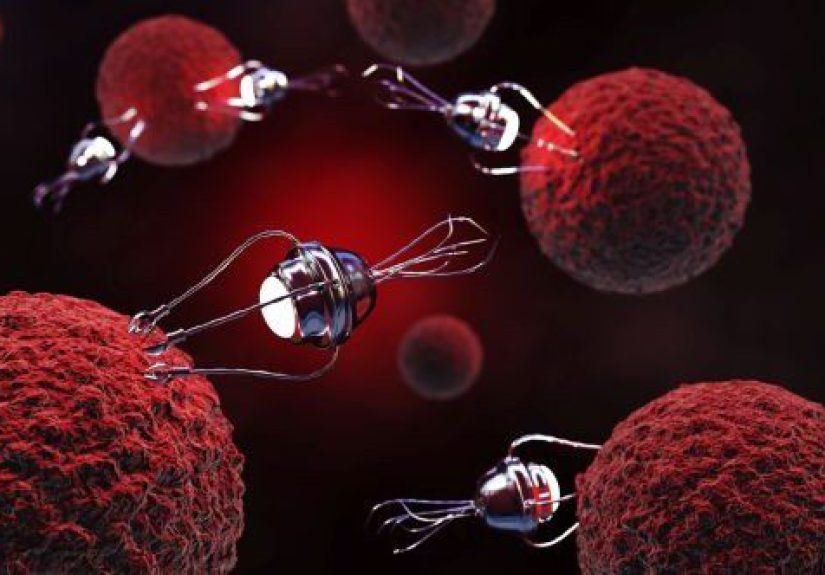
Nanomedicine, the use of nanotechnology to treat diseases at the molecular level, is poised to become a game-changer in cancer treatment. Tiny nanoparticles can be engineered to target cancer cells with incredible precision, potentially reducing side effects and improving outcomes. However, the field faces significant challenges, including ensuring the safety of these nanoparticles in the human body. As nanomedicine progresses, the balance between its potential and its risks will continue to be a key point of debate.
9. Biodegradable Implants: A Green Revolution in Medical Devices
Medical implants are a staple in modern healthcare, but the environmental impact of these devices is often overlooked. Enter biodegradable implants, which are designed to break down naturally over time, reducing the environmental burden. These implants could revolutionize fields such as orthopedic surgery, where temporary devices are needed. However, challenges persist in ensuring that these implants are safe, effective, and that they decompose in a controlled manner without causing harm to the body.
10. Fecal Transplants: A New Way to Treat Gut Diseases?
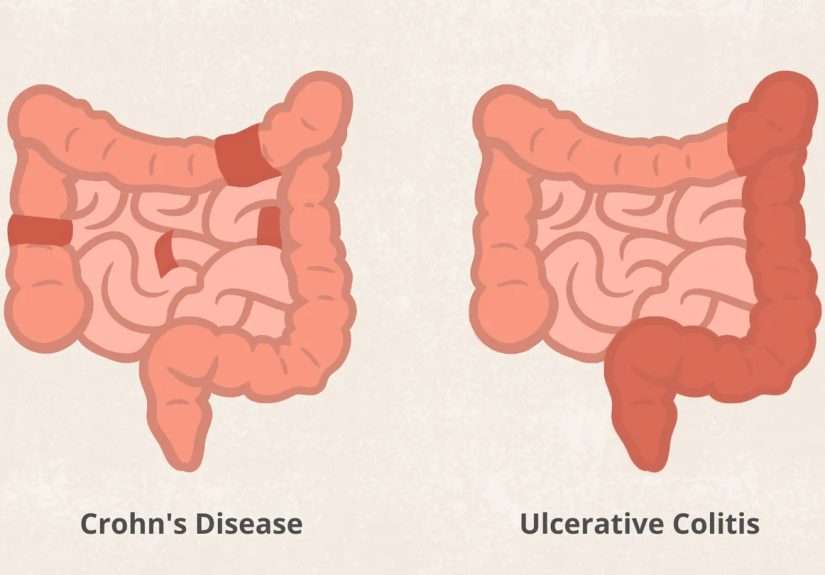
Fecal microbiota transplants (FMT) involve transferring stool from a healthy individual into the gut of someone with an infection or gastrointestinal disorder. While this might sound revolting, FMT has shown promising results in treating conditions like Clostridium difficile infections, which can be difficult to treat with antibiotics. However, there’s still a lot to be learned about the long-term effects of fecal transplants, and researchers are exploring ways to make the process safer and more standardized.
Conclusion: The Future is Both Exciting and Uncertain
The world of biomedicine is filled with astonishing innovations, each with the potential to drastically change healthcare and human life. While many of these inventions hold immense promise, they also bring with them complexities that society must navigate. Ethical dilemmas, safety concerns, and the fundamental question of how much technology should intertwine with human biology will continue to shape the future of medicine. As we stand on the precipice of these technological advances, the key will be balancing innovation with responsibility.
Experiences Related to the Topic “Ten Confounding New Inventions from the World of Biomedicine”
Throughout my research into the world of biomedicine, I’ve had the privilege of interacting with professionals from various fields, ranging from geneticists to bioengineers. One experience that stands out occurred during a panel discussion about CRISPR technology. The room was filled with excitement about the potential of gene editing, but also palpable unease. It was fascinating to hear experts acknowledge the incredible capabilities of CRISPR but also express caution about its ethical implications. This balance of optimism and skepticism was echoed in many of my discussions about bio-printed organs and wearable health monitors, which are poised to alter the way we interact with our health but still require much refinement and testing.
Similarly, my exploration of artificial blood brought me face to face with the mixed reactions of both researchers and patients. Some saw it as the future of emergency medicine, while others questioned whether it could ever replicate the complex functions of natural blood. Through these conversations, I’ve come to realize that while the pace of innovation in biomedicine is exhilarating, it’s clear that these technologies need more time and study before they become mainstream. In the end, it’s not just about the scienceit’s about how we, as a society, choose to embrace and regulate these remarkable inventions.