Table of Contents >> Show >> Hide
- What Happened in the Paris Hilton Fridge Recall?
- Why So Many People Bought a Beauty Fridge in the First Place
- Which Units Were Affected?
- What Owners Were Told To Do Next
- The Real Consumer Lesson: Cute Appliances Still Need Boring Safety Standards
- Was a Beauty Fridge Ever Really Necessary?
- What This Recall Means for Retailers and Brands
- Experiences People May Recognize After a Recall Like This
- Final Thoughts
Some products are designed to keep things cool. This one, unfortunately, made headlines for doing the exact opposite.
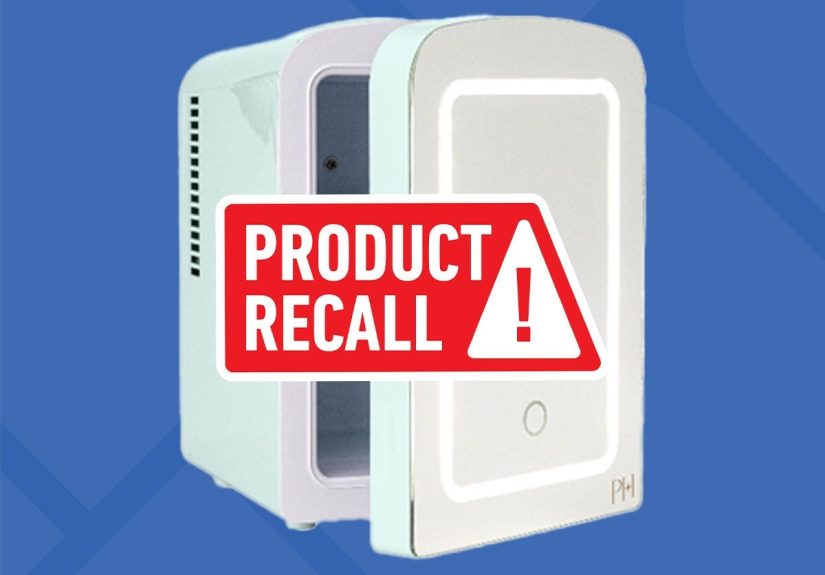
The Paris Hilton Mini Beauty Fridge recall is the kind of story that practically writes its own jokes. A pink, celebrity-branded appliance with a slogan-adjacent vibe of that’s hot ends up being recalled because it may get too hot. The irony is almost obnoxiously perfect. But beneath the meme-ready headline is a very real consumer safety issue: the official recall covered about 110,000 units, and federal safety officials said the affected mini fridges could overheat because of an electrical switch that may short-circuit.
That matters because these weren’t giant kitchen appliances tucked away in a garage. These were compact “beauty fridges,” the kind people keep on vanities, bathroom counters, dorm shelves, and bedroom dressers to chill sheet masks, serums, eye creams, and the occasional emotional support sparkling water. In other words, they were bought for convenience, aesthetics, and a little bit of luxury. No one signs up for the bonus feature called “possible fire hazard.”
This recall also says something bigger about the current consumer landscape. The modern home is full of cute little gadgets marketed as lifestyle upgrades: countertop ice makers, mini waffle irons, portable blenders, compact fridges, LED mirrors, and all manner of “small but fabulous” devices designed to look great on social media. Most are harmless and handy. But the Paris Hilton fridge recall is a reminder that when style meets electricity, safety had better be the grown-up in the room.
What Happened in the Paris Hilton Fridge Recall?
The recall involved the Paris Hilton Mini Beauty Fridge in 4-liter and 10-liter versions. The 4-liter models were sold in pink, white, aqua, and hot pink, while the 10-liter versions were sold in pink and white. According to the official recall details, only units manufactured before August 2024 were included, and the affected products were identified by specific model numbers and serial-number ranges.
The heart of the problem was the electrical switch. Safety officials said it could short-circuit, which in turn could cause the unit to overheat and create a fire and burn hazard. That is a very different situation from a fridge merely running warm or failing to chill your jade roller. This was not about disappointing performance. It was about a product allegedly crossing into unsafe territory.
The recall notice said there had been at least 27 reports of the mini fridges overheating or catching fire. No injuries were reported, which is the good news. The bad news is that there was reported property damage, and with an electrical device, that is enough to make the whole thing more than a quirky celebrity-product mishap.
The products were sold from November 2022 through July 2025 at Walmart, Ross, Walmart.com, Amazon.com, and other online retailers. The smaller model sold for about $30, and the larger one for about $60. That price point helps explain why the product had such broad appeal. It was affordable enough to feel like an impulse buy, giftable enough to land in carts during birthdays and holidays, and branded just glamorously enough to feel more exciting than a generic white box with a plug.
Why So Many People Bought a Beauty Fridge in the First Place
To understand why this recall got so much attention, it helps to understand the beauty-fridge phenomenon. A few years ago, skincare fridges were one of those internet-era lifestyle inventions that sounded equal parts extra and genius. The sales pitch was simple: keep your skincare products cool, organized, and separate from your actual food. In theory, a chilled eye cream feels soothing, a cold sheet mask feels luxurious, and your bathroom counter suddenly looks like it belongs to a very well-lit influencer with excellent boundaries.
Beauty outlets and consumer publications helped turn skincare fridges into a category, not just a random gadget. They were pitched as cute, compact, photogenic, and surprisingly practical for people who liked cold face mists, under-eye patches, or a vanity setup that looked a little more curated than chaotic. Some even included mirrors, warming modes, or retro styling that made them feel less like appliances and more like decor with a power cord.
But there was always a split opinion underneath the trend. Dermatology guidance has generally been much less dramatic than beauty marketing. In plain English: a skincare fridge can be nice, but it is not a necessity for most people. Chilled products may feel soothing, and some items such as eye creams or sheet masks can be pleasant to use cold. Still, experts have also noted that many skincare products do just fine at room temperature and do not suddenly become magical because they spent the night next to a tiny LED light.
That tension is part of why this recall stands out. Beauty fridges were sold as a fun upgrade, not an essential appliance. So when one gets recalled for a fire risk, consumers understandably start asking whether the “cute little extra” was worth the risk, the clutter, the money, or the hassle in the first place.
Which Units Were Affected?
Consumers were told to check the model number and serial number on their unit. For the 4-liter models, the label was located on the back. For the 10-liter models, it was located on the bottom. Only certain units were part of the recall, which means not every Paris Hilton-branded fridge was automatically included.
Affected categories included:
- 4-liter units in pink, white, aqua, and hot pink
- 10-liter units in pink and white
- Units manufactured prior to August 2024
- Specific model and serial-number ranges identified in the official recall notice
That detail matters because recall stories often trigger a wave of panic-buyers-turned-panic-Googlers. People remember the color, vaguely remember buying it from a big retailer, and then stare at the appliance like it is suddenly suspicious. The safest move was exactly what the recall instructed: verify the label, stop using the unit if it matched the recall, unplug it, and begin the refund process.
What Owners Were Told To Do Next
Once a consumer confirmed they had a recalled unit, the instructions were refreshingly direct. Stop using the fridge immediately. Unplug it. Register for the recall online. Then complete the refund steps.
Those refund steps were not just a casual “click here and vibes will handle the rest.” Consumers were told to submit three photographs: one of the fridge door with the word “RECALL” written on it in permanent marker, one showing the model and serial label, and one showing the cut, unplugged power cord. After that, the product had to be discarded according to local and state regulations.
There is something very modern about that process. You buy a cute vanity appliance online in two clicks, and if it goes sideways, your path to a refund includes a mini at-home evidence shoot starring a Sharpie, a severed cord, and your increasingly annoyed expression. Efficient? Maybe. Glamorous? Not exactly.
Still, the process makes sense from a recall-management standpoint. Companies want proof that the item is affected and that it will not stay in circulation. Consumers want a refund and a clear path forward. In this case, the remedy was a refund, not a repair kit or replacement part, which tells you a lot about how the issue was being handled.
The Real Consumer Lesson: Cute Appliances Still Need Boring Safety Standards
Celebrity branding can sell a mood faster than it sells a spec sheet. That is not unique to Paris Hilton. It is just how lifestyle products work now. A familiar face, a recognizable aesthetic, a clever color palette, a catchy phrase, and suddenly a tiny fridge feels less like an appliance and more like an identity purchase.
But electricity does not care about branding. Neither do short circuits.
The lesson here is not that celebrity products are automatically bad. Plenty are perfectly fine. The lesson is that consumers should evaluate small appliances the same way they evaluate large ones: What company stands behind it? Is there a clear warranty? Are replacement or recall procedures easy to find? Are there recurring complaints about overheating, noise, condensation, or units dying early? Does the product’s design seem engineered for durability, or mainly for the shelfie?
That last question may sound snarky, but it is fair. A lot of compact beauty devices live in the overlap between utility and decoration. Review roundups in the skincare-fridge category often highlight factors like capacity, temperature range, portability, noise, and condensation. That means buyers are already aware these products live or die on build quality, not just looks. When a recall hits, it pushes that issue from “annoying customer review” into “actual safety concern.”
Was a Beauty Fridge Ever Really Necessary?
This recall also revives an older question: did people need beauty fridges, or just enjoy the idea of them? The honest answer is probably both, with the emphasis on “enjoy.”
For some users, a beauty fridge really does make daily routines nicer. Cold under-eye masks can feel great. Chilled face mists on a hot day are delightful. Keeping skincare separate from food is convenient. And if you live in a warm climate or have a bathroom that feels like a steam room by 8 a.m., a cooler environment for certain products may feel worthwhile.
But the expert consensus has never exactly screamed, “Run, do not walk, to buy a dedicated skincare refrigerator.” The more measured view is that these fridges are optional luxuries. That makes this recall especially awkward. When an optional luxury becomes a safety headache, the product starts looking less like self-care and more like a very tiny example of modern overconsumption in pastel form.
That does not mean the entire category is doomed. It does mean shoppers may become more skeptical. And honestly, skepticism is underrated.
What This Recall Means for Retailers and Brands
Retailers such as Walmart and Amazon move enormous volumes of compact appliances, especially products that sit in that sweet spot between affordable and giftable. A recall like this is a reminder that high-velocity retail does not eliminate the need for strong product oversight. If anything, it makes that oversight more important. A low-cost item sold at scale can become a large safety problem very quickly.
For brands, the recall is a reputation test. Consumers do not always distinguish cleanly between the importer, the manufacturer, the retailer, and the celebrity whose name is on the front. They just remember the product name. That means every recall becomes, in part, a branding story. The faster, clearer, and more consumer-friendly the response, the better the odds of limiting long-term damage.
And for shoppers, the takeaway is simple: register products when you can, pay attention to recall notices, and do not assume a small appliance is “too small to matter.” A tiny fridge can still create a big problem.
Experiences People May Recognize After a Recall Like This
There is also the human side of a product recall, and it is rarely captured by the official language. The notice says “stop using the unit immediately,” but the real-life version is usually messier. First comes confusion. You see a headline, maybe on your phone while half-awake, and think, “Wait, do I own that?” Then comes the weird little walk to the bathroom, bedroom, or vanity corner where the fridge lives. Suddenly an object you barely thought about yesterday has become the most suspicious thing in the room.
Then comes the inspection phase. You turn it around, crouch down, look for the label, wipe off a little dust, squint at the serial number, and compare it with the recall details like you are cracking a code. If it matches, the mood changes fast. Even if your unit never gave off a smell, never ran hot, never made a strange sound, the trust is gone in an instant. That is one of the oddest parts of a recall: the product may look perfectly normal while feeling completely different. It goes from “cute little fridge” to “thing I want unplugged immediately.”
There is also the annoyance factor, which is real and deserves more respect than it usually gets. Consumers did not just buy a box with a cord. They built routines around it. Maybe it held under-eye masks before work. Maybe it stored migraine patches, skincare serums, or a face mist that made summer mornings more tolerable. Maybe it sat on a dorm desk and doubled as a personal snack spot. Once it is recalled, that whole tiny ritual gets interrupted. And because the product is small and inexpensive, the hassle can feel weirdly bigger than the price tag. A $30 or $60 purchase can still cause a very $300-level headache.
The refund process creates another layer of experience that plenty of shoppers will find familiar. You are no longer simply returning a product. You are documenting it. Writing “RECALL” across the door with a marker feels dramatic, almost accusatory. Cutting the cord makes the whole thing final. Taking photos of the evidence turns a normal consumer problem into a miniature administrative project. None of that is unusual in recall land, but it does reveal the hidden labor consumers absorb whenever a product fails in a serious way.
And then there is the emotional aftertaste: the small but persistent feeling that maybe you got sold a vibe more than a reliable appliance. That part stings because modern shopping is full of products designed to feel aspirational. A beauty fridge is not just storage. It is a promise of a calmer, prettier, more organized life. When that object ends up in a recall notice, the disappointment is about more than the product itself. It is about the gap between marketing fantasy and boring physical reality.
That is why this story has landed with so many people. It is not only about Paris Hilton or pink fridges or internet beauty culture. It is about the everyday consumer experience of buying something fun, trusting that it is safe, and then finding out later that safety was the one feature you should have taken for granted. In that sense, the recall is bigger than the appliance. It is a reminder that even our smallest conveniences deserve serious scrutiny, especially when they plug into the wall and live close to the places where we sleep, store our belongings, or get ready every morning.
Final Thoughts
The Paris Hilton Mini Beauty Fridge recall is memorable because it sits at the crossroads of celebrity branding, beauty culture, impulse shopping, and consumer safety. It is easy to laugh at the irony. A product associated with chic, cool-girl glamour gets recalled for overheating. The jokes write themselves. But the bigger story is more useful than the punchline.
About 110,000 units were affected. Officials cited a fire and burn hazard. Consumers were told to stop using the product, document it, and seek a refund. That is the serious part. The broader takeaway is that no appliance is too cute, too trendy, or too inexpensive to deserve scrutiny. Shoppers should bring the same common-sense questions to vanity gadgets that they bring to coffee makers, air fryers, and space heaters.
Because in the end, “that’s hot” works best as a catchphrase, not a recall notice.