Table of Contents >> Show >> Hide
- What “Most Expensive” Really Means (And Why Budgets Get Messy)
- The 16 Most Expensive Movies Ever Made
- 1) Star Wars: The Rise of Skywalker (2019) about $490M net (reported total near $594M)
- 2) Jurassic World Dominion (2022) about $465M
- 3) Jurassic World: Fallen Kingdom (2018) about $465M (often reported around $430M+)
- 4) Star Wars: The Force Awakens (2015) about $447M net
- 5) Deadpool & Wolverine (2024) about $429M net (reported “half a billion” total)
- 6) Fast X (2023) about $379M net (reported costs far higher before reimbursements)
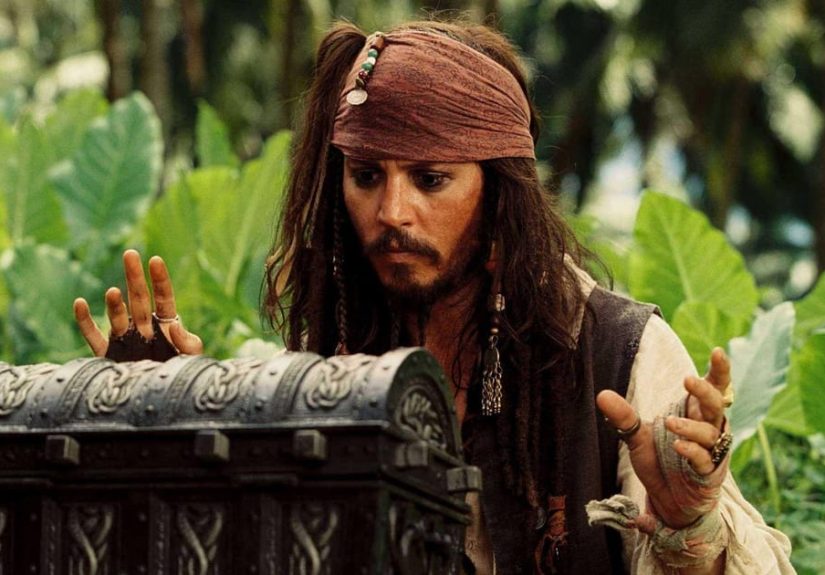
- 7) Pirates of the Caribbean: On Stranger Tides (2011) about $379M
- 8) Avengers: Age of Ultron (2015) about $365M
- 9) Avengers: Endgame (2019) about $356M
- 10) Indiana Jones and the Dial of Destiny (2023) about $352M (reported totals exceeding $400M)
- 11) Doctor Strange in the Multiverse of Madness (2022) about $351M net (reported costs over $400M)
- 12) Avatar: The Way of Water (2022) about $350M (often reported in the $350M range)
- 13) Ant-Man and the Wasp: Quantumania (2023) about $330M
- 14) Avengers: Infinity War (2018) often cited around $325M (some sources report lower estimates)
- 15) The Electric State (2025) about $320M
- 16) The Marvels (2023) about $307M net (reported total around $374M)
- So… Why Do These Movies Cost That Much?
- What a $350M Production Actually Buys
- How to Tell When a Budget Is Headed for the Stratosphere
- Experiences: What Mega-Budget Movies Feel Like (500+ Words)
- Conclusion
Movie budgets are like “estimated delivery times”: technically real, emotionally fictional.
A studio might announce a nice, round number (“about $200 million”), then a few years later a filing,
a tax-credit report, or a very honest accountant quietly reveals the true number was more like
“$200 million… plus a small moon.”
In this guide, we’re looking at the most expensive movies ever made using widely reported
production costs (not marketing), andwhen availablefigures derived from official filings and reimbursement/tax-credit data.
Because studios don’t publish budgets in a standardized way, think of these as the best-supported public estimates,
not divine revelations etched onto a clapperboard.
What “Most Expensive” Really Means (And Why Budgets Get Messy)
When people say “this movie cost $350 million,” they usually mean production spendpaying cast and crew,
building sets, renting stages, traveling, filming, feeding everyone (yes, catering is a line item that can haunt you),
plus post-production like editing, sound, and visual effects. Marketing (ads, trailers, global premieres, tie-ins)
is often separate and can be enormous, but it’s not the focus here.
Also, you’ll see two kinds of numbers:
gross cost (total spend) and net cost (after reimbursements like tax incentives).
Some of the biggest “true cost” numbers come from places like the U.K., where filings and reimbursements are public enough
to let reporters estimate more precisely.
The 16 Most Expensive Movies Ever Made
Below are sixteen mega-budgets that earned a place in the “how did it cost that much?” hall of fameplus the key reasons
those costs can skyrocket.
1) Star Wars: The Rise of Skywalker (2019) about $490M net (reported total near $594M)
- Massive VFX workload: big space battles, digital creatures, and galaxy-scale set pieces aren’t made with glitter glue.
- Late-stage changes: extensive post work and revisions can turn “fix it in post” into “fund it in post.”
- Blockbuster logistics: multiple units, large crews, long schedules, and premium talent costs add up fast.
2) Jurassic World Dominion (2022) about $465M
- COVID-era production realities: prolonged schedules and safety protocols can stretch budgets like taffy.
- Enormous ensemble + dinosaurs: you’re paying humans and the digital equivalent of a full zoo.
- Global-scale production: large locations, heavy stunt work, and lengthy post-production pipelines.
3) Jurassic World: Fallen Kingdom (2018) about $465M (often reported around $430M+)
- VFX-heavy action: dinosaurs in fire, in cages, in chaoseach scenario adds complexity.
- Big set builds and destruction: large practical builds plus digital augmentation is a “two receipts” lifestyle.
- High-end production expectations: premium crews, extended post, and franchise-level polish.
4) Star Wars: The Force Awakens (2015) about $447M net
- Re-launching a cultural giant: the pressure to “get it right” can mean more time, more takes, more everything.
- Practical sets + VFX: building real ships/sets and then enhancing them digitally is expensive (and gorgeous).
- Top-tier talent across the board: cast, crew, facilities, and post vendors at blockbuster rates.
5) Deadpool & Wolverine (2024) about $429M net (reported “half a billion” total)
- Event-movie pricing: when you combine major stars, high expectations, and franchise scope, costs rise fast.
- Effects + action + comedy timing: big action isn’t cheap, and comedic “precision” often means more iterations.
- Big brand standards: the larger the audience, the more expensive “good enough” becomes.
6) Fast X (2023) about $379M net (reported costs far higher before reimbursements)
- Action escalation: cars, stunts, and destruction sequences scale like a video game upgrade tree.
- Global locations and logistics: moving a massive crew is a budget line that never stops eating.
- Delays and resets: changes midstream can multiply costs, especially on a huge machine like this.
7) Pirates of the Caribbean: On Stranger Tides (2011) about $379M
- Water work: ocean filming, ships, storm sceneswater is beautiful and financially terrifying.
- Period costumes + sets: historical worlds require detail, and detail is not on sale.
- Creature/VFX needs: mermaids, ships, battles, and fantasy visuals raise post-production demands.
8) Avengers: Age of Ultron (2015) about $365M
- Huge cast and scale: multiple A-list heroes means multiple A-list checks.
- Global destruction set pieces: “save the world” is rarely a modest line item.
- Heavy VFX: large CG characters and environments across long action sequences.
9) Avengers: Endgame (2019) about $356M
- Gigantic ensemble: coordinating schedules, contracts, and screen time at this level is a full-time job for reality itself.
- Effects marathon: major battles, digital doubles, complex environments, and constant refinement.
- Two-movie production intensity: the broader Infinity Saga finale demanded top-tier resources.
10) Indiana Jones and the Dial of Destiny (2023) about $352M (reported totals exceeding $400M)
- Period adventure demands: elaborate set pieces, travel, and stunts done “for real” are costly.
- De-aging and VFX: high-end facial work is some of the most expensive (and time-consuming) VFX there is.
- Long production runway: extended schedules can quietly balloon budgets.
11) Doctor Strange in the Multiverse of Madness (2022) about $351M net (reported costs over $400M)
- “Multiverse” = multiple realities to build: new worlds, new rules, new VFX shots… repeatedly.
- High post-production complexity: creature work, magic effects, environment builds, compositing.
- Iteration-heavy filmmaking: big VFX films often go through many versions before final delivery.
12) Avatar: The Way of Water (2022) about $350M (often reported in the $350M range)
- Underwater performance capture: specialized tech, training, and capture methods raise costs dramatically.
- R&D-level filmmaking: developing tools to do something new is expensive… because it’s new.
- Long timeline: long development and production schedules increase overhead.
13) Ant-Man and the Wasp: Quantumania (2023) about $330M
- Quantum environments: large portions of the film rely on digital world-building.
- VFX volume: heavy CG shots require time, teams, and rework as story beats change.
- Franchise-level polish: Marvel-scale finishing is meticulous (and therefore pricey).
14) Avengers: Infinity War (2018) often cited around $325M (some sources report lower estimates)
- Massive cast + Thanos-level VFX: a central digital character with nuanced performance is a premium undertaking.
- Back-to-back scale: planning and building the finale required enormous up-front investment.
- Global production footprint: multiple locations and extended shooting schedules.
15) The Electric State (2025) about $320M
- Robot-heavy storytelling: whether practical, CG, or hybrid, robots are expensive scene partners.
- Big-name cast + streaming scale: streaming “tentpoles” compete with theatrical blockbusters in scope.
- World-building: alternate-history sci-fi requires design and effects at nearly every step.
16) The Marvels (2023) about $307M net (reported total around $374M)
- Effects-driven superhero action: powers, environments, and cosmic visuals multiply post needs.
- Extended post-production: complex films can accumulate costs over time as sequences evolve.
- High-end production standards: premium crews, vendors, and finishing work.
So… Why Do These Movies Cost That Much?
1) Visual effects aren’t “one thing”they’re a factory
A modern blockbuster can contain thousands of VFX shots. Each shot may involve modeling, animation,
simulation (fire, water, smoke), lighting, compositing, and revisions. And revisions don’t happen once.
They happen until the day you export, and sometimes until the day you sleep again.
2) Time is money, and delays are “time squared”
Delays don’t just add extra days of filming. They extend rentals, keep teams on payroll longer, push vendor schedules,
and sometimes force expensive reshoots or re-staging. In the pandemic era, productions added testing, compliance teams,
shutdown buffers, and contingency planning that didn’t exist at the same scale before.
3) A-list casts and directors carry A-list price tags
Star salaries aren’t inherently bad; they can be the reason a movie gets financed and watched.
But once your cast includes multiple top-tier names, the budget gets heavy fast. Then add stunt teams,
second units, travel, and premium insurancebecause when your lead actor is the brand, the insurer becomes your co-writer.
4) Practical spectacle costs real money (and often saves the movie)
Big sets, real locations, complex stunts, water tanks, ships, vehicles, and period costumes are expensive.
But they can also make a movie feel tangible. The irony is that the “expensive practical stuff” often needs VFX anyway
not to replace it, but to enhance it.
5) Franchise expectations raise the “minimum acceptable quality”
With global tentpoles, the goal isn’t merely “good.” It’s “good on an IMAX screen in a premium theater in a dozen time zones.”
That means higher-end cameras, more elaborate sound design, more detailed color grading, and effects that hold up when paused,
zoomed, memed, and rewatched.
What a $350M Production Actually Buys
If you’ve ever wondered where the money goes (besides “onto the screen”), here’s a simplified view of common cost buckets:
- Above-the-line: major cast, director, producers, writers (the names you see in the trailer).
- Below-the-line: crew payroll, equipment, sets, props, costumes, locations, transportation, catering.
- Stunts and action: specialized teams, safety coordinators, rigging, vehicles, rehearsals.
- Post-production: editing, sound, music, ADR, mixing, grading, and enormous VFX vendor networks.
- Overhead and contingency: insurance, permits, compliance, unexpected delays, and “we didn’t plan for that” moments.
How to Tell When a Budget Is Headed for the Stratosphere
Want to spot a mega-budget early? Look for:
- Heavy CG characters with emotional close-ups (harder than explosions).
- Multiple world locations plus large-scale set pieces.
- Long productions and stories of reshoots or major creative changes.
- Ambitious new tech or first-time production methods.
- Franchise “finale” pressure where nothing can feel small.
Experiences: What Mega-Budget Movies Feel Like (500+ Words)
Big-budget films aren’t just expensive to makethey’re expensive to experience, in the sense that they’re designed to
overwhelm your senses and justify leaving your couch. Even if you’re watching at home, you can usually feel the fingerprints
of scale: crowds that look truly massive, environments that seem too detailed to be accidental, action sequences that unfold
with the confidence of a production that had enough resources to plan, test, rebuild, and polish.
For many viewers, the most noticeable “high budget” sensation is density. In a smaller movie, a scene might do one thing:
deliver a joke, land a scare, push the plot. In a mega-budget movie, a scene often tries to do three things at once
advance story, showcase spectacle, and serve as a trailer moment. That’s why you’ll see layered backgrounds, constantly moving
extras, and environments filled with props, vehicles, or digital life. It’s not just decoration; it’s a signal: you are watching an event.
Another experience is precision. The difference between “good VFX” and “expensive VFX” is often the tiny stuff:
skin translucency, believable reflections, realistic water interaction, perfect matchmoving, consistent lighting across a long sequence.
That kind of work doesn’t come from one genius pressing a magic button. It comes from pipelines, teams, and timeplus the willingness
(and budget) to revise shots again and again until they stop looking like “effects” and start looking like “reality.”
Mega-budget productions also create a unique kind of cultural experience: the “communal watch.” Big franchise films become appointment viewing,
even in the streaming era. People want to see them early to avoid spoilers, to participate in the conversation, and to feel that rare
“packed theater” energy where laughter and gasps bounce around the room like pinballs. That experiencewhile not strictly a line item
is one of the reasons studios justify massive spending. A movie that feels like a once-in-a-year event can drive ticket sales, premium format
upgrades, repeat viewings, and long-tail franchise value.
On the craft side, the experience of these films often comes down to logistics you never see. When you watch a globe-trotting chase,
you’re seeing travel, permits, location scouting, local crews, transportation, security, equipment moves, and contingency plans for weather or delays.
When you watch a huge battle, you’re seeing stunt rehearsals, safety teams, second units, previs and techvis planning, and post teams stitching it all
together. The end result feels effortlesslike the camera simply wandered into a perfectly timed explosionbut the real “expensive” experience is that
hundreds (sometimes thousands) of people made it look effortless.
And then there’s the strangest experience of all: sometimes the most expensive movies don’t look expensive.
If the money went into fixing problems (delays, resets, reshoots, complicated post), the audience may only notice that the film feels “normal.”
That’s the paradox of blockbuster budgets: the more money you spend correcting course, the less flashy the spending appears. In other words,
an eye-watering budget doesn’t guarantee a better movieit often guarantees that a very complicated movie survived the process of being made.
Conclusion
The most expensive movies ever made usually share the same DNA: massive spectacle, heavy visual effects, A-list talent, long schedules,
and a whole lot of pressure to deliver something that feels bigger than life. Add delays, tech innovation, global logistics, or extensive revisions,
and budgets can soar into territory that would make even a dragon ask for a payment plan.