Table of Contents >> Show >> Hide
- Quick Snapshot: Which Feeder Fits Your Backyard?
- How BHG Tested (and Why It Matters)
- The 5 Best Bird Feeders (BHG-Tested Picks)
- 1) Best Overall: Netvue Birdfy Feeder AI (Smart Camera Feeder)
- 2) Best Budget: Gray Bunny Ground Bird Feeder Tray (Ground/Tray Feeder)
- 3) Best for Windows: Nature’s Hangout Window Bird Feeder (Window-Mounted Feeder)
- 4) Best Squirrel-Proof: Audubon Caged Tube Bird Feeder (Caged Small-Bird Feeder)
- 5) Best for Finches: Perky-Pet Finch Bird Feeder (Finch-Friendly Hanging Feeder)
- Buying Smarter: What to Look for in a Bird Feeder
- Seed & Food Pairings That Actually Make Sense
- Where to Put a Bird Feeder (Without Creating a Bird Hazard)
- Cleaning & Maintenance: Keep It Fun, Not Funky
- So…Which One Should You Buy?
- Extra: of Bird Feeder “Been There” Experience (So You Don’t Have To)
- Conclusion
Bird feeders are basically tiny neighborhood dinersexcept the regulars are feathered, the dress code is “whatever fits under my wings,”
and one extremely determined squirrel keeps trying to dine-and-dash with an entire buffet.
Better Homes & Gardens (BHG) tested bird feeders over about a month, judging design, bird activity, ease of setup/refilling,
cleaning, durability, and how well each feeder handled “uninvited guests” like squirrels and chipmunks. In other words: the kind of real-life
backyard chaos your shopping cart deserves to be prepared for.
This guide rewrites and expands on BHG’s five top-tested picks, then layers in practical, science-backed bird-feeding advice from
major U.S. bird organizations, universities, and public health guidanceso your feeder station is not only popular, but also safer and easier
to maintain.
Quick Snapshot: Which Feeder Fits Your Backyard?
- Want the most “wow” factor? Choose the smart feeder with a camera and bird ID features.
- Fighting squirrels daily? Pick a caged feeder that blocks larger pests while letting small songbirds in.
- Love close-up birdwatching? A window feeder turns your kitchen into a tiny nature documentary studio.
- Trying to attract finches? Go with a finch-friendly design that supports clinging and reduces soggy seed.
- Have ground-feeding birds (or you’ve accepted squirrels as roommates)? A tray feeder keeps things simple.
How BHG Tested (and Why It Matters)
BHG’s process looked at what you actually live with: setup and instructions, refilling convenience, seed flow, bird access,
deterrence for squirrels/chipmunks, cleaning effort, and how well a feeder holds up outside. That combination matters because a feeder can be
“cute online” and still be a cleaning nightmare, a mold risk, or a squirrel’s personal victory lap.
The 5 Best Bird Feeders (BHG-Tested Picks)
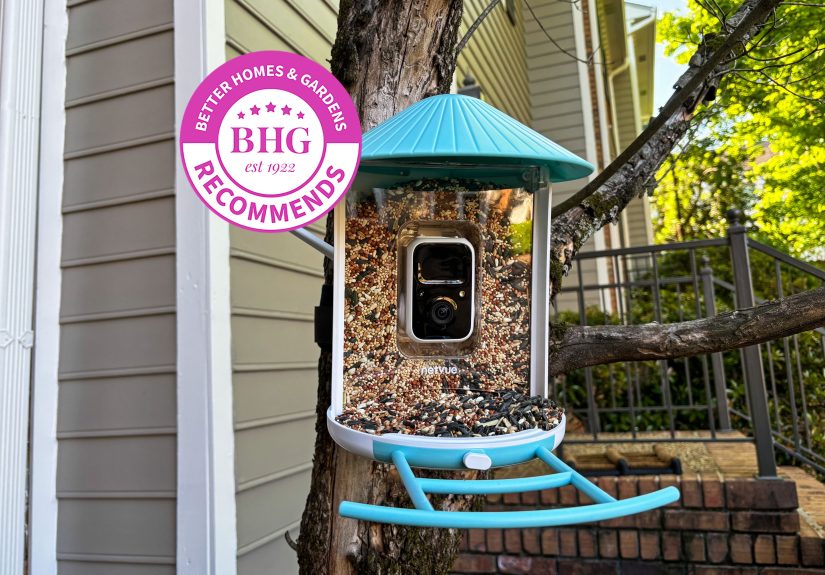
1) Best Overall: Netvue Birdfy Feeder AI (Smart Camera Feeder)
If you’ve ever wished your backyard birds came with subtitles, this smart feeder is your closest legal option.
BHG’s top overall pick stands out for its built-in camera experience and app-based viewingplus bird identification features that can help
you learn which species are actually visiting (and which ones are just showing up for the snacks and vibes).
Why it shines: It’s designed to make birdwatching easy even when you’re not parked by the window. The seed dispensing
is intended to be steady (not a “seed avalanche”), and the feeder is built to handle normal outdoor weather without falling apart at the first
sign of dramatic clouds.
Keep in mind: It’s not fully squirrel-proof. If you have athletic squirrels, you may still need a placement strategy
(more on that below) or a separate squirrel deterrent like a baffle.
- Best for: Birdwatchers, families, beginners who want instant engagement, and anyone who loves saving photos/videos.
- Pair it with: Black oil sunflower seed to attract a wide range of backyard birds.
2) Best Budget: Gray Bunny Ground Bird Feeder Tray (Ground/Tray Feeder)
A tray feeder is the “open patio seating” of bird feeding: easy access, simple setup, and a social scene that can get lively.
BHG liked this pick for its straightforward designfill it, set it down, and let ground-feeding birds get to work.
Why it shines: Ground-feeding species (think doves and other birds that prefer not to cling to tiny perches) can use it
comfortably. Cleaning tends to be simpler than complicated hopper/tube designs because you’re not trying to scrub inside a narrow seed tunnel
with the world’s saddest bottle brush.
Keep in mind: Ground access also means squirrels and chipmunks may treat it like an all-you-can-eat grand opening.
You’ll likely refill more oftenand that’s normal for tray feeding.
- Best for: Ground feeders, budget shoppers, and folks who want the simplest setup possible.
- Pro tip: Use trays as part of a “feeder buffet” with at least one hanging feeder too, so more species can dine.
3) Best for Windows: Nature’s Hangout Window Bird Feeder (Window-Mounted Feeder)
Window feeders are basically birdwatching with premium seating. This BHG pick attaches directly to glass using suction cups
so you can watch from insidecoffee in hand, smugly pretending you’re not watching a sparrow chew like it’s reviewing a steak.
Why it shines: It’s easy to install, and when mounted well on clean glass it can stay put through real weather.
BHG also noted squirrels struggled to access it, which is a nice bonus if you’d rather not host the “Squirrels of the Month” club.
Keep in mind: Birds may treat window feeders like a quick snack stop rather than a long hangout. If you want “linger time,”
add nearby cover (shrubs/trees at a safe distance) and keep seed fresh.
- Best for: Apartments, small yards, close-up viewing, and casual birdwatching.
- Safety note: Manage window-collision risk using the “close or far” rule: place feeders very close to glass (within ~3 feet)
or far away (more than ~30 feet), and consider bird-safe window treatments.
4) Best Squirrel-Proof: Audubon Caged Tube Bird Feeder (Caged Small-Bird Feeder)
If your backyard squirrels have PhDs in problem-solving, a caged feeder is the “sorry, members only” sign you’ve been looking for.
BHG’s squirrel-proof pick uses a protective outer cage that blocks larger animals while allowing smaller birds to reach the feeding ports.
Why it shines: It’s designed to deter squirrels effectively in high-squirrel areas. It also tends to reduce seed waste because
only smaller birds can feed comfortably. That can mean fewer spilled seeds and less of a “free floor buffet.”
Keep in mind: Caged feeders are intentionally selectiveso if you’re hoping to host bigger birds (jays, grackles, etc.),
this won’t be your main station.
- Best for: Finches, chickadees, and other small songbirdsespecially in squirrel-heavy neighborhoods.
- Pair it with: Safflower or sunflower seed to attract many songbirds while discouraging some pests.
5) Best for Finches: Perky-Pet Finch Bird Feeder (Finch-Friendly Hanging Feeder)
Finches don’t just eatthey perform. They cling, flutter, and act like they’re auditioning for a tiny bird ballet.
BHG’s finch pick supports that feeding style, and the design helps keep seed accessible without turning soggy at the first drizzle.
Why it shines: It attracts finches well, requires little setup, and typically includes design features that help seed stay drier
(like drainage points). Less wet seed means less mold risk and fewer “why does this smell like regret?” moments.
Keep in mind: Larger capacity can be a downside if finch traffic is lowolder seed can sit too long. The fix is simple:
fill smaller amounts more frequently so food stays fresh.
- Best for: Goldfinches, house finches, and other small-beaked seed lovers.
- Try this food: Nyjer (thistle) seed for finches, or sunflower chips if you want less mess.
Buying Smarter: What to Look for in a Bird Feeder
1) Easy-to-clean design (your future self will thank you)
A feeder that’s hard to clean is the fastest way to turn “cute hobby” into “why did I do this to myself.”
Many bird organizations recommend cleaning feeders regularlyoften about every one to two weeks, and more often during wet weather or outbreaks.
Look for designs that come apart easily and don’t have unreachable corners where old seed can cake up.
2) Food stays dry, drains well, and doesn’t spoil
Seed that stays wet can mold or clump. Prioritize feeders with drainage holes, seed protection, and a roof/cover when appropriate.
If you live somewhere humid or rainy, smaller fills with more frequent refills can keep food fresher than “mega-loading” a feeder once a month.
3) The right feeder style for the birds you want
Different birds eat differently. Trays and platforms serve ground-feeders and bigger perching birds; tube feeders often help smaller songbirds;
window feeders bring birds close; and finch feeders support clinging and small beaks. A “variety pack” approachtwo or three feeder typesusually
brings the most species.
4) Squirrel strategy: choose your battles
There are two kinds of birders: the ones who think they can outsmart squirrels, and the ones who have met squirrels.
If squirrels are a problem, choose a caged feeder for small birds or use a baffle system and smart placement:
keep poles away from jump-off points (fences, branches), and place baffles high enough to block climbing.
Seed & Food Pairings That Actually Make Sense
- Best “crowd-pleaser” seed: Black oil sunflower seed attracts a wide variety of backyard birds.
- Finch favorite: Nyjer (thistle) seed in a finch-appropriate feeder.
- Less mess option: Hulled sunflower chips/hearts reduce shells under the feeder.
- Ground feeder staple: White proso millet can help draw sparrows, juncos, and other ground-feeders (depending on region).
Where to Put a Bird Feeder (Without Creating a Bird Hazard)
Window collision safety
Birds can strike glass because reflections look like open sky or habitat. Many bird-safety groups promote a practical rule:
place feeders either very close to windows (within about 3 feet) or much farther away (more than about 30 feet).
Close placement reduces the speed birds can build up; far placement reduces the chance they launch directly toward glass.
Even better: add bird-friendly window markers/films/screens where strikes are common.
Predator awareness
Give birds a fair chance. Place feeders where birds can access nearby cover (shrubs/trees) but not so close that a predator can hide and pounce.
If neighborhood cats frequent your yard, consider moving feeders, adding deterrents, or feeding only when you can supervise the area.
Cleaning & Maintenance: Keep It Fun, Not Funky
Seed feeders (most feeders)
A simple routine helps reduce disease risk: empty old seed, scrub away debris, and sanitize regularly. Many bird-health resources recommend
washing about every two weeks (or more often in wet weather), and using a dilute bleach solution (commonly 1 part bleach to 9 parts water)
as an effective sanitizing stepthen rinsing thoroughly and drying completely before refilling.
Hummingbird feeders (if you add one later)
Sugar water can ferment quickly in heat. A common, widely recommended nectar recipe is 1 part white sugar to 4 parts water
(no dyes), with frequent changesevery few days and more often when it’s hot. Clean hummingbird feeders frequently with hot water and a brush,
rinse well, and keep everything fresh.
When to pause feeding
If you notice sick or dead birds near feeding areas, public health guidance has recommended temporarily removing feeders and bird baths for a
period (for example, about two weeks during certain Salmonella advisories), then cleaning thoroughly outdoors. This reduces congregation and
helps break transmission cycles.
So…Which One Should You Buy?
If you want the most engaging “birding experience” and you love learning species names, the smart camera feeder is the flashy pick.
If squirrels are your nemesis, the caged feeder can protect seed and sanity. If you want close-up joy without stepping outside,
the window feeder is a daily mood booster. For finches, a finch-friendly feeder plus Nyjer can turn your yard into a tiny concert venue.
And if you want the simplest, budget-friendly setupespecially for ground-feeding birdsthe tray feeder keeps it easy.
Extra: of Bird Feeder “Been There” Experience (So You Don’t Have To)
Let’s talk about the part of bird feeding nobody warns you about: it is 40% nature appreciation and 60% learning humility in front of animals
with brains the size of a jellybean… and one squirrel who clearly reads engineering textbooks at night.
The first time you hang a feeder, you expect an instant Disney moment. Instead, you get… nothing. For days. You stare out the window like you’re
waiting for a text back. Then you move the feeder six inches to the left (because obviously that’s the problem), and suddenly the neighborhood
sparrows show up like they’ve been holding meetings about you. This is normal: birds often need time to notice a new food source and decide it’s
safe. Once they do, they become regulars.
Next comes the “seed learning curve.” You buy a bargain seed mix, feel proud of your budgeting skills, and then realize half of it ends up on the
ground like confetti at a parade nobody asked for. That’s when you discover the power of better seed choiceslike black oil sunflower for broad
appealor using the right feeder for the right food. A finch feeder with Nyjer can be the difference between “occasional visitor” and “finch
fan club.”
Window feeders deliver the fastest payoff for pure entertainment. The first close-up chickadee visit feels like you’ve been chosen by a tiny,
winged jury. You’ll notice the birds often grab-and-goespecially at firstso don’t take it personally if they treat your feeder like a drive-thru.
Add fresh seed, keep the tray clean, and they’ll usually build confidence over time.
Then there are squirrels. Some people fight them; others negotiate. A caged feeder is the most emotionally satisfying solution because it’s the
closest you’ll get to watching a squirrel read a “No Entry” sign. But even the best squirrel-proof plan often needs placement strategylike keeping
poles away from launch pads and using a baffle. The hilarious part? When squirrels can’t win, they sometimes “rage snack” on whatever seed hits the
ground. This is where a tray feeder can actually be a peace treaty: let ground critters eat there, while your hanging feeder stays for birds.
Finally, the unglamorous truth: cleaning is what makes bird feeding sustainable. Skipping it is how you end up with clumpy seed, weird smells,
and the sudden realization that you’ve accidentally opened a tiny microbial nightclub. A quick, consistent routineempty, scrub, sanitize, rinse,
drykeeps the station healthier and more attractive. Once cleaning becomes part of your rhythm, bird feeding shifts from “random backyard project”
to a genuinely soothing daily ritual.
Conclusion
The best bird feeder isn’t just the one that attracts birdsit’s the one you’ll actually maintain. BHG’s tested picks cover five real-life needs:
smarter birdwatching, a budget-friendly ground option, close-up window viewing, squirrel-resistant feeding for small birds, and a finch-focused
design that supports natural feeding behavior. Combine the right feeder with smart placement, fresh seed, and a simple cleaning routine, and you’ll
build a backyard setup that’s safer, more active, and a whole lot more funsquirrels included (whether you invited them or not).