Table of Contents >> Show >> Hide
Before dragons were rendered in 4K and superheroes had billion-dollar box-office budgets, fantasy fans got their weekly dose of wonder from grainy TV broadcasts, rabbit-ear antennas, and some truly ambitious practical effects.
The 1970s were a golden age of “small-screen fantasy” a decade when bionic limbs, mystical islands, Greek goddesses, and prehistoric time warps all lived side by side in prime time.
Today, most of these classic 1970s fantasy TV shows are just a click away on streaming, and they’re still packed with charm: big ideas, low-tech magic, and a surprising amount of heart. Below, we rank the best 1970s fantasy TV shows, focusing on cultural impact, imaginative world-building, and just how much fun they are to rewatch now.
How We Ranked These 1970s Fantasy TV Shows
Fantasy on 1970s television often overlapped with science fiction, horror, and superheroes, so this list includes those hybrids, too. To rank the best shows, we looked at:
- Fantasy or supernatural elements – magic, monsters, superpowers, or reality-bending technology.
- Cultural impact – spin-offs, remakes, merchandise, or long-term fan followings.
- Rewatch value – does it still feel entertaining in 2025, or is it only interesting as a time capsule?
- Originality – unique concepts or bold tonal swings that set a show apart.
The Best 1970s Fantasy TV Shows, Ranked
1. The Six Million Dollar Man (1973–1978)
If you grew up in the ’70s, you can probably still hear the iconic sound effect of Steve Austin using his bionic powers.
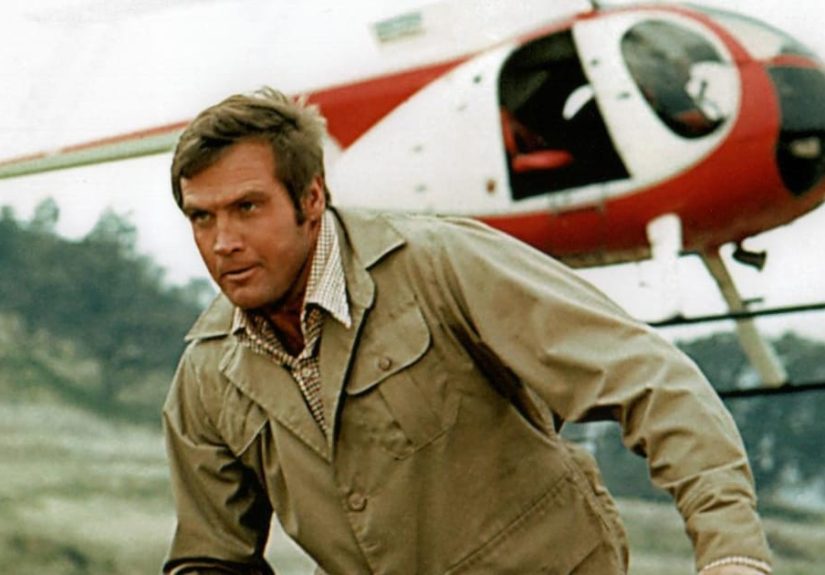
The Six Million Dollar Man follows test pilot and former astronaut Steve Austin, who is rebuilt with bionic limbs and a super-powered eye after a catastrophic crash. His enhanced strength, speed, and vision turn him into a near-superhero who works as a secret agent on high-stakes government missions.
Technically it leans sci-fi, but the “man rebuilt with futuristic powers” premise feels very much like superhero fantasy. The show mixed spy stories, monster-of-the-week episodes, and emotional drama, all carried by Lee Majors’ cool, laconic performance. Its success spawned toys, TV movies, andmost importantly for this listone of the best spin-offs of the decade, The Bionic Woman.
If you’re building a watchlist of classic 1970s fantasy TV shows, this is your bionic starting point.
2. Wonder Woman (1975–1979)
Lynda Carter’s Wonder Woman is the definition of ’70s superhero fantasy: a Greek goddess in a star-spangled costume, deflecting bullets with her bracelets and flying an invisible jet like it’s just another Tuesday. The series, based on the DC Comics character, began in a World War II setting and later shifted to the then-modern 1970s, but always kept its mix of camp, action, and earnest heroism.
What makes this show a fantasy standout isn’t just Diana Prince’s powers. It’s the unapologetically mythic tone: magic lassos that force honesty, ancient gods meddling in human affairs, and a heroine who believes compassion is as powerful as strength. Modern superhero TV owes a lot to this series, and Carter’s portrayal remains so beloved that fans still celebrate anniversaries and special releases nearly fifty years later.
If you want a gateway into 1970s fantasy TV that still feels empowering and fun, start here.
3. The Incredible Hulk (1977–1982)
On paper, a big green rage monster sounds like pure comic-book fantasyand it isbut The Incredible Hulk grounds its premise in surprisingly emotional storytelling. Dr. David Banner accidentally exposes himself to gamma radiation and, when angry or stressed, transforms into the Hulk: a powerful, almost uncontrollable creature portrayed by bodybuilder Lou Ferrigno.
This show stands out because it treats its fantasy element as a curse instead of a wish-fulfillment power-up. Each episode drops Banner into a new town and a new moral dilemma, while he triesand usually failsto keep the Hulk hidden. The series’ blend of melancholy, road-movie structure, and monster-action sequences gives it a unique flavor among 1970s fantasy shows.
It’s less about smashing for fun and more about what it costs to be “special,” something modern superhero dramas are still exploring.
4. The Bionic Woman (1976–1978)
Spun off from The Six Million Dollar Man, The Bionic Woman put Jaime Sommers front and center and proved that female-led fantasy action could absolutely carry prime time. After a devastating accident, Jaime is given bionic legs, an arm, and an enhanced ear, turning her into a super-powered secret agent in her own right.
The series balances high-concept fantasyslow-motion jumps, super-hearing, and epic feats of strengthwith grounded emotional beats. Jaime is allowed to be heroic and vulnerable, navigating relationships, trauma, and questions about who she is beyond her upgrades. The character’s impact is still being celebrated today, and the show continues to be featured in retrospectives about groundbreaking sci-fi and fantasy television.
For viewers used to massive CGI battles, the practical-effects charm and earnest tone of The Bionic Woman feel refreshing. It’s also a perfect companion watch with The Six Million Dollar Man, since the two series cross over and share a connected bionic universe long before “shared universes” became a marketing term.
5. Fantasy Island (1977–1984)
A tropical resort where your deepest wish comes truefor a price. That’s the irresistible hook of Fantasy Island, hosted by the enigmatic Mr. Roarke (Ricardo Montalbán) and his iconic assistant Tattoo. Each episode follows a new set of guests whose fantasies become reality, only to twist into something darker, stranger, or more revealing than they expected.
It’s pure fantasy anthology: one week it’s romantic wish-fulfillment, the next it’s a borderline horror story about greed, guilt, or second chances. The show’s structure let it explore a wide range of tonesfrom sentimental to spookywhile always returning to the central idea that getting exactly what you want might not be the blessing you imagined.
Fantasy Island also became a pop-culture touchstone, referenced in later shows and revived decades later. If you like your fantasy TV episodic, moral, and just a little bit eerie, this ’70s classic deserves a spot near the top of your queue.
6. Land of the Lost (1974–1976)
On Saturday mornings, kids didn’t just watch cartoonsthey visited alternate dimensions. Land of the Lost strands the Marshall family in a prehistoric pocket universe filled with dinosaurs, ape-like Pakuni, and sinister lizard beings called Sleestak. For a children’s show with a modest budget, it built an impressively deep mythology.
The series combined live-action performances with stop-motion dinosaurs and practical sets, creating a fully realized, if slightly wobbly, fantasy world. Linguists even created a constructed language for the Pakuni, giving the show an extra layer of world-building sophistication rarely seen in kids’ TV at the time.
Today, Land of the Lost is one of those shows where the effects may have aged, but the ideas haven’t. It’s a must-watch for anyone who loves portal fantasies, retro creature design, and ambitious storytelling that punches way above a Saturday-morning timeslot.
7. Kolchak: The Night Stalker (1974–1975)
If you’ve ever watched a monster-of-the-week episode of a modern show and thought, “This feels like old-school TV,” you might be feeling the influence of Kolchak: The Night Stalker. The series follows reporter Carl Kolchak, who keeps stumbling onto murders and mysteries caused by vampires, werewolves, and other supernatural threats.
While technically more horror than fantasy, its weekly parade of creatures, curses, and occult storylines secures it a place on any 1970s fantasy TV list. Kolchak’s mix of skepticism, sarcasm, and sheer stubbornness makes him a template for later paranormal investigators on shows like The X-Files.
The season count is short, but the impact is huge. If you like your fantasy tinged with noir and newsroom cynicism, Kolchak is a hidden gem well worth hunting down.
8. Night Gallery (1970–1973)
Before prestige horror anthologies were trendy, Rod Serling followed up The Twilight Zone with Night Gallery, a series of macabre tales introduced through eerie paintings in a shadowy museum. While often labeled horror, the show frequently leans into fantasycurses, supernatural bargains, mythic creatures, and reality-twisting art.
The anthology format allowed for wildly different stories and tones, from tragic ghost stories to darkly humorous pieces. Some segments experimented with themes and visuals that still feel bold today. Modern critics and fans have reevaluated Night Gallery, arguing it deserves a spot alongside the most influential genre series ever made.
For fantasy fans, it offers a darker, moodier counterpoint to the more heroic or adventurous shows on this list. Think of it as the sophisticated, slightly sinister side of 1970s fantasy TV.
Honorable Mentions
Not every beloved 1970s fantasy series made the main ranking, but these shows are absolutely worth a look:
- Scooby-Doo, Where Are You! – Premiering in 1969 but heavily syndicated and expanded in the ’70s, this animated staple blended spooky “monsters” with mystery and comedy. It’s light on real magic, but big on haunted houses, folklore, and iconic vibes.
- Doctor Who (classic era) – While a British import, its time-traveling adventures, strange planets, and mythic villains made it a cult favorite for U.S. genre fans catching reruns.
- Other bionic and superhero fare – Various TV movies and crossovers expanded the worlds of Steve Austin, Jaime Sommers, and other powered heroes, contributing to a proto–“shared universe” long before modern cinematic franchises.
How to Start Watching 1970s Fantasy TV Today
Many of these shows are available on streaming services or classic-TV channels, often remastered in higher resolution than anyone in 1978 would have dreamed of. If you’re new to this era, try this simple starter plan:
- Pick one hero show (Wonder Woman, The Six Million Dollar Man, or The Bionic Woman).
- Add one anthology or horror-adjacent series (Night Gallery or Kolchak).
- Round it out with one weird world pick (Fantasy Island or Land of the Lost).
Watch an episode from each, then decide which flavor of fantasy you’re cravingcampy superheroics, eerie morality tales, or dinosaur-filled time warpsand dive deeper from there.
Final Thoughts on the Best 1970s Fantasy TV Shows
The special effects may be practical, the pacing a little slower, and the costumes gloriously over-the-top, but the best 1970s fantasy TV shows still deliver what fantasy fans crave: big ideas, bold characters, and stories that stretch the limits of reality. They laid the groundwork for today’s prestige genre television while proving you don’t need a massive budget to make viewers believe in magic, monsters, or bionic heroes.
Whether you watched these shows first-run on a wood-paneled TV or you’re discovering them for the very first time, they’re more than nostalgia. They’re a reminder that imagination has always been television’s greatest special effect.
SEO wrap-up
What It’s Like to Rewatch 1970s Fantasy TV in the Streaming Era
Watching these 1970s fantasy shows today is a little like stepping through your own time portal. The first thing you’ll notice is the pacing. Episodes breathe. Scenes linger. Instead of a new twist every 45 seconds, you get slow zooms, long reaction shots, and theme music that isn’t afraid to take its time. At first, it can feel almost too slowespecially if you’re used to modern binge-worthy cliffhangersbut give it an episode or two and the rhythm becomes oddly relaxing.
The second thing that hits you is the practical creativity. Before CGI, everything had to be built, painted, puppeteered, or composited by hand. The dinosaurs in Land of the Lost, the transformations in The Incredible Hulk, the bionic jumps in The Six Million Dollar Man and The Bionic Womannone of it is “realistic” by 2025 standards, but all of it feels tactile. You can see the craftsmanship in the matte paintings, miniatures, makeup, and costumes. It’s like watching the world’s most ambitious school science fair, backed by a network budget.
There’s also a surprising emotional sincerity. Modern fantasy shows often lean into irony or self-awareness; 1970s fantasy TV tends to play its stories straight. Steve Austin doesn’t wink at the camera about being bionic. Mr. Roarke doesn’t roll his eyes at his guests’ ridiculous wishes. Wonder Woman genuinely believes in justice and compassion, and the show doesn’t try to undercut that with jokes. That earnestness can be disarmingand it’s part of why these series still connect with viewers decades later.
When you watch these shows with younger viewers, something interesting happens. Kids raised on flawless animation and slick visual effects usually laugh at the first rubber creature or obvious model shot… and then they get sucked into the story anyway. The concepts are that strong. A resort where your deepest desire turns into a life lesson; a journalist chasing monsters no one else believes in; a woman who almost dies and wakes up with the power to outrun cars and hear whispers through wallsthose hooks still work.
Rewatching also highlights how much representation and storytelling norms have changed. You’ll see gender roles, cultural attitudes, and casting choices that feel very dated today. That doesn’t mean these shows are unwatchable, but it does mean they’re best enjoyed with a bit of context. Instead of pretending they’re perfect, it’s often more satisfying to use them as conversation starters: “This was progressive for the time,” or “Here’s where modern fantasy has pushed things forward.”
Perhaps the biggest surprise, though, is how comforting these series can be. There’s something soothing about knowing that each episode will introduce a problem, push characters to their limits, and then wrap things up within an houroften with a moral, a bittersweet lesson, or a quiet moment of reflection. In an era of endless plot arcs and cliffhangers, 1970s fantasy TV offers the narrative equivalent of a cozy, slightly weird blanket.
So if you’re building a themed movie night, planning a nostalgia-fueled weekend, or just curious what fantasy TV looked like before HD and streaming, give these shows a shot. Turn down the lights, embrace the film grain, and let the bionic leaps, island wishes, haunted paintings, and prehistoric jungles do what they were always meant to do: carry you somewhere else for a little while.