Table of Contents >> Show >> Hide
- Quick Picks: The Best Cast-Iron Skillets of 2023
- What Makes a Cast-Iron Skillet “Best” (Especially in 2023)
- Top Cast-Iron Skillets of 2023: The Standouts
- Best Overall Value: Lodge 10.25-Inch Pre-Seasoned Skillet
- Best “Lighter, Smoother” Upgrade: Field Company No. 8
- Best Modern Design: Stargazer 10.5-Inch
- Best Budget Big Pan: Utopia Kitchen Pre-Seasoned Skillet
- Best for a Crowd (and Forearm Day): AmazonBasics 15-Inch
- Best Enameled Cast Iron: Le Creuset 10.25-Inch Enameled Skillet
- Best “Deep” Enameled Skillet for Braising: Staub Traditional Deep Skillet
- Best Craftsmanship Splurge: Smithey
- Traditional vs. Enameled Cast Iron: Which One Should You Choose?
- Buying Guide: How to Pick the Right Size Cast-Iron Skillet
- Care & Feeding: How to Keep Cast Iron Happy
- FAQ: Cast Iron Questions People Google at 1:00 a.m.
- Conclusion: The “Best” Skillet Is the One You’ll Use
- Real-World Cast-Iron Experiences (Extra )
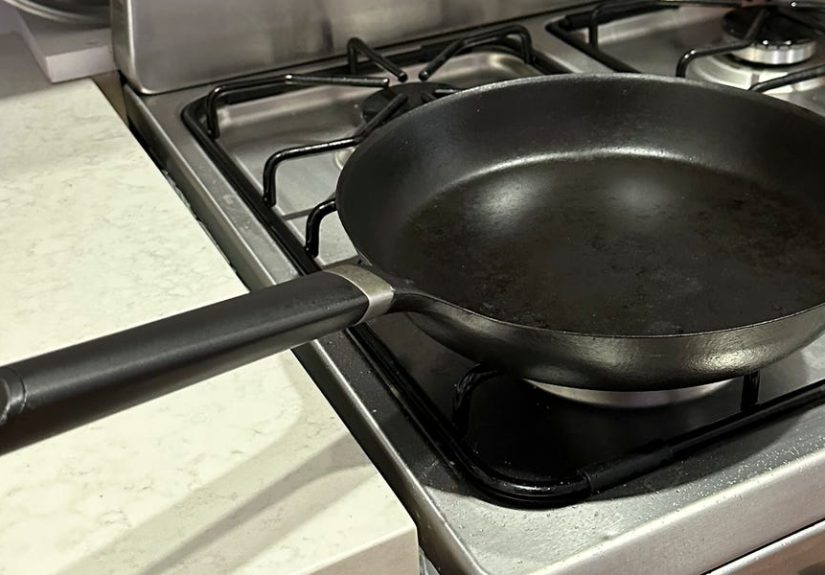
Cast iron is the kitchen equivalent of that friend who helps you move and then refuses gas money: heavy, reliable, and somehow still improving with age.
In 2023, cast-iron skillets continued their reign as the “one pan to rule them all” for searing steaks, baking cornbread, crisping potatoes, and making
your eggs feel like they’re on a tiny nonstick vacation (once your seasoning is dialed in, anyway).
This guide synthesizes conclusions and test patterns from a stack of reputable U.S. cookware roundups and hands-on reviews, plus care guidance from major
manufacturers. The goal isn’t to crown one skillet for every human on Earth (nice try, Earth), but to match the right pan to the way you actually cook.
Because “best” depends on whether you’re cooking for one, feeding a family, lifting with one wrist or two, or trying to avoid smoke alarms that are
just a little too proud of themselves.
Quick Picks: The Best Cast-Iron Skillets of 2023
If you just want the shortlist (we see you, busy person with onions to sauté), start here:
- Best overall value: Lodge 10.25-inch pre-seasoned skillet
- Best “lighter, smoother” upgrade: Field Company No. 8 (10.25-inch)
- Best modern design for cleaner pouring: Stargazer 10.5-inch
- Best budget big pan: Utopia Kitchen pre-seasoned skillet (often 12+ inches)
- Best crowd-feeder (but bring your forearms): AmazonBasics 15-inch
- Best enameled cast iron: Le Creuset 10.25-inch enameled skillet
- Best enameled “deep skillet” for braising: Staub Traditional Deep Skillet
- Best splurge for craftsmanship vibes: Smithey (size depends on your cooking style)
What Makes a Cast-Iron Skillet “Best” (Especially in 2023)
Cast iron isn’t complicated, but it is opinionated. Reviewers and test kitchens in 2023 tended to judge skillets using a familiar set of benchmarks:
1) Heat retention and searing power
Cast iron shines when you need stable, high heat. That’s why it’s a steak-searing legend and why smash burgers come out with those crispy edges that
make you want to high-five a spatula. A heavier pan often holds heat better, but it can also feel like you’re curling a kettlebell before breakfast.
2) Surface texture and food release
Many modern skillets (especially budget classics) have a slightly pebbly cooking surface from sand casting. They still work beautifully, but your first
few egg attempts might look like an abstract art project. Smoother machined or polished surfaces can help food release soonerat a higher cost.
The good news: almost any cast iron becomes more “nonstick” as seasoning builds.
3) Handle comfort (and physics)
Handle length, helper handles, and balance matter more than you think. In real kitchens, the “best” skillet is the one you can confidently lift,
tilt, and pour from without performing interpretive dance.
4) Pouring and sidewall shape
Classic pour spouts are great for draining fat or pouring pan sauceunless you miss and baptize your stovetop in bacon grease.
Some newer designs ditch spouts in favor of a shaped rim that pours from any angle.
5) Maintenance reality
Traditional cast iron needs basic care: clean, dry, lightly oil. Enameled cast iron needs less seasoning drama, but you trade away the ability to build
a traditional patina (and you have to avoid chipping the enamel). Your willingness to maintain the pan should influence your choice as much as price.
Top Cast-Iron Skillets of 2023: The Standouts
Best Overall Value: Lodge 10.25-Inch Pre-Seasoned Skillet
If cast iron had a “default character,” it would be the Lodge 10.25-inch. In 2023 lists and long-running test roundups, Lodge routinely landed as the
go-to recommendation because it hits the sweet spot of performance, durability, and price.
You get excellent searing, oven flexibility, and a pan that can outlive your kitchen remodel (and possibly your next three nonstick pans).
Who it’s best for: almost everyoneespecially first-time cast-iron owners, practical cooks, and anyone who wants a workhorse pan that doesn’t require
a small loan.
- Strengths: Great crust, sturdy build, widely available, affordable
- Trade-offs: Heavier than “lightweight” premium options; surface may take time to feel slick
- Perfect uses: steaks, cornbread, skillet pizza, roast chicken thighs, fried eggs (after seasoning improves)
Best “Lighter, Smoother” Upgrade: Field Company No. 8
Field Company built its reputation on a simple idea: make cast iron that feels more like the beloved vintage pans people hoard like treasure.
In practice, that means a smoother cooking surface and a lighter overall feel without sacrificing the heat you need for browning.
For many cooks, this is the upgrade that makes cast iron feel less like a gym membership and more like a daily driver.
Who it’s best for: cooks who love cast iron but want easier handling; anyone who wants a “nicer” skillet that still behaves like cast iron.
- Strengths: easier maneuvering, smoother feel, modern ergonomics
- Trade-offs: significantly pricier than Lodge; no classic pour spouts on many models
- Perfect uses: sautéing, shallow frying, breakfast, weeknight sears
Best Modern Design: Stargazer 10.5-Inch
The Stargazer earned buzz in 2023-era lists for looking like cast iron went to design school and came back with a thesis on “drip-free pouring.”
Instead of traditional spouts, Stargazer uses a flared rim meant to pour cleanly from any angle. Its handle design is also engineered to stay cooler
longer than typical cast iron handles (still: use a mitt, because physics).
Who it’s best for: cooks who care about pour control, aesthetics, and modern usabilitywithout switching to enamel.
- Strengths: controlled pouring, thoughtful handle design, smooth-ish cooking feel
- Trade-offs: premium price; design is different from the classic spout-and-helper-handle formula
- Perfect uses: pan sauces, bacon and draining fat, everyday stovetop cooking
Best Budget Big Pan: Utopia Kitchen Pre-Seasoned Skillet
In 2023 roundups, Utopia Kitchen showed up as the “you can absolutely do this on a budget” pick. These pans can be a smart entry point if you want a
larger surface for family meals without paying premium-brand prices.
Who it’s best for: budget shoppers, beginners building a cookware set, and anyone who wants “more pan” for less cash.
- Strengths: low cost, often generous size options
- Trade-offs: heavier feel in larger sizes; finish may be rougher and need more seasoning time
- Perfect uses: sheet-pan-style meals (but in a skillet), big breakfasts, skillet dinners
Best for a Crowd (and Forearm Day): AmazonBasics 15-Inch
A 15-inch cast-iron skillet is not subtle. It’s the pan you choose when you want to cook a brunch spread in one go, or when you’re feeding a group and
refuse to do multiple batches. The trade-off is weightthese oversized pans can be comically heavy before food even enters the chat.
Who it’s best for: big families, entertainers, “I will cook all the bacon at once” people.
- Strengths: huge cooking surface; great for high-volume cooking
- Trade-offs: heavy and awkward; storage can be a puzzle
- Perfect uses: breakfast spreads, party fajitas, giant skillet cookies
Best Enameled Cast Iron: Le Creuset 10.25-Inch Enameled Skillet
Enameled cast iron is the low-maintenance cousin of traditional cast iron: you get excellent heat retention and steady browning, but you don’t have to
build seasoning the same way. In 2023, Le Creuset’s enameled skillet remained the premium iconloved for durability, performance, and the fact that it
looks like it belongs on a cooking show set.
Who it’s best for: cooks who want cast iron performance without seasoning rituals, and anyone who frequently cooks acidic foods.
- Strengths: easy cleaning, no rust worries in normal use, great for tomatoes and wine sauces
- Trade-offs: expensive; enamel can chip if mistreated; you won’t develop a traditional nonstick patina
- Perfect uses: shallow braises, skillet pastas, pan sauces, sautéing and browning
Best “Deep” Enameled Skillet for Braising: Staub Traditional Deep Skillet
If Le Creuset is the polished celebrity, Staub is the quietly confident chef’s-choice energy.
A deep enameled skillet gives you more sidewall height for shallow frying, saucy dishes, and braiseswithout needing a Dutch oven every time you want a
cozy one-pan meal.
Who it’s best for: one-pan meal lovers, braisers, and cooks who want a skillet that behaves like a short Dutch oven.
- Strengths: depth and versatility; great heat retention
- Trade-offs: heavier; enamel care required (no metal utensil rodeos)
- Perfect uses: chicken cacciatore, shallow frying, saucy skillet dinners, skillet lasagna
Best Craftsmanship Splurge: Smithey
Smithey is the cast-iron equivalent of buying boots that make you stand a little straighter. These skillets are gorgeous, often smoother inside, and
built with heirloom energy. The main reason to splurge isn’t that your steak will taste 800% better (it won’t), but that the cooking experience can
feel more refined: smoother surface, great finishing, and a piece you’ll actually want to leave on the stove.
Who it’s best for: enthusiasts, gift buyers, and anyone who wants “functional art” that also browns butter like a champ.
Traditional vs. Enameled Cast Iron: Which One Should You Choose?
Choose traditional cast iron if…
- You want the best value and don’t mind basic maintenance.
- You like the idea of a pan that becomes more nonstick over time.
- You cook a lot of high-heat foods (steaks, burgers, cornbread, potatoes).
Choose enameled cast iron if…
- You cook acidic foods often (tomatoes, citrus, wine reductions) and want a non-reactive surface.
- You want easier cleanup and less seasoning upkeep.
- You don’t want to worry about rust (though you still shouldn’t soak it forever).
Buying Guide: How to Pick the Right Size Cast-Iron Skillet
Size is the most underrated decision. Here’s a practical breakdown:
- 8-inch: great for eggs, single portions, dips, and small kitchens.
- 10 to 10.5-inch: the everyday sweet spotfits most burners, handles weeknight cooking well.
- 12-inch: best for families, meal prep, and bigger sears (but heavier).
- 13+ inches: crowd cooking, big breakfasts, and “I refuse to do batches.” Also known as “arm day.”
Pro tip: if you’re unsure, start with a 10.25-inch. It’s the size that shows up over and over in 2023 recommendations because it’s big enough to be
useful and small enough to be manageable.
Care & Feeding: How to Keep Cast Iron Happy
Seasoning basics (without making it weird)
Most modern skillets are pre-seasoned, meaning they arrive with a starter layer of baked-on oil. From there, your job is simple:
cook with it, use fat, and avoid letting it soak in water like it’s having a spa day.
If you need to re-season (because the pan looks dull, food sticks more, or you accidentally created a rust constellation), the classic oven method is:
apply a very thin layer of high-heat oil, bake the pan upside down at around 450–500°F for about an hour, and let it cool in the oven.
Thin layers mattertoo much oil turns into sticky varnish, which is the opposite of what anyone wants.
Can you wash cast iron with soap?
Yeswith mild soap and common sense. The old “never use soap” rule came from the days when soap often contained harsh lye.
Today, a small amount of gentle dish soap won’t magically erase your seasoning if you’re not scrubbing like you’re trying to remove ancient runes.
The bigger enemies are soaking, dishwashers, and leaving the pan wet.
Daily cleaning routine (the lazy-friendly version)
- While the pan is still warm, wipe out grease and bits with a paper towel.
- Rinse with hot water and use a brush or non-metal scrubber for stuck-on spots.
- Dry completely (stovetop heat for 1–2 minutes is perfect).
- Wipe on a whisper-thin film of oil if the pan looks dry.
Storage and rust prevention
Store cast iron dry. If you stack pans, put a paper towel or cloth between them to protect surfaces and prevent moisture from hanging out.
If rust appears, don’t panic. Scrub it off, dry thoroughly, and re-season.
Cast iron is not fragileit’s just dramatic about water.
FAQ: Cast Iron Questions People Google at 1:00 a.m.
Is cast iron safe on induction?
Yes. Cast iron is ferromagnetic, so it works on induction. Just lift it rather than dragging it to avoid scratching glass tops.
Why does my skillet smoke so much?
Two common reasons: you’re overheating an empty pan, or you’re using an oil with a low smoke point. Preheat gradually, use the right oil,
and remember that cast iron holds heat longer than your patience.
Can I cook tomato sauce in cast iron?
In enameled cast iron: absolutely. In traditional cast iron: you can, but acidic foods can strip seasoningespecially if your pan is new.
If you’re early in your cast-iron relationship, keep long simmers acidic foods for enamel (or stainless) until your seasoning is well-established.
Conclusion: The “Best” Skillet Is the One You’ll Use
The top cast-iron skillets of 2023 share one trait: they make high-heat cooking easier and more satisfying. If you want unbeatable value and a classic
recommendation that keeps winning year after year, choose a Lodge 10.25-inch and start cooking.
If you want a lighter, smoother daily driver, Field Company is a standout upgrade. If you love modern design and easy pouring, Stargazer is worth a look.
And if you want cast iron performance with easy cleanup, go enameledLe Creuset for the iconic skillet, or Staub for a deeper, braise-friendly workhorse.
Choose the pan that matches your habits, not your fantasy-self who “totally seasons cookware every Sunday while listening to jazz.”
(No judgment. Jazz is great. Sundays are… unpredictable.)
Real-World Cast-Iron Experiences (Extra )
The first week with a new cast-iron skillet is usually a honeymoon: you sear something, it tastes amazing, and you start mentally composing your
acceptance speech for “Best Home Cook in a 12-Foot Radius.” Then reality arrives with eggs. Not because cast iron can’t do eggsit absolutely canbut
because eggs are the skillet’s way of asking, “So… how’s that seasoning situation going?” Many cooks learn the rhythm fast: preheat gently, add enough
fat, wait until the eggs release, and don’t try to flip like you’re competing on a cooking show. Patience is the most underrated ingredient in cast-iron
breakfast.
Another common moment: the smoke alarm incident. Cast iron gets hot, stays hot, and does not apologize. People often preheat too aggressively, then add
oil too early (or use a low-smoke-point oil), and suddenly the kitchen is “rustic” in a way nobody asked for. The fix is boring but effective:
medium heat, a longer preheat, and a quick water-test (a droplet should dance, not evaporate instantly like it’s fleeing). The upside is that once you
learn your pan’s personality, it becomes a predictable toollike a well-seasoned teammate, not a chaos gremlin.
There’s also the “soap debate” phase, which is practically a rite of passage. New cast-iron owners often treat dish soap like it’s kryptonite, then end
up with a pan that smells faintly like last week’s fish. The modern approach is simpler: a little mild soap is fine, especially when you’ve got sticky
sugars or burnt bits that need help. What matters is drying thoroughly afterward and avoiding soaking. Most people eventually land on a routine that feels
low-effort: rinse hot, scrub lightly, dry on heat, oil whisper-thin, done. The skillet doesn’t need a spa day; it needs consistency.
As months go by, the pan starts “paying you back.” Foods release more easily, cleanup gets quicker, and you begin to trust the skillet for everything:
crispy potatoes, chicken thighs, cornbread, skillet cookies, even reheating pizza so the crust snaps again. Many cooks also discover the joy of cast
iron’s oven-to-table vibe: it looks great, holds heat, and turns dinner into something that feels a little more intentionaleven if the meal is just a
quick weeknight hash.
Finally, there’s the pride factor. Cast iron doesn’t stay perfect, and that’s the point. It picks up marks, darkens, smooths out in spots, and carries
the evidence of meals cooked. It’s one of the few kitchen tools where “used” can mean “better.” By the end of the year, a good skillet feels less like a
purchase and more like a partnerone that rewards you with crusty sears, golden edges, and the quiet satisfaction of owning something built to last.
And if you ever mess it up? You can almost always fix it. Cast iron is forgiving, as long as you stop soaking it like it’s a soup bowl.