Table of Contents >> Show >> Hide
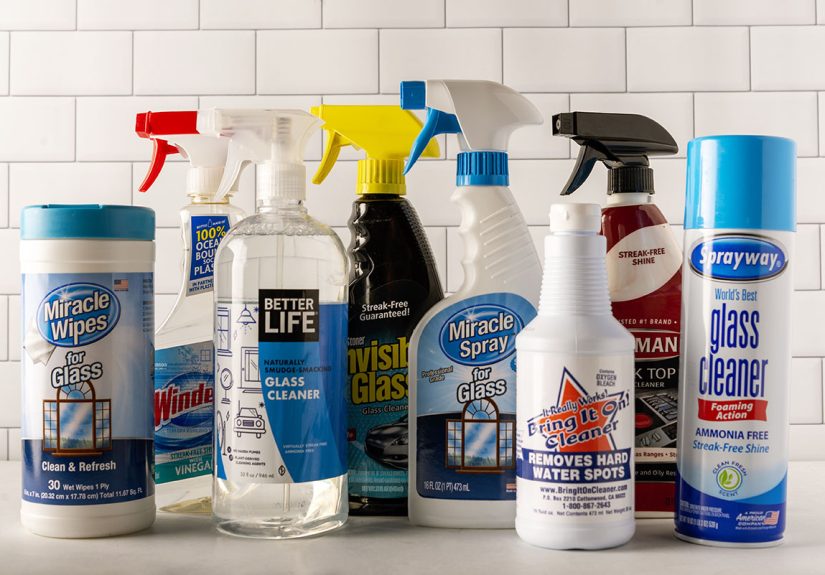
If you’ve ever cleaned a window and somehow ended up with more streaks than you started with, you know that not all glass cleaners are created equal. Between finger smudges, pet nose prints, toothpaste spray, and mystery kid goo, glass in a busy home takes a beating. The good news? Modern glass cleaners are better than ever, and plenty of them have been tested in real homes, labs, and even on seriously grimy shower doors.
This guide pulls together the best insights from independent testing, expert recommendations, and real-world reviews to help you pick the right glass cleaner for every jobwhether you’re shining up a vintage mirror, tackling cloudy shower doors, or finally doing that whole-house window clean you’ve been threatening since last spring.
How Glass Cleaners Were Tested
Before we talk favorites, it helps to know what “best” actually means here. In most product tests, glass cleaners are evaluated on three big things: cleaning power, streak-free finish, and ease of use. Price, scent, ingredients, and versatility (can it handle chrome, tile, or stainless steel too?) are also part of the scorecard.
Surfaces Used for Testing
- Interior and exterior windows with everyday dust and grime
- Bathroom mirrors speckled with toothpaste and hairspray
- Glass shower doors with soap scum and hard-water spots
- Glass tabletops and oven doors with greasy fingerprints
- Car windows and windshields for haze and road film
Cleaners were sprayed, foamed, or wiped on as directed, then removed with microfiber cloths, paper towels, or squeegees. Testers looked for how quickly the cleaner cut through gunk, how much elbow grease was required, and whether any streaks, haze, or residue remained after the glass dried.
Top Glass Cleaners for Every Area of the Home
No single cleaner does everything perfectly, so it’s useful to match the product to the job. Here’s a breakdown based on the types of formulas that repeatedly perform well in tests and reviews.
1. Best Overall Everyday Glass Cleaner
For most people, a classic liquid spray glass cleaner is the workhorse that lives under the sink. These formulas usually mix water with solvents and surfactants to break up grease and grime, leaving windows and mirrors clear. Many of the “best overall” winners in tests are traditional blue sprays that work quickly, are easy to wipe off, and don’t leave residue when used with a clean microfiber cloth.
Why they work so well:
- Fast-acting solvents cut through fingerprints, cooking film, and light grime.
- Familiar feel and scent that many people already trust.
- Affordable and widely available in big-box stores, supermarkets, and online.
If you want one bottle that can handle windows, mirrors, and basic glass surfaces around your home, a top-rated everyday spray is usually the easiest starting point.
2. Best Foaming Glass Cleaner for Stubborn Messes
Foaming glass cleaners come out as a thick foam instead of a fine mist. That might sound like a gimmick until you use one on grimy glass and realize the foam actually clings in place long enough to dissolve grease and dirt before it drips away.
Foaming formulas are especially helpful for:
- Vertical surfaces like large windows and shower doors
- Very dirty glass with built-up residue
- Multi-surface cleaning on glass, chrome, tile, and porcelain
Top-tested foaming cleaners often score highly in independent ratings for cutting power and streak-free results. Many are also surprisingly budget-friendly, so they’re a smart choice if you want performance without paying luxury prices.
3. Best Ammonia-Free Glass Cleaner
Traditional glass cleaners often include ammonia, which is excellent at cutting grease and evaporates quickly. But it’s not ideal for every situation. Strong ammonia odor can bother people with asthma or allergies, and ammonia should never be used on certain tinted auto windows or specialty finishes.
Ammonia-free glass cleaners are worth choosing if:
- You’re sensitive to strong chemical smells
- You’re cleaning around kids, pets, or people with respiratory issues
- You want something safer for tinted windows or specialty coatings (always check the label)
Independent testing shows that many ammonia-free cleaners perform just as well as traditional ones when it comes to everyday fingerprints, smudges, and light haze. You may need a second pass on very greasy surfaces, but for standard household glass, they’re an excellent, gentler option.
4. Best Glass Cleaner for Shower Doors
If you’ve ever stared at cloudy shower glass and wondered if it’s permanently frosted now, you’re not alone. Soap scum, hard-water deposits, and body oils cling stubbornly to shower doors. In tests and editor reviews, the products that do best here are often not “sprays” at all but tools and specialty cleaners designed specifically for bathrooms.
Top performers include:
- Magic eraser–style sponges made for baths and showers that mechanically scrub away film with minimal chemical harshness.
- Bathroom spray cleaners that target soap scum and limescale on glass, tile, and fixtures.
For heavy buildup, testers often recommend a two-step process: use a specialty scrub or sponge to remove the worst of the film, then finish with a glass cleaner to polish and prevent streaks.
5. Best Eco-Friendly Glass Cleaner
If you prefer a greener cleaning routine, several plant-based and low-VOC glass cleaners earn high marks in expert testing and consumer reviews. These formulas typically avoid ammonia, synthetic dyes, and heavy fragrances, relying instead on plant-derived surfactants and mild solvents.
What to look for in an eco-friendly glass cleaner:
- Short, understandable ingredient lists
- Refillable or concentrated formats to cut down on plastic waste
- Certifications for environmental standards when available
While some greener formulas may require a bit more buffing, the top-rated ones can still deliver a convincing streak-free shine on windows and mirrors, especially when paired with quality microfiber cloths.
6. Best Budget Glass Cleaner
Here’s the happy truth: you don’t have to spend a lot to get crystal-clear glass. Many of the highest scoring products in lab comparisons cost just a few dollars per bottle or aerosol can. Generic and store brands sometimes match or beat well-known names when it comes to cutting power and streak-free drying.
For most homes, a budget-friendly cleaner that performs well on everyday tasks is all you need. Save the fancy products for specialized jobs like shower doors or automotive glass.
DIY Glass Cleaners That Actually Work
Prefer to mix your own cleaner from pantry staples? Several simple recipes come up again and again in expert advice because they work and they’re cheap.
Classic Vinegar Glass Cleaner
A widely recommended recipe combines equal parts white vinegar and distilled water. Vinegar helps dissolve mineral deposits and light grease, while distilled water reduces spotting from minerals in tap water. Pour into a spray bottle, label it, and shake before each use.
Alcohol-Based Homemade Glass Cleaner
Another popular approach uses rubbing alcohol because it evaporates quickly and helps prevent streaks. A common formula:
- 1 cup water
- 1 cup rubbing alcohol
- 1 tablespoon white vinegar
Shake gently before use and always test on a small, inconspicuous area, especially near painted or finished surfaces.
When DIY Isn’t the Best Choice
Homemade cleaners are budget-friendly and reduce packaging waste, but they aren’t always ideal. For very grimy shower doors, tough hard-water buildup, or glass over delicate finishes, tested commercial products are often more efficient and safer for surrounding materials. Also, never mix vinegar or acidic cleaners with bleach productsthis can create dangerous fumes.
How to Choose the Right Glass Cleaner
With so many options, it helps to narrow things down by asking a few simple questions.
1. What Are You Cleaning Most Often?
- Windows and mirrors: A standard liquid spray or foaming cleaner usually works best.
- Shower doors: Look for products that specifically target soap scum and hard-water stains.
- Glass cooktops and oven doors: Use cleaners that are safe for heat-exposed surfaces or choose multi-surface formulas recommended by the manufacturer.
- Car windows: Choose ammonia-free formulas safe for automotive glass and tint.
2. Do You Need Ammonia-Free or Low-Odor?
If you’re cleaning in small bathrooms, around pets, or near people with respiratory issues, an ammonia-free, low-scent cleaner is often the better choice. Many of these still deliver excellent streak-free performance in tests.
3. Do You Care About Ingredients and Sustainability?
Refill systems, concentrates, and eco-certified formulas help cut down on waste and may use gentler ingredients. You might pair one of these with very good microfiber cloths for a routine that’s both greener and effective.
4. What’s Your Budget?
Because glass cleaners are generally inexpensive, it’s easy to test a couple of top-rated options and see which one you like best. Starting with a budget-friendly winner and adding a specialty product for the shower or car is a practical approach.
Pro Tips for Streak-Free Glass Every Time
Even the best glass cleaner can leave streaks if the technique isn’t right. Professional window cleaners and lab experts agree on a few tricks that make a big difference.
1. Use Microfiber, Not Old T-Shirts
Microfiber cloths are the MVP of glass cleaning. They’re designed to grab onto dust, grease, and moisture instead of just pushing it around. Use one lightly damp cloth to apply and wipe the cleaner, then a second dry cloth to buff and polish. This “two-cloth method” is one of the most reliable ways to get a streak-free finish.
2. Avoid Cleaning in Direct Sunlight
When the sun is blazing directly on your windows, cleaner can dry too quickly, leaving streaks before you’ve finished wiping. Try to wash windows on a cloudy day or when the glass is in shade for best results.
3. Don’t Overspray
More cleaner does not mean cleaner glass. Overspraying can flood the surface, drip into window frames or wood trim, and leave residue. A light, even mist is usually enoughespecially with modern high-performance formulas.
4. Work Top to Bottom in a Consistent Pattern
Start at the top of the glass and work your way down so drips don’t fall onto areas you’ve already cleaned. Use either vertical or horizontal strokes, and then check the glass from different angles to spot any missed smudges.
5. For Big Jobs, Consider a Squeegee or Gadget
For large sets of windows or sliding doors, a good squeegee can save a lot of time and effort. Some people also love window vacuums and even small window-cleaning robots for big or hard-to-reach glassespecially in multi-story homes. They won’t replace a good cleaner, but they can make the process faster and more fun.
Conclusion: Shine On, Streaks Gone
The best glass cleaner for your home is the one that fits your surfaces, your priorities, and your cleaning style. Classic blue sprays still earn top scores for everyday windows and mirrors. Foaming formulas shine on stubborn messes and vertical surfaces. Ammonia-free and eco-friendly options are ideal for sensitive noses and greener households. And for the toughest shower-door grime, a combo of specialty bathroom cleaners or scrub tools plus a glass polish is often the winning strategy.
Pair any of these with microfiber cloths, a bit of technique, and a little patience, and you’ll be rewarded with clear views, sparkling mirrors, and a house that looks just a bit more put-togetherat least until the next round of fingerprints appears.
sapo: Looking for a glass cleaner that actually leaves your windows and mirrors streak-free? This in-depth guide rounds up the best glass cleaners for every part of your homewindows, mirrors, shower doors, and morebased on hands-on testing, expert recommendations, and real-world reviews. Learn which formulas really cut through grease and soap scum, when to choose ammonia-free or eco-friendly options, and the pro techniques that make even budget cleaners perform like all-stars.
Real-Life Glass Cleaning Experiences & Extra Tips (500+ Words)
Lab tests are great, but real life is where glass cleaners earn their keep. Ask around and you’ll hear a familiar pattern: “I thought my windows were clean… and then I tried a better cleaner and realized they’d just been slightly less dirty this whole time.” Here are some experience-based lessons that don’t always show up on the label.
Lesson 1: The “Cloudy Mirror” Surprise
One common story goes like this: someone has been using an all-purpose spray on their bathroom mirror for years. It looks fineuntil they finally try a dedicated glass cleaner or a good foaming formula. Suddenly, the mirror is brighter and clearer, and they realize that old cleaner had been leaving a microscopic film all along.
The takeaway: if your mirror never looks truly crisp, it may not be your cloth or your techniqueit might be residue from the wrong product. Switching from a general-purpose spray to a tested glass cleaner (or even a simple vinegar-and-water mix) can make a bigger difference than you’d expect.
Lesson 2: Microfiber Really Is a Game Changer
Many people resist microfiber at firstmaybe it feels a little clingy, or you’re attached to your stash of old T-shirts. But there’s a reason pros and product testers swear by microfiber for glass. It grabs onto lint, dust, and tiny particles that cotton often leaves behind. When someone finally tries microfiber with a good glass cleaner, they’re often shocked at how much less buffing they need to do.
A simple routine that works in real homes:
- Label one microfiber cloth “GLASS – DAMP” and one “GLASS – DRY.”
- Lightly dampen the first cloth with water or a spritz of cleaner.
- Use the damp cloth to wipe and loosen grime, then immediately follow with the dry cloth to buff and polish.
Once you see the difference, those old T-shirts tend to get demoted to paint-rag duty.
Lesson 3: The Shower Door Reality Check
Shower doors are where many glass cleaners go to die. In real-world bathrooms, people often underestimate how stubborn soap scum and hard-water deposits can be. They spray, wipe, and then wonder why things still look cloudy. In testing and in everyday homes, the reality is that most standard glass cleaners are designed for fingerprints and light hazenot decades of soap film.
What works better in practice is a two-part approach:
- First, break the buildup. Use a bathroom cleaner that targets soap scum and mineral deposits, or a specialty scrub sponge made for shower glass.
- Then, polish with a glass cleaner. Once the heavy film is gone, a good glass spray or foam can bring the clarity back and help prevent new streaks.
Many homeowners also learn the “daily squeegee” habit the hard way. A quick swipe after each shower takes seconds but can save you from marathon scrubbing sessions later.
Lesson 4: Car Windows Need Special Treatment
Another common experience: someone uses their favorite household glass cleaner on their car windows, especially inside the windshield. It looks fine at first, but then driving into the sun reveals a hazy film that’s both annoying and unsafe. Add in the fact that some automotive tints are sensitive to ammonia, and suddenly your go-to household spray doesn’t look so smart.
Real-life solution: keep a small bottle of ammonia-free glass cleaner (or a cleaner labeled for auto glass) in the garage or trunk. Pair it with a dedicated microfiber just for the car. Many drivers report that once they switch, nighttime and sunny-day visibility improves dramatically.
Lesson 5: “One Cleaner” vs. “Right Cleaner, Right Job”
Most households start out hoping one product will do everything. But over time, people tend to settle into a small “glass toolkit” that works better:
- One reliable everyday glass cleaner for windows and mirrors
- One foaming or higher-powered formula for tough jobs and vertical surfaces
- One bathroom-specific cleaner or scrub for shower doors and tile
- A DIY or eco-friendly option for quick touch-ups or sensitive areas
This doesn’t mean stuffing an entire cabinet with bottles. It just means acknowledging that the cleaner that’s perfect for your hallway mirror might not be the best weapon for your glass shower or your windshield.
Lesson 6: Technique Beats Muscle
Finally, people who get consistently great results tend to focus less on scrubbing harder and more on working smarter. They spray lightly instead of soaking the glass. They use the two-cloth method. They clean on cloudy days. They step to the side and look at the glass from different angles before calling it done. These small habits matter more than having the most expensive product on the shelf.
Put simply: a well-rated glass cleaner makes the job easier, but your technique is what turns “pretty clean” into “wow, that’s clear.” Combine a tested cleaner with a couple of microfiber cloths and these experience-backed tips, and you’ll be amazed at how much brighter your home looksright through the glass.