Table of Contents >> Show >> Hide
- Why Rat Traps Still Beat “Set It and Forget It” Poisons
- Types of Rat Traps (and When to Use Each)
- Bob Vila–Style Top Picks for At-Home Rat Traps
- Best Overall Humane Cage Trap: Compact Galvanized Live Trap
- Best Budget Snap Trap: Reusable Plastic Jaw Trap
- Best Electronic Rat Trap: Battery-Powered Tunnel Zapper
- Best Wooden Trap: Wide-Pedal Bar Trap
- Best Glue Trays: Heavy-Duty Low-Profile Boards
- Best for Large Infestations: Multi-Catch Cage Trap
- Best Nontoxic Bait Partner: Food-Grade Pellet Bait
- Best Kid- and Pet-Conscious Design: Covered Tunnel Snap Trap
- How to Choose the Right Rat Trap for Your Home
- How to Set Up Rat Traps Like a Pro
- Safety, Hygiene, and Humane Considerations
- Real-World Experiences: Lessons from the Rat-Trap Trenches
- Lesson 1: One Trap Is Not a Plan
- Lesson 2: Pre-Baiting Can Beat Rat Suspicion
- Lesson 3: Where You Place Traps Matters More Than the Brand
- Lesson 4: Electronic Traps Are Worth It for Low-Gross-Out Households
- Lesson 5: Live-Catch Traps Feel GreatIf You Plan the Release
- Lesson 6: Prevention Beats Repeating the Whole Saga
- Conclusion: The Bottom Line on the Best Rat Traps for At-Home Pest Control
Hearing scratching in the walls, spotting mysterious droppings in the pantry, and watching your cat stare into
space like it’s hearing ghost footsteps? Congratulations, you may have rats. The good news: you have more tools
than ever to fight back. The better news: many of the best rat traps are simple, affordable, and designed for
at-home pest controlno hazmat suit required.
Inspired by the Bob Vila approach to home problem-solving, this guide walks you through the best rat traps for
different situations, from old-school snap traps to high-tech electronic zappers and humane live-catch cages.
We’ll break down how these traps work, why experts still recommend them, and how to use them safely and
effectively so you can reclaim your kitchen, attic, garage, or wherever the freeloaders have set up shop.
Why Rat Traps Still Beat “Set It and Forget It” Poisons
Poisons might sound like the easiest option, but for most homes they’re more headache than help. Rodents can
crawl off and die inside walls, leaving you with terrible smells, flies, and a big question mark about where
they went. Poisons can also endanger kids, pets, and wildlife if they’re accidentally ingested or if a predator
eats a poisoned rat.
Traps, especially those selected and tested by home-improvement pros, offer several big advantages:
- Control and confirmation: You know exactly where the rat died (or was caught alive), so there
are no mystery odors. - Safer for families and pets: Properly placed traps minimize the risk of accidental poisoning.
Covered or tunnel-style designs further reduce access for curious paws. - Humane options exist: Live-catch cages and quick-kill snap or electronic traps can be more
humane than slow-acting poisons. - Cost-effective: Many traps are reusablean investment you’ll appreciate the next time you
hear scratching at 2 a.m.
Types of Rat Traps (and When to Use Each)
Not all rat traps are created equal, and choosing the right type is half the battle. Here are the main categories
you’ll see in pro-style roundups and Bob Vila–style picks.
Snap Traps: Classic, Cheap, and Highly Effective
Snap traps are the classic wood or plastic devices with a spring-loaded bar or jaw. Modern versions improve on the
old-school design with wide trigger pedals, sensitive mechanisms, and safer “step-to-set” features that keep your
fingers away from the action. They’re a favorite of professionals because they’re inexpensive, fast-killing, and
reusable.
Choose snap traps if you:
- Want the most budget-friendly way to handle multiple rats.
- Don’t mind disposing of the carcass yourself.
- Can place traps where kids and pets can’t reach.
Electronic Rat Traps: High-Tech, Low-Mess Control
Electronic rat traps are tunnel-style units that use a high-voltage shock to kill the rat quickly once it steps onto
metal contact plates. Many models include LED lights to signal a catch and are designed for easy, no-touch disposal:
tilt, dump, reset, repeat.
Choose electronic traps if you:
- Want a more “hands-off” way to dispatch rats.
- Prefer not to see or touch the rodent after it’s killed.
- Need a sanitary, indoor-only solution for kitchens, basements, or utility rooms.
Live-Catch Cage Traps: Humane Catch-and-Release
Live-catch traps are small metal cages with a spring-loaded door and a bait-trigger mechanism. When the rat steps on
the plate or takes the bait, the door snaps shut, trapping the animal alive. Many homeowners like these because they
avoid killing the rat and eliminate concerns about secondary poisoning for other wildlife.
Choose live-catch traps if you:
- Prefer a humane, non-lethal approach.
- Can safely release rats a suitable distance from your home, following local regulations.
- Don’t mind checking traps frequently and handling a live, stressed rodent.
Glue Traps: Low-Profile but Controversial
Glue boards are shallow trays coated with a sticky adhesive. They’re easy to slide under appliances or along narrow
pathways and can catch rats, mice, and even insects. However, they are widely criticized for being inhumane because
rodents can struggle for a long time before dying, and disposal is unpleasant.
If you use glue traps at all, reserve them for:
- Hard-to-reach places where snap or cage traps won’t fit.
- Short-term use, with frequent checks so animals don’t suffer longer than necessary.
Multi-Catch Traps and Bait Systems
For serious infestations, multi-catch cage traps can capture several rats in one go. Some designs are essentially
“rat hotels” with entry ramps and one-way doors. They can be used for catch-and-release or, when combined with
nontoxic baits, as part of a broader pest control strategy.
Bob Vila–Style Top Picks for At-Home Rat Traps
In a typical Bob Vila roundup, traps are selected to cover different needs: humane, budget-friendly, low-mess,
kid-safeyou name it. Below is a breakdown, inspired by those picks, of what kinds of products tend to rise to the
top for homeowners.
Best Overall Humane Cage Trap: Compact Galvanized Live Trap
A galvanized steel live-catch cage sized specifically for rats and large mice often wins “best overall” honors. It
usually features a bait hook at the back, a pressure-sensitive floor plate, and a spring-loaded door that shuts as
soon as the rat steps inside. Because it’s made of metal, you can rinse or wipe it down between uses, and its compact
footprint fits along walls, behind trash cans, or in sheds.
This style is ideal for homeowners who want to relocate rodents humanely while still using a durable, reusable trap
that works indoors and in sheltered outdoor areas.
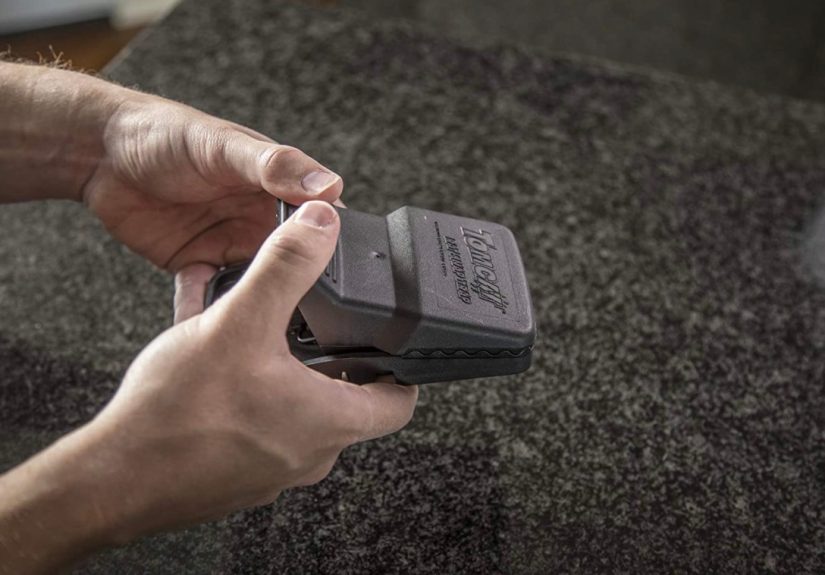
Best Budget Snap Trap: Reusable Plastic Jaw Trap
For bang-for-the-buck performance, heavy-duty plastic snap traps with a wide, toothed jaw design are standout
performers. They’re typically easier (and less nerve-wracking) to set than wooden versionsyou can often use your
foot instead of your fingersand they deliver a quick, powerful snap that kills rats fast.
Many have removable bait cups so you can load peanut butter, chocolate, or pet kibble without juggling springs. If
your strategy is “buy a dozen traps and hit every wall,” this style is your budget-friendly workhorse.
Best Electronic Rat Trap: Battery-Powered Tunnel Zapper
A tunnel-style electronic rat trap powered by AA batteries is a go-to for low-mess, indoor rat control. The rat
enters to reach the bait, steps on the metal plates, and completes an electric circuit that delivers a high-voltage
shock. A blinking light lets you know when it’s time to empty it; disposal is as simple as tipping the tunnel into a
trash bag.
These traps tend to cost more upfront than snap traps, but they pay off in convenience, no-see disposal, and
reusabilityespecially in kitchens, laundry rooms, and finished basements where you don’t want graphic surprises.
Best Wooden Trap: Wide-Pedal Bar Trap
The classic wood-and-metal bar trap gets a modern twist in versions with extra-wide trigger pedals and adjustable
sensitivity. The wide pedal makes it easier for the rat to trigger the trap, while dual settings (firm or sensitive)
help you fine-tune the trap for heavy or light-footed pests.
These traps are inexpensive, recyclable, and time-tested. They’re especially handy when you want to saturate an area,
like an attic or crawl space, with many traps at once.
Best Glue Trays: Heavy-Duty Low-Profile Boards
Heavy-duty glue trays designed for rats are larger, sturdier, and stickier than basic mouse boards. Some can be
folded into “tunnel” shapes to keep dust off the adhesive and better hide them from view. They’re useful along
baseboards, in tight utility closets, or under appliances where other traps won’t fit.
If you choose these, be prepared for hands-on, humane disposal and check them frequently. They’re more of a
specialty tool than an everyday first choice.
Best for Large Infestations: Multi-Catch Cage Trap
When you’re not dealing with just one rogue rat but a full-on rodent community, a multi-catch cage trap can make a
huge difference. These larger units are often long, low cages with multiple internal doors that allow several rats
to enter but not escape. Some models can hold over a dozen rats in one deployment.
Multi-catch traps shine in barns, garages, outbuildings, and large yards where rats have plenty of hiding places.
They’re usually used with bait trays or attractants and work best when combined with long-term exclusion and
sanitation measures.
Best Nontoxic Bait Partner: Food-Grade Pellet Bait
Although not a trap by itself, nontoxic, food-grade pellet baits designed specifically for rodents often appear in
“best rat trap” roundups as essential partners. These formulas use ingredients that exploit a rat’s unique biology
while remaining much safer for pets, kids, and non-target wildlife when used correctly.
Used in bait trays, they can reduce rat numbers over several days and work well alongside mechanical traps, especially
in homes where traditional poisons are off the table.
Best Kid- and Pet-Conscious Design: Covered Tunnel Snap Trap
For homes with small children or curious pets, enclosed or tunneled snap traps are a smart compromise. Inside the
durable plastic housing is a powerful snap mechanism, but access to the trigger area is via narrow openings sized for
rodentsnot paws or tiny fingers.
Many of these traps have dual-entry designs, making them easy to tuck against walls or in tight spaces where rats
travel. They’re reusable, often easy to clean, and let you dispose of rats without fully exposing the trap interior.
How to Choose the Right Rat Trap for Your Home
With so many options, how do you pick the best rat trap for at-home pest control? Start with a quick self-audit:
- Do you have kids or pets? If yes, favor enclosed snap traps, live-catch cages, or electronic traps
that hide the kill zone and are harder to access. - What’s your comfort level? If the idea of seeing or touching a dead rat makes you queasy, choose
no-touch electronic or enclosed traps. - How big is the problem? One rat? A couple of snap traps may do it. A full infestation? You may
need a combination of snap, electronic, and multi-catch traps. - Where are you placing traps? Indoor-only spaces (kitchens, bedrooms) favor low-mess electronic or
enclosed traps; outdoor sheds and garages can handle classic snap traps or live cages. - How important is a humane approach? If humane treatment is a priority, live-catch cages or
fast-kill traps (snap or electronic) are better options than slow-acting poisons or poorly monitored glue boards.
How to Set Up Rat Traps Like a Pro
Even the best rat trap won’t perform if it’s in the wrong place or baited poorly. Pros rely on a few core habits
that homeowners can easily copy:
1. Scout Before You Set
Look for droppings, greasy rub marks along baseboards, gnaw marks, and burrow openings. Rats tend to travel along
walls and behind large objects, so those are prime trap locations. Think like a rat: dark, tight, and close to
food and water.
2. Use the Right Bait
Forget the cartoon cheese. Rats are more attracted to:
- Peanut butter or nut spreads.
- Dry pet kibble or small bits of meat.
- Chocolate, seeds, or dried fruit.
Use just enough bait to encourage a nibble, not a buffet. A pea-sized smear of peanut butter is usually perfect.
3. Place Traps Correctly
Position snap and electronic traps perpendicular to walls, with the trigger or entry opening right against the
baseboard. Rats like to hug walls, so this maximizes their chance of stepping right into the trap. For cage traps,
place them along known routes, near droppings, or close to suspected entry points.
4. Use More Traps Than You Think
One lonely trap in the corner is more like a suggestion than a solution. For meaningful results, set multiple traps
along known pathsevery 4 to 6 feet along a wall is common in pro setups. The goal is to intercept rats wherever
they roam.
5. Check Frequently and Stay Clean
Check traps daily (or more often during heavy activity). Wear gloves when disposing of rats or handling traps, then
wash your hands thoroughly and clean the surrounding area with a disinfecting solution. This reduces disease risk and
keeps odors at bay.
Safety, Hygiene, and Humane Considerations
Rats can carry diseases, so always treat them as a health risk. When disposing of a dead rat, use disposable gloves,
place the carcass and any non-reusable trap into a sealed plastic bag, and toss it in an outdoor trash can. Clean
surfaces with a bleach-based or EPA-approved disinfectant and ventilate the area.
For live-catch traps, check them frequently so rats aren’t left without food or water for long periods. Release them
in an appropriate area permitted by local regulations, and disinfect the trap afterward. If you’re not comfortable
handling live or dead rodents, or if you keep seeing fresh droppings despite your efforts, don’t hesitate to call a
professional pest control service.
Finally, remember that trapping is only half the battle. Seal entry points using materials rats can’t chew through
(such as steel wool packed into gaps and sealed with caulk), store food in airtight containers, and keep trash covered.
That’s how you turn a rat motel back into a human-only residence.
Real-World Experiences: Lessons from the Rat-Trap Trenches
Reading about rat traps is one thing. Actually dealing with a live rat in your kitchen at midnight is another. Here
are some real-world style lessons that homeowners often learn the hard wayso you don’t have to.
Lesson 1: One Trap Is Not a Plan
Many people start with a single trap, optimistically placed in the center of a room. Days later, the rat is still
doing laps around the pantry like it owns the place. The reality: rats are fast, cautious, and clever. A serious
attempt usually means several traps placed along walls, behind appliances, near trash cans, and wherever you’ve seen
droppings. Think “trap network,” not “trap mascot.”
Lesson 2: Pre-Baiting Can Beat Rat Suspicion
Rats don’t trust new objects. Some homeowners find success by “pre-baiting”placing traps unset with bait for a
couple of nights so rats can get used to feeding from them. Once the rats are comfortable, the traps are set in the
same spots. That one extra step can dramatically improve catch rates, especially with wily older rodents.
Lesson 3: Where You Place Traps Matters More Than the Brand
It’s easy to obsess over which trap got five stars in a review, but placement often matters more than the logo on
the packaging. Homeowners who move traps into tight, dark areas where rats actually travelunder the sink, behind
the fridge, in the gap between the washing machine and wallsee better results than those who place traps out in the
open “for convenience.”
Lesson 4: Electronic Traps Are Worth It for Low-Gross-Out Households
One common story: someone starts with wooden snap traps, catches a rat, sees it up close, and immediately orders an
electronic trap. With electronic models, you get a blinking light instead of a graphic view, and you can dump the
body into a bag without touching the animal. For people who want results but don’t want to confront every gritty
detail, the higher upfront cost can feel like money well spent.
Lesson 5: Live-Catch Traps Feel GreatIf You Plan the Release
A lot of homeowners like the idea of live-catch traps, and they can absolutely work. But they require planning:
where will you release the rat, how far from your house, and is that location safe and legal? If you simply open the
trap at the edge of your property, don’t be surprised if your “former tenant” comes right back. The most successful
humane users treat live traps as part of a bigger plan that includes sealing entry points and reducing food sources.
Lesson 6: Prevention Beats Repeating the Whole Saga
After the first wave of rats is gone, many homeowners relaxuntil the next batch arrives. Long-term “rat veterans”
will tell you that prevention is what finally broke the cycle: sealing holes around pipes, stuffing gaps with steel
wool and caulk, storing pet food in lidded containers, and keeping outdoor trash sealed. Traps solved the immediate
crisis; habits kept the house rat-free.
The big takeaway from these experiences? The “best” rat trap is rarely just one gadget. It’s the trap (or combination
of traps) you’ll actually use correctlypaired with smarter habits that make your home a lot less welcoming to
uninvited, whiskered guests.
Conclusion: The Bottom Line on the Best Rat Traps for At-Home Pest Control
Rats are persistent, but with the right tools, you can be more persistent. A humane live-catch cage trap is a great
all-around choice for people who want to relocate rodents rather than kill them. Budget plastic or wooden snap traps
are unbeatable when you need to deploy a lot of traps quickly. Electronic zappers offer low-mess convenience, and
enclosed tunnel traps help protect kids and pets while you tackle the problem.
Follow Bob Vila–style logic: match the trap to your home, your comfort level, and the size of your infestation. Add
smart placement, good bait, and basic home-sealing and sanitation, and you’ll turn your rat problem from a late-night
horror story into a solved home-improvement project.