Table of Contents >> Show >> Hide
- How This Fan Ranking Was Put Together
- The Top Original-Cast Sketches Fans Keep Coming Back To
- “Word Association” (Richard Pryor & Chevy Chase)
- “Bass-O-Matic ’76” (Dan Aykroyd)
- “The Olympia Restaurant: Cheeseburger, Chips, and Pepsi” (John Belushi & Company)
- “The French Chef” (Dan Aykroyd as Julia Child)
- “Land Shark” (Chevy Chase and the Door Knock Heard Round the World)
- “Coneheads” (The Alien Family That Ate Your Snacks)
- “Samurai” Sketches (John Belushi’s Beautiful Chaos)
- “Weekend Update: Point/Counterpoint” (Jane Curtin vs. Dan Aykroyd)
- “Roseanne Roseannadanna” (Gilda Radner’s Unstoppable Update Correspondent)
- “Emily Litella” (Gilda Radner’s Sweet Misunderstanding Machine)
- “Killer Bees” (Early SNL’s Strangest Running Gag)
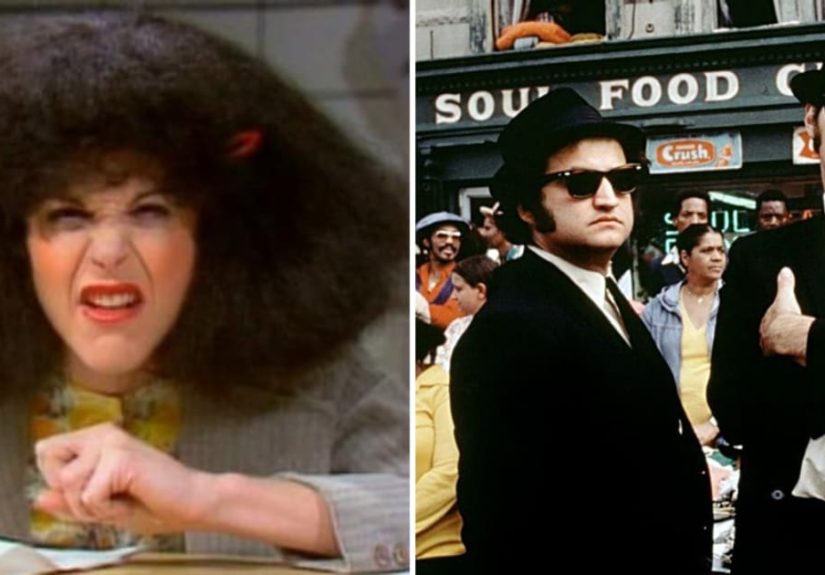
- “The Blues Brothers” (Belushi & Aykroyd Turn Sketch Energy Into Music History)
- Why These Sketches Still Feel “Alive”
- Real-Life Fan Experiences That Make These Sketches Even Better (An Extra )
- Conclusion
- SEO Tags
The first era of Saturday Night Live didn’t just launch a TV showit invented a weekly ritual: stay up too late, laugh too loud, and quote the weirdest line at your friends on Monday like it’s perfectly normal human behavior. The original “Not Ready for Prime-Time Players” (Dan Aykroyd, John Belushi, Chevy Chase, Jane Curtin, Garrett Morris, Laraine Newman, and Gilda Radner) were equal parts fearless and feral, and the sketches they helped build still feel like the blueprint for modern sketch comedy.
This ranking is “by fans” in the most honest way: it reflects what audiences keep voting up, rewatching, sharing, and arguing about decades laterthose sketches that live on through mentions in fan polls, official clips, anniversary roundups, and the eternal internet pastime of saying, “Okay but that one is the best.” It’s not a scientific measurement. It’s closer to a group chat that never ends.
How This Fan Ranking Was Put Together
“Ranked by fans” doesn’t mean every person on Earth filled out the same ballot (though honestly, that would be a hilarious and disastrous use of democracy). Instead, this list synthesizes what consistently rises to the top across fan-voted rankings, long-running popularity in rewatch culture, and recurring “greatest sketch” retrospectives. In plain English: if people keep clicking it, quoting it, or fighting over it, it probably belongs here.
The Top Original-Cast Sketches Fans Keep Coming Back To
-
“Word Association” (Richard Pryor & Chevy Chase)
This sketch is the definition of “comedy with teeth.” On paper, it’s a simple job interview turned word-association test. In practice, it becomes a brutal escalation that exposes racism and powerwithout needing to wink at the audience. Chevy Chase plays the smug interviewer; Richard Pryor plays the applicant whose patience gets tested until it snaps into a glare that could sandblast drywall.
Fans rank it high because it’s not just funnyit’s electric. The tension is real, the timing is sharp, and the ending hits like a cymbal crash. It’s one of those rare pieces where “classic” doesn’t mean “softened by nostalgia.” It’s still daring. It still lands.
-
“Bass-O-Matic ’76” (Dan Aykroyd)
An infomercial parody so iconic that “blend the whole fish” is basically shorthand for SNL’s early ability to take one dumb premise and squeeze every last laugh out of it. Dan Aykroyd commits like he’s selling a miracle product with the sincerity of a man who definitely owns three blenders and a dream.
Fans love it because it’s absurd, cleanly structured, and endlessly rewatchableespecially if you enjoy the moment when a sketch crosses the line from “commercial spoof” into “why do I feel mildly responsible for this crime?” It’s also a reminder that early SNL could be gross without being lazythere’s craft in the escalation.
-
“The Olympia Restaurant: Cheeseburger, Chips, and Pepsi” (John Belushi & Company)
Some sketches are funny because they’re clever. This one is funny because it’s relentless. The Olympia Restaurant bit turns a simple diner interaction into a looping, hypnotic chant of limited menu options. John Belushi’s counterman energy is pure bulldozer: friendly enough to talk to you, determined enough to reshape your entire order against your will.
Fans keep ranking it high because it’s instantly quotable and strangely universal. Everyone has been to a place where the menu is basically “we have what we have,” and the staff radiates the confidence of a person who has never once considered adding “salad” to their personality. It’s repetition comedy done right: the rhythm becomes the joke.
-
“The French Chef” (Dan Aykroyd as Julia Child)
If you’ve never watched Dan Aykroyd play a famously calm TV chef while turning a cooking segment into chaotic medical improv, prepare yourself. This sketch works because Aykroyd doesn’t play it as a broad parody. He plays it as a professional who simply refuses to stop the showeven as everything goes wrong.
Fans love it because it’s a masterclass in commitment: the contrast between polite instructional tone and escalating disaster is the engine. It’s also one of the cleanest examples of early SNL’s “go big, but keep it grounded” approach. The fun isn’t just the shockit’s the unwavering seriousness that makes the absurdity feel inevitable.
-
“Land Shark” (Chevy Chase and the Door Knock Heard Round the World)
The premise is simple: a “land shark” shows up at your door disguised as something harmless. The comedy is in the slow-drip persuasionthose increasingly flimsy excuses that somehow keep working. Chevy Chase’s voice and timing make the shark both ridiculous and weirdly convincing, which is exactly the problem.
Fans rank it high because it’s a perfect early-SNL fusion of silliness and suspense. You know what’s coming. The victim knows something’s off. And yet the door opens anywaybecause optimism is humanity’s oldest hobby. It’s also one of those sketches that became a cultural reference point: “Candygram” isn’t just a word; it’s a warning.
-
“Coneheads” (The Alien Family That Ate Your Snacks)
The Coneheads are classic SNL in the purest sense: one strange visual idea (alien cones living in suburban America) plus a deadpan commitment to making it feel normal. Dan Aykroyd and Jane Curtin nail the parental energystern, loving, and slightly confused by Earth customswhile the weirdness stays turned up.
Fans keep these sketches near the top because the humor is layered. On one level, it’s silly sci-fi. On another, it’s a sharp parody of assimilation, suburban etiquette, and the polite lies people tell when they don’t understand each other. Also, the Coneheads’ matter-of-fact way of speaking makes every mundane sentence feel like it arrived from a different planetwhich, technically, it did.
-
“Samurai” Sketches (John Belushi’s Beautiful Chaos)
John Belushi’s Samurai character is a controlled explosion: a warrior dropped into everyday jobs, speaking in frantic, half-invented English, and behaving with the confidence of someone who believes swords solve customer service issues. What makes these sketches special is how unpredictable they feeleven when you know the premise.
Fans rank Samurai high because Belushi’s energy is so physical it becomes a language. The comedy isn’t only in the words; it’s in the movement, the intensity, the way he barrels through “normal” settings like a hurricane wearing a ponytail. It’s also a showcase for early SNL’s live-wire vibe: sketches that felt like they might go off the rails, because sometimes they almost did.
-
“Weekend Update: Point/Counterpoint” (Jane Curtin vs. Dan Aykroyd)
If you like your comedy dry, precise, and escalating like a polite argument that slowly turns into a verbal wrestling match, welcome home. Jane Curtin plays the unshakable anchor type; Dan Aykroyd plays the argumentative foil who acts like contradiction is a sacred duty.
Fans love this bit because it’s deceptively smart. It parodies TV punditry before punditry became an Olympic sport, and it does it with rhythm: calm statement, aggressive rebuttal, escalating insult, reset. It’s also proof that early SNL wasn’t just about characters in costumesit could be hilarious with nothing but desks, headlines, and performers who understood timing down to the molecule.
-
“Roseanne Roseannadanna” (Gilda Radner’s Unstoppable Update Correspondent)
Gilda Radner’s Roseanne Roseannadanna is a force of naturepart consumer reporter, part human foghorn, part chaos gremlin who wandered into a newsroom and decided it was her stage. The joy is watching her go off-topic, double down, and somehow turn a simple question into a story that involves too much personal detail.
Fans keep her high in the rankings because Radner’s character work is fearless and specific. It’s not just loud; it’s textured. Roseanne feels like a real person you might meet at a partysomeone who starts a sentence, takes three exits, and returns to the original point 20 minutes later with a moral lesson and a conspiracy theory. Comedy gold.
-
“Emily Litella” (Gilda Radner’s Sweet Misunderstanding Machine)
Emily Litella is the gentler, older-sister counterpart to Roseanne’s chaos. The setup is always elegant: she appears on Weekend Update to respond to a hot-button issue… except she has misunderstood the issue entirely. The humor builds as she grows more passionate about a problem that does not exist.
Fans adore Emily because the character is oddly wholesome. The joke isn’t “ha-ha, old people.” The joke is the logic trap of a misunderstandingand Radner plays it with sincerity, not cruelty. And when the correction comes, Emily’s soft, embarrassed wrap-up feels like the comedic equivalent of patting your own shoulder and saying, “Well… that’s on me.”
-
“Killer Bees” (Early SNL’s Strangest Running Gag)
Killer Bees sketches are early SNL weirdness in its purest form: cast members in bee costumes treating the premise with straight-faced urgency. It’s absurdintentionally soand that’s the point. The humor comes from watching serious acting collide with an obviously ridiculous situation.
Fans rank these sketches because they represent the “anything can be a recurring bit” spirit of the original era. Not every Bee sketch is the best-written thing you’ll ever see, but the vibe is unmistakable: experimental, playful, and just chaotic enough to feel alive. It’s the kind of recurring gag that only works when performers commit 110%, and this group absolutely did.
-
“The Blues Brothers” (Belushi & Aykroyd Turn Sketch Energy Into Music History)
The Blues Brothers aren’t a traditional “sketch” in the strictest sensethey’re a performance, a persona, and a cultural moment that grew out of SNL’s early ecosystem. John Belushi and Dan Aykroyd didn’t play the characters like comedians doing a bit; they played them like musicians with a mission.
Fans keep ranking the Blues Brothers era-defining because it’s a reminder of what SNL could do beyond punchlines. It was cool, musical, and oddly sinceretwo guys in suits and sunglasses delivering a full-bodied performance that didn’t feel ironic. The fact that it expanded into albums and a film only cements what fans already felt: this wasn’t just funny. It was lightning in a bottle.
Why These Sketches Still Feel “Alive”
A lot of classic comedy survives because of nostalgia. These sketches survive because the mechanics still work. The original cast era thrived on strong premises, clear escalation, and performers who committed so hard they made absurdity feel logical. When fans keep ranking these sketches highly, they’re not just voting for “the past.” They’re voting for sketches that still feel watchableoften shockingly so.
Another reason: these bits reveal the show’s original superpowertaking pieces of American life (consumer culture, media tone, workplace tension, family dynamics, and social discomfort) and stretching them into something both ridiculous and recognizable. Even when the clothes and hairstyles scream “1970s,” the emotional beat is familiar: the awkward pause, the stubborn authority figure, the person who won’t stop talking, the door you should not open.
Real-Life Fan Experiences That Make These Sketches Even Better (An Extra )
Ask longtime SNL fans about the original cast, and you’ll notice a funny pattern: people don’t just remember the sketchesthey remember where they were when they first saw them (or when someone forced them to watch a grainy clip at a party like it was a sacred ritual). That’s the secret sauce of “ranked by fans.” The ranking isn’t only about laughs per minute; it’s about how these sketches behave in real lifehow they pop up in conversation, how they travel between generations, and how they somehow still land even when the video quality looks like it was filmed through a potato.
One common fan experience is the “late-night initiation.” Someone who grew up streaming modern SNL eventually hears, “You haven’t seen Word Association?” and suddenly they’re watching a sketch from the 1970s that feels sharper than half the internet. It’s not just funny; it’s a time capsule that still has live voltage. And the reaction is usually the same: a stunned laugh followed by, “They did that on network TV?”
Then there’s the “quote infection.” Sketches like Olympia Restaurant don’t stay on the screen. They migrate into everyday life. You’ll hear fans order food with the rhythm of the sketch, not even realizing they’re doing it until someone across the table laughs and answers in the same cadence. That’s when you know a bit has achieved the highest form of fandom: it has turned into a shared language that requires no explanationjust a nod and a grin.
Rewatch culture adds another layer. Fans who first saw these sketches as teenagers often rewatch them later and discover different jokes. As a kid, the funniest part of Bass-O-Matic might be the sheer grossness. As an adult, it’s the satire of advertising confidencethe way the presenter talks like he’s selling convenience, not chaos. The laughs change because the viewer changes, and fans love that feeling of “Wait… this is even smarter than I remembered.”
Fans also talk about these sketches like sports highlights. They don’t just say “it’s good”they replay moments: a look to camera, a pause before a line, the exact timing of a door opening, the way a character refuses to acknowledge the obvious. The original cast’s performances are full of those micro-moments that make people hit rewind. And because so many of these sketches are built on escalation, fans enjoy watching them with new viewers just to see the reaction build in real timelike introducing someone to a roller coaster and pretending you don’t know the drop is coming.
Finally, there’s the simple joy of discovery. Fans love realizing how much modern comedy borrows from the original cast era: the fake commercial format, the deadpan news desk argument, the recurring character who shows up and instantly changes the temperature of the room. Watching these sketches isn’t only nostalgiait’s like finding the source code for a lot of comedy that came after. And for fans, that’s a big reason these bits keep getting voted up: they’re not just old favorites. They’re the foundation.
Conclusion
The original SNL cast didn’t just create sketchesthey created a new kind of comedy that felt fast, risky, and weirdly intimate, like you were watching something that could only happen live. Fans keep ranking these sketches at the top because they still deliver: strong premises, unforgettable characters, and performances that feel like they’re leaning out of the TV and daring you not to laugh.
If you’re revisiting these classics, the best advice is simple: watch them like a fan. Quote them. Argue about the ranking. Show them to someone who’s never seen them and enjoy the moment when they finally get why people have been talking about a fish blender for almost fifty years.