Table of Contents >> Show >> Hide
For years, personal umbrella insurance had a branding problem. It sounded like the kind of thing only yacht owners, hedge fund managers, and people who casually say “summering” would buy. In reality, that image is getting soaked. Today’s umbrella buyer is no longer just the stereotypical high-net-worth household with a polished driveway and a lawyer on speed dial. The modern buyer is more likely to be a dual-income family with a teenage driver, a renter with strong earnings and something to lose, a homeowner with a dog and a backyard pool, or a side-property owner trying not to turn one small liability claim into a life-sized financial migraine.
That shift matters. Personal umbrella insurance is still about liability protection, but the reasons people shop for it are changing fast. Buyers are thinking less in terms of “Am I rich enough for this?” and more in terms of “How exposed am I, really?” That is a healthier question, and frankly, a more honest one. Lawsuits are expensive, defense costs are no joke, and everyday households now carry more risk than many of them realize. The result is a broader, more practical umbrella market shaped by lifestyle, digital behavior, family structure, and asset growthnot just raw wealth.
This article explores how personal umbrella purchasing profiles are evolving, why more households are entering the conversation, and what agents and consumers should pay attention to before they buy. Because in 2025, the umbrella shopper is not just protecting a mansion. Sometimes they are protecting a modest house, a promising career, a future inheritance, a rental condo, a social-media-active teenager, and a golden retriever with the soul of a linebacker.
What Personal Umbrella Insurance Really Does
At its core, personal umbrella insurance is extra liability protection that kicks in after the liability limits on underlying policies have been exhausted. Those underlying policies are usually auto, homeowners, condo, renters, or certain recreational-vehicle policies. If a serious accident or lawsuit blows past the base policy limit, the umbrella policy can pick up the rest, subject to its own terms and conditions.
That sounds straightforward, but the practical value is bigger than the textbook definition. Umbrella policies are often purchased for the “what if this gets ugly?” scenarios: a major auto accident with multiple injuries, a guest seriously hurt on your property, a claim tied to a dog bite, a rental-property liability dispute, or a defamation allegation connected to something said online. In other words, umbrella coverage is less about drama and more about financial shock absorption.
The product also appeals to buyers because liability risk is sneaky. A cracked windshield is annoying. A lawsuit is a lifestyle event. It can affect savings, future income, investment accounts, real estate equity, and peace of mind. That is why personal umbrella coverage increasingly shows up in more mature insurance conversations. It is no longer viewed as a fancy add-on. More often, it is being treated as a sensible extension of asset protection.
Why the Buyer Profile Is Changing
1. Liability risk feels more real than it used to
Consumers do not need to read insurance trade journals over breakfast to notice that claims, verdicts, and legal costs are becoming more intimidating. They see headlines. They hear stories from friends. They watch everyday incidents turn into expensive disputes. The emotional distance between “that could happen to someone” and “that could happen to me” has narrowed.
That change in awareness is one of the biggest reasons the umbrella buyer pool is widening. Historically, many people assumed they only needed umbrella coverage if they were wealthy enough to be an obvious lawsuit target. Today, more buyers understand that you do not need private-jet money to face a seven-figure claim. A bad accident, a severe injury, or a complicated liability case can create huge exposure for perfectly ordinary households.
The market itself is reinforcing that message. As pricing rises and underwriting tightens, consumers are being forced to pay closer attention to what liability protection actually does. Oddly enough, the hard market has made some buyers more serious shoppers. When premiums rise, people do more homework. They ask smarter questions. They compare terms. They think harder about why a higher liability limit might matter.
2. Assets are no longer limited to the “house and two cars” model
The old umbrella buyer stereotype centered on a neat, predictable life: one primary residence, a couple of vehicles, maybe a lake house if things were going especially well. That household still exists, but the modern risk profile is more layered. Plenty of households now own a rental property, keep a boat or camper, let a college kid come home with a vehicle, or split time between multiple residences. Even buyers without extreme wealth may have enough accumulated assets, future earnings, and lifestyle exposure to justify extra liability protection.
That means the umbrella conversation increasingly includes people who are asset-rich in ways that do not scream “luxury.” Think equity in a house, retirement savings, a solid professional income, a small rental duplex, and a teenage driver learning confidence one slightly-too-fast merge at a time. This is not old-money territory. It is everyday American asset accumulation, and it deserves protection.
3. Household structures are more complicated
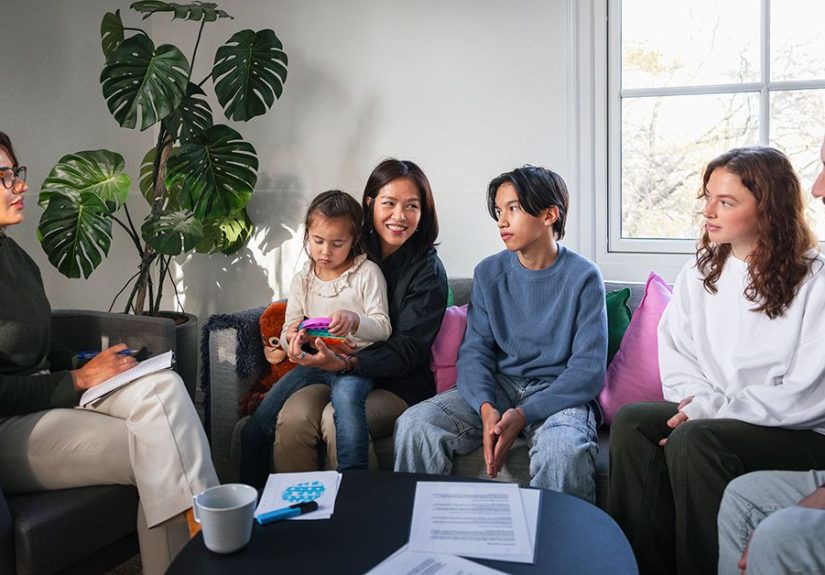
Insurance loves neat boxes. Real life loves chaos. Multigenerational households, adult children moving back home, aging parents moving in, blended families, and shared driving arrangements all make liability more complicated. One extra person in the household can mean one extra vehicle, one extra social-media risk, one extra guest, one extra dog-walking mishap, and one extra chance that the underlying limits across policies do not line up the way they should.
This is one of the most important changes in personal umbrella purchasing profiles. The buyer is no longer always a single decision-maker protecting a simple household. More often, the buyer is trying to protect a small ecosystem of people, activities, and overlapping responsibilities. Umbrella insurance becomes attractive not because the family is extravagant, but because the family is busy, layered, and exposed.
4. Renters are no longer sitting on the sidelines
One of the clearest shifts in the market is the growing relevance of renters. For a long time, umbrella insurance marketing leaned heavily toward homeowners. That made sense on paper, but it also created a blind spot. Renting does not eliminate liability exposure. A renter can still host guests, own pets, damage other people’s property, face a personal injury claim, or be sued over something that has nothing to do with owning a home.
More renters also have substantial income, investments, or career trajectories worth protecting. Some rent by choice in high-cost urban areas. Some delay homeownership while building wealth elsewhere. Some want flexibility, not a mortgage. The key point is simple: “renter” is no longer shorthand for “has nothing to protect.” In many cases, that assumption is wildly outdated.
5. Online behavior has created a new kind of family exposure
Here is the modern twist nobody asked for but everybody got: your household liability exposure now has a digital side. Social media, online reviews, viral disputes, and impulsive posting have made reputational and personal injury claims part of the umbrella conversation. Families with teenagers in particular have a new reason to think about liability in broader terms. One heated post, one unwise accusation, or one comment typed with too much confidence and too little sleep can create legal headaches that feel very offline once the attorney letters start arriving.
This does not mean every policy covers every digital mess. It does mean buyers are more alert to the possibility that personal liability is no longer confined to the driveway, backyard, or ski trip. It now lives on phones, tablets, laptops, and family group chats that should have ended forty-seven messages ago.
The New Personal Umbrella Buyer Personas
The Asset Builder
This buyer is often middle- to upper-middle-class, employed in a stable profession, and gradually accumulating wealth. They may not think of themselves as affluent, but they have enough savings, income, home equity, and future earning power to make a serious liability claim dangerous. They are not buying an umbrella policy because they feel fancy. They are buying it because they finally understand that being financially responsible also means protecting what they have built.
The Parent With a Youthful Driver
Teen drivers have always been a classic umbrella trigger, and that has not changed. What has changed is how often this profile overlaps with other risk layers: multiple vehicles, social media exposure, distracted driving concerns, and household members whose policies may not be coordinated neatly. For many families, the umbrella purchase happens the moment a teenager gets licensed and the parents suddenly remember that cars are essentially fast-moving liability machines.
The Multigenerational Household Manager
This buyer may have an elderly parent at home, an adult child back in the house, or both. Coverage questions become more complicated fast: Who qualifies as part of the household? Which autos are listed where? Are the underlying liability limits strong enough? Does the umbrella line up with the current household reality, or with the household reality from two years ago? This profile is less about income class and more about complexity. Complexity, as insurance likes to remind us, is rarely free.
The Landlord or Side-Property Owner
Another fast-growing profile is the buyer who owns a rental property, seasonal property, or income-producing side asset. Some planned for that life. Others stumbled into it after keeping a former home as a rental. Either way, owning extra property broadens liability exposure quickly. Side-property owners tend to become strong umbrella candidates because they understand one thing very clearly: tenants, guests, and maintenance issues do not always respect your weekend plans.
The Lifestyle-Risk Household
Not every umbrella buyer is motivated by wealth. Many are motivated by lifestyle. A pool, trampoline, dog, frequent entertaining, recreational vehicle, boat, or active travel schedule can all make a household feel more exposed. These buyers are often practical people who realize that fun has a legal department. They are not panicking. They are just connecting the dots between how they live and the kinds of claims that can grow teeth.
The Digitally Fluent Renter
This buyer may live in an apartment or rented home, earn a strong salary, travel often, work remotely, host friends, own a pet, and conduct a big chunk of life online. They may have no garage full of luxury toys, but they do have savings, income, mobility, and a real need to protect future assets. This profile is especially important because it breaks the outdated assumption that umbrella insurance begins only after homeownership. For many younger professionals, it may begin before it.
What Smart Buyers and Agents Should Review Before Purchase
The growing popularity of umbrella insurance does not mean buyers should shop lazily. This is still a policy that depends on coordination with underlying coverage and careful review of terms. A few practical checkpoints matter:
- Check the underlying liability limits. Umbrella coverage usually requires minimum limits on home, auto, or renters policies.
- Confirm who is actually covered. Household members, resident relatives, and drivers should not be left to assumptions.
- Review exclusions carefully. Business activity, intentional acts, and certain specialty exposures may not be covered.
- Disclose rental, recreational, and pet exposures. Surprises are fun at birthday parties, not in underwriting.
- Think about future earnings, not just current assets. A good lawsuit does not politely limit itself to what is in your checking account today.
The best umbrella purchase is not always the biggest one. It is the one that fits the buyer’s actual exposure, coordinates cleanly with the rest of the insurance program, and reflects how the household really lives nownot how it lived before the dog, the pool, the rental condo, the remote job, and the 17-year-old driver all entered the picture.
Practical Experiences From the New Umbrella Market
One of the most telling things about today’s umbrella market is that buyers often arrive with a personal story, not just a theoretical concern. Years ago, the conversation might have started with net worth. Now it often starts with experience. Someone’s friend was sued after a major car accident. A neighbor had a dog incident that turned into a legal claim. A coworker discovered their rental property exposure was much broader than they thought. These stories travel fast, and they make liability feel less abstract.
A common experience goes like this: a buyer calls for what they think is a routine auto or home review, and during the conversation the agent asks a few deceptively simple questions. Do you have a teen driver? Do you host often? Any pets? Any rental property? Any vehicles not listed the same way they used to be? What starts as a five-minute policy check turns into a small life audit. The buyer realizes their risk has changed gradually, almost invisibly, while their insurance structure stayed stuck in an earlier version of their life.
Another common experience comes from renters who assumed umbrella insurance was “for later.” Later, as it turns out, has terrible timing. They may be earning well, saving aggressively, and building a future, but because they do not own a home, they have mentally placed themselves outside the umbrella market. Then they learn that liability exposure does not care whether you own the building. If you injure someone, damage property, or face a personal injury claim, the legal and financial consequences can still be very real. For many renters, that realization is the first moment umbrella insurance stops sounding elite and starts sounding practical.
Families with teenagers tell a different story. Their umbrella-shopping moment often arrives with a mix of humor and terror. It is the season of life where parents suddenly remember that their sweet child is now licensed to operate several thousand pounds of metal near other humans. Add social media, extracurricular activities, carpools, and first-job independence, and the family risk profile changes overnight. Many parents describe umbrella insurance as the policy they did not think about until they absolutely could not stop thinking about it.
Landlords and side-property owners often describe the buying experience in even more blunt terms: the property made money on paper, but the liability risk felt personal. A loose handrail, an icy walkway, a tenant dispute, or a guest injury can turn a “nice extra asset” into a very direct legal problem. These buyers usually do not need much convincing. They are not buying peace of mind in a vague marketing sense. They are buying a buffer between one bad claim and years of financial cleanup.
Even affluent households are shopping differently now. They tend to ask sharper questions about capacity, higher limits, restrictions, and whether a policy still reflects the way they live today. They are more aware that not all umbrellas are identical, and they are less interested in buying on autopilot. In that sense, the modern umbrella market is not just broader. It is more educated. Buyers want clarity, not slogans.
The biggest shared experience across all these profiles is this: once people understand umbrella insurance in plain English, they stop seeing it as a luxury product. They see it as a protection tool for real lifemessy, mobile, digital, family-filled real life. And that may be the biggest market shift of all.
Conclusion
The changing face of personal umbrella purchasing profiles tells a simple story: liability exposure has expanded, and the buyer base has expanded with it. The modern umbrella shopper is not just wealthy. They are layered. They may be renting, raising teens, housing parents, owning side property, traveling often, posting online, or simply accumulating enough assets and future earnings to make a major claim worth worrying about.
That is why personal umbrella insurance is moving out of the old luxury lane and into the mainstream risk-management conversation. It is becoming a policy for people with something to protect, not just people with a dramatic zip code. And in a world where one everyday mistake can become an extraordinarily expensive lesson, that shift makes perfect sense.