Table of Contents >> Show >> Hide
- What Minimalism Got Right
- Why Minimalism Became Overrated
- The Trouble With the “Perfect” Home
- Why Warmer, More Personal Interiors Are Winning People Over
- Minimalism Still WorksJust Not as a Religion
- What to Do Instead of Chasing Sterile Perfection
- The Real Design Flex Is Knowing Yourself
- Experiences From a Design Skeptic
- Conclusion
- SEO Metadata
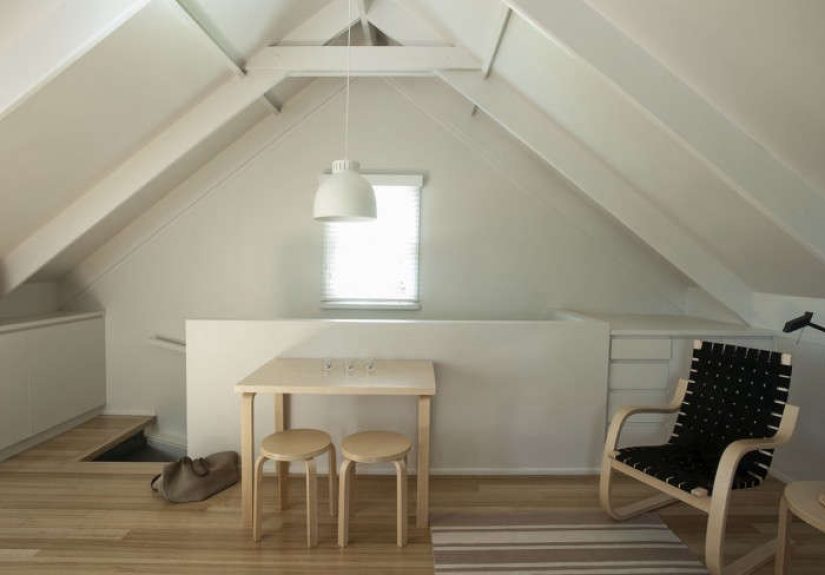
Minimalism has had a long, glamorous run. For years, it was the reigning champion of tasteful homes, the visual equivalent of ordering sparkling water and pretending you enjoy the sound of your own thoughts. White walls, pale wood, one sculptural bowl, maybe a chair so severe it looked like it had never known human joy. The message was clear: less is more, clutter is a moral failure, and your house should look calm enough to lower your blood pressure from across the street.
And yet, here we are. A lot of people are looking at those ultra-clean rooms and thinking the same thing: Is this home beautiful, or does it just look like nobody lives here?
That is the heart of the case against design minimalism. Not minimalism at its best, which can be smart, elegant, and functional. The problem is the way it became a default aspiration, a one-size-fits-all answer for how a modern home should look. Somewhere along the way, “intentional” became “empty,” “calm” became “cold,” and “edited” became “sterile.” Minimalism stopped being one design language and started acting like the only grown-up one.
This article is not an argument for chaos. Nobody is campaigning for a kitchen counter buried under unopened mail, three candle jars, and a banana that has seen better weeks. The real argument is simpler: homes should feel personal, comfortable, and alive. When minimalism forgets that, it becomes overrated.
What Minimalism Got Right
To be fair, minimalism did not become popular by accident. It solved real problems. It pushed back against visual overload. It reminded homeowners that a room does not need fifty accessories to feel complete. It celebrated clean lines, natural light, and functional furniture. In small spaces especially, minimalist design can be a lifesaver. A calm palette and fewer bulky pieces can make a studio apartment feel less like a storage unit with plumbing.
Minimalism also appealed to people who were tired of overconsumption. The core idea was sensible: buy fewer things, choose better things, and create a home that supports your life instead of swallowing it whole. In that sense, minimalism was never the villain. It was a corrective.
But every corrective has a tipping point. A good design principle can become dogma the second people stop asking whether it actually fits their real lives.
Why Minimalism Became Overrated
It turned into a personality filter
Once minimalism moved from thoughtful design choice to social-media default, it began stripping the life out of interiors. Rooms started looking polished but interchangeable. One beige sofa, one boucle accent chair, one arched mirror, one stack of art books no one has opened since the move-in day photo. It was all very chic and very suspiciously similar.
The irony is that minimalism was supposed to feel intentional. Instead, it often became formulaic. Rather than expressing taste, it flattened taste. It taught people to remove quirks before they had a chance to become charm. Family photos disappeared. Vintage furniture got swapped for generic silhouettes. Collections were hidden away because heaven forbid a shelf suggest the owner has hobbies.
A home should reveal something about the people who live there. Minimalism, at its worst, does the opposite. It behaves like a witness protection program for personality.
It confused calm with emptiness
There is a big difference between peaceful and vacant. A peaceful room has balance, softness, and intention. A vacant room feels like a luxury dentist office. Minimalism often missed that distinction. In trying to eliminate visual noise, it sometimes eliminated emotional warmth too.
This is why so many homeowners and designers have started leaning toward layered textures, warmer colors, collected objects, and more expressive details. People still want order, but they do not want homes that feel emotionally airbrushed. They want spaces that soothe them without erasing them.
It performed better in photos than in life
Minimalism is wildly photogenic. It loves a wide-angle lens. It looks amazing in a real estate listing, in a furniture catalog, and in that one Instagram post captioned “Sunday reset.” Real life, however, is less cooperative. Real life involves backpacks, charging cords, books with bent covers, dog beds, extra throw blankets, and at least one chair that exists mostly to hold clothes.
A design philosophy that only works when nobody is making coffee, doing homework, or searching for the remote is not a universal solution. It is a stage set.
The Trouble With the “Perfect” Home
Minimalism also fed a larger fantasy: that a perfect home is a controlled home. A tidy home can absolutely reduce stress, but the obsession with pristine visual order can create a different kind of pressure. Suddenly every object has to justify its existence. Every surface must remain clear. Every room is expected to look guest-ready at all times, which is a lovely standard if you are a museum and less ideal if you are a person.
The result is a home that can feel more supervised than lived in. That is not comfort. That is décor probation.
In contrast, the most inviting interiors tend to allow evidence of life. Not mess for the sake of mess, but signs of rhythm, memory, and habit. A reading lamp next to a chair that looks genuinely sat in. Handmade pottery on open shelves. Wood with visible grain. Books you actually read. A quilt from your grandmother thrown over the back of the couch because it is cold and because it means something. These things add visual richness, yes, but they also create emotional depth.
Why Warmer, More Personal Interiors Are Winning People Over
Comfort is back
People want homes that feel restorative. That does not necessarily mean loud maximalism with seventeen patterns fighting for custody of the same ottoman. It means warmth. It means rooms that feel soft, layered, and human. This is why earthy tones, tactile materials, vintage wood pieces, ambient lighting, reading nooks, and handcrafted details have become so appealing. They create atmosphere without demanding perfection.
Minimalist rooms often told people to remove. Today’s better interiors ask a more useful question: What should stay because it makes this room feel like yours?
Personality is back
For a long time, homeowners were taught to neutralize everything. Play it safe. Keep it resale-friendly. Avoid anything too specific. But a house is not a hostage negotiation. People are increasingly drawn to interiors that feel personal, even idiosyncratic. That can mean art collected over time, vintage finds, bold paint, mixed materials, or simply furniture that does not all look like it was ordered from the same six-page catalog.
And honestly, good. The best rooms usually have a point of view. They tell you what the owner loves, where they have been, what they kept, and what they refused to sand down into generic good taste.
Texture is doing what blank walls never could
One reason minimalism can feel flat is that it relies heavily on subtraction. But subtraction alone does not create atmosphere. Texture does. Think linen curtains that puddle a little at the floor. A wool rug. A worn leather chair. Oak cabinetry. Zellige tile. Plaster walls. A brass lamp that has a little age to it. These elements make a room feel lived in and layered, even if the overall design is still relatively restrained.
That is the smarter direction for modern interiors: not maximal clutter, but edited richness.
Minimalism Still WorksJust Not as a Religion
Here is the nuance that matters. Minimalism is not overrated because simplicity is bad. It is overrated because it was oversold. It works beautifully when it is flexible, warm, and personal. It fails when it becomes rigid, performative, and allergic to evidence of life.
A minimalist kitchen can be wonderful if it uses warm wood, practical storage, and lighting that does not make the room feel like an operating theater. A minimalist bedroom can feel deeply restful if it includes texture, softness, and a few meaningful objects. A minimalist living room can absolutely feel sophisticated if it makes room for comfort instead of worshipping empty space.
In other words, minimalism is strongest when it loosens up.
What to Do Instead of Chasing Sterile Perfection
Try edited abundance
You do not need to choose between an empty room and a visual yard sale. The sweet spot is edited abundance: keep what is useful, beautiful, or meaningful, and let those pieces have presence. A room can have books, art, plants, layered textiles, and character without collapsing into chaos.
Use color like you mean it
Minimalist spaces often rely on safe neutrals, which can be lovely, but they are not the only way to create calm. Deep green, clay, ochre, warm taupe, dusty blue, oxblood, chocolate brown, and muted terracotta can all make a room feel grounded and sophisticated. Color adds mood, and mood is half the reason a room feels memorable.
Mix old and new
One of the fastest ways to avoid the showroom look is to mix eras and finishes. Pair a modern sofa with a vintage wood side table. Hang contemporary art over an antique chest. Put handmade ceramics on sleek shelves. Contrast creates tension, and tension makes design interesting.
Design for your habits, not your fantasy self
If you read every night, build the room around that. If you host friends, prioritize seating and lighting for conversation. If your kids do crafts at the dining table, buy surfaces that can survive a glitter incident. The most successful interiors are not built around imaginary perfection. They are built around the daily rituals people actually have.
The Real Design Flex Is Knowing Yourself
For years, minimalism was sold as the highest form of restraint and sophistication. But design maturity is not about proving you can own fewer beige objects than the next person. It is about knowing what makes you feel at home.
Maybe that means clean lines and quiet colors with just enough texture to soften the edges. Maybe it means wallpaper in the powder room, an inherited china cabinet in the dining room, and a wildly impractical lamp you adore. Maybe it means a little of both.
That is the deeper reason minimalism is overrated: it can distract from the more important goal. A home should not merely look controlled. It should feel specific. It should support your routines, flatter your weird little preferences, and make you exhale when you walk through the door. A room with no personality may photograph well, but a room with memory, comfort, and character is the one people remember.
So yes, clear the clutter. Keep what matters. Edit ruthlessly if that helps you think. But do not confuse absence with elegance. A home does not become beautiful just because there is less in it. It becomes beautiful when what remains actually means something.
Experiences From a Design Skeptic
I have walked into minimalist homes that were undeniably stylish and still felt as emotionally welcoming as a hotel lobby with expensive soap. Everything was correct. The sofa was the right shape. The coffee table had the right book on it. The walls were painted that perfect creamy off-white that designers describe with names like “Swiss,” “Oat,” or “Soft Cloud” and everyone else describes as “beige with a press release.” But the room did not say anything. It was polished, and that was the whole story.
Then I have visited homes that broke half the so-called rules and felt ten times better. A living room with mismatched lamps, a battered wood cabinet, stacks of novels, and a dog-eared quilt can somehow feel more luxurious than a pristine, expensive room because comfort itself is a kind of luxury. One friend has a gallery wall that would absolutely horrify a die-hard minimalist. It is dense, asymmetrical, and full of odd little pieces collected over the years. It is also the first thing every guest comments on, because it feels alive. You can learn more about her in thirty seconds from that wall than from an entire minimalist house where every surface is blank.
I have also noticed that the people most devoted to severe minimalism often spend a surprising amount of time managing it. They are forever storing, hiding, rotating, and removing. That clean aesthetic is not effortless; it is labor. Meanwhile, people with warmer, more layered homes usually seem more relaxed about actual living. They have baskets, drawers, shelves, and systems, sure, but they are not treating every mug left on a side table like a design emergency.
One of the biggest turning points for me was realizing that my favorite rooms were never the emptiest ones. They were the rooms with tension: a clean-lined sofa next to an antique side chair, a sleek kitchen with handmade tile, a quiet bedroom with crumpled linen and a stack of books. Those spaces had editing, but they also had evidence. They suggested a person, not just a preference algorithm.
That is probably why minimalist homes so often impress me from a distance and disappoint me up close. They promise serenity, but sometimes deliver caution. They look disciplined, but not always generous. By contrast, the homes I keep remembering are the ones with depth, humor, patina, and small imperfections. A scratch on a vintage table. Kids’ drawings taped to the fridge. A lamp that is a little dramatic for the room and therefore perfect. These details are not distractions from good design. They are often the reason the design works at all.
So when I say minimalism is overrated, I do not mean every simple room is a mistake. I mean the obsession with visual purity can make people afraid of warmth, memory, and personality. And that is too high a price to pay for a room that looks tidy online. Give me a home that is thoughtful but not uptight, styled but not staged, beautiful but still allowed to have a pulse.
Conclusion
Minimalism is not dead, and it does not need to be. But it does need to stop acting like the final exam of good taste. The most compelling homes today are not the ones that erase life; they are the ones that shape it beautifully. They borrow the best part of minimalismclarityand combine it with warmth, story, texture, and comfort.
That is the future of smart interior design: not less for the sake of less, but enough of the right things. Enough color to create mood. Enough texture to create softness. Enough personality to make a room feel unmistakably yours. Because in the end, the goal is not to live in a picture. The goal is to live well.