Table of Contents >> Show >> Hide
There are two kinds of people in the world: (1) those who see a mask and immediately think, “mystery,” and (2) those who see a mask and immediately think, “that would be so sweaty.” Both groups are correct. And both groups keep showing upbecause masks are storytelling cheat codes. A single piece of fabric, metal, or porcelain can turn a regular person into a symbol, a legend, a warning sign, or (in some cases) the reason you’ll double-check your closet before bed.
In pop culture, masks do more than cover faces. They create instant silhouettes. They protect secret identities. They let heroes and villains become bigger than the people underneath. Sometimes they’re armor. Sometimes they’re a promise. Sometimes they’re a punchline. And when they’re done right, they’re unforgettable.
This article breaks down the greatest masked characters across comics, movies, TV, and gamesplus why their masks work so well. Expect iconic masked superheroes, chilling masked villains, and a few legends who would absolutely win “best costume” at any Halloween party (assuming the party isn’t held in Gotham).
Why Masks Make Characters Instantly Iconic
A great mask is basically a brand, a metaphor, and a plot deviceall at once. Here’s why the best iconic masked characters stick in our brains like a catchy chorus:
- Silhouette power: You can recognize them in a shadow, on a poster, or from a blurry meme your friend sends at 2 a.m.
- Symbol over biography: Masks turn “a person” into “an idea.” Justice. Fear. Resistance. Chaos. Snark.
- Instant tension: When we can’t read a face, we lean on voice, posture, and intentand the story feels sharper.
- Secret identity fuel: Masks protect loved ones, create double lives, and generate delicious drama when they come off.
- Audience participation: A mask invites us to imagine ourselves underneath. That’s why cosplay worksand why certain characters feel personal.
How We Picked “The Greatest”
“Greatest” is a big word, so we used a simple (and hopefully non-controversial) set of criteria. These characters earn their spot through a mix of:
- Cultural impact: The mask is widely recognized, referenced, and reimagined.
- Design excellence: The look communicates personality and purpose instantly.
- Story utility: The mask isn’t just decorationit changes how the character functions.
- Longevity: Decades of staying power, or modern dominance with real staying potential.
The Greatest Masked Characters (and Why Their Masks Matter)
Batman
Batman’s cowl is the blueprint for modern superhero masking: recognizable, intimidating, and psychologically strategic. In Gotham, the mask isn’t about hiding Bruce Wayne (though it does); it’s about projecting fear as a tool against criminals. The pointed ears and blank-eyed stare make him feel less like a man and more like an urban mythsomething you hear about before you see it. His identity split (“billionaire by day, vigilante by night”) also turns the mask into a storytelling engine: every decision has a cost, and the cowl is where that cost gets paid.
Spider-Man (Peter Parker)
Spider-Man’s mask is friendly, expressive, and deceptively practical. It hides a kid who’s trying to do the right thing while still worrying about school, money, and responsibility. The big eyes are a genius move: they make him readable even when he’s covered head-to-toe, which is why the design works in comics, animation, and live action. Story-wise, the mask protects the people Peter lovesand gives him the courage to be the version of himself that doesn’t quit. Also, it supports the oldest Spider-Man tradition: cracking jokes while doing impossible things.
Black Panther (T’Challa)
Black Panther’s mask is regal and tactical at the same time. It signals authority, tradition, and stealthan entire nation’s mythology distilled into a sleek panther silhouette. The suit and mask are tied to the mantle itself, meaning the identity is both personal and larger than any single person. That’s what gives Black Panther such weight: the mask isn’t just hiding a face; it represents responsibility, protection, and legacy. The design also nails the “quiet threat” vibestreamlined, elegant, and clearly not here to play around.
Deadpool (Wade Wilson)
Deadpool’s mask is the rare example of a disguise that’s both functional and comedic. It creates a cartoonish, expressive look that matches his chaotic energy, while also keeping the focus on his voice and personality. In a meta sense, the mask helps Deadpool become a “character” in the loudest possible wayan on-purpose performance that lets him swing between heroics, absurdity, and brutally honest commentary. It’s also a reminder that sometimes a mask isn’t about mystery; sometimes it’s about permission to be the weirdest version of yourself in public.
Darth Vader
Darth Vader’s helmet is one of the most famous masks in film history because it does everything at once: it’s armor, life support, intimidation, and tragedy. Visually, it’s imposingpart samurai-inspired silhouette, part machine nightmare. Narratively, it reinforces Vader’s transformation into something more than human, while still hinting that there’s a wounded person trapped inside. When the helmet is damaged or removed, it hits like a reveal even if you know the storybecause the mask is the character’s emotional wall made physical.
The Mandalorian (Din Djarin)
In The Mandalorian, the helmet isn’t a costume choiceit’s a cultural rule and a personal vow. The result is a masked character who has to communicate through action, voice, and tiny shifts in body language, which makes every moment feel intentional. The helmet also becomes a moral pressure cooker: identity, belonging, and faith collide whenever “the code” is tested. When a mask is treated as sacred, every crack in that rule becomes a plot earthquakeand that’s exactly why this character works.
V (V for Vendetta)
V’s Guy Fawkes-style mask is one of the most potent examples of a face becoming an idea. In the story, the mask isn’t about hiding from consequences; it’s about making the individual irrelevant compared to the message. That’s why the design is so memorable: the smile is theatrical, almost friendly, but it carries menace and defiance at the same time. It’s a reminder that some masked characters don’t want you to ask, “Who are you?” They want you to ask, “What do you stand for?”
Rorschach (Watchmen)
Rorschach’s mask is a walking psychological test: shifting inkblots that never settle into one expression. It’s perfect for a character defined by absolutism, paranoia, and moral intensity. The mask makes him feel unknowable even when he’s talkinglike you’re watching a judgment rather than a person. And because it’s visually simple but conceptually loaded, it has become one of the most iconic “masked antihero” designs in comics. It also proves a key rule: you don’t need a fancy helmet if your mask idea is brilliant.
Zorro
Zorro is the classic template for masked hero storytelling: a charming public identity, a secret vigilante identity, and a mask that lets justice move faster than bureaucracy. The half-mask and all-black outfit are timeless because they’re instantly readablemystery, elegance, danger, and showmanship in one look. Zorro also helped lock in a tradition that later superheroes would inherit: the mask isn’t just concealment; it’s a performance designed to inspire the oppressed and mock the corrupt.
The Lone Ranger
The Lone Ranger’s simple domino mask proves that “great” doesn’t have to mean complicated. That small strip across the eyes creates a clean visual identity and signals the character’s role as a mythic figure of the Old West. The mask separates the symbol from the manturning him into an idea audiences can rally around. It’s the kind of design that’s easy to parody but also impossible to forget, which is basically the highest compliment pop culture can give.
Ghost Face (Scream)
Ghost Face is terrifying because the mask is both distinctive and widely obtainablemeaning the horror is never just “who is the killer,” but “how easily could it be anyone?” The drooping, screaming expression is instantly recognizable, and the long black hooded look creates a silhouette that reads as “danger” even from across the street. It’s also a masterclass in franchise flexibility: the mask becomes the “character,” allowing different people underneath while the icon stays consistent. In other words, the costume is the brandand the uncertainty is the weapon.
Michael Myers (Halloween)
Michael Myers’ mask works because it’s blank. Not expressive. Not theatrical. Just eerily emptylike a face that forgot how to be a face. The story behind it (a modified, store-bought mask altered into something unsettling) fits the character’s vibe: ordinary materials becoming abnormal menace. The result is an icon of minimalist horror designproof that sometimes the scariest mask is the one that refuses to explain itself.
Sub-Zero (Mortal Kombat)
Sub-Zero’s mask is all about mythic intimidation: a cold, controlled warrior whose face is secondary to the threat he represents. In the Mortal Kombat universe, the Sub-Zero mantle carries legacy and rivalry, and the mask helps unify the character into a symbolan assassin identity as much as a person. Design-wise, the covered face emphasizes the eyes, making him feel focused and relentless. And culturally? The “masked ninja” look helped define an era of game character iconography, especially when paired with powers that are instantly recognizable even to non-players.
Honorable Mentions (Because Masks Are Everywhere)
- Jason Voorhees: The hockey mask became one of horror’s most recognizable imagessimple, durable, and instantly readable.
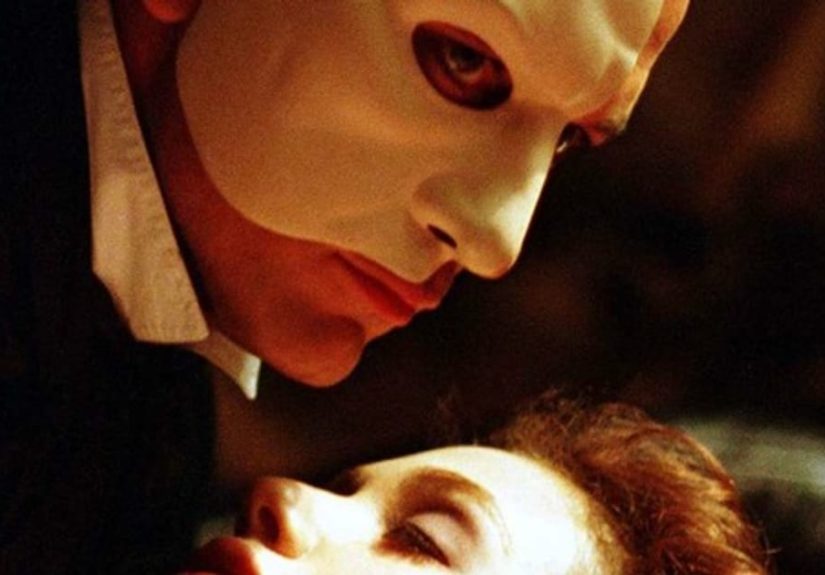
- The Phantom of the Opera: A mask that turns romance, fear, and mystery into theater history.
- The Phantom (comic hero): A masked legacy hero whose look helped shape the visual language of pulp adventure.
- Doctor Doom: Metal mask as monarchal menaceequal parts science fiction and medieval intimidation.
- Kick-Ass’ Big Daddy: A stylized mask that turns vigilantism into spectacle (and, yes, a little bit of chaos).
What These Characters Teach Us About Great Mask Design
If you’re writing, designing, or just nerding out, the pattern is clear: the greatest masks don’t simply hide. They revealnot the face, but the theme. Batman’s cowl reveals fear as strategy. Spider-Man’s mask reveals empathy and responsibility. Vader’s helmet reveals tragedy and power. V’s porcelain smile reveals rebellion. And the horror icons? Their masks reveal something even scarier: the absence of explanation.
In a world overloaded with content, a great mask still cuts through the noise. It’s visual shorthand with emotional depth. It’s storytelling you can recognize from a keychain. And it’s why masked characters keep winning, decade after decade, across every genre that wants to leave a mark.
Fan Experiences: Living Behind the Mask (and Loving It Anyway)
If you’ve ever put on a maskat Halloween, a convention, a themed run, a school play, or even a goofy group costumeyou already understand the secret power these characters have. The moment the mask goes on, something changes. Your voice shifts. Your posture adjusts. You stop being “you” and start being the idea of whoever you’re dressed as. And that tiny transformation is a big part of why masked characters are so magnetic: they invite you to participate, not just observe.
At conventions, you can watch it happen in real time. Someone in a Batman cowl stands a little taller, shoulders squared, like the cape comes with an attitude upgrade. A Spider-Man cosplayer suddenly gets more animatedhands flying, body bouncing, jokes landing fasterbecause the mask gives permission to be playful. Black Panther cosplayers often carry a quiet confidence, like the suit itself demands dignity. And then there are the horror masks: people wearing Ghost Face or a blank white showpiece will move slower, loom a little longer, and get laughs and screams in equal measurebecause even a harmless costume can borrow a character’s “vibe.”
Masks also create a weirdly wholesome social effect. If your face isn’t visible, strangers focus on other signals: your gestures, your costume details, the props you built, the way you “act” the character. That’s why masked cosplay can feel surprisingly freeing for shy fans. You’re not being judged as a person; you’re being appreciated as a performance. Even simple masks do this. A cheap domino mask can turn a friend group into “a crew.” A well-made helmet can make you feel like you walked out of your favorite scene. And when someone recognizes the character instantlywithout you saying a wordthat little moment of connection is pure dopamine.
Of course, there’s also the practical side: masks are hot, foggy, and occasionally a danger to your ability to locate snacks. Anyone who has tried to drink a soda while wearing a full helmet has earned a medal in modern engineering. But that struggle is part of the shared experience. Fans trade tips like sacred knowledge: anti-fog wipes, hidden vents, removable panels, hydration breaks, and the universal truth that you should never wear a complicated mask if you’re planning to eat nachos.
And that’s the point: masked characters endure because masks are interactive symbols. They let people try on bravery, mystery, rebellion, and humorsometimes all in one night. You don’t need superpowers to understand why Batman’s cowl feels powerful or why Spider-Man’s mask feels hopeful. Put something over your face, look in the mirror, and you’ll feel it: the mask isn’t hiding you. It’s revealing the story you want to tell.