Table of Contents >> Show >> Hide
- Why Open Shelving Took Over American Kitchens
- Why Designers Secretly Hate Open Shelving
- When Open Shelving Actually Works
- What Designers Prefer Instead
- How to Decide if This Kitchen Trend Is Right for You
- Smarter Alternatives That Keep the Airy Look
- The Bottom Line
- Living With the Trend: A 500-Word Reality Check From Real Kitchens
There was a time when the modern dream kitchen came with a glossy island, a photogenic pendant light, and at least one floating shelf holding a ceramic vase that had clearly never met spaghetti sauce. Open shelving looked fresh, breezy, and a little bit smug in the best possible way. It told the world, “Yes, I cook. No, I do not own ugly mugs.”
And that is exactly why designers have such a complicated relationship with it. The trend is still popular because it photographs beautifully, makes a kitchen feel lighter, and lets homeowners show off dishware, cookbooks, and pretty serving pieces. But behind the scenes, many designers are quietly muttering the same thing: this is one of the most impractical kitchen trends to ever charm the internet.
So let’s say it plainly. The popular kitchen trend designers secretly hate is open shelving. Not because it is always ugly. Not because it can never work. But because for most real households, it asks a lot. It asks you to dust more, style more, hide less, and pretend your everyday life looks like a magazine spread on a random Wednesday at 6:17 p.m.
If you are planning a kitchen remodel, rethinking your storage, or just wondering why your beautiful floating shelves somehow now look like a yard sale with olive oil, here is the deeper story. This is why open shelving in the kitchen became so popular, why designers are cooling on it, and what to do instead if you want a kitchen that is both attractive and genuinely livable.
Why Open Shelving Took Over American Kitchens
Open shelving did not become a kitchen design trend by accident. It hit the sweet spot between style and aspiration. Traditional upper cabinets can feel heavy, especially in small kitchens. Floating shelves, on the other hand, make a room look airy, relaxed, and a little more custom. They also feel less formal, which fit perfectly with the rise of farmhouse kitchens, organic modern spaces, and that whole “my house is casual but somehow also camera-ready” era.
There was another reason people fell in love with the idea: personality. Cabinets hide everything. Shelves let you display your favorite stoneware bowls, vintage glasses, handmade pottery, cookbooks, and that one adorable brass pepper mill you bought because you were having a main-character moment at a home store. Suddenly, storage doubled as decor. Functional items became part of the room’s style story.
And yes, there was the budget angle. In some projects, open shelves cost less than full upper cabinetry. That made them attractive in remodels where homeowners wanted impact without paying for a wall of custom cabinets. Less material, less visual bulk, instant charm. On paper, it was a very convincing sales pitch.
The problem is that kitchens are not just style zones. They are work zones. They get steam, grease, crumbs, fingerprints, grocery overflow, random mail, snack wrappers, and family members who absolutely do not return things to their designated places. A trend that looks fantastic in a staged photo can become a full-time job once real life moves in.
Why Designers Secretly Hate Open Shelving
It Turns Dust Into a Decorating Theme
The number one complaint is also the least glamorous: dust. Kitchens may be the heart of the home, but they are also a surprisingly efficient system for circulating grime. Even if you cook lightly, open shelves collect dust faster than closed cabinets. If the shelves are near the range, they may also catch grease particles, which means your lovely stack of bowls is quietly marinating in a fine film of kitchen reality.
Cabinet doors exist for a reason. They are little shields. They keep the mess of daily living from settling directly onto every plate, mug, and serving platter you own. With open shelving, you lose that protection. Suddenly, everything needs a rinse before guests arrive, and your “easy access” storage has turned into a part-time cleaning hobby. Not exactly the luxury experience people imagined.
Your Clutter Stops Hiding and Starts Performing
Closed cabinetry is forgiving. Open shelving is not. Cabinets allow you to live like a normal person. Shelves demand that you live like a minimalist art director with excellent taste in stoneware. Every item is visible. Every stack matters. Every cereal box, kid cup, protein shaker, plastic container lid, and novelty mug becomes part of the visual composition whether you like it or not.
This is the point where many homeowners realize they do not actually want “display storage.” They want storage. They want a place to put the weird blender attachment, the mismatched coffee cups, the paper towels, the backup salt, and the ugly-but-useful things that make a kitchen function. Open shelving does not eliminate clutter. It simply removes the doors that used to hide it.
That is why designers often say open shelving looks amazing when it is curated and terrible when it is just used. And most people, understandably, need their kitchens to be used.
You Usually Lose More Storage Than You Think
One of the biggest myths in kitchen design is that shelves are just a prettier version of cabinets. They are not. Cabinets offer enclosed, stackable, layered storage. Shelves are shallower, more exposed, and far less forgiving. You can often fit more into a properly planned cabinet, especially when it includes drawers, pull-outs, dividers, or vertical organizers.
Designers care deeply about storage because they know bad storage creates bad kitchens. A kitchen can have gorgeous countertops and perfect paint, but if the storage plan is weak, the room will feel chaotic fast. That is one reason the conversation has been shifting toward concealed storage, appliance garages, pantry space, deep drawers, and floor-to-ceiling cabinetry. Homeowners want beauty, yes, but they also want a place to hide the air fryer.
It Ages Faster Than People Expect
Open shelving can still look current in the right room, but whole walls of floating shelves already feel less fresh than they did a few years ago. Trends that arrive with a big social-media boom tend to fade once everyone has copied them, and this one is no exception. In fact, part of the pushback from designers is not just about practicality. It is also about longevity.
A timeless kitchen usually does not scream for attention. It relies on good proportions, durable materials, smart storage, and details that still make sense five or ten years later. Open shelving can work as a design accent, but when it becomes the main storage strategy, it often reads more “era-specific trend” than “lasting design choice.” And if resale matters to you, that distinction matters too.
It Demands a Certain Personality Type
Here is the most honest design question no one wants to answer during a remodel: are you neat enough for open shelves? Not theoretically. Actually. In the real world. On a busy Tuesday. After dinner. When groceries just came in, the dishwasher is half unloaded, and someone has left a bag of chips open on the counter for reasons known only to them.
Open shelving works best for homeowners who are naturally organized, visually disciplined, and willing to edit what they own. That is a perfectly valid lifestyle. It is also not the default setting for most families. Designers know this, which is why many of them try to gently steer clients toward more forgiving storage solutions.
When Open Shelving Actually Works
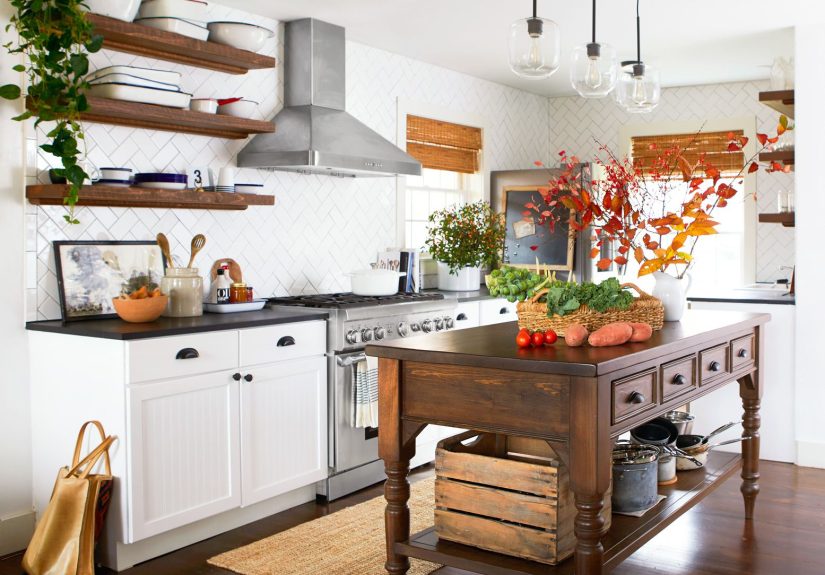
To be fair, designers do not hate every version of open shelving. What they usually hate is too much of it, or the wrong kind of it. A little open shelving can be smart. In a small or dark kitchen, replacing one bulky upper cabinet with a narrow shelf can make the room breathe. In an awkward corner, a short shelf can turn dead space into something useful. In a coffee station, bar nook, or baking zone, open shelves can hold the things you reach for constantly.
The keyword is restraint. One shelf? Charming. A thoughtfully placed pair flanking a window? Potentially lovely. An entire wall with no upper cabinets and nowhere to hide real-life stuff? That is where designers start rubbing their temples.
Open shelving also works better when what you are displaying is genuinely pretty and consistently used. Everyday plates, matching glasses, ceramic bowls, and frequently reached-for serving pieces can earn their keep. Random plastic cups from soccer season, less so. The goal is not to create a museum. It is to make sure the visible items are both functional and visually calm.
What Designers Prefer Instead
Concealed Storage That Does the Heavy Lifting
If you have noticed a return to pantries, taller cabinetry, appliance garages, and deep drawers, there is a reason. Designers are prioritizing kitchens that feel serene because they are organized, not because they are pretending not to own things. Concealed storage lets you keep daily clutter out of sight, which makes the room feel more polished with a lot less effort.
This is especially helpful in open-concept homes where the kitchen is visible from living and dining areas. When every room flows together, the visual mess in one room becomes visual noise in all of them. Closed cabinetry gives the eye a break. It also gives you an actual place to put the waffle maker.
Glass-Front Cabinets for the Best of Both Worlds
If your heart still wants display space, glass-front cabinets are the diplomatic solution. They offer the lighter, more open look people love, but with protection from dust and grease. They can showcase beautiful dishware without forcing every item to live exposed to the elements. Think of them as open shelving with boundaries, which is a sentence that also applies to several people’s text messages.
A Mixed Storage Plan
The smartest kitchens today tend to mix closed and open storage. Maybe you use mostly cabinets, then add a single wood shelf over a backsplash for art, olive oil, or a few favorite pieces. Maybe the pantry handles overflow, while a glass-front hutch stores serving ware. Maybe drawers below do the real work, while one floating shelf adds softness to a wall.
This mixed approach feels more custom and less trend-chasing. It also respects the fact that a kitchen needs both beauty and containment. Designers love that balance because it looks intentional without becoming exhausting.
How to Decide if This Kitchen Trend Is Right for You
Before you rip out your upper cabinets in the name of airy sophistication, ask yourself a few brutally useful questions. Do you enjoy styling shelves, or do you enjoy the idea of styling shelves? Are your dishes cohesive enough to sit out all day without making the room feel busy? Do you have a pantry or plenty of base cabinet storage? Are you willing to clean visible dishes and surfaces more often? And perhaps most important: do you want your kitchen to feel photogenic, or effortless?
There is no wrong answer. But there is a very expensive answer, and it usually starts when someone installs a full wall of open shelving before realizing they actually prefer cabinets.
Smarter Alternatives That Keep the Airy Look
If you love the visual lightness of open shelving but not the maintenance, there are several designer-approved alternatives. Try lighter cabinet colors, slimmer cabinet profiles, or warm wood finishes that feel less bulky. Use glass-front uppers in one section instead of shelves across the whole wall. Add one well-placed shelf in a low-risk zone, such as a coffee station or breakfast nook. Consider reeded or fluted glass if you want softness and partial concealment. And invest in drawers, pull-outs, and pantry storage so your kitchen feels easy to live in, not just easy to photograph.
That is the real shift happening in kitchen design right now. Homeowners still want beautiful rooms. They just want rooms that support daily life instead of demanding a daily performance.
The Bottom Line
So, what is the popular kitchen trend designers secretly hate? It is open shelving, especially when it replaces too much practical storage. The issue is not that it can never work. The issue is that it often asks ordinary households to behave like set designers. It creates more cleaning, more visual pressure, and less room to hide the gloriously unglamorous tools of modern life.
The best kitchen design trends are the ones that survive contact with reality. They still look good when the coffee is brewing, the groceries are half unpacked, and someone has left a spoon in the sink. That is why so many designers are moving toward concealed storage, layered cabinetry, thoughtful display moments, and kitchens that feel warm, personal, and wonderfully functional.
In other words: by all means, keep one beautiful shelf for your favorite ceramics. Just maybe do not ask it to carry the emotional and organizational burden of your entire kitchen.
Living With the Trend: A 500-Word Reality Check From Real Kitchens
Ask anyone who has lived with too much open shelving for more than a few months, and the conversation gets honest very quickly. At first, the shelves feel exciting. The kitchen seems bigger. Brighter. Cooler. You unpack your bowls, line up your glasses, add a tiny plant, and step back like you have just won a home makeover show. For a moment, it feels like you have become the sort of person who decants lentils on purpose.
Then actual life arrives. The first clue is usually visual. One grocery run later, the tidy composition starts to wobble. There is a stack of everyday plates next to three random mugs, a half-used bag of coffee, vitamins, a paper towel roll, and a jar of marinara that somehow migrated upward even though jars do not belong on decorative shelves in any known design philosophy. Because the shelves are open, nothing disappears. Every object votes.
The second clue is cleaning. People often assume cabinets are fussy because they have doors and hardware. In practice, cabinets are easier because they hide the chaos and protect what is inside. Open shelves demand attention. You wipe the shelf. Then the dishes. Then the rims of the glasses. Then the vase you forgot about. Then the bottom of the olive oil bottle because it has made that mysterious sticky ring that seems to appear no matter how carefully it is handled. If the shelves are anywhere near the stove, congratulations: now you are also negotiating with grease.
There is also the psychological part, which no one mentions in the inspirational photos. Open shelving makes a kitchen feel slightly “on” all the time. With cabinets, you can leave a few things imperfect and close the door. With shelves, the room keeps asking to be corrected. Straighten the stack. Remove the mismatched mug. Hide the protein powder. Move the snack basket. Restyle the cookbook pile. The kitchen slowly turns from a workspace into a low-stakes visual exam you did not agree to take.
That said, many people do not regret every bit of open storage. What they regret is overcommitting to it. A single shelf above a coffee station can be charming and useful. A small pair of shelves in a breakfast nook can feel warm and personal. A bar area with pretty glassware on display can look inviting. The problem begins when open shelving stops being an accent and starts being a storage plan.
That is the lesson real kitchens tend to teach. Beauty matters, but ease matters more. A kitchen should help you cook, clean, gather, snack, reheat leftovers, unload groceries, and live your life without asking for a styling session every weekend. The homeowners who end up happiest are usually the ones who keep the pretty part small and let practical storage do the heavy lifting. It is not as flashy as a perfectly curated shelf wall. But it is a lot more lovable after six months of actual dinners.