Table of Contents >> Show >> Hide
- We didn’t “get addicted” to prescriptionsour whole system did
- First, the part nobody should forget: prescriptions save lives (a lot of them)
- The big driver: chronic disease turned into a full-time roommate
- Short visits, big decisions: the “15-minute medicine” problem
- Why “more meds” happens: polypharmacy, prescribing cascades, and the snowball effect
- Medication safety: the quiet costs nobody advertises
- Marketing, but make it medical: how drug ads shape what we expect
- The money maze: why prescriptions can be expensive even when you’re “covered”
- Two crises that taught us the same lesson
- What we rarely admit: meds are often filling gaps that society created
- So what’s the “untold truth” really?
- How to make medication use safer (without demonizing it)
- Conclusion: the future shouldn’t be “pill or nothing”
- Experiences that capture the reality (and the weirdness) of prescription reliance
- Experience 1: “I have a pharmacy in my kitchen, and I didn’t mean to”
- Experience 2: “The commercial made it sound like my life was one prescription away”
- Experience 3: “I rationed my meds, and I felt guiltyuntil I learned it’s common”
- Experience 4: “When I finally got support beyond pills, everything changed”
- Experience 5: “Deprescribing felt scaryuntil it felt like relief”
Important note: This article is for general education, not medical advice. Never start, stop, or change a prescription medication without talking with a licensed clinician who knows your health history.
We didn’t “get addicted” to prescriptionsour whole system did
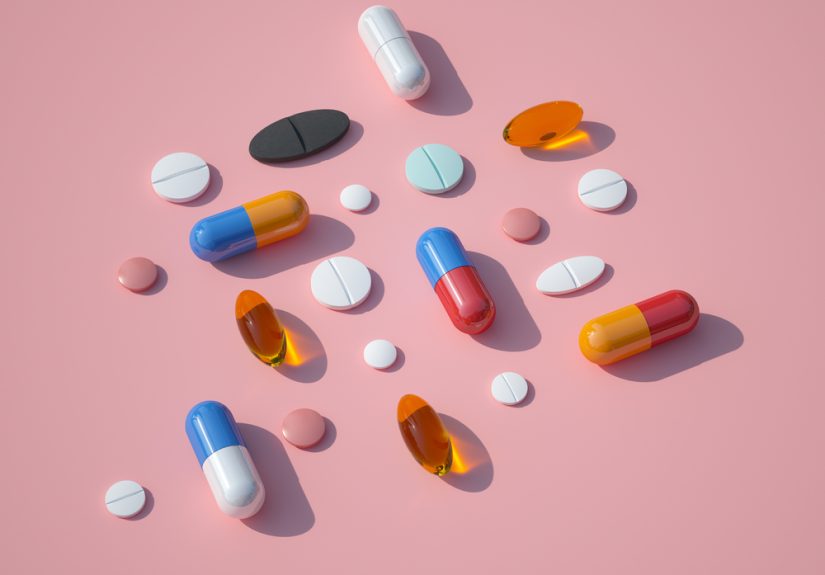
If modern America had a national soundtrack, it might be the gentle rattle-rattle of a pill bottle in a purse, backpack, or kitchen drawer.
Prescription medications are everywhere: blood pressure pills, insulin, inhalers, antidepressants, cholesterol meds, migraine preventives, ADHD stimulants,
cancer therapies, autoimmune injectables, and a growing category of metabolic drugs that can change lives in months.
Here’s the untold truth: our reliance on prescription drugs isn’t just about “people wanting a quick fix.” It’s a predictable outcome of how U.S. healthcare is builthow we pay for care,
how short appointments shape decisions, how advertising influences expectations, and how chronic disease quietly became the default setting for millions of families.
Medications are often the most effective, evidence-based tool we have. But they can also become the tool we reach for firstand sometimes the only tool we can access.
First, the part nobody should forget: prescriptions save lives (a lot of them)
If you’ve ever watched an antibiotic pull someone back from a serious infection, seen asthma controlled with the right inhaler, or known someone whose blood pressure dropped from “silent danger” to “manageable,”
you’ve seen the best version of modern medicine. Vaccines get the headlines, but prescription drugs are the daily workhorses.
For many conditionsepilepsy, HIV, heart failure, severe depression, cancer, autoimmune diseasemedication isn’t a “crutch.” It’s the bridge between living and merely surviving.
The real question isn’t whether prescriptions are good or bad. It’s why we so often end up depending on them without also building the support systems that make medications safer, cheaper, and truly optional when appropriate.
The big driver: chronic disease turned into a full-time roommate
The U.S. has high rates of chronic conditions that require long-term management: hypertension, type 2 diabetes, high cholesterol, asthma, anxiety and depression, chronic pain, and more.
Chronic disease doesn’t arrive with a dramatic movie soundtrack. It shows up as “your numbers are creeping up,” “your sleep is wrecked,” or “your knee has been mad for two years.”
When a condition is chronic, medication becomes a long-term relationship. And like any relationship, it’s shaped by the environment.
In a perfect world, medication is paired with nutrition support, movement plans tailored to real schedules, therapy access, sleep treatment, stress reduction, and regular follow-ups.
In the real world, many people get a prescription and a polite wave goodbyebecause the clinic is booked, insurance is complicated, and everyone is tired.
Short visits, big decisions: the “15-minute medicine” problem
U.S. healthcare often runs on short appointments. That forces clinicians to prioritize immediate safety and the most treatable next step.
Medications fit that reality. A prescription can be written today. Lab follow-up can be scheduled. Symptoms can improve quickly.
Compare that to lifestyle counseling done well: it requires time, coaching, and repeat visits. Therapy? A waitlist. Physical therapy? Prior authorization.
Nutrition support? Sometimes not covered. Sleep studies? Months away.
So the system nudges everyonepatients and providerstoward the tool that’s available now. It’s not laziness. It’s triage.
Why “more meds” happens: polypharmacy, prescribing cascades, and the snowball effect
As people age (and as conditions pile up), it’s common to take multiple medications. This is called polypharmacy, and it can be appropriateespecially for complex health needs.
But it can also raise the risk of interactions, side effects, and “symptoms caused by the fix.”
Polypharmacy isn’t automatically baduntil it becomes unmanaged
Taking several prescriptions can be the safest plan for someone with heart disease, diabetes, and kidney disease. The danger is when the list grows without regular review.
A medication added years ago may no longer be needed. A dose that made sense before a weight change, pregnancy, or new diagnosis might now be too strong.
A drug that helps one symptom may quietly worsen another.
The prescribing cascade: when side effects become “new diseases”
One of the most common hidden patterns is a prescribing cascade:
- A medication causes a side effect (like swelling, dizziness, reflux, constipation, insomnia, or fatigue).
- The side effect is mistaken for a new condition.
- A second medication is prescribed to treat the side effect.
- The second medication brings its own side effectsand the list keeps growing.
Nobody is trying to create chaos. It’s just what happens when healthcare is fragmented and follow-up time is scarce.
Medication safety: the quiet costs nobody advertises
Prescription drugs can cause adverse drug eventsharmful reactions, overdoses, interactions, or complications from normal use.
Many are preventable with better medication reconciliation (making sure every clinician has the same accurate list), clearer instructions, and routine reviewsespecially for older adults.
The hard part? Medication risk is rarely dramatic at first. It can look like a fall, confusion, stomach bleeding, heart rhythm changes, or “I just don’t feel like myself.”
That’s why safety isn’t only about the pillit’s about the system around the pill.
Marketing, but make it medical: how drug ads shape what we expect
In the U.S., prescription drug advertising aimed directly at consumers is legal under specific rules. That matters because it changes the starting point of many conversations.
Patients often show up not asking, “What’s the best treatment plan?” but “Should I be on that medicine I saw during the game?”
Direct-to-consumer advertising can increase awareness and reduce stigma (especially for conditions like depression or migraine).
But it can also blur the line between education and persuasion, especially when benefits are presented in friendly, cinematic terms and risks are delivered at auctioneer speed.
The untold truth here is simple: when healthcare feels confusing and rushed, advertising can become a substitute for counselingbecause it’s the loudest voice in the room.
The money maze: why prescriptions can be expensive even when you’re “covered”
People often assume the price of a drug is the price on the label. In reality, U.S. drug pricing is a maze involving manufacturers, insurers, pharmacy benefit managers (PBMs), rebates, formularies,
and cost-sharing. The result is that two people can pay wildly different amounts for the same medication, depending on coverage, pharmacy, and timing.
This is where reliance becomes risky. If a medication is essential but unaffordable, people may delay refills, split doses, or stop taking itsometimes without telling their clinician because they’re embarrassed
or don’t want to “cause trouble.” That can make chronic disease worse and increase hospitalization risk.
It’s also why “just take your meds” can sound like a joke to someone staring at a pharmacy receipt that feels like a car payment.
Two crises that taught us the same lesson
1) The opioid era: when relief turned into harm
Prescription opioids remain important for certain kinds of pain, especially acute pain, cancer pain, and end-of-life comfort.
But the last two decades also showed what happens when a powerful medication meets aggressive prescribing, uneven oversight, and social stressors: dependence and overdose can follow.
The story isn’t “doctors were careless” or “patients were weak.” It’s that pain is real, relief is urgent, and the system historically rewarded prescribing more than long-term, multidisciplinary pain care.
Better guidelines and monitoring have helped reduce opioid prescribing rates in recent years, but the larger takeaway remains: medication is never “just a medication” when the surrounding care is missing.
2) Antibiotics: when “just in case” creates a future problem
Antibiotics are miraclesuntil they’re used when they won’t help (like for viral infections) or used incorrectly. Overuse and misuse contribute to antimicrobial resistance,
meaning infections become harder to treat and require stronger drugs with more side effects.
Antibiotic resistance is a reminder that prescriptions don’t only affect the person taking them. They shape public health.
The quick fix today can become a harder fix tomorrow.
What we rarely admit: meds are often filling gaps that society created
Medications frequently stand in for things people need but can’t access:
- Mental health care when therapy is unaffordable, unavailable, or stigmatized.
- Safe housing and stable income when stress and instability drive insomnia, anxiety, and chronic illness.
- Healthy food environments when ultra-processed options are cheap, fast, and everywhere.
- Time when people juggle jobs, caregiving, school, and burnout.
- Long-term coaching when behavior change is expected to happen after a five-minute lecture.
In that sense, prescriptions aren’t just medical toolsthey’re social tools. They help people function in a world that doesn’t always make functioning easy.
So what’s the “untold truth” really?
Here it is, with no dramatic music: our reliance on prescription medications is a rational response to an irrational setup.
When the healthcare system is fragmented, time-limited, and expensiveand when daily life is stressful and chronic disease is commonmedications become the most accessible form of care.
The problem isn’t that people take prescriptions. The problem is when prescriptions become the only plan.
How to make medication use safer (without demonizing it)
The goal isn’t “fewer meds at all costs.” The goal is the right meds, at the right dose, for the right reason, with the right follow-up.
Here are practical, system-friendly ways people can reduce unnecessary medication burden while protecting what truly helps:
1) Ask for a medication review (especially if you take 3+ meds)
- Bring an up-to-date list (or the actual bottles) to appointments.
- Ask what each medication is for and whether it’s still needed.
- Ask about interactions, duplications, and simpler regimens.
2) Watch for “new symptoms” after a new prescription
If something changes soon after starting or increasing a medicationsleep, appetite, dizziness, stomach issues, mood, energytell a clinician or pharmacist.
Don’t assume it’s just aging or stress.
3) Treat cost as a medical issue, not a personal failure
If a prescription is unaffordable, say so. Clinicians and pharmacists can sometimes suggest generics, therapeutic alternatives, different dosing strategies, or assistance options.
(The worst option is silently not taking it and hoping your body doesn’t notice.)
4) Build the “non-pill plan” alongside the pill plan
For many conditions, medication works best when paired with other supports: nutrition counseling, physical therapy, sleep treatment, therapy, stress reduction, community support,
and manageable movement. Even small changes can reduce dose needs over time for some peopleunder clinical supervision.
5) Learn the difference between dependence, tolerance, and addiction
Some medications can cause physical dependence when used long-term, meaning stopping suddenly can be dangerous. That’s not a moral failureit’s biology.
If a medication needs to be reduced, it should be done carefully with medical guidance.
Conclusion: the future shouldn’t be “pill or nothing”
Prescription medications are one of the greatest achievements of modern health care. But our dependence on them often reveals what’s missing: time, continuity, affordability, and support.
If the U.S. wants a healthier relationship with prescriptions, it’s not about shaming people for taking meds. It’s about building a system where medication is one strong tool among many
not the only tool left in the box.
Experiences that capture the reality (and the weirdness) of prescription reliance
The stories below are composite examples based on common real-world patterns, not any one individual’s medical record.
Experience 1: “I have a pharmacy in my kitchen, and I didn’t mean to”
One of the most common experiences people describe is waking up and realizing their morning routine includes a lineup of bottles that looks like a tiny choireach one waiting to sing its part.
It rarely starts that way. It starts with one prescription after a checkup: a blood pressure medication, maybe. Then a second, because the first helped but not enough.
Then something for reflux because a new pill feels rough on the stomach. Then a sleep aid because reflux plus stress equals 3 a.m. ceiling-staring.
What surprises many people isn’t the number of medicationsit’s how quickly the list becomes “normal.” The untold truth is that polypharmacy can happen without anyone doing anything “wrong.”
It’s often a slow drift caused by life changes, multiple specialists, and the very human tendency to solve today’s problem today.
People often describe a turning point: a new doctor or pharmacist asks, “Do you still need all of these?” and it’s the first time anyone has said it out loud.
Experience 2: “The commercial made it sound like my life was one prescription away”
Many Americans can describe a specific moment: seeing a cheerful TV ad that turned a complicated health condition into a neat story with a scenic jogging trail and an upbeat guitar riff.
The message lands because it’s hopeful: you don’t have to suffer. That part is real and important.
But people also describe the whiplash of learning that the medication might require prior authorization, a specialty pharmacy, step therapy, or a copay that feels like rent.
Others talk about going to a doctor with a brand name in mind and feeling awkward when the clinician says, “Let’s talk about whether it fits you.”
In the best case, that conversation becomes shared decision-making. In the worst case, it becomes frustrationbecause the system trained patients to shop for solutions while also making solutions hard to access.
Experience 3: “I rationed my meds, and I felt guiltyuntil I learned it’s common”
Another experience people report is the “quiet math” at the pharmacy counter: deciding which medication gets filled now and which one can wait.
People don’t always call it rationing. They call it “stretching,” “being careful,” or “just making it to payday.”
Some split pills. Others take doses every other day. Some skip refills and hope symptoms don’t rebound.
The emotional part is heavy: shame, worry, and the fear of being judged. Many people only admit it after a clinician asks directly, in a nonjudgmental way.
When cost becomes a barrier, reliance on medication turns into a health riskbecause the prescription exists on paper, but not in reality.
Experience 4: “When I finally got support beyond pills, everything changed”
The most hopeful stories often share a theme: medication plus support beats medication alone.
People describe getting access to therapy and noticing they needed fewer “as needed” medications for panic symptoms.
Or starting physical therapy and reducing their reliance on pain meds because they could move without fear.
Or meeting with a diabetes educator and realizing their medication wasn’t a punishmentit was a tool, and they could also learn skills that made the tool work better.
These experiences don’t claim that everyone can “lifestyle” their way off prescriptions. That’s not realistic or fair.
But they do show something important: when people are given time, education, and consistent follow-up, medication becomes part of a plan instead of the whole plan.
Experience 5: “Deprescribing felt scaryuntil it felt like relief”
Some people describe the fear of changing medications, especially ones they’ve used for years.
The worry makes sense: “What if symptoms come back?” “What if I get worse?” “What if this is the thing holding me together?”
When deprescribing (carefully reducing or stopping a medication under medical supervision) is appropriate, people often say the process felt slower than expectedlots of check-ins, small steps, and careful monitoring.
And when it works, the payoff can be simple but profound: clearer thinking, fewer side effects, fewer drug interactions, fewer daily reminders that the body is “a project.”
Even when they remain on necessary medications, people often say the review itself was empoweringbecause they finally understood what they were taking and why.