Table of Contents >> Show >> Hide
- What Makes the Vincent Driftwood Christmas Tree So Appealing?
- Why Driftwood Works So Beautifully for Christmas
- How to Decorate the Vincent Driftwood Christmas Tree
- Where the Tree Looks Best in the Home
- Lighting and Safety Tips That Actually Matter
- Why This Tree Feels So Personal
- Experiences Related to The Vincent Driftwood Christmas Tree
- Conclusion
- SEO Tags
Some Christmas trees arrive like marching bands. They sparkle, shout, and shed enough needles to form a second, smaller forest under your sofa. The Vincent Driftwood Christmas Tree does not do that. It strolls in quietly, looking like it just got back from a very tasteful walk on the beach, and somehow becomes the most interesting thing in the room.
That is the magic of a driftwood Christmas tree. It is part holiday decoration, part sculpture, part personality test. If you love clean lines, natural texture, and a Christmas setup that says, “Yes, I am festive, but I also know the difference between warm white and blue-white lighting,” this kind of tree makes perfect sense. It blends coastal style, rustic warmth, and modern restraint in a way that feels fresh rather than forced.
When people hear the phrase Vincent Driftwood Christmas Tree, they often picture a distinctive holiday centerpiece made from weathered wood, arranged in a tree silhouette, and styled with a light hand. That image works because driftwood trees sit in a sweet spot between tradition and reinvention. They still honor the symbolism of the Christmas tree, but they skip the bulk, the mess, and the annual wrestling match with tangled branches and mystery ornament hooks from 2018.
In other words, this is the tree for people who love Christmas but would also like to see their coffee table between Thanksgiving and New Year’s Day.
What Makes the Vincent Driftwood Christmas Tree So Appealing?
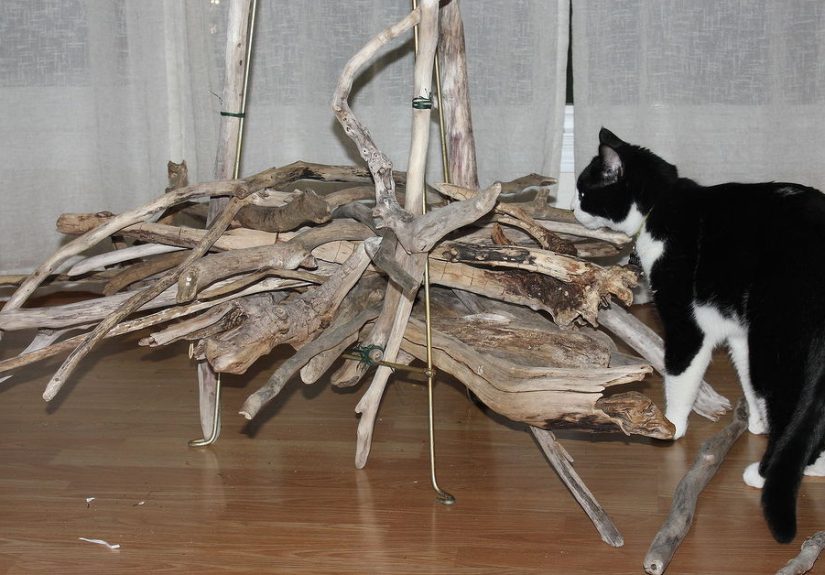
The first thing is texture. A traditional evergreen offers softness and fullness. A driftwood tree offers shape and character. Every piece of wood has a story written in grain, curve, wear, and tone. Some pieces are smooth and pale. Others are sun-bleached, twisted, or beautifully imperfect. Together, they create a tree that feels collected rather than manufactured.
The second thing is style flexibility. A driftwood Christmas tree can lean coastal, minimalist, Scandinavian, farmhouse, rustic-luxe, or even slightly bohemian depending on how you decorate it. Dress it with shell ornaments and sea glass colors, and it feels beachy. Add brass bells and linen ribbon, and it turns quietly elegant. Leave it mostly bare with a single star and soft lights, and suddenly it looks like the Christmas tree equivalent of a designer candle: understated, expensive-looking, and suspiciously photogenic.
The third thing is practicality. A driftwood tree is often easier to place in smaller homes, apartments, beach cottages, entryways, and awkward little corners where a full evergreen would behave like an uninvited houseguest. It can work on a console table, a mantel, a sideboard, or a porch that needs a little holiday charm without a full production number.
A Tree That Feels Decorative, Not Overwhelming
One reason this style has become so beloved is that it does not dominate a space. Traditional Christmas trees are wonderful, but they are also demanding. They require floor area, visual space, and often a decorating commitment that borders on part-time employment. A driftwood tree, by contrast, feels edited. It gives you holiday spirit without swallowing the room whole.
That matters in homes where the rest of the decor already has a strong point of view. If your space includes natural wood tones, woven textures, white walls, soft neutrals, antique brass, coastal accents, or modern furniture, a bright green tree covered in every ornament you have owned since kindergarten may not be the smoothest fit. Charming? Yes. Cohesive? Sometimes not. A driftwood tree solves that problem by looking like it belongs there all along.
Why Driftwood Works So Beautifully for Christmas
There is something wonderfully poetic about using driftwood during the holidays. Christmas decorating often revolves around the idea of bringing nature indoors. Evergreen boughs, pinecones, berries, cedar, magnolia leaves, and wooden ornaments all help create warmth and seasonality. Driftwood fits right into that tradition, but it offers a lighter, more sculptural version of it.
Unlike dense greenery, driftwood has airiness. It lets the wall color show through. It casts interesting shadows. It gives ornaments room to breathe. That means even a modest display can look intentional and sophisticated. You do not need 300 ornaments, nine picks, six ribbons, and a personal pep talk to make it look finished.
Driftwood also has year-round energy. That is one of its sneaky superpowers. While it absolutely works for Christmas, it does not feel trapped there. Even after the ornaments come down, a driftwood tree can still function as a winter sculpture, a coastal accent, or a decorative object that bridges the gap between festive December and the slightly confused season known as January.
The Sustainability Angle People Appreciate
Another reason the Vincent Driftwood Christmas Tree resonates is that it feels more mindful. People are increasingly drawn to holiday decor that can be reused, repurposed, or styled in multiple ways across seasons. A driftwood tree naturally supports that mindset. It does not depend on excess. It rewards restraint. It makes “less, but better” feel festive instead of boring, which is honestly impressive.
That does not mean a driftwood tree is about guilt or giving up tradition. It is simply a different approach. Instead of chasing holiday volume, it prioritizes craftsmanship, texture, longevity, and personal style. It is the decorating equivalent of choosing a great wool coat over five glittery impulse purchases that will eventually haunt your closet.
How to Decorate the Vincent Driftwood Christmas Tree
The key to decorating a driftwood tree well is knowing when to stop. This is not the place for every blinking gadget and oversized novelty ornament from the clearance aisle. Driftwood looks best when you let the material stay visible. The wood is part of the decoration, not just the skeleton holding the real stars.
1. Coastal Classic
For a coastal look, keep the palette soft and breezy. Think white, sand, pale aqua, sea-glass green, silver, and a little pearl. Shell ornaments, matte white baubles, tiny glass floats, starfish-inspired accents, and natural rope details all work beautifully. Warm white LED lights add glow without turning the tree into a lighthouse beacon visible from another zip code.
This version feels especially right in beach homes, lake houses, or anyone’s living room if that person has ever uttered the phrase, “I just want the space to feel calm.”
2. Modern Minimalist
If your style is cleaner and more contemporary, go nearly monochrome. Black, white, champagne, brass, and natural wood create a refined holiday palette that looks expensive even when it is not. A sparse strand of warm lights, a slim ribbon, and a small metal or driftwood topper are often enough. You want it to whisper elegance, not scream “I found twelve bags of ornaments and lost my self-control.”
3. Rustic-Luxe
Want something warmer and richer? Pair driftwood with velvet ribbon, antiqued gold ornaments, mercury glass, tiny bells, dried orange slices, and linen bows. The contrast between rough natural wood and soft, refined accents creates a layered look that feels cozy without becoming heavy.
This is also a great direction for homes that already feature fireplaces, vintage furniture, old books, warm metals, and the kind of blanket that makes guests consider staying forever.
Where the Tree Looks Best in the Home
The Vincent Driftwood Christmas Tree is wonderfully adaptable, which is part of its charm. A full-size version can anchor a living room, while a tabletop version can brighten an entryway or dining room. It looks especially strong in places where traditional trees can feel bulky: narrow foyers, breakfast nooks, home offices, kitchen counters, guest bedrooms, covered porches, and small apartments.
It is also ideal for layered holiday decorating. Instead of making one giant tree do all the work, many people prefer to create several moments around the house. A classic evergreen in the main living space can coexist beautifully with a driftwood tree in the entry, on the mantel, or in a cozy reading corner. That combination gives the home variety and depth. One tree says “classic Christmas,” while the other says “yes, but make it editorial.”
Small Space, Big Personality
For apartment dwellers, the driftwood tree solves a surprisingly emotional problem: wanting the feeling of a Christmas tree without giving up half the room to get it. The open structure keeps the visual weight low, which makes a compact home feel festive instead of crowded. A wall-mounted or tabletop version can be especially smart if you are working with minimal square footage, pets with opinions, or toddlers who view ornaments as performance-enhancing projectiles.
Lighting and Safety Tips That Actually Matter
Because the Vincent Driftwood Christmas Tree is built around wood and open spacing, lighting should be simple and careful. Cool-running LED lights are usually the best choice because they provide glow without excessive heat. Before decorating, inspect light strings for damage, avoid overloading cords, and turn lights off before bed or when leaving the house. Glamour is lovely. Electrical drama is not.
If the tree is placed outdoors or on a covered porch, use only materials and lights rated for that environment. Weather and decor do not always get along, and driftwood may look rugged, but your extension cords still deserve respect.
Why This Tree Feels So Personal
Perhaps the most interesting thing about the Vincent Driftwood Christmas Tree is how personal it feels. No two driftwood trees look exactly alike. That uniqueness gives the decoration emotional weight. It feels less like a stock holiday object and more like a found piece, a conversation starter, or even a family tradition in progress.
People remember unusual trees. They remember the one with the handmade shell ornaments from a summer trip. The one decorated with old keys, ribbon scraps, and tiny bells. The one that stood in the front window of a beach cottage and glowed softly through December fog. The one that made everybody say, “Wait, that’s the Christmas tree? Oh wow, I kind of love it.”
That reaction is the whole point. A driftwood tree does not try to compete with tradition. It creates its own version of it.
Experiences Related to The Vincent Driftwood Christmas Tree
Living with a driftwood Christmas tree feels a little different from living with a traditional one, and that difference is part of the appeal. The experience is quieter, slower, and somehow more tactile. You notice the grain of the wood when morning light hits it. You notice how the shadows change in the evening. You notice that decorating it becomes less of a race and more of a ritual.
Instead of hauling out boxes and committing to a three-hour ornament marathon, you might place a few favorite pieces one by one. A ceramic star from a holiday market. A shell ornament from a family beach trip. A ribbon that has been reused for three years because it still looks perfect. The tree becomes a collection of small stories rather than a giant seasonal checklist.
It also changes the mood of the room. A driftwood tree brings in holiday warmth without making everything feel crowded or overly busy. You can sit near it with coffee in the morning or hot chocolate at night, and it feels less like a stage prop and more like part of the architecture of the season. It gives the room a little glow and a little poetry. That sounds dramatic, but Christmas is allowed to be dramatic in the good way.
There is also a wonderful conversation factor. Guests tend to walk in, pause, and ask about it. They want to know where it came from, whether it is handmade, whether the wood was collected, and how it stays looking both relaxed and festive. Traditional trees get admired. Driftwood trees get discussed. They invite curiosity because they break the expected pattern without losing the spirit of the holiday.
Families often find that children respond to it differently, too. Not worse, just differently. A driftwood tree can become a storytelling tree. Kids ask where driftwood comes from, why every branch looks different, and whether the tree came from the ocean. That opens the door to memory-making. Maybe the family starts adding one handmade ornament every year. Maybe each piece represents a place visited, a milestone reached, or a joke only the household understands. Over time, the tree becomes more than decor. It becomes a running record of shared life.
For adults, especially those who feel slightly exhausted by holiday excess, the experience can be refreshing. A driftwood tree gives permission to celebrate beautifully without overproducing the season. There is less pressure to fill every gap, buy more stuff, or transform the home into a department store window. It says that elegance can come from restraint, and that holiday magic can live in texture, light, and intention as much as in abundance.
And then there is the after-Christmas experience, which may be the most underrated part of all. When January arrives, a driftwood tree does not feel instantly out of place. You can remove the ornaments, leave the shape, and let it transition into winter decor for a little while longer. It still looks calm, sculptural, and connected to nature. That soft landing is a gift in itself. After all the noise of December, it is nice to have something that does not demand an abrupt goodbye.
So the experience of the Vincent Driftwood Christmas Tree is not just about how it looks. It is about how it lives in a room, how it changes the rhythm of decorating, and how it gives holiday style a more personal, thoughtful feel. It is festive without being frantic, memorable without trying too hard, and elegant without acting like it knows it is elegant. Which, frankly, is the best kind of holiday guest.
Conclusion
The Vincent Driftwood Christmas Tree is not merely an alternative to a traditional tree. It is a smart, stylish reinterpretation of what holiday decorating can be. It celebrates Christmas through texture, craftsmanship, and atmosphere rather than sheer volume. It fits beautifully into coastal homes, modern homes, rustic homes, and small homes. It can be decorated lightly or layered richly. It works as a statement piece, a conversation piece, and in many cases, a future family tradition.
If you want holiday decor that feels distinctive, grounded, and genuinely beautiful, this tree earns its place. It proves that Christmas does not have to be louder to be more memorable. Sometimes the most magical tree in the room is the one that lets the room breathe.