Table of Contents >> Show >> Hide
- What Is WeRateDogs, Exactly?
- How a College Joke Became a 9-Million-Follower Phenomenon
- The Secret Sauce: DoggoLingo, 13/10 Ratings, and Running Jokes
- From Memes to Meaning: When Dog Jokes Start Saving Dogs
- Why Wholesome Dog Content Hits So Hard Right Now
- How to Get Your Dog Rated (And Increase Their Chances)
- 50 New Pics, Same Old Joy: What These Posts Reveal
- Real-Life Experiences With WeRateDogs-Style Dog Joy
- Final Thoughts: Why We’ll Always Need 13/10 Dog Content
If you’ve ever had a rough day, opened your phone, and suddenly felt better because a dog
with enormous paws and questionable coordination popped up on your feed, there’s a good
chance you’ve already met WeRateDogs. The viral Twitter account (now on X)
built an empire by doing one thing extremely well: rating people’s dogs with gloriously
inflated scores and captions that are somehow both roast-like and heart-meltingly kind.
Think “13/10 would pet again” energy, over and over, to millions of followers.
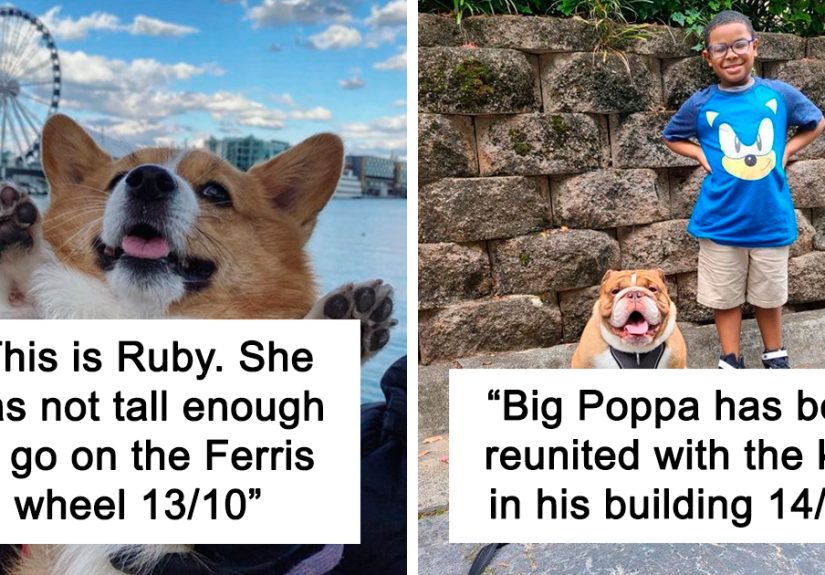
The Bored Panda-style roundup of “50 new pics” is basically a joy bomb: senior pups
smiling through their missing teeth, rescue dogs living their best post-shelter lives,
and puppies who look like they were assembled from leftover clouds. But behind the
wholesome chaos, there’s also a surprisingly smart story about internet culture, humor,
and how one silly idea turned into a massive feel-good brand.
What Is WeRateDogs, Exactly?
At its core, WeRateDogs is deceptively simple. People submit photos of their dogs. The
account chooses the best ones and posts them with a short, funny caption and a rating
that technically breaks the rules of math. Everyone knows the scale is “out of 10,” but
on this account, almost every dog scores above that – 11/10, 12/10, 15/10. The message is
clear: all dogs are excellent, some are just extra credit.
Those ratings are rarely about traditional “perfection.” You’ll see wobbly puppies,
blind seniors, anxious rescues in their first stable home, and big awkward dogs trying
to sit on laps they absolutely do not fit on. The captions lean into the dog’s quirks:
crooked ears, dramatic side-eyes, or the kind of unhinged zoomies that would get a human
banned from polite society. It’s funny, but it’s also quietly radical because it treats
every dog as uniquely wonderful, not despite their oddities but because of them.
How a College Joke Became a 9-Million-Follower Phenomenon
The account started as a playful experiment by a college student and quickly snowballed
into a full-time job, a brand, and eventually a nonprofit. What made it explode so fast
wasn’t just that people love dogs (we do, desperately), but that the format was
instantly recognizable and endlessly repeatable.
Each post follows a loose template: introduce the dog by name, describe their heroic or
silly behavior in a deadpan, matter-of-fact tone, and end with an over-the-top rating.
The voice is confident but deeply affectionate, like a friend narrating your dog’s life
as if it were the biggest event the internet has ever seen. That combination of
structure and personality makes the account feel familiar, even when you’re seeing a
dog for the first time.
Over time, that consistency built enormous trust. Followers knew that when they opened
the account, they’d get something that felt like a cozy, chaotic dog sitcom: different
characters, same warm vibe. Even as social platforms changed algorithms and trends came
and went, WeRateDogs stayed focused on what it did bestdogs, jokes, and kindness.
The Secret Sauce: DoggoLingo, 13/10 Ratings, and Running Jokes
Part of the account’s charm is its language. WeRateDogs helped popularize the kind of
internet dog vocabulary that now feels totally normal: doggos, puppers,
floofs, and heckin’ good boys and girls. The captions sound like what
a very enthusiastic friend would type at 2 a.m. after seeing the cutest animal in
existenceand yet the timing and word choice are extremely deliberate.
The ratings themselves became a running joke. The early “13/10 would pet” style captions
taught followers that the number doesn’t really measure anything; it tells a story.
A dog who bravely wears tiny sunglasses might get 14/10. A senior dog who finally found
a forever home might earn a 15/10 because the emotional damage repair is off the charts.
The humor is in the exaggeration, but the heart is in what’s being exaggerated: loyalty,
resilience, and pure, unfiltered dog joy.
Then there are the memes. One famous interaction turned into the phrase
“They’re good dogs, Brent”, which became a shorthand for defending dogs
everywhere. That meme leapt off the platform and into wider internet culture, appearing
on T-shirts, mugs, and in comment sections anytime someone dared to underrate a pup.
From Memes to Meaning: When Dog Jokes Start Saving Dogs
At first glance, WeRateDogs looks like pure entertainment. Scroll a little longer,
though, and you notice that a surprising number of posts highlight rescue stories,
medical fundraisers, or shelter dogs waiting for homes. The account uses its reach to
boost GoFundMe pages, animal shelters, and individual families trying to cover vet
bills.
That shift from “this is funny” to “this is also helping” is a big part of why the
account has aged so well. In an internet climate where outrage spreads faster than
compassion, WeRateDogs quietly does the opposite: it harnesses viral attention and
redirects it toward concrete good. Many fundraisers have been fully covered in hours,
simply because a dog with big sad eyes and an even bigger personality landed on the
timeline of millions of dog lovers.
Over time, that charitable work evolved into a formal foundation focused on helping
shelter dogs with serious medical needs. Instead of charity being a one-off gesture,
it became baked into the brand’s identity. That’s the secret behind the account’s
staying power: people aren’t just liking a cute picture; they feel like they’re part
of a community that actually changes outcomes for real animals.
Why Wholesome Dog Content Hits So Hard Right Now
There’s also a cultural reason WeRateDogs resonates. Modern social feeds are a chaotic
mix of bad news, arguments, and endless hot takes. In the middle of all that, an image
of a golden retriever proudly carrying a stick three times his size feels like a glass
of water in the desert.
Psychologists often talk about “micro-moments” of joytiny, positive experiences that
don’t solve your problems but do shift your mood and stress levels. Dog photos are
micro-moments in four paws. Your heart rate slows, your shoulders drop a little, and
for a few seconds you’re not doomscrolling; you’re just rooting for a corgi whose ears
are still growing into their final form.
What makes WeRateDogs stand out in a sea of cute content is its commitment to being
relentlessly kind. The jokes never punch down. The dogs are never the butt of the joke;
they’re always the heroes. Even when a dog is doing something objectively chaoticlike
shredding a couch or sneaking half a pizzathe captions frame it as lovable mischief
rather than “bad behavior.” It models a way of looking at the world that’s forgiving
and playful, which is something humans quietly crave.
How to Get Your Dog Rated (And Increase Their Chances)
No surprise: with an account this big, the submissions inbox is basically a fire hose
of dog content. If you dream of your pup being immortalized as a 13/10 icon, you’ll
want to stack the odds in your favor. While there’s no official “formula,” patterns
do show up in the posts that make it to the main feed.
-
Capture a moment, not just a pose. The best-rated dogs are mid-zoomie,
mid-derp, mid-snooze, or mid-hug. A perfectly posed portrait is good; a photo that
tells a story is better. -
Show personality. Maybe your dog insists on bringing three toys to
bed. Maybe she watches TV like a human. Maybe he kindly “helps” you garden by digging
freestyle. Those quirks are caption gold. -
Use good lighting and clear focus. This isn’t a photography contest,
but if the dog’s face is a blur, it’s harder to connect emotionally. Natural light and
eye-level angles make a big difference. -
Include a short backstory when you submit. Rescue journey, medical
recovery, or just a funny habitcontext sparks ideas for heartfelt captions. -
Be patient. The account gets far more submissions than it can ever
post. Even if yours doesn’t get featured, your dog is still, scientifically speaking,
a 14/10 at minimum.
And of course, you don’t actually have to be featured to play along. Plenty of fans run
their own mini “rating sessions” in the replies, boosting other people’s dogs with
unofficial-but-enthusiastic scores and inside jokes.
50 New Pics, Same Old Joy: What These Posts Reveal
Scroll through a new batch of 50 WeRateDogs posts and patterns start to emerge. There’s
almost always a mix of ages: tiny puppies whose paws are too big for their bodies,
middle-aged family dogs who clearly run the household, and senior pups whose gray faces
could melt a brick wall.
You’ll see a strong presence of rescue and adopted dogs. Their captions often highlight
how far they’ve come: once scared, now confident; once abandoned, now adored. These
stories do more than rack up likesthey normalize adoption, medical care, and
second chances as things worth celebrating.
There’s also a recurring theme of dogs helping humans through tough times. Some posts
mention anxiety, grief, or health challenges, framed through the lens of what the dog
does: refusing to leave their person’s side, making them laugh when they most need it,
or simply existing as a warm, heavy weight on their lap. The rating might joke about
the dog’s messy haircut or dramatic howl, but underneath, the message is clear: this
dog is saving someone’s day, over and over again.
By the time you finish a big collection like this, you might not remember each dog’s
name, but you remember how you felt: lighter, softer, and slightly more convinced that
the world isn’t entirely terrible as long as there are dogs wearing raincoats
unironically.
Real-Life Experiences With WeRateDogs-Style Dog Joy
One of the best things about WeRateDogs is how easily its spirit spills into real life.
You don’t need a viral account to start rating dogs. People have adopted the format in
their group chats, Instagram stories, and even office Slack channels. Suddenly the
coworker who never talked much is dropping a photo of their dachshund in a bee costume
with the caption: “Attempted to pollinate the couch. 14/10 would hire again.”
Think about the last time you saw a really good dog photo online. Maybe it was a husky
doing his best impression of a dramatic opera singer, or a pit bull wearing a flower
crown at an adoption event. You probably didn’t just double-tap and move on. Maybe you
tagged a friend, sent it in a chat, or said, “This is you but as a dog.” That tiny
interaction, multiplied by thousands of people, is what turns a single dog picture into
a shared cultural moment.
For many dog owners, seeing WeRateDogs posts has changed the way they photograph their
own pets. Instead of just trying to get a perfect portrait, they start capturing the
“bloopers”: the mid-sneeze face, the failed jump onto the couch, the guilty look when
the trash can mysteriously tips over. Those photos are funnier, but they’re also more
honest. They remind us that our dogs don’t have to be perfectly groomed or impeccably
trained to be absolutely perfect for us.
There’s also a deeper emotional layer. A lot of people discover the account during hard
seasons: illness, burnout, grief, breakups. In those moments, having a reliable stream
of light-hearted dog content can feel weirdly stabilizing. Fans often describe scrolling
through old posts like flipping through a comfort book. Even if they don’t know the
dogs personally, they feel connected to the storiesespecially the ones about rescues
who made it, or seniors who lived long, loved lives.
Offline, “rating dogs” has become a kind of social icebreaker. Dog parks, vet waiting
rooms, and even apartment lobbies become places where strangers smile at each other’s
pets and jokingly declare, “That’s at least a 14/10 right there.” It’s silly, but it’s
also disarming. Complimenting someone’s dog is often easier than complimenting them
directly, and it opens the door to real conversation. In a world where loneliness is a
growing epidemic, that kind of small connection matters more than it seems.
And then there are the bittersweet posts: tributes to dogs who have crossed the rainbow
bridge. Many fans borrow the WeRateDogs style to say goodbyeposting a favorite photo,
sharing a short story, and finishing with a rating that makes it clear how much that dog
meant to them. “This is Max. He got me through college, three moves, and one really bad
haircut. 100/10, best boy forever.” Those posts are often met with a wave of support
from people who understand exactly how it feels. The joke format becomes a language for
grief, too, softening it with love and gratitude.
That’s the quiet magic of this kind of content: it teaches us how to celebrate our dogs
while they’re here, and how to honor them when they’re gone. Whether you’re scrolling a
Bored Panda roundup of 50 new WeRateDogs pics or just rating the neighborhood golden
retriever you see every morning, you’re participating in a tiny, global ritual of
appreciation. And if that’s not worth at least a 20/10, what is?
Final Thoughts: Why We’ll Always Need 13/10 Dog Content
The WeRateDogs account may have started as a joke, but it stuck because it tapped into
something timeless: our need to see the best in the beings we love. Its exaggerated
ratings aren’t about ignoring reality; they’re about choosing to focus on joy, loyalty,
and small acts of everyday heroism, like bravely wearing a cone of shame or patiently
supervising the dishwasher.
In an internet era that often feels like a nonstop argument, this corner of the web
remains stubbornly wholesome. It makes us laugh, nudges us to be kinder, and quietly
transforms that kindness into real-world impact for dogs who need help. Whether you’re
here for the jokes, the rescue stories, or just the massive ears, one thing is certain:
every single one of these pups is, and always will be, at least a 13/10.
SEO JSON