Table of Contents >> Show >> Hide
- Meet the “Joanna-Vibes” Amazon Tiny House
- What Makes It Feel Like Joanna Gaines’ Style?
- A Room-by-Room Tour (Tiny House Edition)
- Before You Click “Add to Cart”: What Tiny-Home Buyers Should Know
- How to Style It Like Magnolia Without Trying Too Hard
- Other Amazon Tiny Houses Worth a Look (If You’re Comparing)
- So… Is It Worth It?
- Experiences: What Life in a Joanna-Inspired Amazon Tiny House Really Feels Like (About )
If you’ve ever watched Fixer Upper and thought, “Yes, I too would like my home to feel like a hug made of shiplap,” welcome.
Amazon’s tiny-house corner has been quietly turning into a modern-farmhouse candy storeand one particular tiny home on wheels
is giving big Joanna Gaines energy in a very small footprint.
Today we’re touring the farmhouse-chic Amazon tiny house that looks like it was designed by someone who knows the power of warm wood tones,
crisp white walls, and a sink that says, “I bake sourdough now.” We’ll also get real about what it takes to buy a tiny home online
(yes, zoning and financing can be party-poopers), plus how to style the space so it feels Magnolia-adjacent without turning your entire life into a beige mood board.
Meet the “Joanna-Vibes” Amazon Tiny House
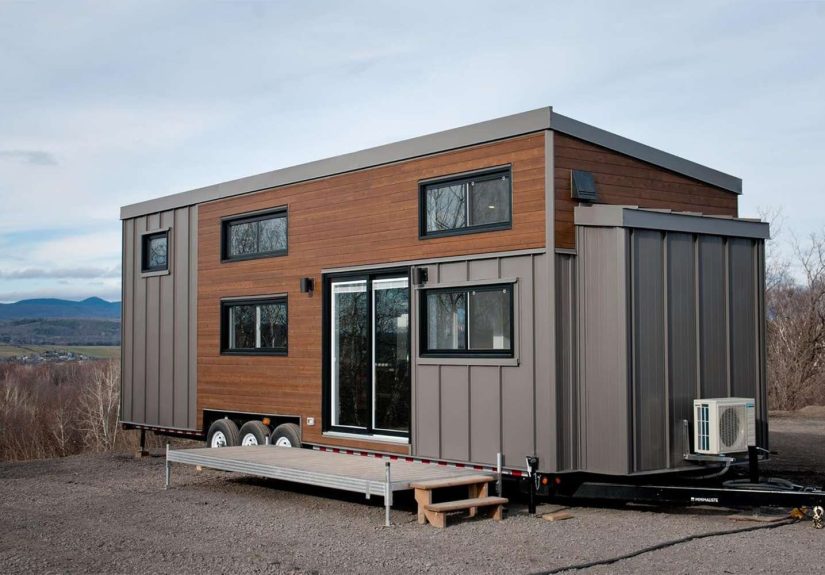
The tiny home that’s been catching farmhouse-loving eyeballs is the Nomadnest Modern Tiny House on Wheels,
a towable tiny house sold on Amazon for about $94,500. The headline: it packs
two sleeping lofts, a main-floor bedroom, a full bathroom, and a surprisingly
functional kitchen into a layout that’s equal parts cozy and clever.
At a glance: why people are obsessed
- Modern farmhouse finishes: glossy white shiplap, warm wood accents, subway tile, and knotty plank floors/ceilings.
- Space-smart layout: dual lofts + a private bedroom means it can sleep a small crew without everyone becoming “loft roommates.”
- Storage everywhere: built-ins, cubbies, and even hidden drawers in the stair risers (hello, secret snack stash).
- Bright interior: big windows make the whole space feel larger and lighter.
- Small-home convenience: a real kitchen and real bathroomno “campground-core” required.
What Makes It Feel Like Joanna Gaines’ Style?
Joanna’s signature isn’t one single design trickit’s the mix: clean lines with rustic texture, modern simplicity with lived-in warmth,
and the kind of practical comfort that makes you want to kick off your shoes and start simmering something that smells like childhood.
This Amazon tiny house leans into that formula in a few unmistakable ways.
1) Shiplap (but make it tiny)
Shiplap is basically the unofficial mascot of modern farmhouse design, and this home brings it in with glossy white walls that keep the interior bright.
In a tiny footprint, that matters: white surfaces bounce light around, helping the space feel open instead of “cute but cramped.”
2) Warm wood tones that keep it from feeling sterile
A lot of tiny houses go ultra-minimal and end up feeling like a futuristic pod. This one uses rich woodgrain accents and knotty plank floors/ceilings
to add warmthexactly the kind of texture that makes farmhouse style feel grounded and welcoming.
3) Subway tile: the quiet overachiever of farmhouse chic
Subway tile is classic, affordable-looking (in a good way), and timeless. It’s the design equivalent of a white T-shirt:
it goes with everything, photographs beautifully, and somehow makes your life look more put together than it is.
4) The farmhouse sink moment
The kitchen includes an apron-front farmhouse sinka detail that instantly signals “farmhouse,” even if your nearest farm is a potted basil plant.
It’s also practical: deep sinks handle big pans, awkward baking sheets, and that one pot you swear you’ll wash “after this episode.”
5) A layout that feels livable, not just Pinterest-able
The combination of a main bedroom plus lofts makes the home feel like it has zonessleeping, cooking, loungingrather than one multipurpose rectangle.
That’s a very Gaines-adjacent concept: spaces should be pretty, yes, but also designed for actual life.
A Room-by-Room Tour (Tiny House Edition)
The kitchen: small, capable, and not afraid of dinner parties
Tiny-house kitchens often fall into two camps: “barely-there kitchenette” or “surprisingly legit.” This one lands in the legit category,
with farmhouse-friendly finishes (sink + subway tile) and thoughtful lighting (including LED accents).
The result is a kitchen that feels like it belongs in a modern farmhousejust… scaled down.
The design lesson here is important for anyone shopping for an Amazon prefab tiny house: you’re not just buying square footage;
you’re buying function per square foot. A tiny kitchen works when storage is tall, surfaces are uncluttered, and the layout keeps your workflow simple.
The living area: bright, open, and flexible
With large windows and an open feel, the main living space can flex between a cozy lounge, a work zone, and a movie-night nook.
In tiny-home living, flexible furniture is your best friend. Think: a compact sofa, nesting tables, and an ottoman that hides blankets
(or your feelings about how quickly laundry multiplies in small spaces).
The sleeping setup: lofts + a private bedroom
Two sleeping lofts give you options: kids up top, guests up top, storage up top, or your “I need five minutes of peace” escape hatch up top.
The main-floor bedroom adds privacyhuge if you plan to live here full-time or host overnight guests without making them climb a ladder like a charming mountain goat.
The bathroom: tiny, but real
A full bathroom changes everything. It moves this from “glamping accessory” into “potential actual home.”
Features like a water-efficient toilet and a dedicated shower area are the kind of details you want to confirm on any listing
because a bathroom that works well is a quality-of-life multiplier in a small footprint.
Before You Click “Add to Cart”: What Tiny-Home Buyers Should Know
Buying a tiny house on Amazon is the fun part. Making it legal, livable, and financially sane is the grown-up part.
Here are the big realities to consider, especially if you’re dreaming of a modern farmhouse tiny home as a primary residence.
1) Wheels vs. foundation: it affects rules, permits, and where you can park
A tiny house on wheels can be treated differently than a tiny house on a permanent foundation, depending on local regulations.
Many areas regulate homes through residential building codes, while wheeled units can fall into RV or park-model territory.
The key takeaway: your address matters more than your aesthetic.
If you’re building or placing a tiny home on a foundation, building-code guidance like IRC Appendix Q
exists specifically to address tiny-house features (lofts, stairs, ceiling heights, egress). It’s not a permission slip everywhere,
but it’s a common reference point in jurisdictions that allow tiny homes.
2) Manufactured vs. modular vs. prefab: the label changes the paperwork
Factory-built housing comes with different definitions. Manufactured homes are built to a federal standard known as the
HUD Code, which applies to manufactured homes built in the U.S. after June 15, 1976.
Modular homes, meanwhile, are typically built to state and local building codes, then assembled on-site.
Tiny homes can overlap these categoriesor fit awkwardly outside themso it’s worth asking sellers what standards apply.
3) Financing can get weird fast
Here’s the not-so-cute part: many traditional mortgages require the home to be treated as real property (often meaning it’s permanently affixed to land you own).
If the home isn’t attached to landor is classified more like a vehicle than a houseyou may face alternative financing like chattel loans,
which can come with higher rates and fewer protections. Translation: the dream is still possible, but you want to understand the money side before committing.
4) Shipping, site prep, and utilities are the “hidden chapters”
Even if the tiny house arrives ready to impress, you may still need:
a prepared pad or foundation, hookups for water/sewer/electric (or an off-grid setup),
permits, delivery access for large транспорт vehicles, and sometimes additional work depending on what’s included.
Tiny-house listings can be very specific about what’s included vs. what’s on you.
5) Read the listing like a detective, not a dreamer
When you’re shopping for a tiny house on Amazon, treat the listing like a contract:
dimensions, included fixtures, insulation, plumbing/electrical status, warranty, delivery terms, and what “customizable” truly means.
“Customizable” can mean “choose finishes,” or it can mean “congratulations on your new weekend construction hobby.”
How to Style It Like Magnolia Without Trying Too Hard
The great thing about modern farmhouse style is that it’s basically built for tiny spaces:
simple palettes, natural textures, and functional pieces that don’t demand attentionbut still look great on camera.
Here’s how to bring the look home (literally) without making it feel staged.
Keep the palette calm, then add texture
- Base: whites, creams, soft grays.
- Warmth: wood tones, woven baskets, linen, leather accents.
- Contrast: matte black hardware, a dark faucet, or iron details (sparingly).
Choose “earned cozy,” not “clutter cozy”
In a tiny house, decor can’t be purely decorativeit has to earn its keep.
Use storage that looks intentional: baskets under benches, hooks that double as styling moments,
and one signature piece (like a vintage-style rug) that anchors the room.
Go big on lighting, not stuff
If you want that bright, fresh farmhouse vibe, prioritize lighting.
Layer it: overhead lighting + task lighting + a warm lamp.
You’ll get the cozy glow without piling up objects that make the space feel smaller.
Other Amazon Tiny Houses Worth a Look (If You’re Comparing)
The Nomadnest farmhouse-chic tiny house is one flavor. Amazon has plenty of otherssome more cabin-like, some more container-modern,
and some that look like they belong on a trendy glamping resort’s Instagram.
Farmhouse/ranch-inspired foldables
Want something that feels like a mini ranch house? Some foldable/expandable models advertised on Amazon aim for that rustic, outdoorsy look,
with layouts that expand in length and include multiple bedrooms and a functional kitchenoften at a much lower starting price than a fully styled tiny home on wheels.
Cabin kits for the DIY-inclined
If you’re okay with building out the interior, cabin kits can be a budget-friendly path.
Options like Allwood kits are often sold as shellsmeaning you’ll add plumbing, electrical, finishes, and all the “make it a real home” parts yourself.
The upside is customization; the downside is, well… work.
Luxury prefab “glamp like you mean it” units
Some prefab tiny homes sold online lean modern-industrial and include features like a full bathroom (sink + shower) in a compact footprint.
These can be great for guest houses or recreational propertyespecially if you want comfort without giving up the “wow” factor.
So… Is It Worth It?
If your dream is a modern farmhouse tiny home that feels polished, warm, and thoughtfully designed, this Amazon tiny house on wheels checks a lot of boxes.
It offers real-home comforts (kitchen, bathroom, multiple sleeping areas) and a style language that’s instantly recognizable to anyone
who has ever whispered “shiplap” with reverence.
The biggest deciding factor isn’t the aestheticit’s logistics: where you’ll put it, how it will be classified locally,
what utilities will look like, and how you’ll finance it. Get those pieces right, and you can absolutely build a tiny, beautiful life
that feels like a Gaines-inspired getawayminus the demo day.
Experiences: What Life in a Joanna-Inspired Amazon Tiny House Really Feels Like (About )
People fall for tiny houses because they imagine a simpler life: less stuff, fewer bills, more freedom, more mornings with coffee and sunlight.
And honestly, that part can be realbut the most common “tiny living” experience isn’t constant bliss. It’s a series of small upgrades in how you live,
paired with a few hilarious adjustments you didn’t see coming.
The first week tends to feel like moving into a boutique hotel you’re also responsible for maintaining. Everything is close, everything is efficient,
and you learn quickly that a beautiful farmhouse sink is also a reminder that dishes are now a public performance. In a small kitchen,
a single plate on the counter looks like a scandal. The upside? You wash as you go. The downside? You will have opinions about drying racks.
The second big experience is realizing that tiny homes change your shopping habits. You stop buying “maybe someday” items because “maybe someday”
takes up half your closet. Tiny living nudges you toward better versions of fewer things: one good skillet instead of three mediocre pans,
towels that dry quickly, storage bins that stack cleanly, and furniture that pulls double duty. It’s not deprivationit’s curation.
(Also, you start using the word “curation,” which is how you know the farmhouse chic lifestyle is working.)
Then there’s the social side. In a tiny home with a main bedroom and lofts, you can host peoplebut you host differently.
Overnight guests become a “we love you, and also we need a plan” conversation. Loft access can be fun for kids and adventurous friends,
and less fun for anyone who wants a midnight snack without doing ladder math. Many tiny-home owners end up creating rituals:
outdoor dinners on a little patio, morning coffee outside, and “inside is for sleeping and cooking; outside is for living.”
That’s when a tiny home starts to feel bigger than it is.
Season changes are another common storyline. In warmer months, you’ll probably feel like you’re winning at life.
Light floods in, the space breathes, and the tiny home feels airy. In colder months, comfort becomes a project:
you pay attention to insulation, ventilation, humidity, and how efficiently the space heats up. People often describe a surprising benefit here:
because the space is small, it can feel cozier faster. A little heat, a soft throw, and warm lighting can turn a winter evening into a vibe.
Finally, the biggest experience is psychological: a tiny, well-designed farmhouse-style home can make your everyday life feel intentional.
When your space is curated, bright, and warmshiplap, wood tones, calm paletteyou start protecting the mood.
You tidy more because it’s easy. You decorate with purpose because every item matters. You notice light, texture, and comfort.
And yes, you might catch yourself thinking, “This corner would look amazing with a simple vase of greenery.”
That’s not just Joanna Gaines influencethat’s what happens when your home is small enough that you actually see it.