Table of Contents >> Show >> Hide
- Why Single-Line Tattoos Are So Hard To Ignore
- The Artist Behind The Buzz
- What Makes A One-Line Tattoo Actually Work
- Why The 35 Featured Tattoos Feel So Addictive
- Single-Line Tattoos And The Rise Of Fine-Line Ink
- Things Readers Should Know Before Falling In Love With This Style
- The Artistic Genius Of Making “Less” Feel Like More
- Conclusion
- Extended Reader Experience: Why This Kind Of Tattoo Stays In Your Head
- SEO Tags
Some tattoo artists use color like fireworks. Others go bold with heavy shading, dramatic contrast, and enough visual punch to stop a passerby mid-scroll. And then there are artists who do something far more dangerous: they make it look easy. That is the magic of single-line tattooing. One stroke, one flow, one uninterrupted idea traveling across skin like it already knew where it wanted to live.
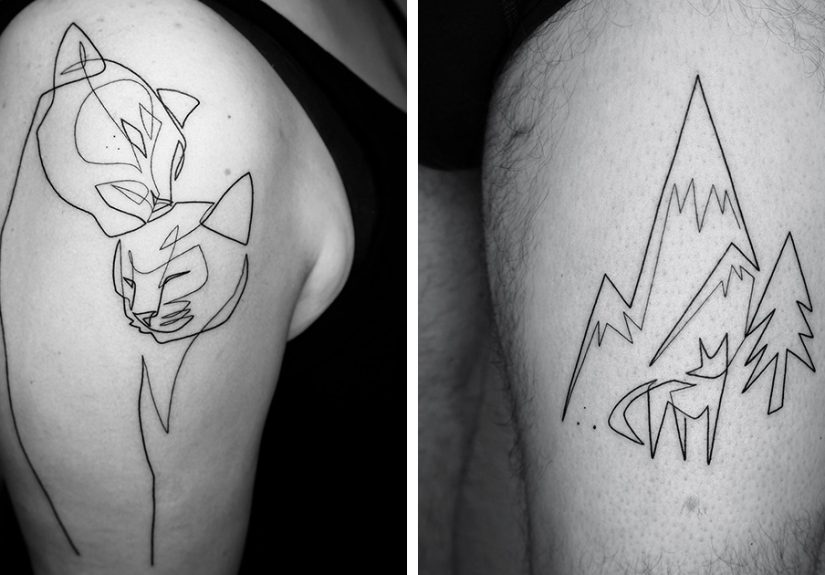
That is exactly why the work in This Artist Creates Captivating Tattoos Using A Single Line (35 Pics) hits so hard. At first glance, these designs feel simple. Then your eye lingers. A face appears where you expected a squiggle. A fox emerges from a curve. A lion suddenly has attitude, posture, and mystery, all built from one elegant path of ink. It is minimalist tattoo art with a brain, a pulse, and just enough swagger to make you mutter, “Okay, that’s ridiculously cool.”
Single-line tattoos have become one of the most fascinating branches of fine-line body art because they prove a bigger point about design: limitation can be a superpower. When an artist gives up shading, visual clutter, and ten thousand decorative extras, every curve has to earn its place. Nothing gets to coast. The result is work that feels modern, intimate, and strangely cinematic, as though a whole story is being told in one breath.
Why Single-Line Tattoos Are So Hard To Ignore
The appeal of a single-line tattoo starts with contrast. Tattoos are often associated with density: packed black, saturated color, layered symbolism, sleeves that demand attention. One-line work takes the opposite route. It whispers instead of shouts, and somehow that makes people stare longer.
These tattoos thrive on visual economy. A single bend can suggest a cheekbone. One looping turn can become a bird wing, a neck, or a horizon. The beauty is not just in what is shown, but in what is left out. Your brain gets invited to finish the picture, which makes the design feel interactive in a way that many tattoos do not.
That is also why this style photographs so well. In a social feed packed with busy imagery, a clean line can feel like a palate cleanser. It is striking without being loud. It has the confidence of a person who does not need to introduce themselves twice.
The Artist Behind The Buzz
The artist most commonly associated with this headline is Mo Ganji, a Berlin-based tattoo artist widely recognized for minimalist, single-line designs. His journey adds an extra layer of intrigue to the work. He did not simply stumble into tattooing as a side hobby; he pivoted away from a corporate path and built a reputation through a style that is both disciplined and deeply personal.
That backstory matters because it mirrors the art itself. Single-line tattooing is not about decoration for decoration’s sake. It is about stripping an idea down until only its strongest form remains. In interviews over the years, Ganji’s philosophy has often circled around simplicity, unity, and the power of one continuous energy. That conceptual framework explains why his tattoos often feel more like visual poems than standard flash.
And yes, there is something deliciously ironic about an artist creating globally admired tattoos from such a restrained formula. Most people see one line and think limitation. A skilled artist sees infinite possibility. That is the kind of plot twist the tattoo world loves.
What Makes A One-Line Tattoo Actually Work
1. Flow matters more than detail
In many tattoo styles, detail carries the day. In single-line work, flow is the star. The line must travel naturally, balance the body, and create visual rhythm. A design can be technically correct and still feel stiff. The best one-line tattoos move like handwriting from someone with excellent taste.
2. Placement is part of the composition
Because the style is so minimal, body placement becomes incredibly important. A simple face on the forearm, collarbone, ribcage, or calf can look completely different depending on the curve of the skin. Great artists do not just place a drawing on a body; they let the body finish the drawing.
3. Precision is everything
Fine-line and single-needle-adjacent styles are not forgiving. If the line wobbles, blows out, or heals unevenly, there is nowhere for the mistake to hide. Bold traditional tattoos can sometimes absorb tiny imperfections. Single-line tattoos absolutely cannot. This is minimalist art, but it is maximalist pressure.
4. Simplicity still needs emotion
A successful one-line tattoo is not just clean. It should feel like something. The best examples create mood with almost nothing: tenderness in two profiles leaning together, tension in an animal’s stance, melancholy in an unfinished face, humor in a rooster that somehow looks mildly judgmental. If one line can make you feel a whole sentence, the artist has won.
Why The 35 Featured Tattoos Feel So Addictive
When you look through a gallery like this, a pattern emerges. The subject matter varies, but the emotional strategy stays consistent. There are abstract faces, animals, symbolic figures, and surreal combinations that seem to hover between sketch and statement piece. The tattoos feel unfinished in the best possible way, as if they are inviting the viewer to lean in and complete the thought.
That is what makes these 35 pieces feel addictive rather than repetitive. A less imaginative artist could turn “single line” into a gimmick fast. But when the line shifts from face to fox to fish to scorpion to human profile, you start to realize the style is not a trick. It is a language.
And like any good language, it can express different moods. Some designs are playful. Some feel meditative. Some look as though Picasso and a tattoo machine had a very productive afternoon. A few are so clean they almost look impossible, which is exactly the kind of energy the internet rewards with aggressive sharing and comments like, “I don’t even like tattoos, but…”
Single-Line Tattoos And The Rise Of Fine-Line Ink
Single-line work fits neatly into the broader boom in fine-line tattoos, which have grown popular because they offer a softer, more delicate aesthetic than older, bolder styles. That does not make them less serious. If anything, it makes them more demanding. Thin lines require control, careful planning, and an artist who understands how subtle work heals over time.
Part of the popularity comes from versatility. A fine-line tattoo can be tiny and discreet or larger and more conceptual. It can read romantic, edgy, intellectual, or quietly rebellious. It can also feel friendlier to first-time clients who want something meaningful without diving straight into a shoulder-to-wrist dragon saga.
But the appeal is not only visual. Fine-line tattoos align with a broader design culture that loves clean silhouettes, negative space, and meaning-driven minimalism. People are no longer just asking, “What looks cool?” They are asking, “What feels like me, without screaming at strangers in the grocery store?” Single-line tattoos answer that beautifully.
Things Readers Should Know Before Falling In Love With This Style
Choose the artist, not just the aesthetic
The worst way to get a one-line tattoo is to fall in love with a Pinterest image and book the nearest available appointment. This style depends heavily on technical skill. You want an artist with a strong portfolio in fine-line or single-line work, not someone who mostly does thick traditional pieces and suddenly decides to freestyle minimalism on your forearm like a brave but confused substitute teacher.
Healing matters
Fine-line tattoos can heal beautifully, but they need thoughtful aftercare. Clean the area gently, avoid irritating products, and protect the tattoo from prolonged sun exposure. If your artist gives you instructions, treat them like law, not loose suggestions from a particularly organized friend.
Longevity is real, but maintenance may be part of the deal
Because the lines are finer and the look is more delicate, some single-line tattoos may soften or fade faster than heavier work. That does not mean they are a bad idea. It means expectations should match the medium. A tattoo that looks airy and elegant on day one may need excellent care and occasional touch-ups to stay crisp over time.
Minimal does not mean meaningless
One of the best things about this style is how well it carries symbolism without turning into a visual lecture. A face can suggest identity, memory, or connection. An animal can hold cultural meaning or private humor. A single looping form can represent relationships, continuity, or transformation. Minimalism is not emptiness. It is editing.
The Artistic Genius Of Making “Less” Feel Like More
The real reason these tattoos captivate people is not just their technical neatness. It is the tension they create between fragility and permanence. The line looks light, but the decision is permanent. The design looks effortless, but the craftsmanship is intense. The image feels abstract, but the emotional reaction is immediate.
That contradiction gives single-line tattoos unusual power. They feel contemporary without being cold. Stylish without being try-hard. Personal without oversharing. In an era where everything online competes to be bigger, louder, and more algorithm-friendly, a one-line tattoo feels almost rebellious. It says, “I trust one good idea more than fifty unnecessary ones.” Frankly, more creative industries could stand to copy that attitude.
Conclusion
This Artist Creates Captivating Tattoos Using A Single Line (35 Pics) is more than a gallery title built for clicks. It points to something genuinely fascinating in modern tattoo culture: the ability to turn restraint into spectacle. Artists working in this space prove that one unbroken line can hold movement, symbolism, wit, tenderness, and stunning visual intelligence all at once.
Whether you are a tattoo enthusiast, a design nerd, or simply someone who appreciates art that knows when to stop, these pieces offer plenty to admire. They remind us that not every masterpiece needs fireworks. Sometimes all it takes is one continuous line, a fearless hand, and the kind of vision that can make skin look like a page that finally found the right sentence.
Extended Reader Experience: Why This Kind Of Tattoo Stays In Your Head
There is also a very particular experience that comes with viewing single-line tattoos for the first time, especially in a gallery format. At first, you may think you are just looking at minimalist body art. Then, somewhere around the fifth or sixth image, your brain starts behaving differently. Instead of scanning for color, realism, or size, you begin tracking movement. Your eyes follow the line the way your ears follow a melody. That shift is part of the charm. You are no longer just looking at a tattoo. You are watching a decision unfold.
For many people, that experience becomes surprisingly emotional. A one-line face can feel more intimate than a heavily rendered portrait because it leaves room for interpretation. A single-line animal can feel more alive because the motion is implied rather than spelled out. It is similar to the difference between reading a detailed paragraph and hearing one perfect sentence. The second one can hit harder because it trusts you to meet it halfway.
There is also the experience of imagining these tattoos on real bodies, not just on a screen. A looping design around a forearm suddenly feels like movement in motion. A profile along a ribcage feels like a secret. A small animal on the ankle or wrist can read playful, but still elegant. This style tends to live with the body rather than sitting on top of it, which is one reason it feels so modern. It collaborates with posture, muscle, and gesture.
Even for people who never plan to get tattooed, single-line work can be oddly persuasive. It lowers the visual barrier. The designs do not always feel aggressive or overly ornamental. Instead, they feel literate, curated, and deeply considered. For tattoo newcomers, that can make the whole medium seem more approachable. For longtime tattoo lovers, it offers a refreshing reminder that artistry does not depend on sheer scale.
And then there is the social experience. Show someone a one-line tattoo and they usually lean closer, not back away. They try to decode it. They trace the route of the line with their eyes. They start talking. “Wait, is that two faces?” “Oh wow, I thought that was a bird at first.” “How is that all one stroke?” That interactive reaction is rare, and it explains why this kind of work thrives online. It invites participation without begging for it.
Ultimately, the experience of engaging with art like this is about more than trendiness. It is about recognition. People recognize discipline. They recognize taste. They recognize when an artist has resisted the urge to overdo it. In a world full of visual noise, single-line tattoos feel like a confident pause. They stay in your head because they are incomplete in exactly the right way: finished enough to impress you, open enough to haunt you a little. That is not just good tattooing. That is good art.