Table of Contents >> Show >> Hide
- Why wholesome animal comedy works so well online
- What makes this Facebook group feel different
- Why the 28 new photos hit the sweet spot
- The internet’s favorite comedy device: accidental relatability
- Wholesome animal comedy is basically stress relief in disguise
- What these 28 photos say about animal comedy right now
- Why readers keep coming back for more
- Extra: the very real experience of falling down an animal-comedy rabbit hole
- Conclusion
There are corners of the internet that feel like a three-alarm emergency for your attention. Then there are corners that feel like a warm blanket, a fresh cup of coffee, and a golden retriever who has never had a stressful thought in its life. This Facebook group belongs squarely in the second category.
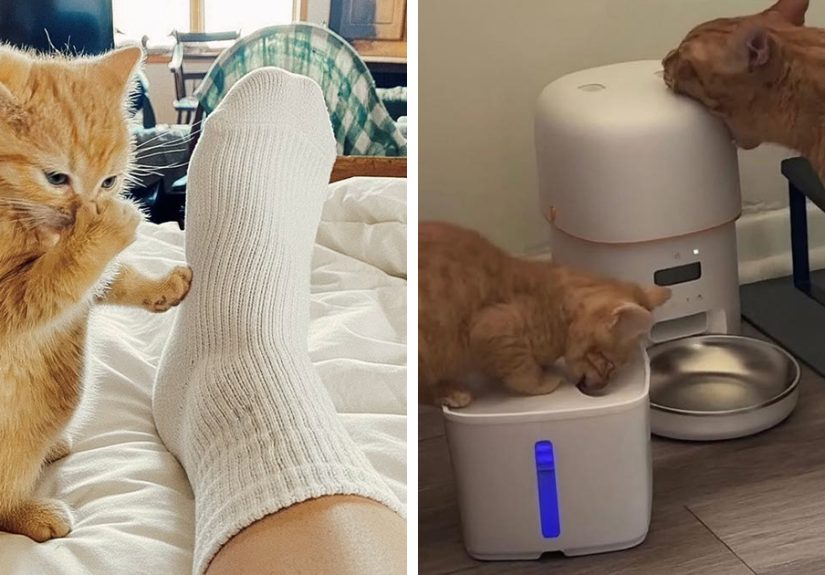
The group at the center of this conversation, Blessed Images, has become a magnet for the kind of animal humor that doesn’t rely on cruelty, rage-bait, or “gotcha” embarrassment. Instead, it thrives on the simple truth that animals are unintentionally funnier than most professional comedians. A cat can sit in a toolbox like it pays rent there, a dog can stare into the middle distance like it’s reconsidering every life choice, and a pair of orange cats can look confused by an automatic feeder as if they just discovered modern capitalism. That is wholesome animal comedy in its purest form.
And that is exactly why these 28 new photos land so well. They are not just cute. They are not just silly. They hit the sweet spot between adorable and absurd, where the joke feels immediate, universal, and strangely comforting. In a timeline packed with heavy news and polished influencer perfection, goofy animals remain one of the internet’s last honest pleasures.
Why wholesome animal comedy works so well online
There is a reason animal photos have become one of the most reliable forms of shareable internet joy. They are incredibly accessible. You do not need a niche hobby, a political identity, or an advanced meme vocabulary to appreciate a cat making a face that clearly says, “I regret nothing.” Funny animal content crosses age groups, personalities, and attention spans with impressive ease.
That broad appeal matters on Facebook, a platform that still works best when content can travel between family members, coworkers, old classmates, and the friend who logs in mostly to post birthday wishes and keep up with neighborhood gossip. A wholesome animal post does not ask for much from the reader. It simply says, “Hey, here is a llama with perfect comedic timing. Please enjoy.” And people do.
Animal humor also has a built-in emotional advantage: it lets us feel good without feeling manipulated. A funny pet photo can trigger delight, tenderness, curiosity, and relief all at once. That combination is rare. A joke makes you laugh. A cute image makes you soften. But a funny animal image often does both, which is why it sticks in your brain longer than the average viral post.
Then there is the social side of it. Sharing a wholesome animal post is low-risk and high-reward. It is one of the safest ways to say, “I want to brighten your day,” without sounding rehearsed or overly sentimental. That gives animal comedy enormous staying power in social communities. It is light enough to be casual and warm enough to feel personal.
What makes this Facebook group feel different
Plenty of pages post funny pet photos, but not all of them create the same experience. What makes a group like Blessed Images stand out is not just the subject matter. It is the tone. The posts feel communal rather than performative. Members are not trying to out-brand one another or turn every image into a résumé bullet point for their pets. They are sharing tiny flashes of delight, and that creates a friendlier atmosphere than the algorithm-heavy chaos people often associate with social media.
That tone changes everything. A wholesome animal comedy group works because it invites participation without pressure. Someone can post a dog sleeping like it just completed a 14-hour double shift, and other members instantly understand the assignment. The comments fill with gentle jokes, affectionate exaggeration, and a kind of crowd-written captioning that turns one funny image into a miniature community event.
In other words, the group is not only funny because of the photos. It is funny because of the shared language that develops around them. One member posts a dramatic cat. Another member responds as though the cat is a retired detective with a troubled past. A third person adds a joke about rent being due. Suddenly, a single image becomes a collaborative comedy sketch.
Why the 28 new photos hit the sweet spot
The newest batch of images works because it captures the full emotional range of animal comedy. Some of the photos are classic “caught in the act” moments. Some are accidental portraits of pure chaos. Others are funny because the animal looks startlingly human in expression, posture, or attitude. And a few are so oddly specific that they feel like storyboard panels from a sitcom written by raccoons.
1. They feel spontaneous
The best funny animal photos do not look overproduced. They feel discovered, not manufactured. That is part of their charm. A cat loafing in the wrong place or a dog wearing an expression of offended dignity is funny because it looks real, brief, and gloriously unplanned. You are seeing a moment, not a content strategy.
2. They invite human interpretation
People love assigning motives to animals. We know, rationally, that the bulldog probably is not plotting revenge because someone moved its blanket. But emotionally? Absolutely. It is writing a strongly worded memo in its head. That little leap of imagination is where much of the humor lives. The animal gives us the face; we supply the dramatic backstory.
3. They balance comedy and tenderness
Mean-spirited humor burns fast. Wholesome humor lasts. These 28 photos are effective because they make the animals look endearing even when they are being ridiculous. A puppy in socks is funny, yes, but the joke does not come at the puppy’s expense. The same goes for the cat peering from an absurd location or the dog appearing deeply confused by an ordinary household object. The overall vibe is affectionate, not mocking.
4. They remind us that animals are naturally theatrical
No acting class could teach the kind of raw performance energy animals bring to the internet. Cats deliver deadpan. Dogs specialize in earnest overreaction. Guinea pigs excel at looking like tiny Victorian gentlemen caught in a scandal. Birds, meanwhile, behave like they are one espresso away from either solving a crime or starting one. These photos work because animals are already operating at full comedic voltage.
The internet’s favorite comedy device: accidental relatability
One of the funniest things about wholesome animal content is how often it mirrors human behavior. A cat hiding in a cabinet looks like someone avoiding responsibility. A dog sprawled across the couch with dramatic exhaustion looks like every office worker on Friday at 5:01 p.m. Two pets staring at a feeder like it betrayed them feels suspiciously similar to adults confronting a printer that says “paper jam” when there is no jam anywhere in sight.
That accidental relatability is a huge part of why these posts spread. People are not only laughing at the animal. They are laughing at themselves. The image becomes a visual shorthand for a mood, a bad day, a social situation, or an inner monologue. Funny animal groups do not merely provide amusement; they provide reaction images for modern life.
And unlike a lot of internet humor, this kind tends to age well. A reference-heavy meme can expire in a week. A cat looking suspiciously like a middle manager who just discovered a missing spreadsheet? Timeless.
Wholesome animal comedy is basically stress relief in disguise
There is something almost medicinal about scrolling through funny animal photos after a long day. Not in a miracle-cure kind of way, of course. More in a “my shoulders just dropped an inch and I forgot about my inbox for a second” way. That matters.
Humor works because it interrupts tension. Animal content works because it softens emotional edges. Put the two together and you get a format that feels unusually restorative for something so simple. No one clicks on a photo of a cat in a hardware display expecting a life lesson. But the tiny emotional reset still happens. You smile. Maybe you laugh. Maybe you send it to someone else with the extremely sophisticated message, “This is you.” And suddenly the day feels less terrible.
That is part of what makes this Facebook group more than a throwaway collection of cute posts. It acts like a low-stakes digital gathering place where humor is gentle, the subject matter is easy to love, and nobody needs to win an argument. On today’s internet, that is practically luxury content.
What these 28 photos say about animal comedy right now
If these images prove anything, it is that the internet still craves softness. Not blandness. Not forced positivity. Softness. The kind that leaves room for laughter without cynicism. The kind that lets absurdity be delightful instead of cruel. The kind that reminds people joy does not always need a complicated setup.
Animal comedy is thriving because it fits that need perfectly. It is visual, immediate, and emotionally efficient. One image can deliver surprise, comfort, humor, and connection in under three seconds. That is elite productivity from a sleepy corgi.
It also helps that animals are endlessly renewable comic material. They do not care about trends. They are not trying to go viral. They are just out here wearing lampshades, sitting like uncles at barbecues, glaring at houseplants, and staring at walls with the conviction of philosophers. The content machine never runs dry because the stars of the show are simply being themselves.
Why readers keep coming back for more
The truth is, people return to content like this for the same reason they rewatch favorite sitcom episodes or save screenshots of texts that made them laugh. It feels reliable. A wholesome animal comedy roundup promises an emotional outcome and actually delivers it. That alone makes it valuable.
The 28 photos in this latest collection work because they offer a compact version of everything people love about internet animal culture: expressive faces, accidental slapstick, weird posture, affectionate captions, and that unbeatable sense that pets are conducting parallel little dramas all around us. The images may be new, but the appeal is evergreen.
And maybe that is the nicest thing about this whole corner of Facebook. It does not need to pretend to be more important than it is. It is a place for funny animals. That is the pitch. That is the product. That is the blessing. Frankly, in an era of overcomplication, that kind of simplicity feels almost revolutionary.
Extra: the very real experience of falling down an animal-comedy rabbit hole
If you have ever opened Facebook meaning to check one notification and somehow ended up spending 40 minutes looking at dogs with suspicious eyebrows, then congratulations: you already understand the power of wholesome animal comedy on a deeply spiritual level. It starts innocently. One friend shares a cat photo. Another posts a pug that looks like it just heard rent is increasing. You laugh, keep scrolling, and suddenly your evening has become a festival of feathers, toe beans, and creatures making the exact face you made during your last group project.
That experience is more common than people admit because funny animal content fits almost every emotional setting. It works when you are tired. It works when you are procrastinating. It works when you want to send someone a small sign of life that is sweeter than “hey” but less intense than a paragraph about your feelings. A raccoon holding something it definitely should not be holding can do a remarkable amount of relationship maintenance.
There is also a ritual to it. You do not merely look at the photos. You narrate them. You develop theories. You assign occupations. A sleepy bulldog is suddenly “regional manager of naps.” A cat hanging out in the sink becomes “homeowner disappointed by current market conditions.” A bird staring directly into the camera is no longer just a bird; it is a witness. This is the joy of wholesome animal comedy: every image invites a tiny act of co-creation.
And the comments? The comments are often half the fun. People bring their best one-liners, their own pet stories, and their oddly perfect comparisons. Somebody always says, “This is literally my husband,” under a photo of a dog refusing to get off the couch. Somebody else posts a story about their orange cat getting trapped in a laundry basket. Before long, the post is not just a joke. It is a miniature social experience built around shared recognition.
That may be why these groups feel so comforting. They remind users that the internet can still function as a casual communal space rather than a nonstop debate stage. No one is trying to optimize your soul. No one is trying to win a culture war using a hamster in a sweater. People are just laughing together because a kitten looked like it had an overdue performance review. Honestly, that is beautiful.
So yes, these 28 new photos prove the point. But they also point to something bigger: people still want small, cheerful pockets of connection. They still want humor without cruelty, cuteness without fakery, and online moments that feel human even when the star of the show is a very confused dachshund. Wholesome animal comedy delivers all of that, one ridiculous face at a time.
Conclusion
Blessed Images succeeds because it understands something the internet often forgets: joy does not have to be complicated to be memorable. These 28 new animal photos are funny, affectionate, and instantly shareable, but more importantly, they create the kind of atmosphere people actually want to return to. In a crowded feed, wholesome animal comedy still stands out because it offers humor with heart. And when that humor arrives in the form of bewildered cats, dramatic dogs, and pets behaving like tiny improv actors, the result is exactly what great viral content should be: easy to enjoy, impossible not to share, and surprisingly good for the soul.