Table of Contents >> Show >> Hide
- The old scoreboard: pain scores became the main event
- The new perspective: treat pain like a protective systemand target recovery as function
- The biopsychosocial model: not “it’s all in your head,” but “it’s all in your system”
- What guidelines are quietly telling us: start with non-drug therapies whenever possible
- Opioids in the new perspective: a tool, not the plot
- Perioperative pain and recovery: multimodal plans and ERAS thinking
- What changes in the exam room Monday morning
- How physicians can explain chronic pain without invalidating patients
- Measuring success: trade the pain score obsession for meaningful outcomes
- Conclusion: the perspective shift that makes pain care more effective (and more humane)
- Extra: of experience-style field notes (composite clinical moments)
If you’ve ever watched a physician (or, let’s be honest, a tired resident) walk into a room and ask,
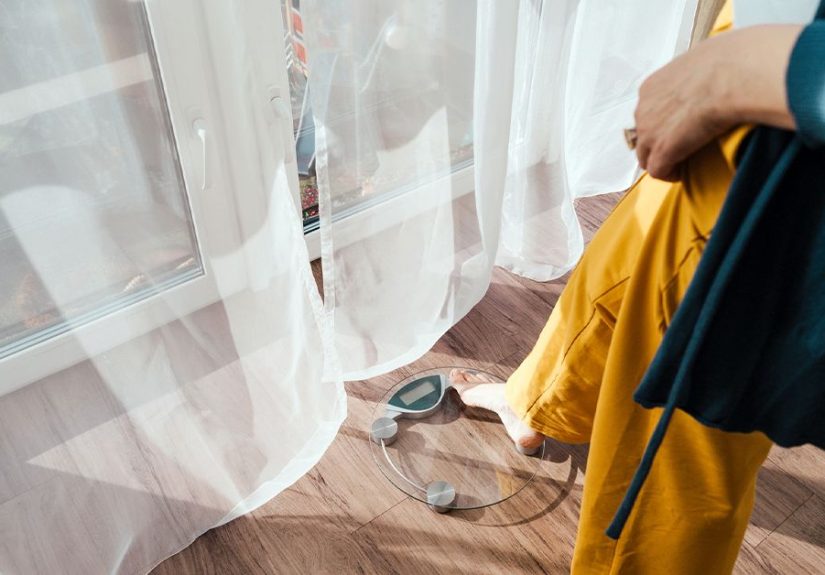
“On a scale of 0 to 10, what’s your pain?” you’ve seen the modern pain conversation in its natural habitat.
The patient answers. The clinician nods. A medication decision is made. Everyone pretends that a single number
can summarize an experience involving nerves, tissue, memory, sleep, mood, culture, fear, and the fact that the
hospital bed feels like it was designed by someone who hates spines.
Here’s the perspective shift that changes everything:
pain is not a damage meterit’s a protection output. And recovery is not the absence of symptoms;
it’s the return of function, confidence, and capacityoften before pain fully disappears.
When physicians treat pain as a protective system that can become overprotective (especially in chronic pain),
the clinical goal stops being “make the number smaller” and becomes “make life bigger.”
This isn’t just motivational poster material. It rewires how we pick treatments, how we talk to patients,
how we use (or avoid) opioids, how we design post-op plans, and how we measure success. It also makes clinic visits
weirdly more hopefulbecause “calm the system and rebuild function” gives patients a path forward even when imaging
looks boring and the pain does not.
The old scoreboard: pain scores became the main event
Pain scales are not evil. They’re fast. They’re familiar. They give clinicians something measurable in a world where
everything else feels squishy. But for years, health care leaned hard into the idea that pain intensity should be
tracked like blood pressure and fixed with the urgency of a fire alarm.
The unintended result was predictable: a system that rewarded “lower pain scores now,” sometimes at the expense of
“better outcomes later.” When pain became the central scoreboard, clinicians were nudged toward faster symptom suppression
rather than long-term recovery buildingespecially when time is short and follow-up is uncertain.
The bigger problem is that a single intensity score cannot tell you what kind of pain you’re dealing with, what’s
fueling it, or which lever is most likely to help. Two patients can both say “8/10” and need completely different plans:
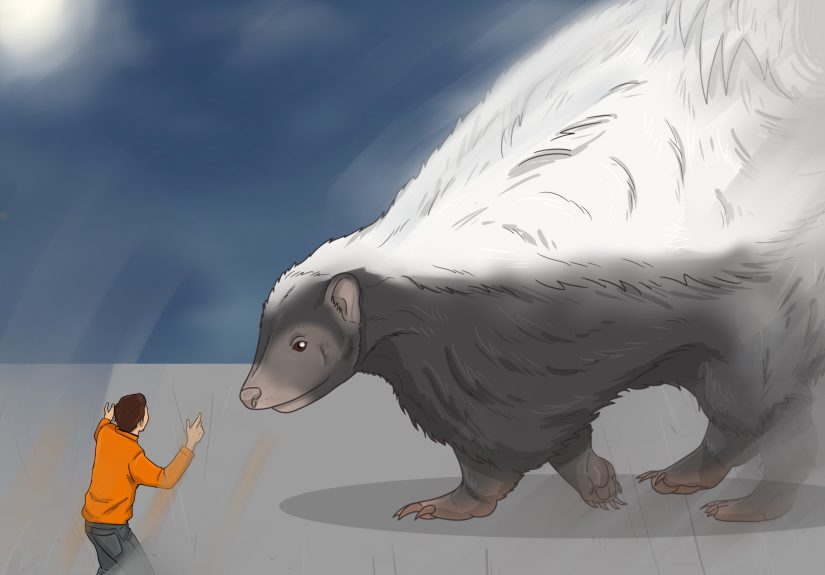
one needs a fracture stabilized; the other needs their nervous system to stop acting like a smoke detector that screams
at burnt toast.
The new perspective: treat pain like a protective systemand target recovery as function
Pain is real, but it isn’t always a “tissue report”
A practical, clinician-friendly way to explain modern pain science is this:
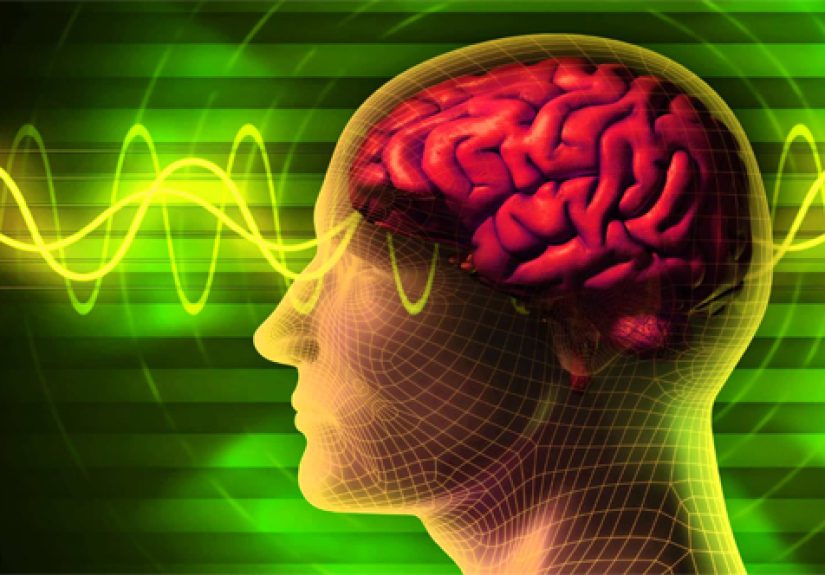
nociception is input, pain is output. Tissue and nerve signals matterbut the brain and spinal cord
interpret those signals through context: threat, uncertainty, prior injury, stress hormones, sleep deprivation, trauma,
expectations, and the learned habit of bracing for impact.
In acute pain, this protective output is usually helpful. It’s the body’s “don’t do that again” feature. Acute pain often
tracks with injury and tends to settle as healing progresses. Chronic pain, however, can outlive tissue healing and evolve
into a pattern where the nervous system becomes sensitizedamplifying normal signals into pain, spreading discomfort,
and keeping the body in a guarded state.
When the system is sensitized, “more imaging” can become a ritual that feeds fear without improving function.
And “more medication” can become a treadmill that reduces symptoms temporarily while strengthening the belief that the body
is fragile and unsafe.
Function-first goals change the treatment choices
If pain is a protection output, then the best outcomes often come from interventions that reduce threat and restore
capacityespecially movement, sleep, stress regulation, and meaningful activity.
Symptom relief still matters, but it becomes a tool in service of function rather than the finish line.
Function-first care answers questions like:
“Can you walk to the mailbox again?”
“Can you sleep more than four hours?”
“Can you lift your kid without panic?”
“Can you get through a workday without paying for it with a three-day flare?”
Recovery becomes measurable in life activities, not just numbers.
The biopsychosocial model: not “it’s all in your head,” but “it’s all in your system”
The biopsychosocial model isn’t a soft alternative to “real medicine.” It’s a more complete map of pain drivers.
The biological layer matters. The psychological layer matters. The social layer matters. Pain is the ultimate team sport
and, inconveniently, the team includes sleep and your inbox.
Biological levers: calm inflammation, restore strength, and train tolerance
Physicians can support recovery by prescribing (and actually explaining) graded activity:
starting below the flare threshold and building capacity intentionally. That might look like:
walking programs, targeted strengthening, aerobic conditioning, pacing, and physical therapy focused on confidence and function.
Sleep is a biological lever that’s constantly underrated. Poor sleep increases pain sensitivity, reduces coping,
and makes rehab feel like climbing stairs in a scuba suit. Addressing sleep hygiene, screening for sleep apnea,
and reducing nighttime pain barriers can make the entire plan work better.
Psychological levers: reduce fear, catastrophizing, and “threat volume”
Here’s a truth that makes some clinicians uncomfortable until they see it work:
fear is a pain amplifier. Fear-avoidance (the “If I move, I’ll break something” belief) leads to
deconditioning, disability, and a nervous system that interprets movement as danger.
Evidence-supported approaches like cognitive behavioral therapy (CBT), acceptance and commitment therapy (ACT),
mindfulness-based programs, and pain neuroscience education help patients reinterpret sensations, reduce threat,
and rebuild engagement with activity. They don’t deny pain. They change the relationship to itso the system
can stop yelling.
Social levers: work, family, support, and the reality of life constraints
A perfect plan that ignores social context becomes a plan that doesn’t happen. Recovery is shaped by job demands,
caregiving responsibilities, financial stress, transportation, and social support. Clinicians who ask about these factors
can align goals with reality: modified duty, ergonomic changes, gradual return-to-work, or connecting patients to
interdisciplinary programs when available.
What guidelines are quietly telling us: start with non-drug therapies whenever possible
A major trend across U.S. clinical guidance is the emphasis on individualized, patient-centered decisions and
a preference for nonpharmacologic options as first-line care for many common pain conditionsespecially musculoskeletal
pain like low back pain. This aligns perfectly with the “pain as protection output” perspective because it prioritizes
function-building strategies that reduce threat and improve capacity.
Clinically, that often means the first move isn’t “What can we prescribe?” but:
“What can we dotodaythat makes your body feel safer and more capable?”
Opioids in the new perspective: a tool, not the plot
Opioids can be appropriate for certain kinds of severe acute pain, cancer-related pain, palliative care, and selected
situations where benefits outweigh risks. But for many chronic pain cases, long-term opioid therapy often brings
diminishing returnstolerance, side effects, dependence risk, and sometimes worse function over time.
The perspective shift helps clinicians communicate a balanced message:
“We’re not taking options away. We’re choosing the options most likely to help you recovernot just feel different for a few hours.”
This is opioid stewardship without stigma: careful selection, lowest effective dose when needed, close follow-up,
and a strong foundation of multimodal care.
Perioperative pain and recovery: multimodal plans and ERAS thinking
Surgery is a perfect laboratory for the new approach because it forces the question:
what does “better” actually mean? In modern perioperative care, better isn’t “zero pain.”
Better is: fewer complications, earlier mobilization, less nausea and sedation, faster return of bowel function,
shorter length of stay, and a smoother transition back to normal life.
Enhanced Recovery After Surgery (ERAS) pathways and multimodal analgesia strategies aim to reduce the physiologic
stress response and minimize opioid-related side effectswhile keeping pain controlled enough to move, breathe,
and participate in rehab. The point is not heroic pain elimination; it’s enabling recovery behaviors that prevent
downstream problems.
Multimodal analgesia is the clinical equivalent of diversification:
instead of betting everything on one medication class, you combine complementary toolsnonopioid medications,
regional anesthesia techniques when appropriate, physical strategies, and patient educationto reduce pain and
improve function with fewer side effects.
What changes in the exam room Monday morning
Step 1: ask questions that diagnose the “pain system,” not just the location
Try swapping “How bad is it?” as the first question with one of these:
- Function: “What can’t you do now that you want back?”
- Pattern: “What makes it flare, and what reliably calms it?”
- Threat signals: “What are you most worried this pain means?”
- Recovery blockers: “How’s sleep, mood, and stress been since this started?”
These questions surface the drivers that actually guide treatment: sensitization, fear-avoidance, poor sleep,
overuse/underuse cycles, and social constraints. They also make patients feel seenbecause the plan matches the experience.
Step 2: build a “recovery menu,” not a single intervention
The most effective pain and recovery plans are rarely a one-liner. They’re a menu with options in several categories:
- Movement: graded walking, strengthening, PT focused on function
- Regulation: breathing, relaxation training, mindfulness, biofeedback if available
- Education: pain neuroscience education, flare planning, pacing strategies
- Sleep: sleep schedule, screen reduction, targeted evaluation when needed
- Medication: symptom relief that supports activity (not sedation that replaces it)
When patients have choices, adherence improves. When the plan has multiple levers, resilience improves.
And when the menu is tied to a functional goal, the whole thing stops feeling like a random buffet.
Step 3: use medications to support behavior change, not replace it
In the new perspective, medications are often used strategically: reduce pain enough to participate in rehab,
sleep enough to recover, and calm flares enough to stay consistent. Nonopioid options may include acetaminophen,
NSAIDs when appropriate, topical agents, selected adjuvants based on pain type, and targeted procedural options
in specific cases.
If opioids are used for acute severe pain, the plan should still include:
expectations, shortest appropriate duration, follow-up, and a pathway back to function-first care.
That prevents the “I guess this is my life now” spiral.
How physicians can explain chronic pain without invalidating patients
One of the hardest parts of pain care is communication. Patients have been dismissed.
Clinicians have been burned by oversimplified narratives. The new perspective offers a middle way:
validating pain as real while explaining why it can persist.
A helpful script (with less jargon) is:
“Pain is your nervous system’s protection signal. Sometimes, after an injury or prolonged stress, the system becomes
extra sensitivelike a car alarm that goes off when a leaf lands on the hood. The goal is to help your system feel safer
again by restoring movement, improving sleep, reducing stress signals, and using the right tools for relief.”
Patients don’t need a lecture on synapses to feel hopeful. They need a clear model that explains their experience and
points to actions that work.
Measuring success: trade the pain score obsession for meaningful outcomes
Pain intensity can be tracked, but it shouldn’t be the only outcome. Better metrics include:
- Walking tolerance (minutes or distance)
- Sleep quality and consistency
- Work participation and daily activity
- Reduced fear of movement
- Lower flare frequency and faster recovery from flares
- Patient confidence and self-efficacy (“I know what to do when it spikes”)
This shifts the clinical conversation from “Why aren’t you at a 2/10 yet?” to “Look at the things you’re getting back.”
And ironically, that often lowers pain toobecause the nervous system responds to safety and capability.
Conclusion: the perspective shift that makes pain care more effective (and more humane)
When physicians treat pain as a protective output and recovery as the return of function, the entire approach becomes
more precise: we match tools to mechanisms, we prioritize nonpharmacologic foundations, we use medications with clearer intent,
and we build plans that patients can actually live with.
It also makes pain care more humane. Patients stop feeling like they’re failing a number on a scale.
Clinicians stop feeling trapped between undertreatment and overtreatment. And recovery becomes a skills-based process
not a waiting game.
The “new” perspective isn’t that pain is imaginary. It’s that pain is intelligent, protective, and trainable.
Treat the system, restore the person, and let the numbers follow.
Extra: of experience-style field notes (composite clinical moments)
To make this perspective feel less theoretical, here are a few experience-style snapshots (composites drawn from common
patterns clinicians reportnot a single identifiable patient). Think of them as the “director’s commentary” for everyday
pain and recovery work.
1) The post-op patient who wanted a 0/10… and got something better
A patient after abdominal surgery insisted that anything above a 2/10 meant the plan was failing. The old approach
would chase the number: more opioid, more sedation, less walking, more constipation, more misery. Instead, the team framed
the goal as “comfortable enough to breathe deep, walk, and sleep.” They used a multimodal plan (nonopioid meds as appropriate,
mobility coaching, and expectations that some soreness is normal). The patient walked sooner, had fewer side effects, and
was discharged earlier than expected. The pain score wasn’t magically perfectyet function improved daily. By day five,
the patient said something you rarely hear when the plan is purely medication-driven: “I feel like I’m in control again.”
2) The chronic low back pain cycle that broke when the goal changed
A middle-aged worker with years of back pain had a familiar story: flare, rest, fear, deconditioning, worse flare.
Imaging showed “age-appropriate” changesmeaning nothing that explained the intensity. The patient felt dismissed.
The clinician felt stuck. The turning point came when the conversation moved from anatomy to system behavior:
“Your back isn’t broken; your alarm system is sensitive.” The plan focused on graded exposure (walking + simple strength work),
CBT-informed coping strategies, sleep cleanup, and a flare plan that replaced panic with steps.
After several weeks, the patient still had painbut fewer “wipeout” days and more confidence.
The biggest change wasn’t the spine. It was the meaning of the sensations.
3) The ‘mystery pain’ that wasn’t a mysteryjust a loud nervous system
Another common pattern: widespread pain, fatigue, brain fog, and a chart full of normal tests. The patient had been bounced
between specialists like a pinball. Once central sensitization was explained in plain language, the patient finally had a model
that made sense: a nervous system turned up too high. The treatment wasn’t a single miracle intervention; it was a coordinated set
of small winsconsistent sleep timing, gentle aerobic work, mindfulness practice, pacing, and therapy focused on stress regulation.
The patient’s pain didn’t vanish. But life expanded: more social activity, fewer cancellations, less fear of flares.
The clinician’s note captured the real victory: “Improving function despite persistent symptoms.”
These moments are why the perspective matters. When we stop asking pain to behave like a simple symptom and start treating it like
a protective system, the plans get smarter, the conversations get kinder, and recovery stops being defined by a number that never
understood the assignment in the first place.