Table of Contents >> Show >> Hide
- What Is a Toaster?
- What Is a Toaster Oven?
- Toaster vs. Toaster Oven: Feature-by-Feature Comparison
- Which One Should You Buy?
- Practical Scenarios: Toaster vs. Toaster Oven in Real Life
- Conclusion: The Right Appliance for Your Kitchen
- Bonus: Real-Life Experiences with Toasters and Toaster Ovens (Extra )
If you’ve ever stood in the small-appliance aisle wondering whether you really need a toaster and a toaster oven (and whether your counter can handle that kind of commitment), you’re not alone. Both promise golden-brown carbs, melty cheese, and quick breakfasts. But which one actually fits your kitchen, your cooking style, and your electric bill?
In this guide, we’ll break down the differences between a toaster and a toaster oven, compare their pros and cons, talk energy use and cost, and help you decide which one deserves that precious spot on your countertop.
What Is a Toaster?
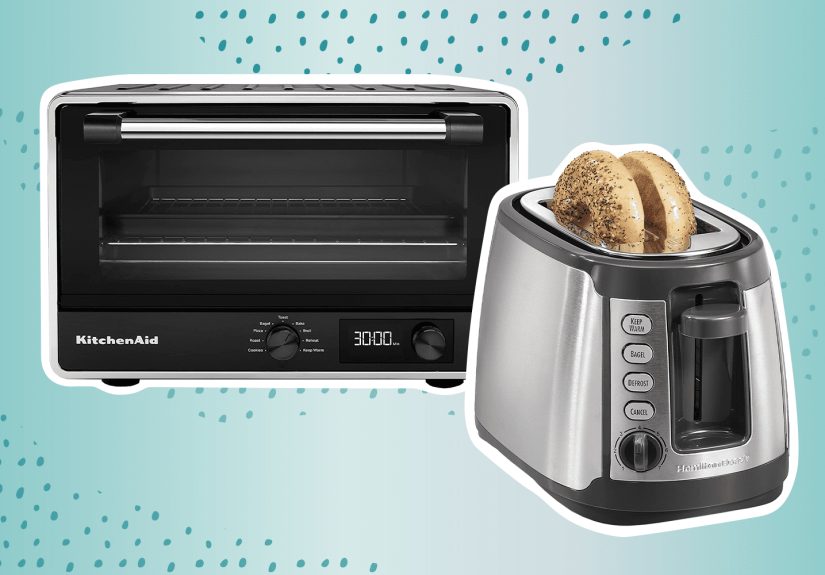
A traditional pop-up toaster is the classic breakfast sidekick: you drop sliced bread into vertical slots, push down the lever, and a few minutes later, toast pops up like it’s starring in its own tiny magic show.
How a Toaster Works
Inside a toaster, metal heating elements glow red-hot when electricity passes through them. These elements sit close to the bread, radiating heat and toasting the surface evenly on both sides. Most modern toasters include:
- 2 or 4 slots for sliced bread, bagels, and frozen waffles
- Browning controls to set how dark you want your toast
- Special settings like bagel, defrost, and reheat
- Crumb tray that slides out for easier cleaning
Key Advantages of a Toaster
- Speed for toast: Designed specifically for toast, it heats quickly and delivers consistent browning.
- Compact size: Takes up minimal space, ideal for small kitchens, dorm rooms, and RVs.
- Simple controls: Turn the dial, press the lever, done. Even half-awake humans can handle it.
- Typically cheaper: Basic models are very affordable compared to high-end toaster ovens.
- Energy-efficient for toast only: Because it runs at moderate wattage and for short bursts, it’s efficient for simple toasting tasks.
Toaster Limitations
- Single-purpose: Great for toast, not great for much else.
- Size limits: Thick breads, artisan loaves, or leftover pizza generally don’t fit.
- Less control beyond toast: You can’t really bake, broil, or roast in a pop-up toaster.
What Is a Toaster Oven?
A toaster oven is basically a mini countertop oven with a door and a small interior cavity. Instead of slots, it has a rack or tray where you place food horizontally, then heat it using top and/or bottom elements, often with multiple modes (bake, toast, broil, air fry, etc.).
How a Toaster Oven Works
Toaster ovens use electric heating elements and sometimes fans (in convection models) to circulate hot air. They generally operate at higher wattage than pop-up toasters and can handle a wider variety of cooking methods, including:
- Toasting bread, bagels, and English muffins
- Melting cheese on open-face sandwiches
- Reheating leftovers (without the sogginess of a microwave)
- Baking cookies, mini pizzas, or small casseroles
- Roasting veggies or small cuts of meat
Key Advantages of a Toaster Oven
- Versatility: It can toast, bake, broil, and sometimes air fry. Think “tiny oven” rather than “fancy toaster.”
- Handles awkward shapes: Leftover pizza slices, garlic bread, and odd-shaped pastries fit easily.
- Great for small-batch cooking: No need to heat your full-size oven for just two chicken thighs.
- More control: Temperature settings, timers, and multiple racks give you flexibility.
Toaster Oven Limitations
- Larger footprint: Takes up more counter space and needs room around it for ventilation.
- Slower for simple toast: Often needs a bit of warm-up time and may not toast as evenly or quickly as a dedicated toaster.
- Higher energy draw: Uses more watts, especially on high-heat or long-cook settings.
- More parts to clean: Crumb tray, racks, and sometimes baking pans need regular cleaning.
Toaster vs. Toaster Oven: Feature-by-Feature Comparison
1. Toast Quality
If your main goal is perfect toast, a pop-up toaster usually wins. The bread is held close to the heating elements on both sides, which often results in more even browning and a consistent texture slice after slice. Many toaster ovens toast just fine, but some struggle with hot spots or uneven browning, especially if the rack isn’t positioned just right.
2. Cooking Versatility
Here, the toaster oven is the clear winner. You can use it for:
- Mini sheet-pan dinners
- Toasting nuts or breadcrumbs
- Finishing steaks with a quick broil
- Baking small desserts without overheating the whole kitchen
If you regularly heat frozen snacks, roast vegetables, or bake small batches, a toaster oven can reduce your dependence on your full-size oven.
3. Counter Space and Kitchen Layout
For tiny kitchens, studio apartments, or dorms, every inch of counter matters. A compact 2-slice toaster has a small footprint and can even be stored in a cabinet when not in use. A toaster oven generally needs a dedicated space, plus clearance behind and above it to avoid overheating nearby surfaces.
Ask yourself:
- Do I have space for a larger appliance that might stay out all the time?
- Am I willing to give up that space in exchange for more cooking options?
4. Energy Use and Power
Both appliances use electricity, but they use it differently.
- Toasters: Many household toasters fall somewhere around 600–1500 watts, depending on size and number of slots.
- Toaster ovens: These are often in the 1000–1800 watt range and may run for longer stretches, especially when baking or roasting.
For basic toast a few times a week, a pop-up toaster is usually more energy-efficient and faster. When you’re cooking small meals, however, a toaster oven can be more efficient than firing up a full-size oven, since it heats a smaller space and often preheats more quickly.
5. Cost and Long-Term Value
On average:
- Pop-up toasters: Budget models are inexpensive; high-end smart toasters exist, but most people are satisfied with midrange units.
- Toaster ovens: Prices vary widely. Basic models can be reasonable, while feature-rich convection or air-fry models can cost significantly more.
If you only ever toast bread, it’s hard to justify the higher cost of a toaster oven. If you’ll use it as a mini oven for daily cooking, the extra capabilities can be well worth the price.
6. Ease of Use and Cleaning
Toaster: Very straightforward. Drop bread in, choose a setting, press the lever, and occasionally empty the crumb tray. That’s about it.
Toaster oven: Still simple, but a bit more hands-on. You’ll deal with trays, racks, and sometimes multiple cooking modes. Cleaning takes a bit more effort: wiping the interior, cleaning glass doors, and washing accessories.
7. Safety Considerations
Both appliances deal with high heat, so basic safety habits are important:
- Keep the area around the appliance clear of paper towels, curtains, or food packaging.
- Empty crumb trays regularly to reduce fire risk.
- Don’t stick metal utensils inside to fish out stuck bread.
- Place toaster ovens on heat-resistant, stable surfaces with enough airflow around them.
Some people like to unplug small appliances like toasters between uses to reduce both fire risk and standby energy use. It’s a simple, low-effort habit, especially if the outlet is easy to reach.
Which One Should You Buy?
Choose a Toaster If:
- You mainly eat toast, bagels, English muffins, or frozen waffles.
- You want the fastest, most consistent toast with minimal fuss.
- Counter space is limited or you prefer an appliance you can stash away.
- You’re on a budget and don’t need extra cooking modes.
Choose a Toaster Oven If:
- You love small-batch cooking and reheating leftovers without using a full-size oven.
- You want to bake, broil, or roast in addition to toasting.
- You regularly cook for one or two people and appreciate a mini oven for everyday meals.
- You have enough counter space and want a multi-tasking appliance.
Choose Both If:
You’re a serious home cook or have a busy household. Many families keep a pop-up toaster on the counter for everyday toast and a toaster oven for snacks, side dishes, and small meals. The toaster handles the breakfast rush; the toaster oven becomes the weeknight workhorse.
Practical Scenarios: Toaster vs. Toaster Oven in Real Life
Busy Weekday Mornings
If your morning looks like a race against the clock, a traditional toaster shines. It’s quick, intuitive, and easy for kids to use with supervision. You can toast bread while you make coffee, and breakfast is on the table in a few minutes.
Weekend Brunch and Baking
Saturday mornings are where toaster ovens flex. Want cheesy open-faced bagels, breakfast flatbreads, or baked eggs in ramekins? The toaster oven lets you toast, melt, and bake in one spot without turning on the main oven.
Reheating Leftovers
A toaster oven is excellent for reheating pizza, roasted veggies, or fried foods. Instead of getting soggy in the microwave, leftovers re-crisp and regain some of their original texture.
Small Apartments and Student Housing
In small spaces, your choice depends on how you eat:
- If you mostly eat toast, cereal, and simple breakfasts, a toaster is enough.
- If your “stove” is basically a microwave and you want something that actually browns and bakes, a toaster oven can be a game-changer.
Conclusion: The Right Appliance for Your Kitchen
There is no universal winner in the toaster vs. toaster oven debateonly the best fit for your household. If you crave ultra-reliable toast and your counter space is tight, a classic pop-up toaster is perfect. If you love crispy leftovers, small-batch baking, and flexible cooking in a compact footprint, a toaster oven earns its spot.
Start with your habits: What do you actually cook and reheat in a typical week? Then layer in your constraints: space, budget, and energy use. Once you match the appliance to your real lifenot an imaginary Pinterest kitchenthe choice becomes obvious.
meta_title: Toaster vs. Toaster Oven: Which One Should You Buy?
meta_description: Comparing toaster vs. toaster oven? Learn the key differences, pros and cons, energy use, and how to choose the best appliance for your kitchen.
sapo: Trying to decide between a classic toaster and a versatile toaster oven? This in-depth guide breaks down how each appliance works, compares toast quality, energy use, cooking options, and cost, and walks through real-life scenarios so you can confidently choose the right countertop hero for your kitchenwhether you’re all about quick breakfasts, crispy leftovers, or tiny sheet-pan dinners.
keywords: toaster vs toaster oven, toaster oven vs toaster, toaster energy use, countertop toaster oven, small kitchen appliances, best toaster for small kitchen, toaster oven pros and cons
Bonus: Real-Life Experiences with Toasters and Toaster Ovens (Extra )
Comparisons are great, but sometimes real-life stories say more than spec sheets. Here are some common “archetypes” and experiences people have with these appliances that might sound suspiciously familiar.
The Toast-Obsessed Traditionalist
This is the person who believes toast is a food group. They eat it with butter, jam, avocado, eggsyou name it. For them, the toaster is non-negotiable. They’ve tried toaster ovens and complained: “It’s fine, but the toast just isn’t the same.”
If you’re this person, you might notice:
- You care deeply about even browning and the exact shade of golden.
- You hate waiting, especially in the morning.
- You don’t really use an oven for tiny portionsyou’d rather grab cereal than bake.
For the toast-obsessed, a solid pop-up toaster (possibly a 4-slice model for families) is the kitchen MVP. Even if a toaster oven moves in later, the toaster never actually leaves the counter.
The “Mini Oven, Big Ambitions” Cook
Then there’s the person who discovers the toaster oven and never looks back. Their full-size oven? Mostly for holidays. On regular days they’re:
- Roasting a handful of Brussels sprouts for lunch
- Baking two cookies from frozen dough instead of a whole tray
- Reheating leftover fried chicken to get the skin crispy again
They love that the toaster oven feels like a scaled-down version of “real” cooking. Temperature dial, timer, sometimes even convectionjust without the commitment of preheating a huge oven. If you’re this person, toast is just one of many things you expect your appliance to do, not its main purpose.
The Small-Space Strategist
In a studio apartment or tiny kitchen, owning both may simply not be an option. A lot of people in this situation end up using their toaster oven as a hybrid device. They’ll toast bread in it, accepting that it might take a bit longer, in exchange for being able to:
- Bake frozen snacks without leaving the couch-zone radius
- Warm up leftovers without stinking up the shared microwave
- Cook “real” food when there’s no full-size oven available
One common trick: keeping a small baking pan or sheet that lives in the toaster oven. That way it’s always ready for quick roasting or reheating. It turns the appliance from “just another gadget” into a central part of everyday cooking.
The Family Kitchen Juggle
In busy family kitchens, you often see both appliances playing different roles. Picture a morning with kids leaving at different times:
- The toaster handles a steady stream of bread, bagels, and toaster waffles.
- The toaster oven is toasting English muffins, melting cheese on breakfast sandwiches, or heating up leftover pizza for the teen who slept through breakfast.
This setup shines during holidays and gatherings, too. You can use the toaster for bread while the toaster oven keeps appetizers warm or finishes off small dishes when the main oven is fully occupied.
What People Regret (and Don’t Regret)
People rarely regret buying a good toaster if they eat toast regularly. It’s simple, reliable, and doesn’t ask much of you. The more common regret is underestimating how useful a toaster oven can beespecially in households where oven use feels like too much effort for one or two people.
On the flip side, some people buy a large, feature-packed toaster oven and then only ever use it to toast bagels. If you know you’re not likely to bake, broil, or roast, don’t feel pressured into a big and fancy model just because it exists. Match the appliance to your habits, not your aspirational Pinterest boards.
In the end, the best “experience” is the one where your appliance quietly supports your real life: quick breakfasts, easy snacks, and weeknight meals that don’t leave you with a sink full of dishes. Whether that’s a humble toaster, a hardworking toaster oven, or the power duo of both is entirely up to youand your counter space.