Table of Contents >> Show >> Hide
Buying tools sounds simple until you’re standing in an aisle staring at seven drills, twelve battery options, and a price tag that suggests your screwdriver now has a college fund. That is exactly why a solid tool buying guide matters. The right tool saves time, improves results, and keeps you from turning a quick Saturday project into a dramatic three-act home improvement tragedy.
Whether you are building your first homeowner toolkit, upgrading old gear, or trying to figure out if you actually need that shiny impact driver, this guide breaks it all down in plain English. We’ll cover the main types of tools, what features matter, how to shop smarter, and the mistakes that drain your wallet faster than a clearance bin full of “must-haves.”
Why Choosing the Right Tool Matters
A good tool does more than help you finish a job. It affects safety, comfort, speed, and the final result. A cheap tape measure that won’t lock, a drill that feels like a brick, or a saw with poor balance can turn a normal project into a long afternoon of muttering. By contrast, the right tool feels predictable in your hand, matches the job, and makes you more likely to use it correctly.
There is also the money issue. Buying the wrong tool often leads to buying the right one later, which is a very efficient way to spend twice as much. Smart buyers focus less on hype and more on fit: What am I building? How often will I use this? Do I need pro-grade power, or do I just need to hang shelves without inventing new curse words?
Types of Tools You Should Know Before You Buy
1. Hand Tools
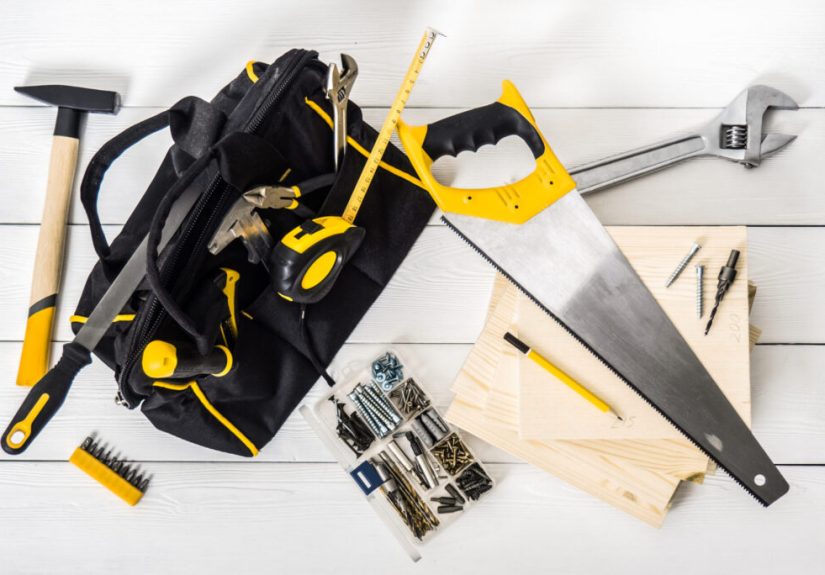
Hand tools are the backbone of any toolbox. They run on muscle, not batteries, and they stay useful even when the power goes out or your charger has vanished into the same mysterious dimension as single socks. Basic hand tools include hammers, screwdrivers, pliers, adjustable wrenches, utility knives, hex keys, clamps, chisels, and hand saws.
These tools are often lighter, easier to store, and more affordable than power tools. They also make sense for smaller jobs, detail work, and quick fixes. A well-made hammer, pair of pliers, and screwdriver set can stay in service for years, sometimes decades, if you do not treat them like demolition equipment at a monster truck rally.
2. Power Tools
Power tools bring speed and force to the party. Common categories include drill/drivers, impact drivers, circular saws, jigsaws, reciprocating saws, oscillating multi-tools, sanders, grinders, and nailers. For most homeowners, the first useful power tool is usually a cordless drill/driver. It handles drilling holes, assembling furniture, installing hardware, and dozens of everyday projects without much fuss.
Impact drivers are different. They look similar to drills, but they are built to drive long screws and large fasteners with more torque. If a drill is the all-purpose daily driver, an impact driver is the caffeinated cousin who shows up ready to build a deck.
3. Measuring and Layout Tools
These do not look flashy, but they quietly decide whether your finished project looks polished or slightly haunted. A reliable tape measure, level, speed square, combination square, chalk line, and stud finder belong in almost every toolkit. You can get away with average cutting once in a while. Bad measuring, however, has a way of repeating itself across an entire project.
4. Cutting and Shaping Tools
This category includes snips, utility knives, hacksaws, hand saws, circular saws, miter saws, jigsaws, and oscillating tools. Different tools suit different cuts. A circular saw handles long, straight cuts. A jigsaw is better for curves. An oscillating tool shines in tight spaces and weird little trim jobs where regular saws feel like overkill.
5. Outdoor Power Equipment
If your “projects” extend past the front door, tools may include string trimmers, blowers, chainsaws, hedge trimmers, and lawn equipment. Here, battery platform matters even more because outdoor tools often share larger packs and chargers. Buying into one platform can simplify storage, charging, and replacement costs.
6. Safety Gear and Storage
Safety glasses, hearing protection, work gloves, dust masks or respirators for appropriate tasks, and proper storage are not optional extras. They are part of the buying decision. The best drill in the world is still a bad purchase if you ignore eye protection, skip hearing protection, or leave it rolling around the garage floor like a loose bowling ball.
How to Choose the Right Tool for the Job
Match the Tool to the Task
Start with the project, not the sale tag. Hanging curtain rods, assembling furniture, and drilling pilot holes call for different levels of power than framing a shed or cutting pressure-treated lumber. Ask what material you are working with, how often you will do that job, and whether you need precision, speed, portability, or raw power.
Decide Between Corded and Cordless
Cordless tools are convenient, portable, and ideal for most household work. Corded tools still make sense when you want long runtime, consistent power, and no battery downtime. If you move around a lot, work outside, or hate wrestling extension cords, cordless is usually the friendlier option. If you do long shop sessions or heavy-duty cutting, corded tools still deserve respect.
Understand Voltage and Amp-Hours
For cordless tools, voltage generally speaks to power class, while amp-hours relate to runtime. A compact 12V tool is great for lighter work, tight spaces, and reducing fatigue. An 18V or 20V class tool is better for heavier DIY and more demanding jobs. Bigger batteries often run longer, but they also add weight. In other words, the strongest battery is not always the smartest one if your wrist already has trust issues.
Learn What Brushless Means
Brushless motors are typically more efficient, run cooler, and require less maintenance than brushed motors. They also tend to cost more. For frequent users, brushless is often worth the extra money. For occasional use, a brushed tool may still be perfectly fine. This is one of those “buy for your habits” decisions, not a universal rule.
Check Ergonomics and Weight
A tool can be powerful and still be miserable to use. Hold it if possible. Check the grip, balance, trigger feel, and overall weight. Fine Homebuilding-style advice still holds up here: a tool should fit your hand comfortably and feel solid. If it feels awkward in the store, it will not magically become charming after two hours on a ladder.
Pay Attention to Accessories
Sometimes the real cost of a tool is hiding in the accessories. Blades, bits, sanding discs, batteries, chargers, and storage cases matter. A “cheap” bare tool may become expensive fast if you still need two batteries, a charger, and a case. Combo kits can make sense when you are building a system from scratch, but only if the included tools are ones you will actually use.
Smart Tool Buying Tips
First, buy the best version of your most-used tool, not the fanciest version of a rarely used one. A dependable drill/driver, tape measure, and set of basic hand tools will serve you more often than some niche gadget you bought because it looked impressive online.
Second, choose a battery platform carefully. Once you invest in one cordless ecosystem, future purchases get easier and cheaper because tools can share batteries and chargers. That is great when planned well and annoying when you accidentally build a museum of incompatible chargers.
Third, think in stages. You do not need a fully stocked workshop on day one. Start with a core kit, then expand based on the projects you actually do. Tools should follow your real life, not your imaginary future as a weekend cabinetmaker on television.
Fourth, read warranty details. Some brands shine in durability and service, but warranty coverage often varies by product line. A generous warranty is useful only if you understand what it covers and how inconvenient the claim process will be.
Fifth, inspect used tools carefully. Look for damaged cords, missing guards, cracked housings, rust, loose handles, wobble, and battery health issues. Check recall notices before buying secondhand tools. A bargain stops being a bargain the moment it becomes dangerous.
Sixth, rent before you buy when the tool is expensive, bulky, or rarely needed. That applies to many demolition hammers, large tile saws, trenchers, floor sanders, and specialty cutters. Ownership is wonderful until it starts taking up half the garage for one project every three years.
Common Mistakes People Make When Buying Tools
The biggest mistake is buying for brand hype instead of job fit. Great brands matter, but even excellent brands make tools aimed at different users and budgets. Another common mistake is ignoring comfort. A lighter, smaller tool that you will actually use well is often smarter than a monster tool that stays in the box.
People also underestimate the importance of bits, blades, and setup. A mediocre tool with a sharp, appropriate accessory often outperforms a great tool wearing the wrong blade or a worn-out bit. Finally, many buyers skip safety gear in order to “save money,” which is the kind of short-term thinking that tends to age badly.
Frequently Asked Questions
What tools should a beginner buy first?
Start with a hammer, screwdriver set, pliers, adjustable wrench, tape measure, utility knife, level, flashlight, and cordless drill/driver. That covers a surprising amount of household work.
Is a tool kit better than buying individual tools?
A starter kit is great when you need the basics quickly and want better value up front. Individual purchases are better when you already know exactly which tools you use most and care more about performance than bundle pricing.
Do I need both a drill and an impact driver?
Not always. A drill/driver is enough for many homeowners. Add an impact driver if you regularly drive long screws, build decks, work with dense material, or want faster fastening with less strain.
Are brushless tools worth the extra cost?
Usually yes for frequent DIYers and professionals, because they are more efficient and durable. For light, occasional use, brushed tools can still offer solid value.
Should I buy corded or cordless power tools?
Choose cordless for mobility and convenience. Choose corded when you need longer continuous runtime, steady power, or lower cost for certain heavy-use tools.
Is it safe to buy used tools?
Yes, sometimes. But inspect carefully, avoid tools with damaged guards or switches, and check recall information before buying. Used hand tools are often safer bets than used power tools with unknown histories.
How much should I spend on tools?
Spend more on tools you will use often and depend on for accuracy or safety. Spend less on niche tools that come out a few times a year. Good buying is less about the highest price and more about smart allocation.
Real-World Experiences and Lessons from Buying Tools
One of the most common tool-buying experiences goes like this: someone buys the cheapest drill they can find because they only need it “for a couple of little things.” A week later, that same drill is struggling through pilot holes, chewing up screws, and making every project feel harder than it should. The lesson is not that cheap tools are always bad. It is that entry-level tools work best when the job actually matches the tool. Light-duty work deserves light-duty tools. Repeated, demanding work deserves something better.
Another classic experience involves battery platforms. A homeowner starts with one cordless tool from one brand, then spots a sale on another brand’s saw, then inherits a third brand’s blower from a relative. Suddenly the garage shelf looks like a charger convention. The tools themselves may all work fine, but the clutter, cost, and inconvenience pile up. People who are happiest with cordless tools usually commit to one ecosystem early, then expand slowly and intentionally.
There is also the “combo kit honeymoon” phase. Buying a six-tool set feels fantastic, especially when the case looks like you are about to renovate a cabin on television. But real life has a way of revealing the truth. Maybe you use the drill every week, the oscillating tool every few months, and the reciprocating saw almost never. That does not make the kit a bad buy, but it does show why buyers should pause and ask whether the bundled tools fit their actual project list or just their ambitions.
Many people learn the ergonomics lesson the hard way. A tool might look powerful in product photos, but once you are overhead on a ladder, trimming boards in a tight corner, or driving screws for forty minutes straight, weight suddenly matters a lot. Compact tools often win more fans in daily use than oversized models. There is something humbling about realizing the “beast mode” drill you admired online feels like lifting a cinder block with a trigger.
Used tools teach another valuable lesson: condition beats appearance. A vintage hand plane with surface grime can be cleaned and tuned. A shiny used circular saw with a sketchy cord, a missing guard, or an odd vibration is a completely different story. Smart buyers become inspectors. They check moving parts, feel for looseness, test switches, and walk away when something feels off. Experience teaches that confidence is good, but functioning safety features are better.
Finally, almost every experienced DIYer reaches the same conclusion eventually: the best tool is the one you understand well enough to use safely and effectively. Fancy features are nice. Premium branding is nice. But a thoughtfully chosen, well-maintained tool that fits your projects, your hands, and your budget is what actually earns a permanent place in the toolbox. Everything else is just shiny clutter with marketing copy.
Conclusion
The best tool buying guide is not really about chasing the biggest motor, the newest battery, or the loudest marketing slogan. It is about matching the tool to the task, buying into a system that makes sense, and respecting safety as part of the purchase. Build your collection slowly, prioritize quality where it counts, and remember that every great workshop starts with a few solid choices instead of one giant impulse buy. Your future projects, your budget, and your storage shelves will all thank you.