Table of Contents >> Show >> Hide
- 1) Disconnection: When Relationships Become Negotiable
- 2) “Fair Game” and Aggressive Response to Critics
- 3) Operation Snow White: The Infiltration Scandal That Actually Went to Court
- 4) The Sea Organization (Sea Org): Extreme Commitment or Exploitative Structure?
- 5) The Rehabilitation Project Force (RPF) and Internal Discipline
- 6) Medical and Mental Health Controversies
- 7) High-Cost Spiritual Advancement and Financial Pressure
- 8) Internal Justice Systems, Arbitration, and Control of Disputes
- 9) Public Relations, Celebrity Strategy, and Reputation Management
- 10) Tax-Exempt Status and the Long IRS Conflict
- What This Adds Up To
- Reported Experiences: What Former Members Say It Felt Like (Extra Detail)
If you’ve ever tried to Google “Scientology controversies” and ended up in a rabbit hole so deep you considered packing a lunch, you’re not alone. Scientology is one of the most debated modern religions in the United Statespraised by adherents as a pathway to spiritual improvement and criticized by former members, journalists, and litigants as an organization that can be harsh, controlling, and aggressively defensive.
Important note (because nuance is still cool): this article summarizes public reporting, court records, and widely discussed allegations. The Church of Scientology disputes many of these claims and argues it is frequently misrepresented. So think of this as a “what critics say, what public records show, and why it matters” guidebuilt for readers who want context without needing a law degree.
1) Disconnection: When Relationships Become Negotiable
One of the most frequently criticized practices is “disconnection”a form of shunning in which members may be encouraged (or pressured, according to critics) to cut off contact with people labeled antagonistic or “suppressive.” Former members and families describe this as emotionally devastating: marriages strained, parents separated from adult children, and friendships “unfriended” in real life.
Why critics say it’s harmful
Critics argue disconnection can function like social leverage: “Stay in good standing… or lose your community.” That’s not just a spiritual consequence; it’s a life consequence. The alleged power comes from how much of a member’s support network may exist inside the church.
Why it’s complicated
Religious communities have boundariesalways have. The dispute is whether disconnection is a voluntary personal choice or an enforced organizational policy with real penalties for noncompliance.
2) “Fair Game” and Aggressive Response to Critics
Another major criticism centers on the organization’s historically aggressive stance toward opponents. The phrase “fair game” is often referenced by critics to describe policies and tactics used to confront perceived enemiessometimes through litigation or private investigation.
A concrete example (public record)
In legal proceedings involving former member Gerald Armstrong, the “Fair Game Doctrine” is discussed in court opinions, including language describing how a suppressive person could be “tricked, sued or lied to or destroyed” (as quoted in case materials). Critics point to this as evidence that the organization endorses unusually punitive conflict behavior.
Why it matters
Even when the church says practices have evolved, the reputation remains: critics and journalists often report fear of being targeted, investigated, or buried in legal costswhat some describe as “winning by exhausting everyone else.”
3) Operation Snow White: The Infiltration Scandal That Actually Went to Court
If you like your controversies with court citations, this is the heavyweight. Operation Snow White refers to a series of actions in the 1970s involving theft and infiltration of government offices and documents. Multiple Scientology officials were convicted in connection with the operation.
Why this stands out
Many religious controversies are “he said, she said.” This one has extensive legal documentation. Critics argue it reveals a willingness to treat institutions as obstacles to be neutralized rather than partners to be engaged. Supporters typically frame the era as unique and historically situated.
4) The Sea Organization (Sea Org): Extreme Commitment or Exploitative Structure?
The Sea Org is described as an elite religious order within Scientology, famous for its intense devotion and discipline and infamous (to critics) for alleged harsh conditions. Former members and journalists have described strict rules, long working hours, limited freedom, and a culture of intense compliance.
Common allegations
Critics and lawsuits have alleged coercive labor conditions, isolation, and punitive disciplinesometimes using terms like forced labor or trafficking in legal complaints. The church denies wrongdoing and disputes such characterizations.
Why it matters
A religious order can be intense; that’s not automatically illegal or unethical. The question raised repeatedly is where “voluntary devotion” ends and coercion beginsespecially when recruits are young, financially dependent, or socially isolated.
5) The Rehabilitation Project Force (RPF) and Internal Discipline
Internal discipline programs associated with the Sea Orgparticularly the Rehabilitation Project Force (RPF)are frequently mentioned by critics as evidence of a punitive system aimed at controlling dissent and enforcing conformity.
What critics allege
Former members and academic discussions have described the RPF as involving grueling labor, isolation, and intense confession/ethics processes. Supporters and the church have disputed these portrayals and may describe discipline as part of organizational standards.
Why it matters
When an organization’s discipline becomes all-consumingimpacting sleep, movement, contact with others, and access to moneycritics argue it can resemble institutional control more than spiritual correction.
6) Medical and Mental Health Controversies
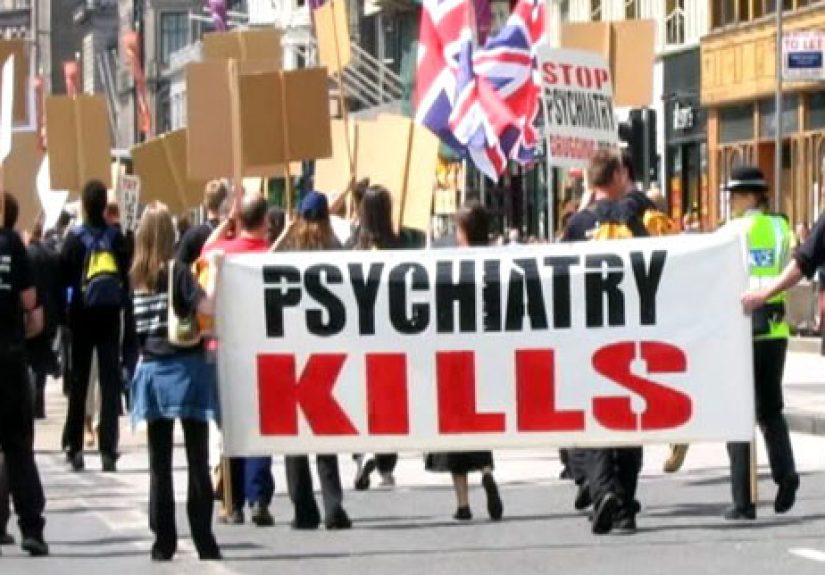
Scientology’s conflict with psychiatry and mental health institutions has been a long-running public issue. Critics argue that skepticism toward psychiatrycombined with internal counseling methodscan create risk when members face severe mental health crises or require medical care.
A widely cited case
The death of Lisa McPherson is among the most reported episodes connected to Scientology’s handling of health crises. The case has been covered extensively and remains a focal point for critics who argue that organizational policies and medical decision-making can have serious consequences.
Why it matters
Plenty of religions prefer spiritual counseling. The controversy is whether organizational rules discourage timely medical care or stigmatize certain treatmentsespecially for members in distress.
7) High-Cost Spiritual Advancement and Financial Pressure
Another major criticism is the cost structure of courses and auditing. Former members and investigative reporting often describe a system where spiritual progress can become expensivesometimes extremely so.
What critics say happens
Critics describe persistent fundraising, status tied to donations, and pressure to buy services. Some former members claim they went into debt or drained savings to keep moving up “the Bridge.” The church disputes coercion and argues members choose what to participate in.
Why it matters
Transparency and informed consent are the heart of the question. “Pay for religious services” is not new. But “pay while being pressured, with social penalties if you don’t” is the allegation that keeps returning.
8) Internal Justice Systems, Arbitration, and Control of Disputes
Many high-control organizationsreligious or otherwiseprefer disputes stay “in house.” Scientology has been criticized for mechanisms that can route conflict into internal processes, including arbitration or ethics systems, which critics argue may discourage members from going to outside authorities.
Why critics worry
When internal systems handle serious allegations, critics argue victims may feel pressured to stay quiet, comply, or frame problems as personal failings rather than misconduct. The church maintains it has policies and processes meant to address issues responsibly.
9) Public Relations, Celebrity Strategy, and Reputation Management
Scientology has a uniquely modern brand strategy, including celebrity outreach that generates attentionand skepticism. Critics argue that PR efforts sometimes function less like community outreach and more like reputation defense: pressuring journalists, counter-attacking critics, and saturating the public narrative.
Why this became a headline habit
Investigative reporting from major outlets has described a pattern of legal and investigative pushback. In one famous example, a major magazine cover story triggered years of legal conflict and public response campaignsadding to the perception of an organization that treats criticism as a threat to be neutralized.
10) Tax-Exempt Status and the Long IRS Conflict
Few topics generate more debate than Scientology’s tax-exempt status in the U.S. After years of conflict and litigation, the IRS granted tax exemption to Scientology-related entities in the early 1990s, and later reporting described a settlement figure and compliance terms that became widely discussed.
Why critics focus here
Critics argue the exemption legitimizes the organization while shielding finances from public view. Supporters argue that recognition by U.S. tax authorities affirms religious status and ends a long era of conflict.
Why it matters
This isn’t just a nerdy tax debate (though tax nerds deserve joy, too). Tax exemption affects money, transparency, and public trustand it shapes how seriously institutions treat the organization.
What This Adds Up To
If you zoom out, the criticism pattern is less about theology and more about institutional power: control over relationships, conflict escalation, internal discipline, opaque finances, and a confrontational posture toward outsiders. Supporters may see a misunderstood faith that defends itself in a hostile world. Critics see an organization that makes “membership” feel like a contract you didn’t realize you signed in permanent marker.
The practical takeaway: if you’re researching Scientology (for yourself, a family member, or curiosity), focus on verified facts, court records, and multiple sourcesthen weigh claims carefully. And if a group’s rules demand your silence, your money, and your closest relationships… that’s not “religion vs. criticism.” That’s a power question.
Reported Experiences: What Former Members Say It Felt Like (Extra Detail)
I can’t give personal experiences (I’m software, not a former Sea Org recruit), but I can summarize patterns described by former members in interviews, documentaries, and long-form investigations. These accounts vary by personsome describe meaningful community and self-improvement, while others describe a slow tightening of control that only becomes obvious once you try to leave.
A common theme is the “boiling frog” feeling: at first, involvement may look like classes, self-help language, friendly certainty, and a supportive social world. People describe feeling energizedlike they’ve found a life operating system everyone else forgot to install. The early wins can be real: better routines, more confidence, clearer goals. That’s part of why some stay for years.
Then, former members often say, the commitments stack. More courses. More auditing. More volunteering. More expectations to recruit others. In some accounts, financial pressure creeps in through repeated requests to donate or purchase the next step. You’re not “forced,” they sayuntil “no” becomes socially expensive. Turning down fundraising can be framed as a moral failure, a lack of commitment, or evidence of hidden flaws to be handled through ethics processes.
Another frequently described experience is language control. People report that the organization’s specialized vocabulary doesn’t just label experiences; it can shape how you interpret them. Stress becomes a sign you need more auditing. Doubt becomes a “case” issue. Criticism becomes evidence of someone being “suppressive.” When everything is translated into internal terms, outsiders can start to look less like friends and more like threats.
For those who leaveor even questionformer members often describe fear of social collapse. If most of your friends are inside, leaving can mean losing your entire network in one decision. That’s why disconnection is so central in many accounts: the pain isn’t theoretical; it’s birthday parties, weddings, and phone calls that never happen again. Some describe trying to “stay quiet” to keep family ties, only to learn that silence can still be interpreted as disloyalty.
People who spent time around the Sea Org describe the intensity as a different universe: strict schedules, constant work, and a culture that treats endurance like virtue. Some accounts describe pridebelieving they were saving the worldmixed with exhaustion, limited autonomy, and fear of discipline. Critics and litigation narratives sometimes describe conditions as coercive; the church disputes those claims.
Finally, many former members describe a post-exit “re-entry” shock: rebuilding identity, learning ordinary boundaries, and processing griefespecially if family remains inside. Some report relief and freedom; others report anxiety and distrust after years of being told the outside world is dangerous. It can be psychologically disorienting to leave a system that claims it has the only correct map of reality.
The most honest summary is this: the reported experience spectrum is wide. But the harshest accounts share a consistent corepressure that escalates, consequences for dissent, and a social structure where leaving can cost you your community. That’s why the controversies persist: they’re not just about beliefs; they’re about power, consent, and the human relationships caught in the middle.