Table of Contents >> Show >> Hide
- What Makes Fish and Chips “Traditional” (Not Just “Fried Stuff”)?
- Ingredients
- Equipment You’ll Want (So This Is Fun, Not Stressful)
- Step-by-Step: How to Make Traditional Fish and Chips
- 1) Prep the chips (the secret is getting rid of surface starch)
- 2) First fry for chips (cook through, don’t brown yet)
- 3) Make the batter (cold + bubbly + barely mixed)
- 4) Prep the fish (dry fish = crisp batter that actually sticks)
- 5) Fry the fish (golden, crisp, and not greasy)
- 6) Second fry for chips (this is where the crunch happens)
- Why This Works (Quick Food Science, No Lab Coat Required)
- Classic Serving Ideas (A.K.A. How to Make It Feel Like a UK Chippy)
- Optional Add-Ons (Still Traditional-Enough Energy)
- Troubleshooting: Fix the 6 Most Common Fish-and-Chips Problems
- Food Safety Notes (Quick, Important, and Not Here to Ruin the Party)
- Traditional British Fish and Chips Recipe: Full Printable-Style Method
- The Experience: Real-World Fish-and-Chips Moments (500+ Words of the Good Stuff)
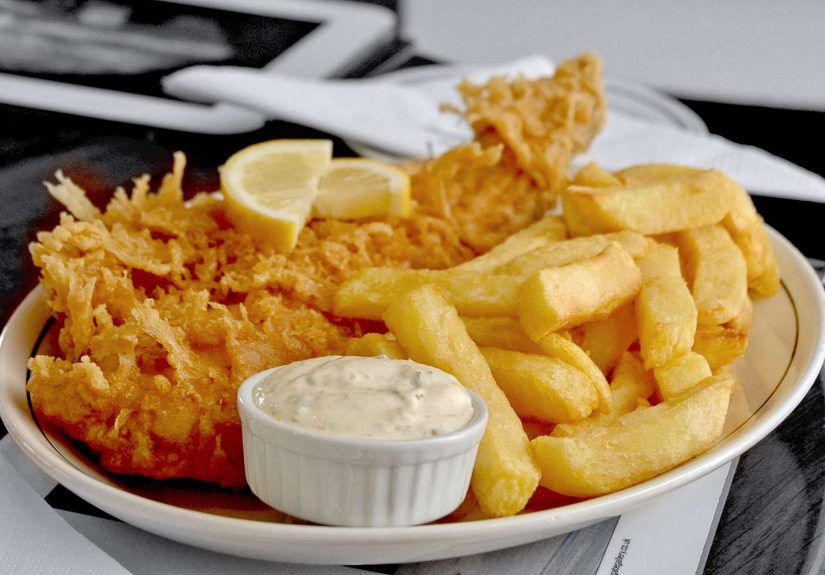
Fish and chips is the kind of meal that proves two humble ingredientsfish and potatoescan achieve celebrity status if you introduce them to hot oil at the right temperature.
Done well, you get shatter-crisp batter, tender flaky fish, and thick-cut chips that stay crunchy long enough to actually reach the table (a miracle).
Done poorly… well, let’s just say soggy batter is a tragic personality trait.
This guide walks you through a truly traditional, British-style fish and chips experiencebut written for American home kitchens.
You’ll learn why cold, bubbly batter matters, how to double-fry chips like a chip shop, and how to serve it the classic way: salt, malt vinegar, and zero regrets.
What Makes Fish and Chips “Traditional” (Not Just “Fried Stuff”)?
Traditional British fish and chips is defined by three big ideas:
thick white fish (like cod or haddock), a light, airy batter (often beer-based and/or fizzy),
and proper chips (thicker than French fries, typically fried twice for that fluffy-inside/crisp-outside contrast).
The finishing touchesmalt vinegar, salt, and often mushy peasaren’t optional “extras.” They’re part of the vibe.
Ingredients
For the chips
- 2 1/2 pounds russet potatoes (best U.S. stand-in for UK chip-shop potatoes)
- Kosher salt (or fine salt for the most classic “chip shop” feel)
- Neutral frying oil (canola, peanut, vegetable, or sunflower), enough for 2–3 inches in a Dutch oven
For the fish
- 1 1/2 to 2 pounds cod or haddock fillets (pollock also works well), cut into large portions
- Kosher salt and black pepper
- 1/2 cup all-purpose flour (for dredging)
For the classic batter (light, crisp, not bready)
- 1 cup all-purpose flour
- 1/4 cup cornstarch (or rice flour for extra crispness)
- 1 to 1 1/2 teaspoons baking powder
- 1/2 teaspoon fine salt
- 1 cup ice-cold light lager (avoid very hoppy IPAs)
- 1/2 cup ice-cold club soda or sparkling water
To serve (the traditional finishing kit)
- Malt vinegar
- Lemon wedges
- Tartar sauce (store-bought or homemade)
- Mushy peas (optional, but wonderfully British)
Equipment You’ll Want (So This Is Fun, Not Stressful)
- Large, heavy pot or Dutch oven (steady heat = crisp results)
- Deep-fry thermometer (or a fryer with temperature control)
- Wire rack set over a baking sheet (keeps everything crisp)
- Spider strainer or slotted spoon
- Paper towels (backup support)
Step-by-Step: How to Make Traditional Fish and Chips
1) Prep the chips (the secret is getting rid of surface starch)
-
Peel (optional) and cut potatoes into thick batons, about 1/2-inch wide.
Think “chips,” not shoestring fries. -
Rinse in cold water until the water runs mostly clear. Then soak the cut potatoes in cold water for 30–60 minutes.
This helps remove excess starch, which encourages crispness. -
Drain and dry very well. Wet potatoes + hot oil = dramatic splattering.
(Not the fun kind of drama.)
2) First fry for chips (cook through, don’t brown yet)
Heat oil to 325°F. Fry chips in batches for about 4–6 minutes, or until they look pale and slightly softened,
not golden. You’re cooking the inside now. Crisp comes later.
Remove to a rack and let them cool while you prep the fish. Cooling matterssteam needs time to escape so the final fry can crisp properly.
3) Make the batter (cold + bubbly + barely mixed)
- In a bowl, whisk flour, cornstarch (or rice flour), baking powder, and salt.
-
Pour in the ice-cold beer and ice-cold club soda.
Whisk gently until just combined. A few lumps are not a failurethey’re a feature. -
If your kitchen is warm or you’re taking your time, pop the batter into the fridge for 10–15 minutes.
Cold batter hits hot oil and instantly puffs and crisps instead of turning bready.
4) Prep the fish (dry fish = crisp batter that actually sticks)
- Pat fish very dry with paper towels.
- Season both sides with salt and pepper.
-
Lightly dredge fish in flour (shake off excess).
This “primer coat” gives the batter something to hold onto.
5) Fry the fish (golden, crisp, and not greasy)
Bring oil up to 350–375°F. Dip each floured fish piece into batter, let excess drip off,
then carefully lower into the oil.
Fry in batches (crowding drops oil temperature and makes everything sad) for about 4–7 minutes,
depending on thickness, until deeply golden and crisp.
Transfer fish to a wire rack. If you need to hold batches, keep them warm in a 200°F ovenon the rack, not directly on a plate,
so the underside doesn’t steam itself into sogginess.
6) Second fry for chips (this is where the crunch happens)
Increase oil temperature to 375°F. Fry the chips again in batches for 2–4 minutes,
until golden and crisp. Drain on the rack and immediately season with salt.
Why This Works (Quick Food Science, No Lab Coat Required)
Cold, fizzy batter = lighter crunch
Beer and sparkling water bring carbonation, which helps create tiny bubbles in the batter as it hits hot oil.
That airy structure fries up crisp instead of dense.
Keeping everything cold also slows gluten development, so the coating stays delicate rather than chewy.
Flour + starch = crisp without heaviness
Adding cornstarch (or rice flour) lowers the batter’s gluten potential and increases brittlenessexactly what you want in a crunchy shell.
You’re building a crisp “jacket” that protects the fish while it gently steams inside.
Double-frying chips = fluffy inside, crisp outside
The first fry cooks the potato through. The second fry drives off more moisture and crisps the exterior.
That’s how chip shops get that contrast: tender, fluffy centers with a crackly outside.
Classic Serving Ideas (A.K.A. How to Make It Feel Like a UK Chippy)
- Malt vinegar + salt: Sprinkle salt, then splash malt vinegar right before eating.
- Tartar sauce: Creamy, tangy, and very welcome next to crispy batter.
- Mushy peas: Traditional and strangely addictive once you stop judging them by name alone.
- Lemon wedges: A squeeze cuts richness and brightens everything.
Optional Add-Ons (Still Traditional-Enough Energy)
Quick “British-ish” mushy peas (fast American shortcut)
Traditional mushy peas often use dried marrowfat peas, but frozen peas make a solid weeknight version:
simmer peas until tender, mash roughly with butter, salt, pepper, and a tiny squeeze of lemon.
Keep it chunky, not baby-food smooth.
Homemade tartar sauce in 2 minutes
Mix mayonnaise, chopped dill pickles (or cornichons), a little pickle brine or lemon juice, and minced onion or chives.
Add dill if you’re feeling fancy. Taste and adjust until it makes you want to dip everything in it.
Troubleshooting: Fix the 6 Most Common Fish-and-Chips Problems
1) “My batter slid off the fish.”
Usually the fish was wet or skipped the flour dredge. Pat dry, dredge lightly, then batter.
2) “The coating is crisp but the fish is undercooked.”
Your fish pieces may be too thick or your oil too hot (browning the batter before the fish finishes).
Cut portions a bit thinner, and aim for consistent oil temperature.
3) “It tastes greasy.”
Oil temperature likely dropped from overcrowding or starting too cool. Fry in batches and use a thermometer.
Grease is what happens when batter sits in lukewarm oil and drinks it like iced coffee.
4) “My chips aren’t crispy.”
Common causes: potatoes weren’t dried, oil wasn’t hot enough on the second fry, or chips were piled on a plate (steam attack).
Dry well, fry hot, drain on a rack.
5) “The batter is too thick and bready.”
Overmixing can develop gluten, and warm batter loses its edge. Mix gently and keep it cold.
If needed, thin with a splash more cold club soda.
6) “The batter is pale.”
Oil might be too cool, or batter too wet. Make sure you’re in the 350–375°F zone and the batter clings in a thin coat.
Food Safety Notes (Quick, Important, and Not Here to Ruin the Party)
Fish is generally considered safely cooked at an internal temperature of 145°F, or when it turns opaque and flakes easily.
Also: keep raw fish cold, avoid cross-contamination with cutting boards and utensils, and don’t leave seafood sitting out while you debate batter philosophy.
Traditional British Fish and Chips Recipe: Full Printable-Style Method
Summary
- Soak + dry chips
- Fry chips at 325°F (pale)
- Make cold beer + soda batter
- Fry fish at 350–375°F (golden)
- Fry chips again at 375°F (crisp)
- Serve with malt vinegar + salt
The Experience: Real-World Fish-and-Chips Moments (500+ Words of the Good Stuff)
Making traditional British fish and chips at home isn’t just cookingit’s an event. Not a “hire a DJ and print invitations” event, but the kind where
your kitchen suddenly sounds like a cozy pub and smells like comfort food with a seaside accent. The first clue you’re doing it right is the sizzle:
when cold batter meets hot oil, it crackles like a tiny applause line. It’s one of those sensory signals that makes people wander into the kitchen “just to check”
and somehow stay to supervise (read: snack).
Home cooks often describe the biggest “wow” moment as the batter transformation. Before frying, it looks unimpressivejust a pale, lumpy mixture that doesn’t seem
worthy of tradition. Then it hits the oil and becomes this airy, craggy shell that looks like it was engineered by a crunchy-food architect. The texture is the point:
not a smooth, perfect coating, but a slightly irregular, frilly crispness that shatters when you bite it. It’s also why fish and chips feels so satisfyingyour brain
gets crunch, your mouth gets steam-soft fish, and everyone at the table gets unusually quiet for a few minutes.
Chips bring their own storyline. The first fry feels almost wrong because you’re pulling out pale potato sticks that look like they need encouragement. But that pause
letting them cool on a racksets up the glow-up. On the second fry, you’ll see them turn golden and slightly blistered at the edges. That’s the moment a lot of people
start hovering again, because chips smell like anticipation. When you salt them right out of the oil, the seasoning sticks like it’s meant to be there (because it is),
and the chips stay crisp longer than you’d expect from something that used to be a raw potato five minutes ago.
Serving is where tradition turns into a memory. A classic move is to bring everything to the table on a tray or a big sheet pan lined with paperless “fine dining,”
more “we’re here for happiness.” Malt vinegar is the signature flourish. People who think they don’t like vinegar often change their minds once it hits hot chips,
because it’s not just sourit’s bright. It cuts through the richness and makes the whole plate taste awake. Add tartar sauce for creamy tang, maybe mushy peas for that
unmistakably British sidekick, and suddenly your kitchen feels like it’s hosting a small vacation.
Fish and chips also has a social superpower: it turns dinner into a shared ritual. Someone always calls dibs on the crispiest piece. Someone else insists the chips need
“just a bit more salt.” And there’s usually a friendly argument about dipping strategytartar sauce, vinegar, both, or the bold move of vinegar-first-then-dip.
If you’re cooking for friends, this is one of those meals that makes people feel taken care of without requiring fancy ingredients. It’s practical comfort food with a
proud heritage, and it rewards you with the kind of table energy that says, “We should do this again,” before anyone even finishes their plate.
The best part? Once you’ve nailed it once, you start noticing how flexible it is. Swap cod for haddock, tweak the batter, try thicker chips, or do a triple-cooked method
when you want to go full chip-shop nerd. But even the straightforward version delivers that traditional British fish and chips feeling: crisp, hot, tangy, and completely
unbothered by the idea of being “trendy.” It’s not trying to impress anyone. It just does.




![How Internal Marketing Helps You Build a Strong Brand From the Inside Out [Experts Weigh In]](https://gearxtop.com/wp-content/uploads/2026/03/how-internal-marketing-helps-you-build-a-strong-brand-from-the-inside-out-experts-weigh-in-cqRpeI8R-thumb.jpg)