Table of Contents >> Show >> Hide
- Why cast reactions to plot twists feel so satisfying
- How actors find out: table reads, secret scripts, and “don’t tell your mom” energy
- Big plot twistsand the TV stars who reacted in memorable ways
- The Good Place: the twist the cast didn’t get to know
- Game of Thrones: the Red Wedding and the “I knew it was coming” reaction
- Succession: when a sudden turn changes the whole season’s oxygen
- This Is Us: the reveal that made one star feel “relief”
- The Walking Dead: reacting to a major exit that fans felt in their bones
- Westworld: the twist that made everyone ask, “Wait… how many of her are there?”
- Mr. Robot: when the twist is brilliant…and also emotionally heavy
- Grey’s Anatomy: the table read that broke hearts in real time
- The Sopranos: the ending that made the cast go, “Wait…that’s it?”
- Dexter: reacting to a finale twist that left viewers stunned
- The Good Wife: when someone admits they were bad at keeping the secret
- What makes a plot twist “huge” (and not just random)
- Experiences: what it feels like when TV stars live through plot twists (and what viewers feel right along with them)
Spoiler warning: This article discusses major plot twists from several well-known TV series. If you’re mid-binge and allergic to spoilers, consider bookmarking this and coming back lateryour future self will thank you (and so will your blood pressure).
Plot twists are TV’s legal form of whiplash. One minute you’re cozy on the couch thinking you understand a show’s vibe, and the next minute the writers yank the rug so hard you’re basically doing a full gymnastics routine in your living room. And here’s the fun part: the audience isn’t always the first to get blindsided. Sometimes the castyes, the people saying the linesfind out at a table read or when the script lands in their inbox like a surprise pop quiz.
When TV stars react to big twists, their responses are more than just celebrity soundbites. They reveal how modern shows protect secrets, how actors process emotional turns, and how storytelling choices change the way a series is remembered. Let’s dive into the delicious chaos.
Why cast reactions to plot twists feel so satisfying
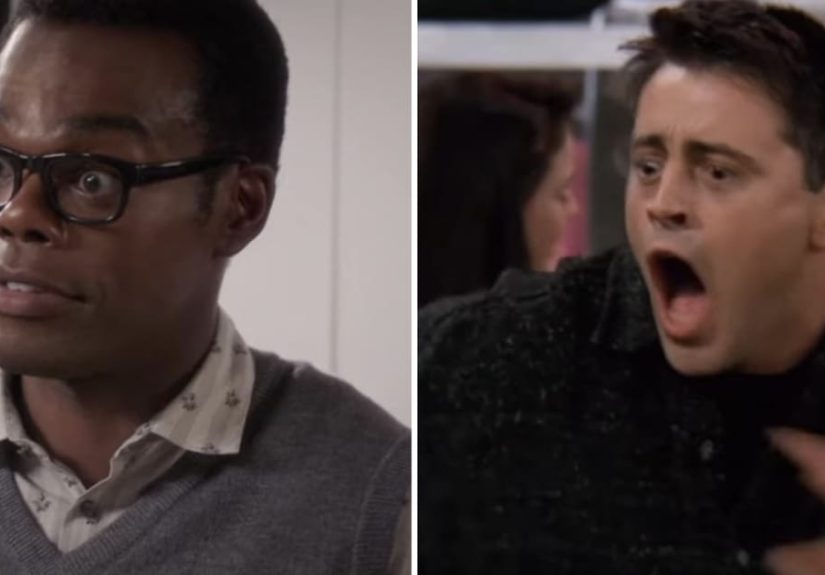
There’s something uniquely validating about seeing a professional actorsomeone who’s been trained to stay calm under pressurelook genuinely shocked by a twist. It’s like watching a magician get surprised by their own rabbit. Cast reactions matter because:
- They confirm the twist actually works. If even the cast didn’t see it coming, the writers probably nailed the misdirection.
- They reveal the real stakes. Actors often talk about emotional exhaustion, secrecy, or how a twist reshaped the entire show.
- They show how storytelling is built. Table reads, watermarked scripts, and partial information are all part of the modern “spoiler economy.”
How actors find out: table reads, secret scripts, and “don’t tell your mom” energy
Not every show handles secrets the same way. Some productions are open with the main cast early. Others treat plot information like it’s a national security briefing. Common methods include:
1) The table read ambush
The classic move: everyone sits down with coffee, jokes around, flips to page oneand then halfway through, boom. A character is written out. A relationship explodes. Someone is secretly evil. Table reads are where many actors experience the twist in real time, surrounded by coworkers who are also processing it live. It’s basically group therapy with stage directions.
2) “Need-to-know” secrecy
Some shows only tell one or two people the truthoften the lead, the showrunner, and maybe the person who has to deliver the twist line. Everyone else is kept in the dark so their reactions are authentic when the reveal happens on camera.
3) Script paranoia (watermarks, NDAs, and “delete after reading” vibes)
High-profile shows use watermarked scripts, strict nondisclosure agreements, and limited script distribution. Sometimes actors are only given their scenesor are told key plot points without detailsso leaks don’t ruin the surprise.
Big plot twistsand the TV stars who reacted in memorable ways
Below are famous examples where cast reactions became part of the twist’s legend. These aren’t just “wow” momentsthey’re storytelling case studies.
The Good Place: the twist the cast didn’t get to know
Why it hit: The show’s first-season reveal recontextualized everything you’d watched. Suddenly, jokes became clues and character “flaws” felt like breadcrumbs.
How the stars reacted: In interviews and behind-the-scenes coverage, it became known that only a couple of key cast members were told earlywhile several others learned the truth later, leading to genuine shock and delight when they discovered what was really going on. That kind of secrecy isn’t just for fun; it protects performance authenticity and keeps a twist from leaking.
Takeaway: Sometimes the best acting comes from real confusionbecause the actor is just as confused as you are.
Game of Thrones: the Red Wedding and the “I knew it was coming” reaction
Why it hit: It weaponized audience trust. The show trained viewers to believe in heroic momentumand then proved momentum can be canceled without notice.
How the stars reacted: Some cast members had advance awareness because of the books, while others spoke about the shock value and how audiences reacted with real heartbreak. One of the most fascinating angles is that even when actors knew a brutal twist was ahead, that didn’t make it easier; it simply changed the emotional preparation. Knowing the destination doesn’t stop the gut punch when you finally arrive.
Takeaway: Foreknowledge doesn’t erase emotionit just makes the waiting longer.
Succession: when a sudden turn changes the whole season’s oxygen
Why it hit: It arrived early, fast, and with uncomfortable realism. Instead of a dramatic “final speech,” the show leaned into the messy way real news lands: confusing, chaotic, and emotionally delayed.
How the stars reacted: Production interviews emphasized how intense the table read and filming process became once the cast realized what the episode demanded. The creative team has described it as unusually emotionalbecause it wasn’t just a plot change, it was a shift in the show’s entire center of gravity.
Takeaway: The twist worked because it felt inevitable in hindsightyet impossible to predict in the moment.
This Is Us: the reveal that made one star feel “relief”
Why it hit: The show turned a mystery into a long emotional fuse. Viewers knew a devastating answer was coming, and the tension lived in the waiting.
How the stars reacted: In cast discussions and podcast reflections, one standout reaction was the feeling of “relief” when the story finally airedbecause carrying a huge secret for months is its own kind of stress. The more famous the show, the more the cast becomes a walking spoiler hazard (even if they’re trying their best not to be).
Takeaway: Sometimes the twist isn’t just on-screen. It’s also the off-screen burden of keeping quiet.
The Walking Dead: reacting to a major exit that fans felt in their bones
Why it hit: It wasn’t just a character leavingit felt like the end of an era for many viewers. Long-running shows build emotional muscle memory, and losing a beloved character can feel like losing a friend you never technically met.
How the stars reacted: In interviews at the time, the actor involved spoke about how iconic the moment was and how intense it felt to bring that storyline to life. Even when a twist is “expected” by some fans, the scale of the reaction can still be shocking for the people making it.
Takeaway: The bigger the fan attachment, the louder the twist landseven if everyone saw it coming.
Westworld: the twist that made everyone ask, “Wait… how many of her are there?”
Why it hit: This show specializes in “rewatch math,” where you suddenly feel the need to replay episodes like you’re studying for a final.
How the stars reacted: Cast and creators have discussed how the reveal raised new performance questions: if one character is now echoing another’s identity, what changes in posture, tone, and intention? Some behind-the-scenes commentary highlights how actors were challenged by the implicationsespecially when they couldn’t be told where the story would go beyond the pages they had.
Takeaway: A twist doesn’t just change the plot; it changes the acting job.
Mr. Robot: when the twist is brilliant…and also emotionally heavy
Why it hit: The show’s turns weren’t just “surprise!” moments. They often reframed the main character’s inner world and asked viewers to rethink what they assumed about reality.
How the stars reacted: In anniversary reflections and interviews, cast members have talked about discovering new plotlines season by season and feeling surprised by the directions the story took. One star even described some later plot developments as uncomfortablewhile still recognizing that discomfort was part of what made the show resonate.
Takeaway: The most memorable twists aren’t always “fun.” Sometimes they’re meaningful because they’re hard.
Grey’s Anatomy: the table read that broke hearts in real time
Why it hit: This show is basically a long-running emotional endurance sport. When it goes big, it goes big.
How the stars reacted: In discussions about major character exits, the show’s leadership has described how the cast learned certain fates at the table read, and how emotional it wasespecially when only a small number of people knew in advance. Separately, actors involved in other major departures have talked about how leaving felt like a natural progression, while also acknowledging the special chemistry and long history built on set.
Takeaway: On long series, a twist isn’t just writingit’s a workplace goodbye.
The Sopranos: the ending that made the cast go, “Wait…that’s it?”
Why it hit: The cut-to-black finale became one of TV’s most debated moments. It’s not just a twistit’s a permanent conversation starter.
How the stars reacted: In later retrospectives, cast members recalled genuine confusion and shock, including reactions to how abruptly it ended. Others have said they loved the boldness precisely because it guaranteed not everyone would be satisfiedand that the ambiguity was the point.
Takeaway: Some twists don’t aim for closure. They aim for immortality.
Dexter: reacting to a finale twist that left viewers stunned
Why it hit: The end of a season can reframe a whole character’s “normal.” A twist can turn a familiar routine into a nightmareand suddenly the show is playing by different rules.
How the stars reacted: In interviews after a major season finale, the lead actor discussed his first reaction to learning what would happen and how it would shape the story going forward. That kind of honesty is revealing: big twists don’t just shock viewersthey also force the cast to recalibrate how they play scenes afterward.
Takeaway: A great twist isn’t a jump scare. It’s a story rewire.
The Good Wife: when someone admits they were bad at keeping the secret
Why it hit: The show’s shocking turn landed like a sudden stormfast, emotional, and impossible to ignore.
How the stars reacted: Years later, a cast member openly joked about being “indiscreet” and spoiling the twist to people in everyday life. It’s funny, but it also proves the point: keeping major plot twists secret is a real challenge when you’re excited, emotional, and surrounded by curious humans who ask, “So what happens next?”
Takeaway: Spoilers don’t always leak because someone is evil. Sometimes they leak because someone is chatty.
What makes a plot twist “huge” (and not just random)
A twist isn’t automatically good just because it’s surprising. The best twists usually check at least three boxes:
- It’s earned. The clues were there, even if you didn’t notice them.
- It changes the meaning of earlier scenes. Rewatching feels different.
- It forces characters to make new choices. The twist creates story, not just noise.
When actors react strongly, it’s often because the twist meets those criteria. It’s not only shockingit’s structurally powerful. It changes their character’s emotional physics.
Experiences: what it feels like when TV stars live through plot twists (and what viewers feel right along with them)
To make this topic extra real, let’s talk about the “experience layer”the stuff that isn’t always on-screen, but shapes how twists land. These are common experiences actors describe in interviews, panels, and retrospectives, plus the very relatable viewer side of it.
1) The table-read adrenaline rush
Actors often describe table reads like stepping into a moving train. You’re reading fast, listening harder, and trying not to miss your cuesthen suddenly you hit a twist. The room changes. People laugh less. Someone puts their coffee down like it personally betrayed them. Even if you’re not the character impacted, you feel it because you’re part of a team, and the story is your shared heartbeat.
2) Secrecy becomes a second job
For major shows, secrecy is basically part of the contract. You learn to dodge questions with Olympic-level agility. Friends ask, “So what happens?” and you become a professional at saying, “Oh wow, you’re gonna love it,” while your eyes scream, “Please stop talking.” Some actors joke that they avoid reading full scripts in public or keep them hidden like they’re carrying classified documents. It’s funnyuntil you realize how stressful it is to hold a massive reveal for months.
3) Playing grief (or shock) while you already know what’s coming
Here’s a weird acting paradox: sometimes you know the twist long before your character does. That means you’re performing “before” scenes while your brain is already living in the “after.” Actors talk about the emotional math of thatespecially on dramasbecause you’re building relationships and warmth while fully aware something devastating is ahead. That can make performances richer, but it can also be draining. It’s like smiling at a party while you know you have a dentist appointment tomorrow…except the dentist appointment is a life-changing plot twist.
4) Fans react like it happened to their group chat
From the viewer side, huge twists trigger a very specific kind of behavior: immediate texting, social posting, and frantic “ARE YOU WATCHING RIGHT NOW?” messages. Actors notice it too. They’ll talk about waking up to thousands of notifications, or hearing about people screaming at their TVs. Even when fans are upset, the intensity is proof the show mattered. Nobody rage-texts about a twist in a show they don’t care about.
5) The twist becomes part of the actor’s legacy
For better or worse, some twists follow actors forever. They’ll do interviews years later and still get asked about that one episode. And honestly? That’s kind of beautiful. A huge plot twist is a shared cultural memory. It’s a moment where the show and the audience synchronized emotionallysurprise, grief, awe, laughter, all at once. When actors reflect on those scenes, they’re not just talking about plot. They’re talking about a time when millions of people felt something together…because a writer dared to turn the story sharply left.
In the end, “TV stars react to huge plot twists” is more than a fun headline. It’s a behind-the-scenes look at how modern television is madehow secrets are protected, emotions are managed, and stories become unforgettable. And if you ever feel dramatic about a twist, just remember: somewhere, an actor probably read that script and thought, “You’ve got to be kidding me,” too.