Table of Contents >> Show >> Hide
- “Reversible” vs. “In Remission”: Same Question, More Accurate Words
- So… Is Type 2 Diabetes Actually Reversible?
- What Has to Change Inside the Body (A Quick, Non-Boring Explanation)
- Who Has the Best Odds of Reaching Remission?
- The Big Levers That Can Lead to Remission
- 1) Significant, sustained weight loss (the headline act)
- 2) Nutrition patterns that control glucose (without turning life into a spreadsheet)
- 3) Physical activity (the underrated glucose superpower)
- 4) Better sleep and stress management (not “fluffy,” actually metabolic)
- 5) Medications that support weight loss and glucose control
- 6) Metabolic (bariatric) surgery (most powerful for some, not for everyone)
- How Do You Know If You’re in Remission?
- Keeping Remission: The Part Nobody Brags About on Social Media
- A Practical Roadmap (That Doesn’t Require Becoming a Different Person)
- Bottom Line
- Real-Life Experiences: What “Reversible” Looks Like in Everyday Life (About )
If you’ve ever Googled “Can I reverse type 2 diabetes?” you’ve probably seen two kinds of answers:
(1) miracle-y promises that sound like they were written by a blender, and (2) serious medical guidance that
uses words like “glycemia,” “remission,” and “follow-up” (which somehow feel less fun, even though they’re
the ones that can actually help).
Here’s the honest, useful version: for some people, type 2 diabetes can go into
remission, especially with significant, sustained weight loss and lifestyle changes.
But “reversible” isn’t the same as “cured,” and it’s not a one-time achievement badge you unlock forever.
Think of it more like getting the smoke alarm to stop screamingthen keeping the toast out of the toaster.
“Reversible” vs. “In Remission”: Same Question, More Accurate Words
In everyday conversation, people use reversible to mean “my blood sugar is normal again and I don’t
need diabetes meds.” In clinical medicine, the term you’ll see more often is
diabetes remission.
What remission usually means
Most expert definitions boil remission down to: your average blood sugar (often measured by A1C)
is below the diabetes range for a period of time without glucose-lowering medication.
It’s a big dealbut it’s not a cure. The body can slide back into diabetes range if weight is regained,
activity drops, or insulin-producing cells lose function over time.
Also important: remission doesn’t mean you should stop medication on your own. Many diabetes drugs can cause
low blood sugar if your eating pattern changes, and some medications are prescribed for heart/kidney
protection in addition to glucose control. Any medication changes should be coordinated with a clinician.
So… Is Type 2 Diabetes Actually Reversible?
For some people, yesin the sense that blood sugar can return to near-normal levels and stay there for a while without diabetes meds.
This is most likely when type 2 diabetes is caught earlier, when the pancreas still has more “reserve,” and
when a person can achieve meaningful and lasting weight loss (especially if they have excess weight to lose).
But there’s a reality check
In the real world, remission happensjust not as often as the internet makes it sound.
Many people manage type 2 diabetes well, but fewer reach medication-free remission, and relapse is common.
That doesn’t mean it’s not worth pursuing; it means it’s worth pursuing with realistic expectations and a plan you can live with.
What Has to Change Inside the Body (A Quick, Non-Boring Explanation)
Type 2 diabetes is driven by two big physiological themes:
insulin resistance (your cells don’t respond well to insulin) and, over time,
reduced insulin production (the pancreas can’t keep up).
Excess fat stored in the liver and around organs is strongly linked to insulin resistance. When the liver is
insulin-resistant, it keeps releasing glucose even when it shouldn’t. Meanwhile, the pancreas works overtime
to compensateuntil it can’t.
The reason weight loss can be so powerful is that it can reduce the fat stored in the liver and pancreas,
improve insulin sensitivity, and give insulin-producing cells a chance to function better. That’s the basic
“why” behind many remission stories.
Who Has the Best Odds of Reaching Remission?
People aren’t math equations, but certain factors tend to make remission more likely:
- Shorter time since diagnosis (often within the first few years)
- Lower A1C at baseline and fewer diabetes medications needed initially
- More weight loss achieved and maintained, especially if there is excess weight to lose
- Strong support system (medical, family, community, coaching, or structured programs)
- Consistency over perfection (because “perfect for 10 days” loses to “good for 10 months”)
If you’ve had type 2 diabetes for a long time, remission may be harderbut better control and fewer medications
may still be possible, and that can reduce complication risk and improve quality of life.
The Big Levers That Can Lead to Remission
There isn’t one single “reverse diabetes” method. There are several evidence-based routes that can move blood
sugar in the right directionsome lifestyle-based, some medical, some surgical. The best choice depends on
your health, preferences, budget, time, and what you can sustain.
1) Significant, sustained weight loss (the headline act)
If remission is the goal, weight loss is often the strongest driverparticularly for people with overweight or obesity.
Modest weight loss can improve glucose control; larger losses tend to raise the odds of remission.
The “how” varies: calorie reduction, meal planning, higher-protein eating, reducing ultra-processed foods,
lowering sugary drinks, and building meals around fiber-rich plants and lean proteins. The common thread is a
consistent energy deficit and a pattern you can repeat without feeling like you’re in a food-themed horror movie.
2) Nutrition patterns that control glucose (without turning life into a spreadsheet)
Different eating styles can work. The best plan is usually the one that (a) improves blood sugar,
(b) supports weight loss if needed, and (c) is actually doable on a Tuesday when you’re tired.
- Carb quality and timing: Fewer refined carbs (sugary drinks, pastries, white bread) and more high-fiber carbs (beans, lentils, oats, vegetables) can blunt glucose spikes.
- Protein at meals: Protein tends to increase fullness and can slow glucose rises when paired with carbs.
- Healthy fats: Nuts, seeds, olive oil, and fatty fish can support satiety and heart health.
- Portion strategy: The “plate method” (half non-starchy vegetables, a quarter protein, a quarter high-fiber carbs) is simple and surprisingly effective.
Some people do well with a lower-carbohydrate approach; others prefer Mediterranean-style eating; others
succeed with structured meal replacements under medical supervision. The “best” diet is the one that improves your labs and fits your life.
3) Physical activity (the underrated glucose superpower)
Exercise helps your muscles use glucose more efficiently and improves insulin sensitivity. You don’t need a
gym membership, fancy shoes, or a personality that enjoys burpees.
Many guidelines point to a practical target: about 150 minutes per week of moderate-intensity activity
(think brisk walking) plus muscle-strengthening activity on at least a couple days per week.
Strength training matters because more muscle improves glucose uptake.
A surprisingly effective habit: a 10–15 minute walk after meals. It can reduce post-meal glucose
spikes, and it doesn’t require you to “become a runner.” You just become a person who takes a walk.
4) Better sleep and stress management (not “fluffy,” actually metabolic)
Poor sleep and chronic stress can raise blood sugar via hormones like cortisol and can make cravings louder
and decision-making harder. You don’t have to meditate on a mountaintop. Start smaller:
- consistent bedtime/wake time most days
- protein + fiber at breakfast to reduce mid-morning cravings
- short “downshift” routine at night (dim lights, no doom-scrolling, light stretching)
- stress outlets that work for you (walking, music, journaling, therapy, talking to someone)
5) Medications that support weight loss and glucose control
Diabetes medications can dramatically improve blood sugar, and some also help with weight loss.
GLP-1 receptor agonists and related medications have changed what’s possible for many people. They can reduce
appetite, improve glucose levels, and support meaningful weight lossoften making lifestyle changes more doable.
Here’s the nuance: remission definitions typically require being off glucose-lowering medications for a set period.
So a person might achieve excellent control (and even A1C in a non-diabetes range) on medication, which is still a win,
even if it doesn’t meet the strict “remission” label. Many clinicians prioritize outcomessafer glucose, better weight, healthier heart/kidney markersover the label.
6) Metabolic (bariatric) surgery (most powerful for some, not for everyone)
For people who meet criteria, metabolic surgery can produce the most dramatic and durable improvements in
blood sugar and weight. Some people see glucose improvements quickly after surgery, even before major weight
loss, likely due to changes in gut hormones and calorie intake.
Surgery is not an “easy way out.” It’s a serious medical intervention with risks, recovery, and long-term
nutrition follow-up. But for the right candidate, it can be life-changingespecially when diabetes is harder
to control and excess weight is a major driver.
How Do You Know If You’re in Remission?
You can’t diagnose remission by “feeling better” (though feeling better is great).
Remission is documented with lab testingmost commonly A1Cand typically requires time off medication.
Tests that matter
- A1C: reflects average glucose over about 3 months
- Fasting plasma glucose: a snapshot of glucose after not eating overnight
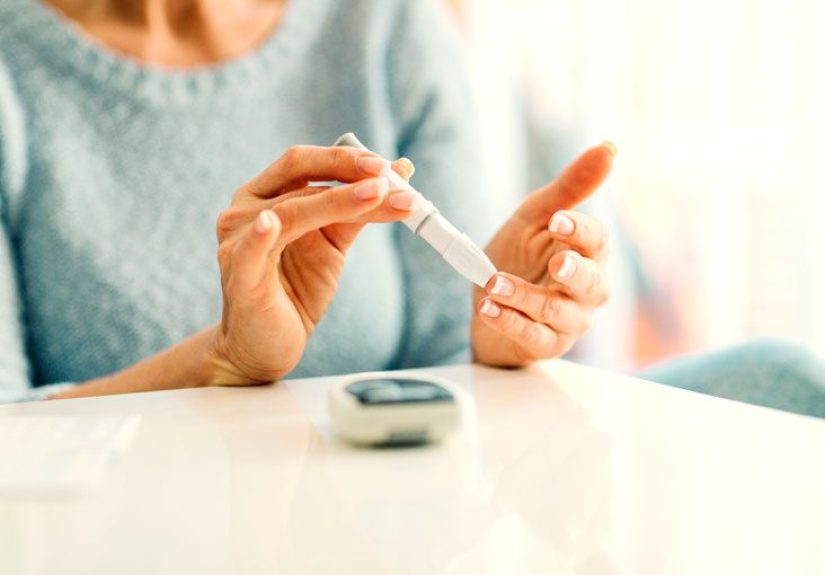
- Home glucose checks or CGM: helps spot patterns and post-meal spikes
If A1C is unreliable (for example, certain anemias or blood disorders can distort it), clinicians may use
fasting glucose or continuous glucose monitoring estimates instead.
Keeping Remission: The Part Nobody Brags About on Social Media
The hardest sentence in diabetes is not “I need to change.” It’s “I need to keep doing it.”
Relapse can happen, especially with weight regain or if life gets chaotic (and life is extremely committed to being chaotic).
Even if you reach remission, most clinicians still recommend ongoing monitoring for glucose changes and
diabetes-related complicationsbecause risk doesn’t always drop to zero overnight. Think of remission as
“the fire is out,” not “this house can never burn.”
A Practical Roadmap (That Doesn’t Require Becoming a Different Person)
Step 1: Get your baseline and a real plan with your clinician
Before making big changes, know where you’re starting:
A1C, fasting glucose, blood pressure, cholesterol, kidney markers, weight trends, medications.
If your meds can cause low blood sugar, dose adjustments may be needed as your eating and activity change.
Step 2: Choose one nutrition strategy you can repeat
Pick a pattern that feels sane. Examples:
- Replace sugary drinks with water/unsweetened tea (often a huge first win).
- Build meals around protein + vegetables, then add high-fiber carbs as needed.
- Use a consistent breakfast to reduce decision fatigue (less “what do I eat?” drama).
- Plan two “default” lunches and two “default” dinners you can rotate.
Step 3: Move after meals (tiny habit, big return)
Aim for a short walk after at least one meal per day. If walking isn’t possible, try light household movement,
marching in place during a show, or gentle cyclinganything that gets muscles working.
Step 4: Add strength training (twice a week counts)
You can do bodyweight movements at home: sit-to-stands from a chair, wall push-ups, resistance bands,
light dumbbells. Muscle is metabolically helpful tissuebasically a glucose “sink” you get to build.
Step 5: Build “maintenance mode” early
Remission is much easier to keep when you’ve already built routines that don’t rely on motivation.
Think:
shopping list, meal prep shortcuts, go-to snacks, and a realistic exercise schedule you can do on imperfect weeks.
Bottom Line
Type 2 diabetes can be “reversible” for some people if we define reversible as
reaching remissionnormal-ish blood sugar for a sustained period without diabetes meds.
The strongest evidence points to significant and maintained weight loss as the main driver, supported by
nutrition, physical activity, sleep, and sometimes medications or surgery.
If remission happens, celebrate it. Then keep monitoring, keep the habits that got you there, and remember:
the goal isn’t to win an argument with the word “reversal.” The goal is a healthier body, fewer complications,
and a life you can actually enjoyyes, even on holidays.
Real-Life Experiences: What “Reversible” Looks Like in Everyday Life (About )
Medical definitions are neat and tidy; real life is neither. When people talk about “reversing” type 2 diabetes,
their stories often sound less like a superhero transformation and more like a series of small, stubborn choices
that stack up over time.
Experience #1: The “I fixed breakfast and everything got easier” story
One common pattern: someone gets diagnosed, panics for about three days (totally normal), then realizes their
biggest blood sugar chaos happens in the morning. They swap a breakfast built on refined carbslike a pastry
or sweet cerealfor something with protein and fiber: eggs with veggies, Greek yogurt with nuts, or oatmeal
with chia seeds and berries. It’s not glamorous. No one writes a movie about “The Day I Ate Cottage Cheese.”
But a steadier morning often leads to fewer cravings, less snacking, and better post-lunch numbers. Over weeks,
the person starts walking after dinner because it feels doablethen sees their glucose spikes get smaller.
The surprising part is that the win isn’t just the lab results; it’s the feeling of getting control back.
Experience #2: The “weight loss was the key, but support was the lock” story
Another frequent theme: people who succeed long-term rarely do it by willpower alone. They use structure.
That might mean a diabetes education program, a coach, group support, or simply a family agreement that the
kitchen won’t be stocked like a convenience store. Many describe a turning point when they stop aiming for
perfect eating and start aiming for repeatable eatingtwo or three go-to lunches, a few easy dinners,
and a plan for restaurant meals (like splitting portions or choosing protein-forward options).
When weight loss happens, it’s often gradual and then suddenly obvious: clothes fit differently, energy improves,
and their clinician starts reducing medications. People also talk about the mental challenge: when numbers improve,
it’s tempting to “go back to normal.” The people who keep remission the longest usually redefine “normal” as
“the new routines that don’t make my blood sugar explode.”
Experience #3: The “meds (or surgery) helped me do what I couldn’t do alone” story
Some people describe years of trying to lose weight with limited success, then finally making progress after a
medication change that reduced appetite or improved satiety. Others share that metabolic surgery gave them the
biggest reset: hunger cues changed, portion sizes became naturally smaller, and glucose improved quickly.
But these stories almost always include a second chapter: the follow-through. People who do best talk about
learning how to eat for long-term health, keeping protein high, prioritizing strength training to preserve muscle,
and showing up for follow-up labs even when they “feel fine.” Many also mention the emotional shiftmoving from
shame (“I failed”) to problem-solving (“What’s the next small step?”).
Across these experiences, the most consistent lesson is this: remission isn’t a single moment. It’s a season of
changes that become a lifestyle. For some, the label “reversal” feels empowering. For others, it feels like pressure.
Either way, the most practical goal is the samehealthier blood sugar, fewer medications when appropriate,
and routines that still work when life gets loud.