Table of Contents >> Show >> Hide
- Why a Storage Trunk Makes a Surprisingly Great Table
- Pick the Right Trunk (So Your Table Isn’t a Wobble Trap)
- Design It Like a Pro: Height, Proportions, and Placement
- How the Build Usually Works (Without the Headache)
- Prep and Paint: How to Get That Custom Green Finish
- Finishing Touches That Make It Look “Bought,” Not “Built”
- Common Mistakes (And How to Avoid Them)
- Cost, Sustainability, and Why This Project Is Worth It
- Experience Notes: What People Usually Learn the Hard Way (500+ Words)
- Conclusion
There are two kinds of furniture in this world: the kind you buy because it’s “on sale,” and the kind you build because you saw an old storage trunk and thought, “I can fix you.” If you’ve ever wanted a coffee table that feels equal parts mid-century cool and pirate-treasure practical, an upcycled storage trunk on hairpin legs is your moment.
This project is a sweet spot: big visual payoff, genuinely useful hidden storage, and just enough DIY satisfaction to make you casually bring it up in conversation like it’s no big deal. (“Oh, that? Just a custom green storage trunk hairpin leg table I upcycled.”) Let’s break down how to plan it, build it smart, and finish it so it looks intentionalnot like a trunk wearing stilts.
Why a Storage Trunk Makes a Surprisingly Great Table
Designers love pieces that do double duty, and trunks are basically the overachievers of the furniture world: they’re a table and a storage cabinet disguised as a conversation starter. In real homesespecially smaller living roomshidden storage is gold. A trunk can hide blankets, board games, seasonal décor, or that mysterious pile of “important cables” that will definitely be sorted someday.
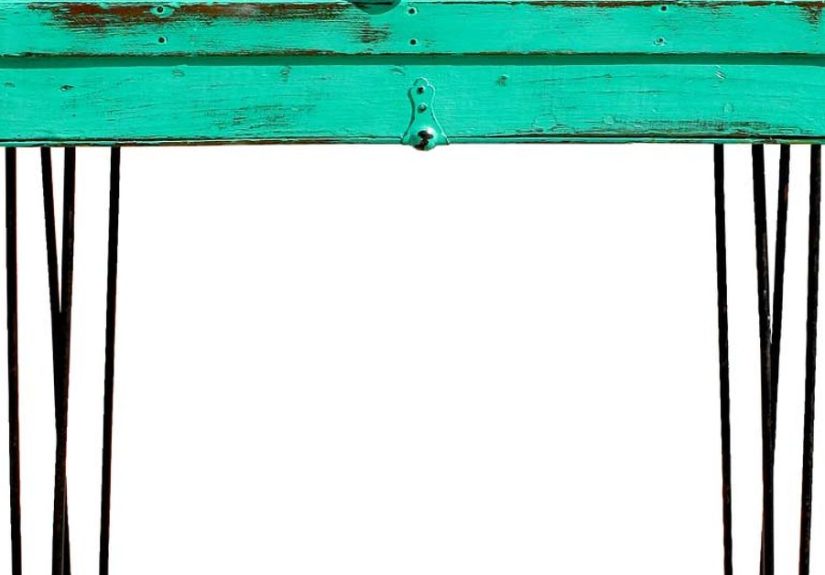
Add hairpin legs and you instantly modernize the silhouette. The trunk stops reading “attic relic” and starts reading “curated vintage.” The bonus? Hairpin legs visually lighten the piece, which can make a room feel less crowded than a chunky box sitting flat on the floor.
What This Table Does Better Than a Regular Coffee Table
- Hidden storage: The lid opens and you’ve got a built-in stash spot.
- Personality: Old hardware, leather straps, travel labelsinstant story.
- Custom height: Choose leg height to fit your sofa and your lifestyle.
- Upcycling win: One less big item heading to a landfill, one more piece you actually love.
Pick the Right Trunk (So Your Table Isn’t a Wobble Trap)
Start with the trunk. Not every trunk wants to be a tablesome trunks want to remain “decorative” and collapse dramatically the first time you set down a pizza. You want a trunk that’s sturdy enough to handle real-life use.
What to Look For
- Solid structure: Minimal flex when you press on the lid and corners.
- Working (or fixable) hinges: The lid should open smoothly and align when closed.
- Latch that closes: Even if it’s imperfect, you want it to shut securely.
- Flat-ish top: Slight curves are okay; dramatic domes make drinks nervous.
- Manageable weight: Heavy is fineuntil you need to move it to vacuum.
Quick Safety Reality Check: Old Paint and Funky Odors
If you’re working with a vintage trunk that has old paint or a mystery finish, treat it with respect. Older coatings can contain lead, and sanding or scraping can create hazardous dust. If you suspect lead, don’t dry-sand like you’re auditioning for a renovation showuse safer methods (or professional help) and keep kids and pets away from the work area.
And yes, thrifted trunks can arrive with that “historic basement” aroma. Before you paint, deodorize: fresh air, sunlight in moderation, odor absorbers like baking soda or charcoal, and gentle wipe-downs can help a lot. Think of it as giving your trunk a spa day before its glow-up.
Design It Like a Pro: Height, Proportions, and Placement
The easiest way to make this look custom is to get the proportions right. Coffee tables generally look best when they relate to the sofa: not too tall, not too tiny, and not so far away you need a telescope to reach your mug.
Height: The “1–2 Inches Lower Than the Sofa Seat” Rule
A common guideline is to aim for a table height about the same as your sofa seat height, or 1–2 inches lower. In many homes, that lands around the mid-to-high teens in inches for total height.
Length and Spacing
- Length: A coffee table often looks best at about two-thirds the length of the sofa.
- Distance from seating: Leave enough space to walk through comfortably while still being able to reach the top.
Here’s the trick for trunk tables: measure the trunk height plus the leg height. If your trunk is already tall, you may want shorter hairpin legs. If it’s squat, go taller. The goal is “effortless reach,” not “knee obstacle.”
How the Build Usually Works (Without the Headache)
Most storage trunksespecially metal or thin-sided stylesaren’t built to take screws directly into their shell. The clean approach is to create a strong mounting surface for the hairpin legs. That usually means a wood base plate or internal reinforcement that spreads the load and gives screws something solid to bite into.
Common Build Approaches
- Hidden base plate: Attach a cut-to-size wood panel to the underside (or inside bottom) so the leg plates mount securely.
- Perimeter frame: Build a simple wood frame that matches the trunk footprint, then attach the trunk to the frame, and the legs to the frame.
- Hybrid method: A base plate plus corner blocking where the legs sitgreat for heavier trunks.
Attaching Hairpin Legs: What Makes It Solid
Hairpin legs look airy, but they do real work. A sturdy table comes down to three things:
- Correct screw length: Long enough to grip, short enough not to pop through the top.
- Pilot holes: They reduce splitting and help screws seat cleanly.
- Using all mounting holes: If the plate has four holes, use four holes. This is not the time for minimalism.
If you want extra durabilityespecially if you move furniture oftenhardware like threaded inserts or T-nuts can make the leg connections more serviceable over time. It’s the difference between “forever table” and “table that slowly loosens itself during every season finale.”
Prep and Paint: How to Get That Custom Green Finish
The paint job is what turns “random trunk” into “custom statement piece.” Green is especially good at looking both fresh and classicthink deep hunter green, rich emerald, or a muted sage that plays nicely with neutrals. But the color is only half the story. The other half is prep.
Step 1: Clean Like You Mean It
Dirt, oils, old waxthese are paint’s worst enemies. Clean the trunk thoroughly, and let it dry completely. For thrifted finds, gentle cleaning methods and spot-testing are your friends. Don’t soak wood, don’t drown vintage fabric liners, and don’t assume “it looks clean” means “it will paint well.”
Step 2: Scuff Sand (Not “Sand Into Another Dimension”)
For most finishes, you’re not trying to remove everythingyou’re trying to create tooth so primer and paint can grip. A light scuff sanding can be enough. If you suspect lead-based paint, avoid dry sanding and follow lead-safe practices.
Step 3: Prime Smart
Metal trunks and mixed-material trunks often benefit from a primer that improves adhesion and helps block stains or rust. If you’re covering dark metal with a lighter or brighter green, primer is even more helpful. The goal is a stable base so your beautiful green doesn’t chip the first time someone nudges the table with a sneaker.
Step 4: Paint in Thin, Patient Coats
Whether you brush, roll, or spray, thin coats beat thick coats. Thick coats sag, drip, and create texture you didn’t ask for. Thin coats dry better, look smoother, and build durability.
Step 5: Protect the Finish (Especially if This Will Be a “Real Life” Table)
If this table will host drinks, remotes, snacks, and the occasional “oops I set down a wet glass,” consider a compatible clear protective topcoat. Choose a finish sheen that fits your lookmatte for modern, satin for balanced, gloss for drama. (Yes, gloss is dramatic. It’s also very honest about fingerprints.)
Paint Fumes and Ventilation: Don’t DIY Your Lungs
Paint and clear coats can release VOCs and other fumes. Ventilation matters. Open windows, use fans safely, and take breaks. If you’re painting indoors, plan for fresh-air time and keep sensitive folksespecially kids or anyone with breathing issuesaway from freshly painted spaces.
Finishing Touches That Make It Look “Bought,” Not “Built”
Details are where DIY projects graduate from “pretty good” to “wait, where did you buy that?”
Floor Protection
Hairpin legs can be tough on floors. Add felt pads or appropriate glides, and check them occasionallydust and grit trapped under pads can turn into tiny sandpaper.
Make the Lid Safer and Smoother
Trunk lids can be heavy. If yours tends to slam, consider soft-close supports or lid stays. It’s one of those upgrades you’ll appreciate every time you open it with one hand while holding a blanket with the other.
Style It Without Blocking the Storage
A trunk table is meant to open, so style it with items you can move easily:
- A tray to corral remotes and coasters
- A small stack of books (lightweight is your friend)
- A low vase or sculptural object that won’t topple when the lid moves
If the trunk is used frequently, keep the top simple. The most beautiful styling is the kind you don’t resent every time you need what’s inside.
Common Mistakes (And How to Avoid Them)
1) The Table Is Wobbly
Wobble usually comes from uneven leg placement, a not-flat base plate, or loose hardware. Confirm the base is rigid, use all mounting points, and recheck tightness after a few days of use.
2) The Paint Chips When You Look at It Wrong
Chips often mean poor prep or incompatible layers. Clean well, scuff sand appropriately, use a suitable primer, and allow proper curing time before heavy use. Paint can feel dry long before it’s truly tough.
3) The Lid Rubs or Doesn’t Close Cleanly
Adding a base or frame can shift alignment. Test the lid movement as you go. Small adjustments early beat big frustration later.
4) The Table Feels Too Tall (or Too Low)
Measure twiceespecially if you’re choosing leg height online. If you’re unsure, mock up the height with stacked books or scrap wood before committing.
Cost, Sustainability, and Why This Project Is Worth It
From a budget standpoint, upcycling can be a win: a secondhand trunk plus hairpin legs and paint often costs less than a new coffee table with comparable character. From a sustainability standpoint, you’re extending the life of an existing objectone with craftsmanship and materials that are often better than today’s fast-furniture equivalents.
But the biggest payoff is personal: you end up with a piece that fits your space, your style, and your storage needs. A custom green trunk table isn’t just décorit’s function with a grin.
Experience Notes: What People Usually Learn the Hard Way (500+ Words)
The funny thing about an upcycled trunk table is that it looks simplebox plus legs equals table, right?but the “experience” of making one tends to teach a few lessons that aren’t obvious until you’re standing there with a drill in one hand and the trunk in the other, wondering why gravity feels personal today.
First, there’s the unexpected personality of vintage hardware. Old trunks often have latches that were designed in an era when everything was built like it might survive a shipwreck. That’s charminguntil you realize the latch doesn’t align perfectly anymore. Many makers discover that the fix isn’t brute force. It’s patience: tighten a screw here, nudge a hinge there, test the lid, repeat. It’s like adjusting sunglasses that are slightly bentexcept heavier, noisier, and more likely to pinch your finger if you get overconfident.
Next comes the moment you learn that paint is not a magical personality overlay. Paint is a finish system. People who rush prep often get the same result: the first coat looks amazing, the second coat looks even better, and then someone sets down a mug and the paint scratches like it’s made of chalk dust and broken dreams. The “experience” tends to convert everyone into a prep evangelist. Cleaning thoroughly, scuff sanding appropriately, and priming when needed doesn’t feel glamorous, but it’s what makes the table survive actual livingsnacks, feet, pets, vacuum bumps, and the occasional dramatic board game night.
Another common discovery: the trunk’s bottom is rarely as leg-friendly as you hope. Many trunks have thin panels, ridges, or feet that make it hard to mount hairpin legs directly. People often end up adding a base plate or building a framenot because they wanted more work, but because they wanted a table that doesn’t wobble every time someone reaches for popcorn. Once you add that reinforcement, everything gets easier: the screws bite properly, the legs sit flat, and the table stops feeling like it might scoot away when startled.
Then there’s the very real “experience” of choosing the green. Green is a big family: moody hunter green feels classic and library-cozy; emerald feels bold and jewel-like; sage feels calm and modern. People often think they picked the right greenuntil they see it under their own lighting. The lesson? Test your color in the room. Natural daylight, warm lamps, overhead lightseach one tells a different story. A green that looks rich and expensive in the store can look surprisingly neon under cool bulbs at home.
Makers also learn quickly that function should drive styling. A trunk table is meant to open. If you decorate the top like a magazine spreadwith tall vases, heavy stacks of books, and a candle collection that could qualify as a small museumthen you’ll hate opening it. The practical experience is to style with moveable pieces: a tray that lifts off in one motion, a small plant, a coaster set, maybe a short stack of books you can relocate easily. When storage access is effortless, you actually use the storageand that’s the whole point.
Finally, there’s the “experience” nobody brags about but everyone feels: curing time. Paint can be dry to the touch and still be soft underneath. People who use the table too soon often get dents, scuffs, or sticky spotsthen they have to sand and touch up. The best real-world move is to plan for downtime: finish the project when you can give it a few days to harden before it becomes the center of daily life. When you do, the table feels less like a craft project and more like a piece of furniture you’d happily keep for years.
In other words: the “experience” of building a custom green trunk hairpin leg table is mostly learning where to slow down. And the payoff is hugebecause once it’s done, you get the kind of piece that looks one-of-a-kind, hides clutter like a champion, and quietly makes your living room feel more “you.”
Conclusion
An upcycled custom green storage trunk hairpin leg table hits that rare sweet spot: it’s stylish, practical, space-saving, and genuinely fun to live with. Choose a sturdy trunk, plan the height like you mean it, reinforce the base so the legs are rock-solid, and treat your green finish like the star of the show. Do it right, and you’ll end up with a statement piece that stores your stuff, upgrades your room, and earns you bragging rightswithout turning your home into a DIY crime scene.