Table of Contents >> Show >> Hide
- What Is a Vola Thermostatic Shower Set?
- The Design Story: Why Vola Is a Big Deal
- What Typically Comes in a Vola Thermostatic Shower Set?
- How Thermostatic Technology Works (Without the Engineering Textbook)
- Choosing the Right Vola Configuration
- Finishes, Materials, and the “Design Tax” (Worth It?)
- Performance and Water Use: What to Expect
- Installation Planning: The Part That Makes or Breaks the Dream Shower
- Maintenance: Keeping It Beautiful Without Making It Your New Hobby
- Cost and Value: Why This Set Lives in the Luxury Lane
- Who Should Buy a Vola Thermostatic Shower Set?
- FAQ
- Real-World Experiences With a Vola Thermostatic Shower Set
If you’ve ever played “Shower Roulette” (that thrilling game where the water goes from glacier to lava
the moment someone flushes), you already understand the appeal of a thermostatic shower. Now picture
that same steady, comfortable temperaturewrapped in minimalist Danish design that looks like it was
sketched with a single confident line. That’s the vibe of a Vola thermostatic shower set:
a luxury shower system built for people who want their bathroom to feel calm, intentional, andmost
importantlypredictable.
In this guide, we’ll break down what a Vola thermostatic shower set is, what typically comes in one,
how thermostatic technology works, what to consider before buying, and how to plan installation so your
renovation doesn’t turn into a “why is the tile off by 3/8 inch?” origin story.
What Is a Vola Thermostatic Shower Set?
A “shower set” usually means a coordinated group of components that work together as a systemmost
commonly a thermostatic mixing valve (temperature control), a volume control (flow on/off and sometimes
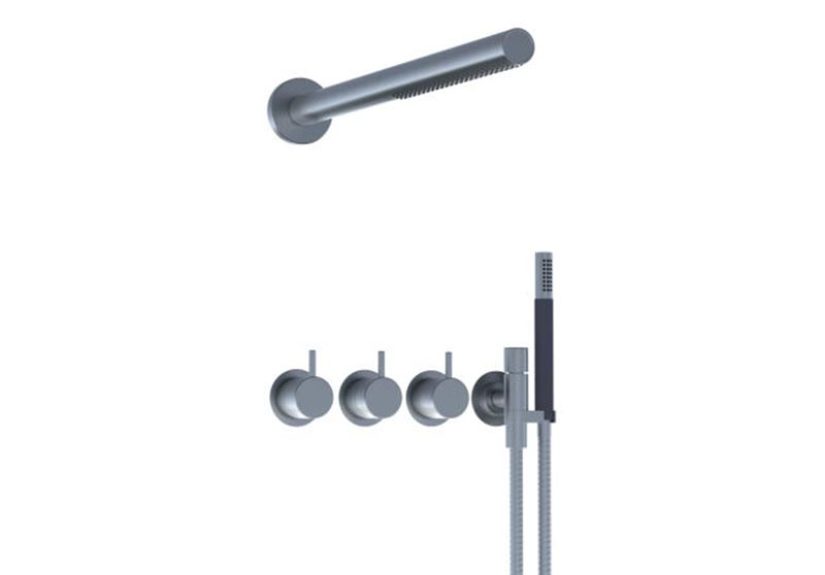
outlet selection), and one or more shower outlets (like a rain head, wall shower, and/or hand shower).
Vola’s sets are often designed to look visually quiet on the wall: clean round escutcheons, simple levers,
and the kind of geometry that makes your shower feel like a modern art exhibit… that also rinses shampoo.
Why thermostatic matters
Thermostatic shower valves are designed to maintain your selected temperature even when hot or
cold supply conditions changelike when a dishwasher kicks on or a family member decides it’s time to
fill the washing machine. Many thermostatic setups also separate temperature control from volume control,
so you can set your preferred warmth and then control the flow independently (handy for “wake up slowly”
mornings).
The Design Story: Why Vola Is a Big Deal
Vola is considered a modern design icon, with roots in late-1960s Danish modernism. The brand’s original
fixtures became famous for reducing the visual “noise” of plumbingletting architecture, tile, and space do
the talking while the hardware stays elegantly understated. In the U.S. market, Vola is positioned firmly in the
luxury category, often specified by architects and designers who want a timeless, gallery-like bathroom rather
than a trend-of-the-year look.
The key takeaway: you’re not just buying a shower valveyou’re buying a design decision. Vola’s language is
consistent across sinks, tubs, and showers, so the whole bathroom can feel cohesive instead of looking like
different fixtures met online and decided to become roommates.
What Typically Comes in a Vola Thermostatic Shower Set?
Vola configurations vary (and that’s part of the appeal), but a classic thermostatic shower set often includes:
- Thermostatic mixing valve (the “brain” that regulates temperature)
- Volume control (turns water on/off; may control flow rate)
- Diverter (if you have multiple outlets, like rain head + hand shower)
- Showerhead (wall-mounted or ceiling-mounted; sometimes a rain-style head)
- Hand shower set (hand spray, hose, and holder/rail, depending on configuration)
- Trim components (handles/levers, escutcheons, plateswhat you actually see)
Example: a straightforward “one outlet” setup
Some Vola sets are built around a thermostatic mixer plus a single showerhead outletclean, minimal, and
perfect for smaller showers or guest baths where you want luxury without turning the wall into a cockpit.
Example: “two outlets” for real-life comfort
A popular luxury layout is a rain head + hand shower. The rain head is for your “spa moment.” The hand shower is
for everything else: rinsing conditioner, cleaning the shower, bathing kids, washing the dog, and generally proving
that you are, in fact, an adult who has responsibilities.
How Thermostatic Technology Works (Without the Engineering Textbook)
A thermostatic cartridge senses the mixed water temperature and adjusts the hot/cold ratio to keep the outlet
temperature stable. This is different from pressure-balancing valves that focus primarily on keeping the hot/cold
pressure ratio stable. In plain English: thermostatic is about holding a temperature target; pressure balance is
about preventing sudden swings caused by pressure changes.
Safety: anti-scald and thermal shock protection
In the U.S., many shower valve requirements and best practices reference standards designed to reduce scalding
and thermal shock risk. This matters most in households with kids, older adults, or anyone who doesn’t enjoy surprise
lava water. Thermostatic systems are often chosen because they’re designed to keep the water temperature where you set it,
rather than wandering off mid-shower.
Still, a thermostatic shower isn’t a free pass to crank a water heater to “dragon” and hope for the best. Many safety
resources recommend lowering water heater temps (often around 120°F) to reduce scald risk, and many codes and standards
emphasize point-of-use control valves designed for bathing fixtures.
Choosing the Right Vola Configuration
1) Decide how many outlets you want
Start with how you actually shower. Not how you aspire to shower after watching a luxury hotel bathroom tour.
- 1 outlet: simplest, cleanest wall look, typically lower cost and easier installation.
- 2 outlets: best “everyday luxury” sweet spot (rain head + hand shower).
- 3+ outlets: adds body sprays, secondary heads, or specialty spa functionsrequires more planning and wall depth.
2) Think about your control layout
Vola is known for a refined, minimal trim look. But the internal plan still matters: you’ll typically have separate
controls for temperature and volume, and possibly a dedicated diverter control. The best layouts feel intuitive:
temperature stays consistent, volume feels smooth, and switching outlets doesn’t require a user manual.
3) Match the showerhead style to your space
Ceiling-mounted rain heads can feel luxurious, but they also highlight ceiling height and shower footprint. In smaller
showers, a wall-mounted head can be more practical and still look sleek. If you want the “rain” feeling without the
“why is my ceiling plumbing so complicated?” feeling, many people choose a wall-mounted head in a rain-style pattern.
Finishes, Materials, and the “Design Tax” (Worth It?)
Vola is known for a wide finish paletteclassic polished chrome, brushed metallics, and bold colors that can turn a
minimalist bathroom into something quietly dramatic. This is where the brand’s luxury positioning becomes obvious:
you’re paying not only for function but for a finish quality and design consistency that’s hard to replicate with mix-and-match parts.
Practical finish tips
- Polished chrome: timeless and easiest to coordinate across brands; shows water spots but cleans quickly.
- Brushed finishes: better at hiding fingerprints and spotting; can look warmer and more architectural.
- Dark finishes: striking, but plan your cleaning routine (soap + hard water can show up fast).
If you’re aiming for a “forever bathroom,” consider going classic. If you’re creating a signature look (say, a color-matched
shower in a powder room that feels like a boutique hotel), Vola’s finish range can be the fun part of the project.
Performance and Water Use: What to Expect
Performance isn’t just “strong water.” It’s consistent temperature, stable flow, and components that feel smooth and precise.
Also: in the U.S., many showerheads are designed to meet flow-rate regulations, so “pressure” is often more about good plumbing
design (pipe sizing, pressure, proper installation) than about buying a showerhead that promises to power-wash your regrets.
Sound and comfort
Some Vola shower system documentation highlights noise reduction considerations inside the wall (sound mitigation details are often
part of the brand’s premium system positioning). In a primary suite, that can matter: nobody wants their 6 a.m. shower to sound
like a science experiment echoing through the studs.
Installation Planning: The Part That Makes or Breaks the Dream Shower
Luxury fixtures don’t forgive sloppy planning. A Vola thermostatic shower set is typically best installed by an experienced
plumber who’s comfortable with premium rough-in and trim systemsand who can coordinate with tile installers so everything aligns.
Key questions to answer before tile goes up
- Concealed vs. exposed: Many Vola systems emphasize a clean wall appearance, which often means concealed installation.
- Wall depth: Make sure your wall cavity can accommodate the valve body and any diverter components.
- Outlet placement: Rain head centered to the shower footprint, hand shower at a usable height, controls where you can reach them.
- Service access: Plan for future maintenance where possible (and keep all documentation).
Code and safety notes (U.S.)
U.S. plumbing codes and standards commonly emphasize control valves for showers/tub-shower combinations that provide scald and
thermal shock protection and are installed at the point of use. If you’re remodeling, this is not the moment to guessverify
requirements with your local building department and your licensed plumber, and choose components that align with applicable standards.
Maintenance: Keeping It Beautiful Without Making It Your New Hobby
The good news: minimalist design is easier to wipe down. The “please don’t” news: harsh cleaners can damage premium finishes.
For daily care, a soft cloth and mild soap typically go a long way.
Common maintenance realities
- Hard water: mineral buildup can affect spray patterns and valve performance over time; regular gentle descaling helps.
- Cartridges: thermostatic cartridges can eventually need serviceespecially in areas with aggressive water chemistry.
- Spare parts: premium brands often have well-supported parts channels; keep model details from your invoice for easier ordering.
Cost and Value: Why This Set Lives in the Luxury Lane
Vola thermostatic shower sets are typically priced as high-end architectural fixtures. Depending on configuration, finish, and
the number of outlets, you can see totals that range from “premium” to “are we sure this isn’t also paying for my next vacation?”
(Spoiler: it is not. But it will make your daily shower feel like a tiny staycation.)
What you’re paying for:
- Design longevity: the look doesn’t date quickly, which matters for long-term homes.
- System consistency: matching trim language across bathroom fixtures creates a cohesive result.
- Thermostatic comfort: steady temperature and a more “set it and forget it” routine.
- Finish range: more personalization than most mainstream brands offer.
Who Should Buy a Vola Thermostatic Shower Set?
This system makes sense if:
- You want a minimalist, architecturally integrated bathroom aesthetic.
- You value temperature stability and comfort (especially in busy households).
- You’re doing a renovation where proper rough-in and coordination are already part of the plan.
- You’re investing in a long-term home and want fixtures that will still look intentional in 10–20 years.
You might choose something else if:
- You need a quick swap without opening walls (many thermostatic upgrades are easier during remodels).
- Your project is highly budget-constrained (Vola is not shy about its luxury positioning).
- You prefer a “feature-heavy” look over minimalist trim.
FAQ
Is thermostatic better than pressure-balancing?
“Better” depends on your goal. Pressure-balancing valves are common and effective for preventing sudden temperature swings due to pressure changes.
Thermostatic valves are valued for maintaining a chosen temperature more precisely and often allowing separate volume control. Many people pick thermostatic
for comfort and consistency, especially in primary bathrooms.
Do I need a diverter?
If you have more than one outlet (like a rain head plus a hand shower), yesyou’ll need a way to direct water. Some systems integrate diverter functionality,
while others use a separate diverter control. Plan this early so the wall layout stays clean and intuitive.
Will it work with low water pressure?
A thermostatic system can work in many homes, but shower satisfaction depends on the whole plumbing setup: supply pressure, pipe sizing, and the showerhead flow rate.
If you’re concerned, ask your plumber to evaluate pressure and recommend the best configuration for your house.
Real-World Experiences With a Vola Thermostatic Shower Set
Here’s what “living with it” often feels like in real remodels and real mornings (shared as common homeowner and designer experiencesnot a promise that every
project goes perfectly, because bathrooms love to humble us all).
First, there’s the planning phase, where you realize a Vola shower isn’t something you casually toss into a cart between paper towels and dog treats.
People often start with a mood board: tile samples, paint chips, maybe a dramatic photo of a spa shower that makes you believe your life will be 38% calmer once it’s installed.
Then comes the “control layout” conversationthe moment you discover your shower wall is basically a tiny piece of real estate with zoning laws. Designers frequently
recommend mapping where your hand goes before you’re wet and cold: controls near the entry so you can turn the shower on without walking into the spray, and
the hand shower where you can actually reach it without auditioning for a circus act.
Next is the finish decision, which is where many people get stuck (in a good way). Chrome is the “can’t lose” classic, but brushed finishes are tempting
because they hide water spotting better. Some homeowners who pick bold colors describe the final look as “quietly iconic”like the bathroom is whispering,
“Yes, I read design magazines,” without shouting about it. The practical folks often order a small finish sample or compare against cabinet hardware and lighting,
because nothing ruins the mood like realizing your “warm brass” is actually “slightly different warm brass” under bathroom lighting at night.
Then comes installation week, which is where emotions are tested. The smoothest projects usually have a plumber and tile setter who coordinate early:
rough-in depth verified, valve placement measured twice, and escutcheon alignment planned so the trim sits cleanly on finished tile. Homeowners often say the biggest
“aha” moment is realizing that premium fixtures make imperfect tile lines more noticeableso they invest extra care in layout and waterproofing. It’s not glamorous,
but it’s the difference between “luxury spa” and “why does the handle look slightly… sad?”
Finally, there’s the first week of use. People who switch from a basic shower valve to thermostatic control often describe the experience as a small
daily upgrade that feels bigger than expected. The main joy is consistency: you set your preferred temperature and it stays there, even when the house is busy.
Volume control becomes a favorite feature, especially for households that like a gentle start (or for those mornings when you need the shower to be supportive,
not aggressive). The hand showerif includedusually becomes the unsung hero: rinsing off quickly, cleaning corners, washing the dog, and making the shower easier
to maintain.
Long-term, owners often report that the “luxury value” isn’t just the lookit’s the routine. A Vola shower set tends to disappear into the background in the best way:
it doesn’t demand attention, it just works, and it keeps the wall visually calm. And in a world full of notifications, meetings, and mystery stains on clean laundry,
a shower that simply behaves is honestly a little magical.