Table of Contents >> Show >> Hide
- Melin Tregwynt: a working mill near Pembrokeshire’s shoreline
- What makes Welsh tapestry blankets different?
- Unexpected palettes: tradition that doesn’t whisper
- How to choose the right blanket
- Styling ideas that don’t involve anchors or inspirational signs
- Care and longevity: keep the wool happy
- Welsh coast context: why these colors make sense
- Two real-world styling examples
- Extra 500-word experience: a coastal day with a Welsh blanket in your bag
- Conclusion
The Welsh coast is beautiful in the same way a deep freezer is “refreshing”: it’s stunning, bracing, and it will absolutely teach you the value of layers. That’s where the story of Welsh wool blankets beginsand why Melin Tregwynt has become a go-to name for people who want heirloom warmth without the “dusty museum” look.
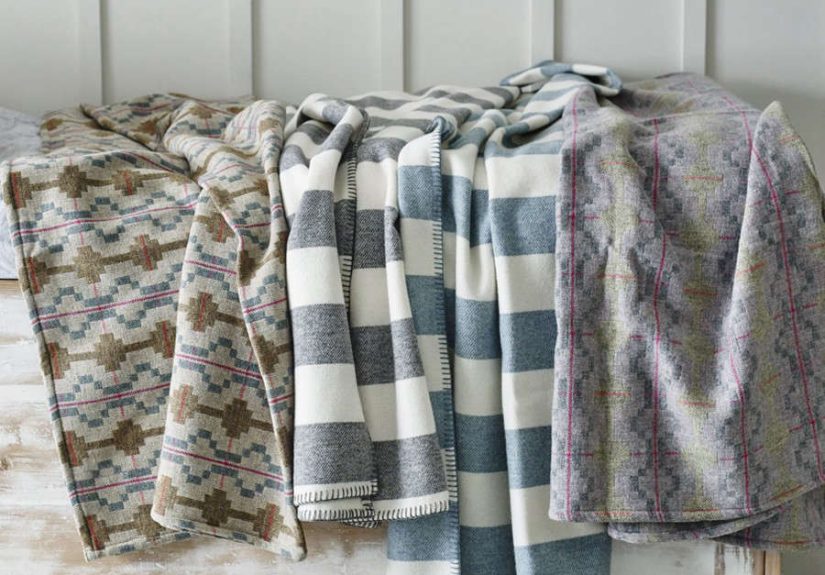
Welsh tapestry blankets are rooted in tradition: bold geometry, dense weave, made to last. What surprises newcomers is the color. Melin Tregwynt pairs heritage patterns with palettes that feel modernsea-glass aqua, stormy charcoal, spicy rust, soft blushso the blanket reads less “historic reenactment” and more “my living room has a personality.”
Melin Tregwynt: a working mill near Pembrokeshire’s shoreline
Melin Tregwynt sits in a wooded valley close to the Pembrokeshire coast in West Waleswhitewashed buildings, running water, and the unmistakable sense that this place has been making useful things for a very long time. The mill says there has been a mill on this site since the 17th century, when local farmers brought fleeces to be spun and woven into sturdy blankets for daily life. The business was bought in 1912 by Henry Griffiths, and it remains a working mill rather than a set pieceproducing blankets, throws, cushions, upholstery, and other textiles built from its signature weaves. In recent years, the company has also emphasized protecting skills and jobs by moving into an employee-ownership structure.
That continuity matters. When you buy a Melin Tregwynt blanket, you’re not just buying “Welsh-inspired” décor. You’re buying something made where the craft lives, by people whose job is the craft.
What makes Welsh tapestry blankets different?
Welsh tapestry weaving is known for doublecloth: two layers woven together into a single, substantial fabric. The payoff is warmth, structure, and pattern that looks crisp from across the room and richly textured up close. It’s also why many designs are reversible. Flip the blanket and you get a slightly different looklike a low-effort makeover for your sofa.
Melin Tregwynt keeps that heritage structure but uses updated looms while continuing traditional Welsh textiles like tapestry doublecloth and classic blanket weaves. The point isn’t to make “old-fashioned” cloth. It’s to make cloth that still works for modern homes: durable, breathable, and easy to live with.
Unexpected palettes: tradition that doesn’t whisper
“Unexpected” doesn’t mean neon. It means color choices that feel fresh next to familiar patterns. Think of designs such as St Davids Cross, Vintage Rose, Mondo, and Clubstripe: geometric, graphic, and easy to live with, but offered in colorways that can swing from coastal calm to fireside glow. The brand even encourages choosing soft or vivid colors and understated or bold patterns, and it highlights the practical bonus that classic tapestry designs are often reversibleso you can change the feel of a room by simply flipping the blanket.
A fast “coastal color” cheat sheet
- Sea-glass calm: aqua + slate + cream (brightens neutral rooms without shouting)
- Storm-and-sand: charcoal + natural + soft blue (tailored, modern, and forgiving)
- Cliff-sunset warmth: rust + copper + deep berry (instant coziness; great for winter)
- Soft surprise: blush + gray + oat (heritage pattern, contemporary vibe)
How to choose the right blanket
1) Pick the weight for how you actually live
Melin Tregwynt offers lighter lambswool options as well as heavier pure wool blankets. If you want something you’ll move from couch to office chair to car trunk, lighter can be easier. If you want a blanket that feels like portable insulation (and behaves like a polite weighted hug), go heavier.
2) Size it to the job
A throw is perfect for sofas, reading chairs, and “I’m cold but still scrolling” moments. A larger blanket makes more sense for beds and full-body movie nights. If you’re between sizes, go upblanket regret is real and always arrives at 10 p.m.
3) Treat pattern like furniture
Big geometry anchors a room. Smaller repeats layer well. If your space already has a patterned rug and three pillow personalities, choose a calmer design. If your room is minimal, let the blanket carry the visual weight.
4) Look for the “tells” of quality
High-quality wool blankets have definition in the weave, clean pattern edges, and color that looks intentional in both daylight and lamplight. With tapestry blankets, reversibility is a bonus signal: two good-looking sides usually means the design is built into the cloth, not just printed on top. Check fiber content (lambswool vs. wool), and don’t be shy about choosing based on feelthese are tactile pieces, and touch is part of the purchase.
Styling ideas that don’t involve anchors or inspirational signs
Welsh blankets play well with wood, stone, linen, and leathermaterials that already feel coastal and grounded. A few easy moves:
- Sofa “slipcover” trick: drape a blanket over the seat cushions to protect upholstery and add pattern.
- Bed finish: fold it across the lower third of the bed for structure and warmth.
- One-chair upgrade: a bold throw + one solid pillow can make a reading corner look designed.
- Textile art: if the pattern is strong, hang it as a wall textile for warmth and acoustics.
These blankets show up in design editorials for a reason: they’re graphic enough to pop, but traditional enough to feel timeless. They don’t fight the roomthey finish it.
Care and longevity: keep the wool happy
Wool is tough, but heat and rough handling are its nemeses. Always follow your blanket’s care label; in general, keep things cool and gentle. Airing the blanket out and spot-cleaning promptly can reduce how often you need a full wash. If you do wash at home, a cold, gentle cycle (or hand-wash) with a wool-safe detergent is the safer bet, and avoid hot water or a hot dryer, which can shrink or felt wool. Dry flat or in a way that supports the weight so the fabric doesn’t stretch.
The upside is that wool tends to age well when cared for: it’s breathable, comfortable across seasons, and built for long-term use. A great wool blanket isn’t a trend purchaseit’s a “keep it forever” tool that happens to look great.
Welsh coast context: why these colors make sense
Pembrokeshire is a landscape of contrastsdark rock, bright foam, green fields above cliffsand it’s famous for coastal walking. The Pembrokeshire Coast Path runs about 186 miles from St Dogmaels in the north to Amroth in the south, crossing headlands, beaches, and seaside towns. Even a short stroll gives you the same palette you see in the blankets: slate sky, salt-white surf, seaweed greens, and sunsets that lean copper and berry.
If you visit, you can pair a coast-path walk with a stop at the mill itself. Melin Tregwynt welcomes visitors, and the on-site shop and café turn “textile pilgrimage” into a very pleasant day out (especially if you consider cake a form of cultural research). You’ll come away understanding why this isn’t just “coastal décor”it’s a coastal product, from a place where weather makes warmth a serious matter.
Two real-world styling examples
Example A: the calm modern living room
Space: off-white walls, oak floor, gray sofa, minimal art.
Pick: a high-contrast tapestry (navy/cream or charcoal/natural).
Result: the blanket becomes the room’s focal point without adding clutterespecially when folded neatly to show off the pattern edges.
Example B: the “coastal but grown-up” guest room
Space: linen bedding, light wood, a few blue accents.
Pick: sea-glass tones (aqua/slate/cream) in a geometric motif.
Result: it feels coastal because it echoes water and skynot because it contains a single seashell.
Extra 500-word experience: a coastal day with a Welsh blanket in your bag
Imagine waking up in Pembrokeshire to a sky that can’t decide whether it’s going to be moody or magnificent. The forecast says “breezy,” which is local code for “you will learn new hairstyles today.” You grab a coffee, pull on a jacket, and head for a stretch of the coast pathmaybe near St Dogmaels, where the long trail begins and the shoreline looks like it was designed by someone with a flair for drama.
The first thing you notice is the sound: waves hitting rock with steady, percussive confidence. Then the colors start stacking up. The sea is slate one moment and glassy green the next. Foam flashes white against dark headlands. Above the cliffs, fields glow impossibly bright, like someone turned up the saturation to prove a point. It’s easy to see why “coastal palette” is more than a decorating term hereit’s the actual environment, shifting every few minutes as clouds pass.
Halfway through your walk, you find a sheltered spotmaybe a bench, maybe a patch of grass that isn’t actively trying to throw you into the ocean. You pull out a wool blanket from your bag and immediately feel like you’ve leveled up from “hiker” to “person who knows how to live.” Wool blocks the chill, holds warmth, and takes the edge off wind in a way cotton simply can’t. The blanket becomes a portable room: a small, warm boundary between you and the elements. And because tapestry patterns are bold, it looks great in photosso yes, your snack break can also be your “soft launch” as a coastal aesthete.
After the walk, you drive inland a little through narrow roads lined with hedges and stone, following signs that feel more like clues than directions. Then the whitewashed buildings of Melin Tregwynt appear in a wooded valley beside running water. It’s the satisfying moment when the product you’ve been using becomes a place you can stand inside. On weekdays, you can watch the mill workinghear the rhythm of looms and see fabric advance in measured stepscolor becoming structure, thread turning into something you’ll live with for years. It’s not a reenactment. It’s a real workplace, doing real craft at real speed.
In the shop, you do what everyone does: you touch everything, because textiles are basically permission to be tactile in public. You notice how the same design changes mood with different colorways. One looks like pebbles and tide lines. Another looks like sunset on wet rock. The reversible nature means you’re also choosing “side A” and “side B,” which is dangerously close to getting two blankets for the price of one (blanket math is very persuasive).
Finally, you land in the café with something warmtea, soup, and a slice of cake that’s more “slab” than “slice.” Outside, the weather keeps doing its performance art. Inside, everything feels soft-edged and human. When you carry your blanket back out to the car, it doesn’t feel like a souvenir. It feels like a piece of the coast you can unfold at home whenever you need warmth, color, and a reminder that comfort can also be beautifully made.
Conclusion
Melin Tregwynt proves that tradition doesn’t have to sit still. Their blankets keep the structure and craft of Welsh tapestry weavingdoublecloth warmth, reversible designswhile playing with palettes that feel unexpectedly current. Whether you’re styling a coastal cottage, upgrading a city apartment, or just trying to make winter less personal, a Welsh wool blanket from this Pembrokeshire mill is the kind of purchase that earns its keep for decades.