Table of Contents >> Show >> Hide
- Egg Noodles 101: What They’re Made Of
- Egg Noodles vs. Pasta: Are They the Same Thing?
- Types of Egg Noodles You’ll Actually See in U.S. Stores
- What Do Egg Noodles Taste Like?
- How to Cook Egg Noodles Without Turning Them Into a Sad Pile
- What Are Egg Noodles Used For?
- Nutrition Basics: What’s in Egg Noodles?
- Storage and Leftovers: Keeping Egg Noodles Safe (and Not Weird)
- How to Buy the Right Egg Noodles
- Homemade Egg Noodles: Worth It?
- Conclusion: The Easy, Cozy Answer
- Real-Life Experiences With Egg Noodles: The Stuff You Only Learn By Cooking Them
Egg noodles are exactly what they sound like: noodles made with eggs. But they’re also one of those foods that
quietly show up everywherechicken soup, beef stroganoff, casseroles, kugel, buttery side dishesthen disappear
before anyone remembers to thank them. Consider this their long-overdue standing ovation.
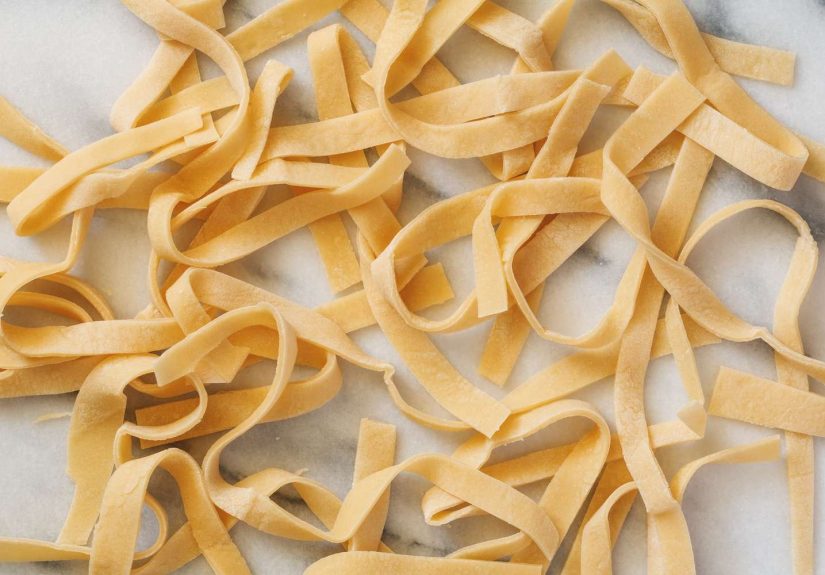
In the broadest sense, egg noodles are noodles made from a wheat-based dough enriched with eggs (sometimes whole
eggs, sometimes extra yolks), rolled out, and cut into strips or ribbons. They can be fresh, dried, or even sold
frozen in hearty, “homestyle” styles. They’re comfort food’s favorite supporting actorreliable, flexible, and
always ready for gravy.
Egg Noodles 101: What They’re Made Of
The short ingredient list (and why it matters)
At their simplest, egg noodles start with wheat flour and eggs. Many recipes add a little water and salt to bring
the dough together and improve texture. The eggs do two important jobs: they add richness (flavor!) and they
change the texturetender, slightly springy, and more “cozy blanket” than “crisp tuxedo.”
In U.S. grocery stores, you’ll often see egg noodles made with enriched flour and egg yolks (or whole eggs).
“Enriched” means certain nutrients are added back to refined flourso the noodles keep pantry-friendly
consistency while still providing some added nutrients.
Allergens and dietary notes
Egg noodles usually contain wheat and eggs, which means they’re not gluten-free
and not egg-free. If you’re cooking for someone with allergies, read the label like it’s a suspense novel.
(Plot twist: “Contains: Wheat, Eggs.”)
Egg Noodles vs. Pasta: Are They the Same Thing?
Here’s the friendly, no-snobbery version: egg noodles and pasta overlap, but they’re not identical twins.
“Noodles” is a big umbrella term (wheat, rice, mung bean, you name it). “Pasta” often refers to shapes made from
durum wheat/semolina, including many dried Italian pastas.
Egg noodles, by definition, contain eggwhile many dried supermarket pastas don’t. Texture is the other big
giveaway: egg noodles are often cooked until tender, while classic Italian pasta is frequently cooked
al dente (with a bit of chew). That’s why egg noodles feel so natural in creamy sauces, broths, and
baked casseroles: they’re built to go soft and soak up flavor.
The fun twist? Some products marketed as “egg noodles” are essentially egg-enriched pasta in a ribbon shape.
Food naming is sometimes more “what people recognize on the shelf” than “what a culinary dictionary would
approve in a court of law.”
Types of Egg Noodles You’ll Actually See in U.S. Stores
1) Dried egg noodles (the pantry classic)
These are the bagged noodles many Americans grew up withoften wide or extra-wide ribbons. They cook quickly,
store forever (okay, not forever, but long enough to feel like it), and shine in everything from quick weeknight
stroganoff to “I’m too tired to be a person, give me butter noodles.”
2) Frozen “homestyle” egg noodles (thick, hearty, and proud of it)
Frozen homestyle noodles are a different personality: thicker, more substantial, and often made with a short
ingredient list. They’re designed to hold their own in soups and casseroles without turning into mushy confetti.
Because they’re thicker, they usually cook longer than dried noodles.
3) Kluski, lokshen, and other culturally specific “egg noodle cousins”
Egg noodles show up in many traditions. You’ll see Jewish-style egg noodles (often called lokshen) used
in chicken soup or kugel. You’ll also run into Polish-style egg noodles like kluski, which tend to be
wider and extra egg-forward. In other words: same comforting mission, different accent.
4) Chinese-style egg noodles (yes, still the egg noodle family)
Chinese egg noodles are typically wheat noodles enriched with egg, used for soups and stir-fries. They can be
thin and springygreat for slurping, twirling, or pretending you’re in a food documentary narrated by someone
with a soothing voice.
What Do Egg Noodles Taste Like?
Egg noodles have a mild, wheaty flavor with a richer note from the eggsespecially if yolks are emphasized.
They’re not aggressively “eggy” (this isn’t breakfast), but they taste fuller and rounder than plain flour-and-water
noodles. Texture-wise, they tend to be more tender and flexible, which makes them excellent at grabbing creamy
sauces and soaking up broth.
How to Cook Egg Noodles Without Turning Them Into a Sad Pile
Step-by-step basics
- Boil generously salted water (unless the noodles are going into a salty broth).
- Add noodles and stir early to prevent clumping.
- Start checking before the max timethickness and brand matter.
- Drain well, then toss with a little butter or sauce if you’re not serving immediately.
Typical cooking times
Cooking time depends on whether the noodles are fresh, dried, or frozenand how thick they are. Fresh noodles can
cook in just a few minutes. Dried egg noodles often land in the “weeknight fast” range. Frozen homestyle noodles
can take much longer because they’re thicker and built to stay hearty.
Quick tip: if you’re making a casserole, slightly undercook (parboil) the noodles so they don’t overcook in the oven.
If you’re adding noodles to soup, add them near the end so they finish cooking in the broth and don’t steal all
the liquid while you’re not looking.
The #1 texture mistake
Overcooking is the main way egg noodles go from “comforting” to “why is this paste yelling at me.” The fix is
simple: taste a noodle earlier than you think you should. You’re the boss. The noodle is not.
What Are Egg Noodles Used For?
Egg noodles are culinary glue: they connect sauces, broths, and leftovers into something that feels like a real meal.
Here are some classic (and very realistic) ways Americans use them:
Comfort food classics
- Beef stroganoff: creamy, savory, and basically the reason wide egg noodles were invented.
- Chicken noodle soup: soothing, familiar, and suspiciously effective at improving your mood.
- Tuna noodle casserole: a pantry staple that refuses to retire (and honestly, respect).
- Buttered noodles: proof that “simple” can still be elite.
Baked dishes and holiday sides
- Noodle kugel: sweet or savory, depending on your family’s traditions (and debates).
- Creamy noodle bakes: the weeknight casserole genre egg noodles handle beautifully.
- Gravy-friendly sides: serve them under pot roast, meatballs, or mushroom sauce.
Stir-fries and saucy skillet meals
Egg noodles also work in stir-fries and skillet meals when you want a tender noodle that clings to sauce. Cook,
drain, then toss quickly with sauce and vegetables. If you like slightly crisp edges, pan-fry the cooked noodles
briefly before adding the rest of the ingredients.
Nutrition Basics: What’s in Egg Noodles?
Nutrition varies by brand and whether the noodles are dried or frozen, but egg noodles are generally
carbohydrate-forward with a modest amount of protein. Because eggs are involved, you’ll often see some cholesterol
on the label as well. Many products use enriched flour and may list iron or B vitamins added back in.
If you’re pairing egg noodles with a creamy sauce, consider balance: add vegetables (mushrooms, peas, spinach),
and a protein (chicken, turkey, beans) to round out the plate. Egg noodles are great at carrying those additions
without making the dish feel heavy in a “nap by 6:30 p.m.” wayunless you want that. No judgment.
Storage and Leftovers: Keeping Egg Noodles Safe (and Not Weird)
Cooked noodles
Cooked noodles are best cooled promptly and stored in an airtight container in the refrigerator. For food safety,
follow standard leftover guidance: refrigerate within a reasonable window, and use refrigerated leftovers within a
few days. If you made a big batch, freeze portions for laterespecially if the noodles are already mixed into a
soup or casserole.
Pro tip for reheating
Egg noodles can dry out in the fridge. When reheating, add a splash of broth, milk, or water depending on the dish,
then warm gently. For creamy dishes, low heat and stirring will help prevent sauce separation. For soups, reheat
until steaming hot.
How to Buy the Right Egg Noodles
- Choose width based on the job: wide/extra-wide for stroganoff and gravy; medium for soups; thin for lighter dishes.
- Check the ingredients: some brands use whole eggs, others use yolks, and some use egg whites only.
- Match noodle type to cook time: frozen homestyle noodles are hearty but take longer; dried noodles are faster.
- Don’t forget the sauce factor: egg noodles love creamy, buttery, brothy, and mushroomy things. They’re loyal like that.
Homemade Egg Noodles: Worth It?
If you’ve never made homemade egg noodles, here’s the honest pitch: it’s not hard, but it’s a little messyin a
fun, “I did a real cooking thing today” way. A basic dough can be made with flour, eggs, and a pinch of salt,
then rolled out and cut into ribbons. Fresh noodles cook quickly and have a soft, tender bite you don’t always get
from dried noodles.
Homemade is especially satisfying for soups and special dinners, while store-bought is perfect for everyday meals.
Translation: you don’t have to pick a team. You can be bilingual in noodles.
Conclusion: The Easy, Cozy Answer
Egg noodles are wheat-based noodles enriched with eggs, usually rolled and cut into ribbons. They’re loved for
their tender texture, mild richness, and their ability to soak up sauce like it’s their calling in life. Whether
you buy them dried, frozen, or make them at home, egg noodles are one of the most flexible comfort-food staples
in the kitchenand they’re ready whenever you are.
Real-Life Experiences With Egg Noodles: The Stuff You Only Learn By Cooking Them
Egg noodles have a funny way of becoming “your noodle” without a formal announcement. It starts innocently: you
make a pot of soup, or you need a quick side, and the bag of wide egg noodles just happens to be therequietly
waiting, like a pantry understudy ready to go on stage. Then one day you realize you’ve bought them on purpose.
That’s the moment. Welcome.
One of the most common experiences people have with egg noodles is how fast they go from separate ribbons to a
unified noodle coalition if you don’t stir early. The first minute in boiling water matters. Stir a few times at
the start, and you get perfect strands. Forget, and you get one large noodle continent that must be negotiated
with a spoon. The good news is: even the “noodle continent” still tastes great once butter and salt show up, so
this is a low-stress lesson.
Another real-kitchen truth: egg noodles are incredible at absorbing flavor, which is both a superpower and a small
logistical challenge. Put them in broth and they drink it like it’s their job. This is amazing for chicken noodle
soup on day oneyour bowl tastes rich and comforting. On day two, the noodles may have soaked up so much liquid
that the soup becomes “chicken noodle stew.” People solve this in practical ways: store noodles separately, add
extra broth when reheating, or simply embrace the thicker texture like it was the plan all along.
Egg noodles also have a reputation for making “emergency meals” feel intentional. Buttered egg noodles can be a
comfort-food baseline, but they’re also a blank canvas. Add black pepper and Parmesan, and you’ve got something
cozy and grown-up. Add sautéed mushrooms and a splash of cream, and you’re halfway to stroganoff energy. Toss in
peas, shredded chicken, and a little lemon, and suddenly it’s a bright weeknight dinner that looks like you
thought about it for longer than 12 minutes.
If you’ve ever served egg noodles under a saucy dishpot roast juices, mushroom gravy, paprikashyou’ve probably
noticed how they “hug” sauce differently than firmer pastas. They don’t just get coated; they soften slightly and
carry flavor into every bite. That’s why people who swear they’re “not a noodle person” still mysteriously go back
for seconds when egg noodles are involved. They’re less about chew and more about comfort.
Finally, egg noodles are deeply tied to memory for a lot of cooksnot because they’re fancy, but because they’re
dependable. They show up in family casseroles, holiday side dishes, snow-day soups, and the kind of dinners that
happen when nobody wants to go to the store. When you cook them, you’re not just boiling noodlesyou’re making a
meal that feels familiar, flexible, and forgiving. And honestly? That’s a pretty great job for a humble ribbon of
dough and egg.