Table of Contents >> Show >> Hide
- TMJ vs. TMD: First, Let’s Clear Up the Terms
- The Big Picture: TMJ Problems Usually Have Multiple Causes
- Main Categories of TMJ Causes
- Risk Factors That Make TMJ Problems More Likely
- Common Myths About What Causes TMJ
- Why Your TMJ Pain May Have More Than One Cause
- What to Do If You Suspect TMJ Problems
- Real-Life Experiences: Living with TMJ and Its Causes
- The Bottom Line: So, What Really Causes TMJ?
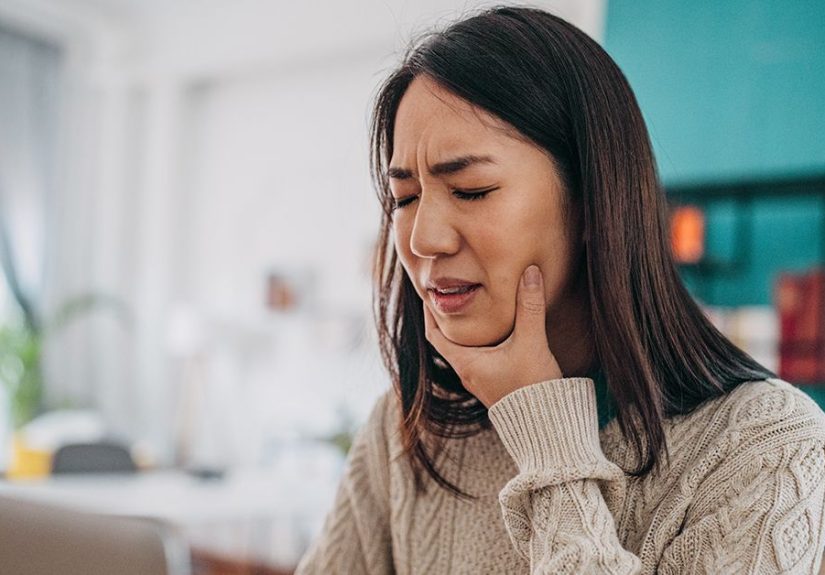
If you’ve ever opened your mouth to bite a burger and heard a loud
click, felt a stab of pain near your ear, or discovered that your jaw
just doesn’t want to move the way it used to, you’ve met the world of TMJ problems.
The temporomandibular joint (TMJ) is the tiny hinge that lets you talk, laugh,
yawn, and demolish a burrito. When something goes wrong with that joint or the
muscles around it, life gets uncomfortable quickly.
Many people search for “What causes TMJ?” hoping to find one simple answer:
“It’s stress,” or “It’s your wisdom teeth,” or “It’s that one time you chewed ice
like it owed you money.” In reality, TMJ disorders (often called TMD) usually
have several overlapping causes. Think of it less like a single broken part and
more like a team of issues ganging up on your jaw.
This in-depth guide walks through what we know about TMJ causes, how different
factors interact, and what you can realistically do about it. It’s educational
only and not a substitute for seeing a dentist, oral and maxillofacial surgeon,
or other healthcare professionalbut it can help you walk into that appointment
feeling informed instead of overwhelmed.
TMJ vs. TMD: First, Let’s Clear Up the Terms
Before diving into what causes TMJ problems, it helps to get the vocabulary straight:
-
TMJ stands for temporomandibular joint, the physical joint
that connects your lower jaw (mandible) to the skull just in front of your ears. -
TMD stands for temporomandibular disorders, the family of
conditions that cause pain, clicking, locking, or dysfunction of that joint and
the surrounding muscles.
Most health organizations now use TMD when they talk about the
disorder and reserve TMJ for the actual joint. But in everyday
conversation (and in search engines), people frequently say “TMJ” when they
really mean “TMJ disorder.” In this article, we’ll use both in a way that makes
sense to a real human, not just a textbook.
TMD is common: estimates suggest that roughly 5–12% of the population experiences
TMJ-related pain or dysfunction at some point. That’s a lot of clicking jawsand
a strong reason to understand the underlying causes.
The Big Picture: TMJ Problems Usually Have Multiple Causes
When researchers and major medical centers talk about what causes TMJ disorders,
they usually emphasize one key idea: multifactorial causes. In plain
English, that means your jaw pain rarely has a single, easy culprit.
Instead, TMJ issues often reflect a mix of:
- Structural changes inside the joint itself
- Muscle tension and overuse, especially from clenching or grinding
- Arthritis or other inflammatory joint conditions
- Bite and alignment issues
- Systemic diseases that affect joints or connective tissue
- Lifestyle habits and stress that strain the jaw over time
Some people have a clear “aha” moment, like a sports injury or a car accident,
when their TMJ symptoms begin. For others, problems sneak up slowlyyears of
clenching, poor posture, or arthritis finally catch up and start complaining.
Main Categories of TMJ Causes
1. Changes Inside the Joint: Disc, Cartilage, and Bone
Your TMJ is not just a simple hinge. It’s a complex joint that includes:
- The rounded end of the jawbone (condyle)
- The socket in the skull
- A small cushioning disc between them
- Ligaments and a capsule that hold everything in place
Problems inside that joint can trigger TMJ disorders. Common structural causes include:
-
Disc displacement – The little disc that cushions the joint can slip
out of position. When that happens, you may hear or feel clicks, pops, or grinding
as the jaw moves. In some cases, the disc can get stuck and cause your jaw to lock. -
Wear and tear of cartilage – Just like knees and hips, the TMJ can
develop osteoarthritis. The cartilage wears down, the joint surfaces roughen, and
movement becomes painful. -
Inflammation of the joint lining – Synovitis (inflammation of the
joint lining) or capsulitis (inflammation of the surrounding capsule) can make
every jaw movement feel sharp or sore. -
Trauma – A blow to the jaw, whiplash, sports accidents, or any injury
that forces the mouth open too wide can damage the joint or disc.
These structural changes don’t always cause symptoms. Some people have disc
displacement seen on imaging but no pain at all. Others have relatively subtle
imaging findings but a lot of discomfort. That’s one reason why TMJ disorders can
be tricky to diagnose and treat.
2. Muscle-Related Causes: Tension, Overuse, and Bruxism
The TMJ doesn’t work alone; it partners with a team of chewing muscles that open
and close your jaw thousands of times a day. When those muscles are overworked,
tight, or injured, they can cause pain that feels a lot like “joint pain.”
A major muscle-related cause of TMJ problems is bruxismclenching or grinding
your teeth, often during sleep or while concentrating. Bruxism can:
- Overload the jaw muscles, leaving them sore and fatigued
- Put excessive pressure on the TMJ
- Lead to morning jaw pain, headaches, or ear-area discomfort
- Wear down teeth and increase sensitivity
Even if you never grind, you might be a daytime clencher. Many people clench
their teeth when driving in traffic, working under deadlines, or scrolling through
stressful news. Over time, that constant muscle tension can contribute to TMJ pain.
Other muscle-related triggers include:
- Chewing gum for hours a day
- Frequently chewing ice, hard candy, or very tough foods
- Holding the phone between your ear and shoulder
- Resting your chin on your hand for long periods
These habits may seem harmless, but they nudge your jaw into awkward positions and
force the muscles to work overtime.
3. Bite Problems and Jaw Alignment Issues
The way your upper and lower teeth fit togetheryour bitecan also influence
TMJ health. If your teeth don’t meet evenly, certain parts of the jaw and muscles
may have to work harder to chew, talk, and swallow.
Potential alignment-related causes and contributors include:
- Significant overbite or underbite
- Crossbites or open bites
- Missing teeth that change how your jaw closes
- Ill-fitting dentures or dental restorations
Not everyone with a “crooked bite” ends up with TMJ problemsplenty of people
function just fine with less-than-perfect alignment. But in some cases, these
structural variations increase strain on the joint and muscles, especially when
combined with other risk factors like clenching or arthritis.
4. Arthritis and Systemic Conditions
The TMJ is a joint like any other, so it’s vulnerable to arthritis and systemic
inflammatory diseases. Conditions that can involve or worsen TMJ disorders include:
- Osteoarthritis
- Rheumatoid arthritis
- Psoriatic arthritis
- Other connective tissue diseases
When these conditions affect the TMJ, they can damage the cartilage, inflame the
joint, and change the way the jaw moves. For some people, TMJ symptoms are one of
several joint problems. For others, the jaw is one of the first places they notice
trouble.
5. Lifestyle, Posture, and Stress
Modern life is not exactly jaw-friendly. Several everyday factors can contribute
to TMJ disorders over time:
-
Chronic stress – When your nervous system is on high alert, your jaw
muscles often join the tension party. Stress is closely linked with clenching,
grinding, and tight neck and facial muscles. -
“Tech neck” and poor posture – Sitting hunched over a laptop or phone with
your head pushed forward strains the neck and jaw muscles. That strain can change
how the jaw moves and feels. -
Poor sleep – Lack of quality sleep may increase muscle pain, stress levels,
and the likelihood of nighttime bruxism. -
Overuse of the jaw – Constant gum chewing, biting nails, or snacking on
very tough foods can keep the TMJ and surrounding muscles in near-constant action.
These factors don’t “cause TMJ” by themselves, but they can push a borderline
situation into painful territory or make existing TMJ disorders much worse.
Risk Factors That Make TMJ Problems More Likely
Anyone can develop TMJ symptoms, but research has identified some patterns that
increase risk:
-
Age and sex – TMD is often most common in adults between 20 and 40 years
old, and many studies find it more frequently in women than men. -
Chronic stress or anxiety – People who live in a constant “fight-or-flight”
mode are more likely to clench and grind their teeth. -
Trauma history – Previous jaw fractures, dislocations, whiplash injuries,
or blows to the chin or face can set the stage for TMJ dysfunction later. -
Existing joint or pain conditions – Having arthritis, fibromyalgia, or
other chronic pain conditions can heighten sensitivity around the TMJ. -
Sleep and breathing issues – Some people with sleep disturbances or
obstructive sleep apnea may clench or grind their teeth more at night.
Having one or more risk factors does not guarantee you’ll develop TMJ disorder, but
it does mean you may want to be extra gentle with your jaw and mindful of habits
that strain it.
Common Myths About What Causes TMJ
Myth 1: “It’s always your wisdom teeth.”
Wisdom teeth can be uncomfortable, crowd other teeth, and cause their own set of
problemsbut they are not the universal villain of TMJ disorders. Some people
never have wisdom teeth removed and never develop TMJ issues. Others have their
wisdom teeth out and still have jaw pain. TMJ causes are broader and more complex
than one type of tooth.
Myth 2: “Orthodontics ruined my jaw.”
Braces and other orthodontic treatments change the way teeth and jaws line up, and
in rare cases jaw discomfort can follow. But modern research doesn’t support the
idea that orthodontics is a major, primary cause of TMJ disorders in most people.
Often, people notice jaw issues during treatment simply because they’re paying
closer attention or because underlying problems are becoming more obvious.
Myth 3: “If you don’t grind your teeth, you can’t have TMJ.”
Nighttime grinding is a big risk factor for TMJ problems, but it’s not required.
You can develop TMJ pain from arthritis, trauma, systemic disease, muscle strain,
or repeated habits that stress the jointeven if your teeth never make that
nails-on-a-chalkboard grinding sound.
Why Your TMJ Pain May Have More Than One Cause
Imagine someone who works long hours at a computer, hunches over their screen,
clenches their jaw when stressed, chews gum all afternoon, and also happens to
have mild arthritis. Which of those causes TMJ? The honest answer is:
all of the above, working together.
Many TMJ specialists talk about a “biopsychosocial” model: biology (joint structure
and disease), psychology (stress, anxiety, pain perception), and social factors
(work demands, lifestyle) all play a role. That’s why two people with similar
imaging can feel very different levels of pain and disability.
Understanding that your TMJ disorder may have multiple causes can be oddly
comforting. It means you’re not stuck hunting for the one magic explanationand
it opens the door to several different strategies that might help, from physical
therapies to habit changes to stress reduction.
What to Do If You Suspect TMJ Problems
If you’re reading this and thinking, “That sounds exactly like my jaw,” the next
step is to talk with a professional who evaluates TMJ disorders regularlyoften a
dentist, oral and maxillofacial surgeon, or sometimes a physical therapist or
pain specialist.
They may:
- Ask detailed questions about your symptoms, habits, and stress levels
- Examine jaw movement, listen for clicks, and feel for tenderness
- Check your bite and the way your teeth fit together
- Decide if imaging (like X-rays, CT, or MRI) is necessary
From there, treatment might focus on:
- Reducing muscle tension and inflammation
- Protecting the teeth and joint (for example, with a night guard)
- Modifying habits that strain the jaw
- Managing underlying conditions like arthritis or anxiety
The good news: many TMJ disorders improve with conservative care and time. The
earlier you address contributing causesespecially clenching, grinding, and
stressful habitsthe better your odds of calming things down.
Real-Life Experiences: Living with TMJ and Its Causes
Statistics and anatomy diagrams are useful, but TMJ really comes to life when you
hear what it feels like in everyday situations. The following composite stories
blend common experiences reported by people with TMJ disorders. Names and details
are fictional, but the patterns are real.
Alex: The “Stress Clencher” Who Didn’t Know They Clenched
Alex is a 29-year-old project manager who lives on coffee and deadlines. They
started waking up with tension headaches and a sore jaw but assumed it was “just
stress.” A partner finally pointed out that Alex’s teeth made grinding noises at
night. During the day, Alex noticed they clenched while answering emails, sitting
in traffic, and even watching intense TV shows.
When Alex saw a dentist, the exam showed worn-down biting surfaces, tight jaw
muscles, and tenderness near the TMJ. There was no big trauma, no arthritisjust
a perfect storm of chronic stress, teeth grinding, and long hours at a computer
with a forward head posture. The dentist recommended a night guard, short breaks
during work to relax the jaw, and some simple stress-management practices.
Over several months, the morning headaches faded, and the jaw pain became much
more manageable. The underlying cause was not one thing but a cluster of
clenching-related habits that Alex finally learned to recognize.
Maria: Arthritis That Didn’t Stop at the Knees
Maria, 52, has lived with rheumatoid arthritis for years. She’s used to thinking
about her knees, hands, and hipsbut the jaw? That wasn’t on her radar until she
noticed a dull ache in front of her ears every time she chewed. Over a few
months, opening wide to eat a sandwich or yawn started to feel risky, like the
joint might catch.
Her rheumatologist and dentist confirmed that the same inflammatory process
affecting her other joints was also influencing the TMJ. Imaging showed some
changes in the joint surfaces. In her case, the main underlying cause was a
systemic disease that happened to include the jaw joint as another target.
Working with both specialists, Maria adjusted her medications, added jaw-friendly
dietary changes (softer foods on bad days), and learned gentle jaw exercises.
Understanding that her TMJ pain was part of a larger arthritis picture helped her
feel less confused and more in control.
Jordan: One Big Hit, Long-Term Consequences
Jordan is a 35-year-old weekend athlete who took a hard elbow under the chin
during a basketball game. At the time, it hurt, but the pain faded, and life
moved on. Months later, Jordan began noticing jaw clicks whenever chewing and an
occasional sharp pain when opening wide.
A visit to an oral and maxillofacial surgeon suggested that the earlier injury
likely strained the disc and ligaments of the TMJ. Over time, the joint mechanics
changed just enough to cause clicking and intermittent pain. Jordan’s case
illustrates a clear, physical causetraumathat set off a chain of changes in the
joint itself.
Treatment focused on protecting the joint, avoiding extreme jaw movements, and
using short-term anti-inflammatory strategies when the joint flared up. Knowing
that the basketball injury was the main trigger helped Jordan connect the dots and
avoid further strain.
Sam: The “Quiet” TMJ That Showed Up at the Dentist
Sam, 24, went to the dentist for a routine cleaning and was surprised when the
hygienist asked, “Does your jaw ever click?” Sam realized it didbut it didn’t
hurt, so they ignored it. The dentist explained that mild disc displacement and
clicking can exist without pain and that not every click requires aggressive
treatment.
However, Sam also admitted to grinding during exam season, chewing gum constantly,
and staying up late on a poor diet. While the current TMJ symptoms were minor, the
dentist pointed out that these habits could gradually push a relatively quiet joint
into a painful one.
Sam’s experience shows that TMJ cause-and-effect isn’t always dramatic. Sometimes
it’s a quiet combination of structural quirks and lifestyle patterns that might or
might not become a problemdepending on how early those habits change.
The Bottom Line: So, What Really Causes TMJ?
Asking “What causes TMJ?” is a little like asking “What causes back pain?” There
are patterns and common culprits, but the recipe is different for everyone.
Structural changes in the joint, muscle tension, teeth grinding, arthritis,
alignment issues, stress, posture, and systemic diseases can all play a roleand
they often show up in combination rather than alone.
The most helpful mindset is to see TMJ disorders as a puzzle rather than a single
broken part. Working with a qualified professional, you can sort through possible
causes, identify the ones that matter most in your case, and build a plan that
protects your jaw, reduces pain, and restores as much function as possible.
Your jaw is small, but its impact on daily life is huge. Treat it kindly, pay
attention to what aggravates it, and don’t hesitate to get it checked out if
clicking, pain, or stiffness becomes a regular companion. Your future selfand
your future sandwicheswill thank you.