Table of Contents >> Show >> Hide
- First Things First: What Is a Blood Clot?
- What Does a Blood Clot in the Leg or Arm Feel Like? (DVT)
- What Does a Blood Clot in the Lung Feel Like? (Pulmonary Embolism)
- What Does a Blood Clot in the Brain (Stroke) Feel Like?
- What Does a Blood Clot in the Abdomen Feel Like?
- Can a Blood Clot Be Completely Silent?
- Blood Clot vs. “Normal” Aches and Pains
- When to Call a Doctor vs. When to Call 911
- Life After a Blood Clot: What Can It Feel Like During Recovery?
- Real-World Experiences: How People Describe What a Blood Clot Feels Like
- Bottom Line: Trust Your Body and Get Checked
Few phrases sound as alarming as “blood clot.” And if you’ve ever had a weird pain in your calf or a sudden shortness of breath, you’ve probably wondered (and maybe Googled at 2 a.m.), “What does a blood clot actually feel like?”
The tricky part: blood clots don’t have just one feeling. They can be painful, barely noticeable, or even totally silent. The sensations depend on where the clot is (leg, lung, brain, abdomen, arm, etc.) and how big and fast the problem develops.
This guide walks through what different types of clots may feel like, which symptoms are red flags, and why you should never try to “tough it out” if something feels seriously off. This is information only, not a diagnosisif you’re worried about your own symptoms, call your doctor or emergency services right away.
First Things First: What Is a Blood Clot?
A blood clot is basically your body’s built-in “patch kit.” When you get injured, platelets and proteins in your blood clump together to stop bleeding. That’s good when you’ve cut your finger. It’s not good when a clot forms inside a vein or artery where it doesn’t belong and blocks blood flow.
Two big terms show up a lot:
- Deep vein thrombosis (DVT): a clot in a deep vein, usually in the leg or arm.
- Pulmonary embolism (PE): a clot that travels to the lung and blocks blood flow there.
DVT and PE together are called venous thromboembolism (VTE), and they affect hundreds of thousands of people in the U.S. each year.
What Does a Blood Clot in the Leg or Arm Feel Like? (DVT)
When people ask, “What does a blood clot feel like?” they’re often thinking about a clot in the leg. That’s the classic deep vein thrombosis. The surprising part: about half of DVTs cause no noticeable symptoms at all. But when they do, the sensations tend to be pretty specific.
Common sensations with a DVT in the leg
- Pain or aching in one leg (or arm), often starting in the calf. It can feel like a cramp, charley horse, or deep soreness that doesn’t match how active you’ve been.
- Swelling in just one leg or arm, especially if it’s clearly bigger than the other side.
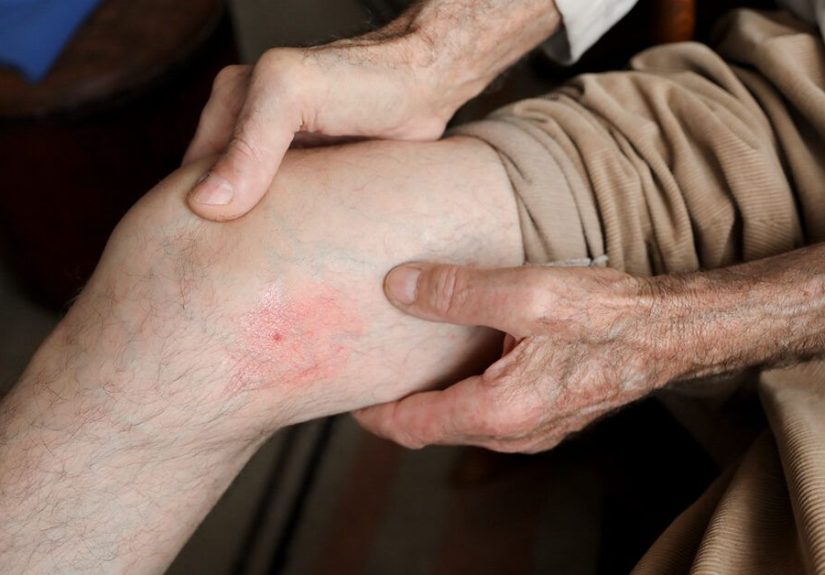
- Warmth over the painful or swollen area.
- Redness or discolorationthe skin might look red, purple, or slightly blue.
- Tenderness when you press on the area or when you walk or flex your foot.
Many people describe the feeling as a persistent, one-sided leg pain that doesn’t behave like “normal” muscle soreness. For example, you didn’t just do a heavy leg workout, yet your calf feels tight and sore and keeps getting worse instead of better.
What about a blood clot in the arm?
A blood clot in the arm can cause similar symptoms:
- Achy or sharp pain in the upper arm, forearm, or wrist.
- Swelling or a feeling of heaviness in the arm.
- Warm, tender, or discolored skin.
- In some cases, the hand or fingers can feel cooler or look paler than usual.
A milder condition called superficial thrombophlebitis causes a clot and inflammation in a vein just under the skin. That can feel like a hard, ropey, tender cord you can follow along the vein, with redness and localized pain.
What Does a Blood Clot in the Lung Feel Like? (Pulmonary Embolism)
A pulmonary embolism (PE) is when a clotoften from a DVT in the legtravels to the lung. This is a medical emergency. It doesn’t feel like “just being out of shape.” It typically feels dramatically wrong.
Common sensations with a clot in the lung
- Sudden shortness of breath, even at rest or with minimal activity.
- Sharp chest pain that may get worse when you take a deep breath, cough, or bend over.
- A feeling like you “can’t catch your breath” or are breathing fast and shallow.
- Racing heart or palpitations.
- Lightheadedness, fainting, or feeling like you might pass out.
- Coughing, sometimes with bloody or pink-tinged mucus.
Many people describe PE as a sudden, intense chest pain or pressure paired with “air hunger”the feeling that no matter how much you breathe, it isn’t enough. This is a call emergency services immediately situation, not a “wait and see” moment.
What Does a Blood Clot in the Brain (Stroke) Feel Like?
A clot in a blood vessel supplying the brain can cause an ischemic stroke. The feeling isn’t usually “headache plus a little tingling.” Stroke symptoms are often dramatic and sudden.
Health organizations use the FAST or BE FAST acronym to help you spot stroke signs quickly:
- F – Face: Drooping or uneven smile.
- A – Arm: Weakness or numbness in one arm (or leg), especially on one side.
- S – Speech: Slurred speech, trouble speaking, or difficulty understanding words.
- T – Time: Time to call emergency services immediately.
Other sensations that may signal a clot-related stroke
- Sudden, severe headacheoften described as “the worst headache of my life.”
- Sudden trouble seeing in one or both eyes.
- Sudden dizziness, loss of balance, or difficulty walking.
- Sudden confusion or trouble understanding what people are saying.
Stroke is another true 911 emergency. Don’t drive yourself; call for an ambulance so treatment can start as fast as possible.
What Does a Blood Clot in the Abdomen Feel Like?
Blood clots can also affect the blood vessels that supply the intestines, a condition called mesenteric ischemia. Here, the main sensation is significant abdominal painoften out of proportion to what an exam might show.
Possible sensations with abdominal blood flow problems
- Sudden, severe belly pain that doesn’t match mild findings on the outside.
- Pain that starts or worsens about an hour after eating.
- Cramping or gnawing pain around the upper abdomen or near the belly button.
- Nausea, vomiting, and sometimes diarrhea.
- “Food fear”you start avoiding meals because eating seems to trigger pain.
Again, this can be life-threatening and needs urgent evaluation, especially in older adults or people with heart disease, atrial fibrillation, or other circulatory problems.
Can a Blood Clot Be Completely Silent?
Unfortunately, yes. A clot can sometimes form with little or no noticeable pain or only very vague symptoms like mild fatigue or a slight ache. Some people only find out they had a clot when they develop complications like a pulmonary embolism or post-thrombotic syndrome.
That’s one reason doctors pay attention to risk factors, not just sensations. These include things like:
- Recent surgery or hospitalization.
- Recent long travel (car, bus, plane) with little movement.
- Cancer or cancer treatment.
- Pregnancy or recent childbirth.
- Hormone therapy or certain birth control pills.
- Smoking, obesity, or older age.
- Inherited clotting disorders.
Blood Clot vs. “Normal” Aches and Pains
Not every calf cramp is a clot (thank goodness). But it helps to know the differences between everyday aches and potential blood clot symptoms:
Muscle strain or soreness typically:
- Follows a clear trigger (a workout, long day on your feet, new exercise).
- Affects both sides more evenly.
- Improves with rest, stretching, or gentle movement.
- Doesn’t usually cause warmth, redness, or big visible swelling in just one leg.
Possible DVT-type pain tends to:
- Appear without a clear injury or “I overdid it” moment.
- Be one-sided (one calf, one thigh, one arm).
- Come with swelling, warmth, and/or redness.
- Persist or worsen instead of gradually easing.
If you’re ever stuck thinking, “This just doesn’t feel normal,” that’s the time to call a healthcare professional.
When to Call a Doctor vs. When to Call 911
It’s always better to be checked and reassured than to miss something serious. In very broad terms:
Call your doctor or urgent care promptly if you notice:
- New, one-sided leg or arm pain plus swelling, warmth, or redness.
- A firm, tender “cord-like” vein just under the skin.
- Mild but persistent arm or leg heaviness with visible swelling.
Call emergency services (911 in the U.S.) immediately if you have:
- Sudden shortness of breath or trouble breathing.
- Sudden sharp chest pain, especially with breathing in or coughing.
- Sudden, severe headache, especially with confusion, trouble speaking, or vision changes.
- Sudden weakness, numbness, or drooping on one side of the face or body.
- Fainting, collapse, or feeling like you’re about to pass out.
These symptoms can be caused by many conditions, but all of them are urgent. Don’t self-diagnose. Don’t wait to “see if it goes away.” Get help immediately.
Life After a Blood Clot: What Can It Feel Like During Recovery?
If a clot is diagnosed and treated, the pain and swelling usually start to improve over days to weeks. Some people, especially those who’ve had a major DVT, may develop post-thrombotic syndromelingering leg heaviness, swelling, or discomfort due to damage to the vein.
Recovery can involve:
- Wearing compression stockings for the leg.
- Taking anticoagulant (“blood thinner”) medication for months or longer.
- Gradually becoming more active under medical guidance.
Emotionally, people often describe a mix of relief and anxietygrateful to be diagnosed, but hyper-aware of any new twinge. That’s normal, and talking with your healthcare team about what’s expected (and what’s not) can help.
Real-World Experiences: How People Describe What a Blood Clot Feels Like
Every body is different, but hearing how others describe their sensations can help you put words to your own experienceand understand why these symptoms deserve attention. The following are composite examples based on common patient reports and educational materials (not real individuals).
1. The “That’s a Strange Calf Cramp” DVT
Jamie, 42, had just returned from a long-haul flight. A day later, they noticed a nagging ache in the left calf. At first, it felt like a regular cramp from sitting too longtight, sore, a little annoying. But over the next 24 hours, the pain didn’t fade with stretching or walking. Instead, the calf started to swell and felt noticeably warmer than the other leg. Climbing stairs made the ache sharper, and pressing on the calf felt tender, like a badly bruised muscle without any visible bruise.
Jamie’s internal dialogue was classic: “It’s probably just a muscle issue. I don’t want to overreact.” Fortunately, a quick call to their doctor led to an urgent ultrasound, which confirmed a DVT. Treatment started that day. Looking back, Jamie says the key difference was that the pain kept getting worse and the leg clearly looked bigger and hotter than the other side. That mismatchno workout, but increasing one-sided pain and swellingwas the big clue.
2. The “Something Is Wrong With My Breathing” Pulmonary Embolism
Alex, 55, didn’t feel anything unusual in the legs but suddenly noticed that just walking from the couch to the kitchen left them breathless. There was a sharp, stabbing pain on one side of the chest that intensified with every deep breath, like a knife under the ribs. They felt anxious and sweaty, but this didn’t feel like a panic attackthere was no obvious trigger, and the chest pain was different from any stress they’d had before.
Within an hour, the shortness of breath worsened and a dry cough turned slightly pink. That’s when Alex’s partner called emergency services. At the hospital, doctors diagnosed a pulmonary embolism. Alex later said the defining feeling wasn’t just painit was the sense that “my body was sounding an alarm I couldn’t ignore.” That sudden mismatch between how little effort they were making and how out-of-breath they felt was a major red flag.
3. The “Half My Body Isn’t Cooperating” Brain Clot (Stroke)
Taylor, 63, was drinking coffee when the mug suddenly felt too heavy. The right arm wouldn’t lift properly, and the coffee spilled. At the same time, Taylor’s spouse noticed that one side of the smile drooped when they tried to laugh it off. When Taylor tried to say, “I’m fine,” the words came out slurred and jumbled.
There was no dramatic painno thunderclap headache, no crushing chest sensationjust a terrifying awareness that half the body wasn’t working and speech sounded wrong. They called emergency services immediately. In the hospital, a clot in a brain artery was discovered, and clot-busting treatment began. Fast action helped limit long-term damage.
4. The “Mysterious Belly Pain” Abdominal Clot
Sam, 70, had a history of heart disease and started noticing cramping pain in the upper abdomen after meals. At first, it felt like simple indigestionuncomfortable, but not awful. Over weeks, the pain became sharper and more intense, especially 30–60 minutes after eating. Sam began to dread mealtimes, eating smaller portions and unintentionally losing weight.
Eventually, the pain became severe enough to send Sam to the ER. Imaging showed a problem with blood flow to the intestines, likely related to narrowing and clotting in the mesenteric arteries. Treatment was started to improve blood flow. Looking back, Sam remembers thinking, “This is the weirdest heartburn I’ve ever had,” because it reliably followed meals but didn’t respond to antacids the way typical reflux did.
What These Experiences Have in Common
Even though each scenario is different, there’s a pattern:
- The symptoms often appear suddenly or progress over hours to days.
- There is usually a clear feeling that something is “off” or doesn’t match everyday aches, soreness, or indigestion.
- Symptoms tend to be one-sided (one leg, one arm, one side of the body) or clearly tied to breathing or eating.
- Delaying care could easily have led to more severe complications.
If you ever find yourself asking, “Could this be a clot?” that’s already a sign the situation deserves professional attention. You don’t need to decide on your own whether it is or isn’t. Your main job is to notice unusual symptoms and seek prompt medical help.
Bottom Line: Trust Your Body and Get Checked
So, what does a blood clot feel like? It might feel like:
- A tight, swollen, warm leg or arm that hurts more than a normal cramp.
- Sudden chest pain and breathlessness that feels nothing like being out of shape.
- One side of your body refusing to cooperate, with slurred speech or confusion.
- Severe or unusual belly pain, especially linked to eating.
- Or, frustratingly, it might not feel like much at all.
You can’t control every risk factor, but you can control how fast you respond. If your body is sending you strong, strange signalsespecially with chest pain, trouble breathing, sudden weakness, or severe headachetreat it like an emergency. Quick action can save your life, protect your brain and lungs, and give you the best chance at a full recovery.