Table of Contents >> Show >> Hide
If you live with diabetes, you probably feel like you have a second, unofficial job:
checking your blood sugar. Fingersticks, logbooks, alarms, math before meals… it’s a lot.
Continuous glucose monitoring (CGM) is designed to make that job easier, more accurate,
anddare we sayless annoying.
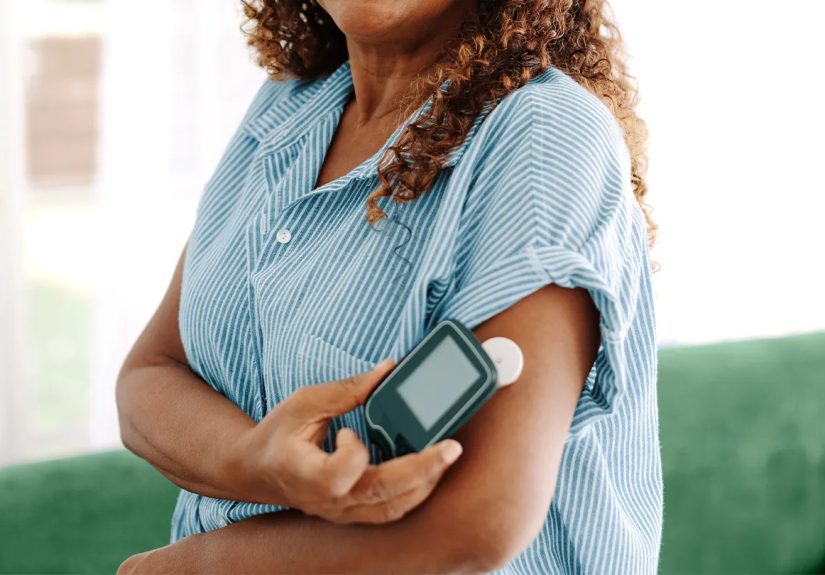
Continuous glucose monitoring (CGM) is a diabetes technology that tracks your glucose
(blood sugar) around the clock using a tiny sensor just under your skin. Instead of a
handful of fingerstick checks each day, a CGM gives you a stream of data: your current
glucose level, where it’s heading, and how fast it’s changing. This helps you make smarter
decisions about food, physical activity, and medications, often with fewer surprises.
In this guide, we’ll break down how CGM works, who it’s for, its benefits and downsides,
and what to expect if you’re thinking about trying it. We’ll also share real-world
experiences at the endbecause what happens outside the brochure is often the most useful
part.
How Continuous Glucose Monitoring Works
A CGM system usually has three main parts that work together like a tiny, high-tech
glucose team:
-
Sensor: a small flexible filament inserted just under the skin,
often on the back of the upper arm or abdomen. It measures glucose levels in the
fluid between your cells (interstitial fluid), not directly in the blood. -
Transmitter: a small electronic piece that sits on top of the
sensor and sends the glucose data wirelessly. -
Receiver or smart device: this can be a dedicated handheld
receiver, a smartphone, a smartwatch, or (for some users) an insulin pump.
It receives the data and displays your glucose readings, graphs, and alerts.
Depending on the brand, a CGM checks your glucose every 1–5 minutes, creating a detailed
picture of your day and night. Some systems stream glucose numbers automatically to your
phone; others need you to scan the sensor with your reader or phone to get a current
reading.
Real-time vs. “Scan” CGM
You’ll often hear about two main styles of CGM:
-
Real-time CGM (rtCGM): sends glucose readings continuously in the
background and can trigger alerts when your levels go too high or too low. Devices
like Dexcom G6 and G7 fall into this group. -
Intermittently scanned CGM (isCGM): stores data in the sensor and
shows it when you scan it with a reader or phone (for example, many FreeStyle Libre
systems). Newer versions can also send optional alarms.
Both types show trends, arrows (indicating the direction of change), and graphs that
help you see what your glucose has been doing over hours and daysnot just the single
“snapshot” you get from a fingerstick meter.
Key CGM Metric: Time in Range
One of the biggest advantages of CGM is a newer way to look at control called
time in range (TIR). For many adults with diabetes, the standard
target range is roughly 70–180 mg/dL, though your own target should be set with your
care team. Time in range is the percentage of the day you spend inside that target
window.
Instead of focusing only on a three-month average (A1C), TIR shows you how often your
glucose is actually in a safe zone. Even small improvements in time in rangesay, 5%
more of the daycan be clinically meaningful. It’s an intuitive way to see whether
your daily choices and your treatment plan are working.
Types of CGM Systems
Modern CGM options have expanded dramatically. While specific brands and features
change over time, most systems fall into a few categories:
Prescription CGMs
These are the most common. They require a prescription from a healthcare provider and
are typically covered by insurance for people who meet certain criteria (such as using
insulin multiple times daily or having frequent hypoglycemia).
-
Dexcom systems: real-time CGMs that send data directly to a phone,
receiver, or compatible insulin pump. Many versions have customizable alerts and
integrate into “automated insulin delivery” systems. -
FreeStyle Libre systems: often worn on the upper arm, with sensors
that last around 14 days. Newer models may offer optional alarms and better
connectivity with apps and devices.
Over-the-counter / Non-insulin CGMs
A newer category of CGMs is aimed at people who are not using insulin or are at lower
risk of dangerous lows, including many people with type 2 diabetes or prediabetes.
Some of these can be bought with fewer barriers, or even without a traditional
prescription, depending on the device and regulations.
These systems are often geared toward understanding how food, movement, sleep, and
stress affect glucose patterns, rather than day-to-day insulin dosing. They may have
fewer alerts but lots of data visualization and coaching features in the app.
CGM Integrated with Insulin Pumps
For people with type 1 diabetes or insulin-dependent type 2 diabetes, some CGMs can
“talk” to insulin pumps. In these systems, the CGM data helps the pump adjust basal
insulin automatically and sometimes give correction doses. This is often called
hybrid closed-loop or automated insulin delivery (AID).
While these systems don’t run on autopilot with no user input (you still have to bolus
for meals and confirm some actions), they can dramatically reduce the mental load of
diabetes management and improve time in range.
Who Can Benefit from CGM?
Some guidelines suggest that almost anyone living with diabetes could potentially
benefit from CGM, but it’s especially helpful for certain groups:
-
People with type 1 diabetes: CGM is now considered a standard part
of care for most people with type 1 who are willing and able to use it. It helps
with hypoglycemia prevention, overnight monitoring, and fine-tuning insulin. -
People with type 2 diabetes using insulin: If you use multiple daily
injections or a pump, CGM can highlight patterns after meals, overnight, or with
exercise that fingersticks may miss. -
People with problematic lows (hypoglycemia): Those with hypoglycemia
unawareness, frequent nighttime lows, or a history of severe lows may benefit
significantly from CGM alarms and trend data. -
Children and teens with diabetesand their caregivers: CGM can offer
peace of mind to parents and help kids stay safer at school, during sports, and
overnight. -
Pregnant people with diabetes: In many places, CGM is increasingly
recommended to help keep glucose in a tighter range during pregnancy for the health
of both parent and baby.
That said, CGM isn’t for everyone. Some people simply don’t like wearing a device on
their body, don’t want the constant stream of data, or find the alerts stressful. Your
preferences matter just as much as the technology.
Benefits of Continuous Glucose Monitoring
So why are CGMs becoming such a big deal in diabetes care? Research and real-world
experience point to several key advantages:
-
Fewer fingersticks: Most modern CGMs drastically reduce or even
eliminate routine fingerstick checks for day-to-day dosing decisions (though you may
still need a meter if readings don’t match how you feel). -
Better view of patterns: Instead of just seeing “What is my sugar
right now?”, you can see “What did it do all night?”, “What happens after this
snack?”, or “What does stress do to my numbers?” -
Time in range improvement: Many people see higher time in range and
lower A1C after switching to CGM, especially when they review the data with a
diabetes educator or clinician. -
Hypoglycemia prevention: Low-glucose alerts can help you treat a
drop before it gets severe. This is especially important at night or if you don’t
feel your lows. -
Feedback on lifestyle choices: Wonder what that “healthy” smoothie
is really doing to your glucose? CGM will tell you. You’ll quickly see which foods,
portion sizes, and timing work better for your body. -
Emotional reassurance (sometimes): For many, seeing the data and
having alarms provides peace of mindespecially for parents of children with
diabetes.
One of the underrated benefits is the ability to experiment. You can test small changes
like eating earlier, adding a short walk after dinner, or adjusting a basal rateand
see the impact in real time. It turns your body into a science project, but in a
good way.
Limitations, Risks, and Recent Safety Concerns
As powerful as CGM is, it does come with downsides and important cautions.
Accuracy and “Lag Time”
CGMs measure glucose in interstitial fluid, which lags a bit behind your blood. During
rapid changeslike after you correct a low or sprint up the stairsthe CGM may trail
your true blood glucose by several minutes. This is expected, but it can be confusing.
For this reason, device instructions usually say that if your CGM reading doesn’t match
your symptoms, you should confirm with a fingerstick meter before making a major
treatment decision.
Skin Issues and Adhesives
Some people develop skin irritation, redness, or allergic reactions to the sensor
adhesive. Rotating sites, using barrier sprays or patches, and working with a
dermatologist or diabetes care team can help, but for a small number of users this can
be a dealbreaker.
Cost and Insurance Coverage
CGMs can be expensive, especially without insurance coverage. Even with coverage, there
might be copays, deductibles, or limits on how many sensors you can get. Coverage rules
vary by insurer and country, and they are changing quickly as CGM becomes more
mainstream.
Alert Fatigue and Data Overload
While alerts can be lifesaving, too many alarmsespecially at nightcan lead to
“alert fatigue,” where people start ignoring or disabling them. Likewise, some users
feel overwhelmed by constant data. Working with your care team to set sensible alert
thresholds and reviewing data periodically (instead of obsessively) can help.
Device Problems and Recalls
Like any medical technology, CGM systems occasionally face technical issues, including
sensor failures, connectivity problems, or, rarely, batches that give inaccurate
readings. Recently, some CGM sensors from specific lines have been corrected or
replaced due to risk of falsely low readings. Manufacturers and regulators monitor
these issues closely, but it’s important to pay attention to official notices.
If your CGM readings ever seem suspicious or don’t match how you feel, rely on a blood
glucose meter and contact your healthcare team or the device manufacturer for guidance.
Getting Started with CGM: What to Expect
Curious about trying CGM? Here’s what the process often looks like.
1. Talk with Your Healthcare Provider
Start by discussing CGM with your diabetes care team. They’ll consider factors like:
- Your type of diabetes and current therapy
- How often you experience high or low blood sugar
- Your comfort with technology
- Insurance coverage and device availability in your area
Together, you can choose a device that fits your lifestylewhether that means strong
alerts, tighter integration with a pump, or something simpler.
2. Training and Insertion
When you start CGM, you’ll either meet with a diabetes educator, nurse, or device
trainer in-person or virtually. They’ll show you:
- How to insert the sensor using the applicator
- Where on your body you can place it
- How to attach the transmitter, if separate
- How to pair the sensor with your phone, receiver, or pump
The insertion process is typically quick and feels like a brief pinch or pressure.
Many people are surprised by how easy it is after the first try.
3. Learning the App and Reading the Graphs
The app or receiver will show:
- Your current glucose number
- Trend arrows (rising, falling, stable)
- Graphs showing hours or days of data
- Stats like time in range, average glucose, and variability
Early on, it’s helpful to review your graphs with a professional. They can help you
interpret the patterns and suggest specific changessuch as adjusting insulin dosing
timing, changing meal composition, or planning snacks differently.
4. Building CGM into Your Routine
Over time, you’ll develop your own rhythm:
- Changing sensors every 7–14 days, depending on the model
- Charging or replacing transmitters as needed
- Deciding which alerts to keep on and at what thresholds
- Downloading or sharing data with your care team before appointments
The goal isn’t perfection. It’s better information, fewer surprises, and a little less
mental stress around diabetes decisions.
Everyday Experiences with CGM: What People Often Report
Beyond the technical specs and clinical studies, what does CGM actually feel like in
everyday life? While everyone’s journey is different, many people share similar themes.
The following examples are composites based on common experiences.
1. “I finally see the patterns I always suspected.”
Alex, a 35-year-old with type 1 diabetes, thought mornings were his problem. His
fingerstick checks before breakfast were often high, so he assumed his overnight
insulin was too low. After starting CGM, he realized he was actually dropping very low
around 3 a.m., rebounding by morning. The fix wasn’t “more insulin”it was adjusting
his overnight basal and having a small, earlier snack. Without CGM’s overnight graph,
that pattern might have stayed hidden.
2. “Food experiments became less of a mystery.”
Carmen, living with type 2 diabetes and using insulin, used to dread restaurant meals.
With CGM, she began testing small changes: taking a short walk after pasta, swapping
soda for water, or ordering half portions. She could see the impact on her time in
range after each meal. Some “healthy” choices (like a huge fruit smoothie) turned out
to spike her glucose far more than expected, while a balanced plate with protein,
vegetables, and a small dessert fit much better into her day.
3. “My family sleeps better at night.”
For parents of children with diabetes, nighttime can be nerve-racking. One parent
described CGM as “having a baby monitor for glucose.” Sharing data to a phone meant
they could see their child’s numbers from another roomor even another building at a
sleepover or school event. Low-glucose alerts didn’t remove all the worry, but they
made nighttime less of a guessing game.
4. “The alerts were overwhelming at first.”
Not all feedback is glowing. Some users describe the first weeks with CGM as “alarm city.”
High alerts went off after every pizza slice; low alerts chirped after a tough workout;
their phone suddenly felt like a nagging coach. The turning point usually comes when
people customize alert thresholds and learn when to act versus when to simply observe
a trend. With support, many move from feeling judged by the numbers to feeling informed
by them.
5. “It’s helpfulbut it’s not magic.”
A common realization is that CGM doesn’t “fix” diabetes by itself. It doesn’t dose
insulin for you (unless it’s connected to an automated system), and it can’t force you
to change habits. What it does offer is informationsometimes uncomfortable information
that can guide better decisions over time. People who benefit most are usually those
who are willing to look at the data, learn from it, and collaborate with their care
team.
6. “My relationship with numbers changed.”
For some people, seeing every single rise and fall can increase anxiety at first.
Others find it empowering: instead of mysterious highs “out of nowhere,” they see
specific triggersstressful meetings, skipped snacks, or certain foods. With support,
many users learn to treat CGM data as neutral information rather than a grade on how
“good” or “bad” they’re doing.
Overall, real-world experiences show that CGM can bring both freedom and responsibility.
Most long-term users say they would not want to go back to life without it, but they
also emphasize the importance of good training, realistic expectations, and occasional
digital detox from obsessing over every reading.
Bottom Line
Continuous glucose monitoring (CGM) is more than just a gadgetit’s a powerful tool
that can transform how you understand and manage diabetes. By tracking your glucose
around the clock, CGM helps reveal hidden patterns, improve time in range, and reduce
the burden of constant guesswork.
CGM isn’t perfect. It comes with costs, learning curves, and occasional technical
hiccups. But for many people, the benefitsfewer surprises, more informed choices, and
better long-term controlare well worth it.
If you’re curious about CGM, the best next step is simple: talk with your healthcare
provider or diabetes educator. Bring your questions, your concerns, and maybe a bit of
healthy curiosity. With the right device, training, and support, CGM can become one of
the most useful tools in your diabetes toolbox.



![How Each Generation Shops in 2024 [New Data from Our State of Consumer Trends Report]](https://gearxtop.com/wp-content/uploads/2026/03/how-each-generation-shops-in-2024-new-data-from-our-state-of-consumer-trends-report-mnIzi0Br-thumb.jpg)