Table of Contents >> Show >> Hide
- Home Equity in Plain English
- How Home Equity Grows (and Shrinks)
- How to Estimate Your Home’s Value
- Equity vs. LTV (Loan-to-Value): The Number Lenders Obsess Over
- How You Can Use Home Equity
- Smart Uses of Home Equity (and “Please Don’t” Uses)
- The Real Risks of Tapping Home Equity
- Taxes: Is Home Equity Interest Deductible?
- How to Build Home Equity Faster
- Quick FAQ: Home Equity Questions People Actually Ask
- Conclusion: Home Equity Is a ToolUse It Like One
- of Home Equity Experiences: What Homeowners Learn in the Real World
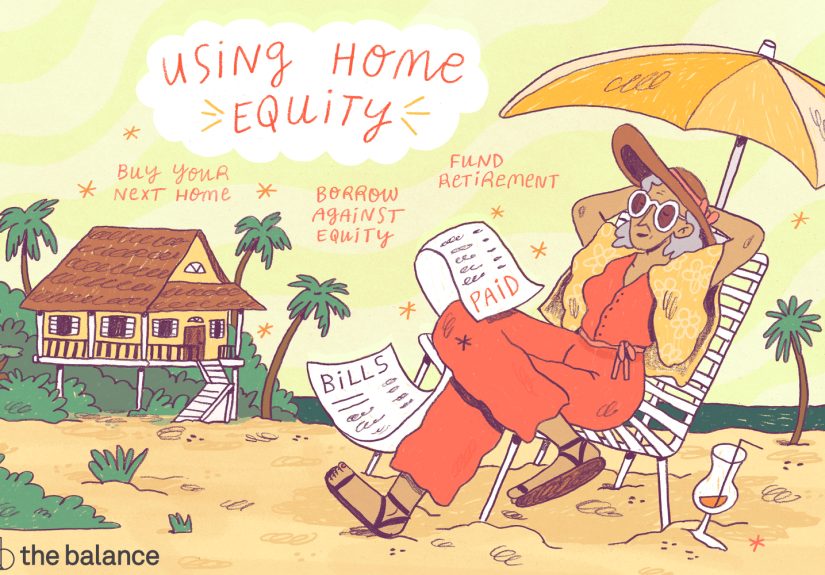
Home equity is one of those money terms that sounds like it should require a blazer and a spreadsheet. In reality, it’s simple: home equity is the part of your home you “own” (financially) after subtracting what you still owe. Think of it like the difference between the pizza you bought and the slices you still owe your friend because they spotted you $20.
Equity matters because it can become a powerful financial tool: it’s the backbone of homeownership wealth, a safety net in emergencies, and the reason some people can renovate a kitchen without selling a kidney on eBay. But equity is also not free moneyyour home is collateral, and lenders are not known for their sense of humor.
Home Equity in Plain English
At its core, home equity is a math problem:
Home Equity = Current Home Value − Total Mortgage (and other liens) Balance
Example: Your home could sell for about $400,000. You still owe $260,000 on your mortgage. Your estimated home equity is $140,000.
Two important notes:
- “Current home value” is an estimate until you get an appraisal or actually sell. Online estimates can be helpful, but they’re not psychic.
- Equity isn’t the same as “profit.” If you sell, you’ll pay closing costs, possibly agent commissions, and maybe taxesso your take-home can be less than your equity number.
How Home Equity Grows (and Shrinks)
Equity changes over time, usually for three big reasons:
1) You pay down your mortgage principal
Each monthly payment typically includes interest and principal. Early in a mortgage, a bigger chunk goes to interest (because the balance is higher). Over time, more of your payment goes toward principal, and equity can grow faster. This is normal amortizationboring in the best way.
2) Your home value changes
If home prices rise in your area, your home may appreciate, boosting equitysometimes without you lifting a finger (other than watering the lawn twice). But the reverse can happen too: if the market drops, your home’s value can fall and your equity can shrink.
3) Improvements can increase value
Renovations and upgrades may increase your home’s value and, therefore, your equity. Not every improvement pays back equally. A gold-plated waterfall sink might impress your Instagram followers, but buyers might prefer a normal faucet and functional plumbing.
How to Estimate Your Home’s Value
Since equity depends on value, you need a reasonable estimate. Common approaches include:
- Comparable sales (“comps”): Look at recently sold similar homes nearby. This is how appraisers and real estate pros think.
- Online estimates: Useful for a ballpark, especially when combined with comps. Treat them as “directionally helpful,” not “court-admissible.”
- Professional appraisal: Typically required when you’re borrowing against equity. It’s the closest thing to a neutral referee in home valuation.
A smart move: use a conservative value estimate when planning. If your home value is somewhere between $390,000 and $420,000, don’t build your budget on $420,000. Your future self will appreciate itpossibly more than your home does.
Equity vs. LTV (Loan-to-Value): The Number Lenders Obsess Over
Homeowners talk about “equity.” Lenders often talk about loan-to-value ratio (LTV)the percentage of the home’s value that’s financed with debt.
LTV = Loan Balance ÷ Home Value
Example: You owe $260,000 on a $400,000 home.
LTV = 260,000 ÷ 400,000 = 0.65 → 65% LTV
That means you have about 35% equity.
If you’re adding a second loan (like a HELOC or home equity loan), lenders may look at combined loan-to-value (CLTV), which counts your first mortgage plus the new loan(s).
Why it matters: many lenders prefer borrowers to stay below certain CLTV thresholdsoften around 80%, though rules vary by lender and borrower profile. This is one reason “having 20% equity” is such a popular milestone.
How You Can Use Home Equity
You can benefit from equity in two broad ways: (1) by selling the home or (2) by borrowing against it while you still live there.
Option A: Sell the home and convert equity to cash
When you sell, your mortgage gets paid off from the sale proceeds, and the remaining amount (minus closing costs) is your cash. People use this to downsize, relocate, or roll equity into another home purchase.
Option B: Borrow against your equity
This is where most “tap into equity” conversations go. The common tools include:
Home equity loan
A home equity loan is typically a lump sum with a fixed interest rate and a set repayment term. It can work well for a one-time, clearly priced expenselike a roof replacement or a major remodelbecause you know exactly how much you need.
HELOC (Home Equity Line of Credit)
A HELOC works more like a credit card with a much more serious consequence for missed payments. You’re approved for a credit limit and can borrow as needed. Many HELOCs have a draw period (when you can borrow) and a repayment period (when you pay it back). Rates are often variable, which means your payment can change over time.
Cash-out refinance
With a cash-out refinance, you replace your existing mortgage with a new, larger mortgage and take the difference in cash. This can be appealing when mortgage rates are favorable, but it also resets your loan terms and can increase the total interest you pay over time. It’s not automatically “good” or “bad”it’s math (and timing).
Home equity investment / home equity sharing
Less traditional (but increasingly discussed) is a home equity investment, sometimes called shared appreciation. Instead of monthly payments like a loan, you receive cash now in exchange for a share of your home’s future value. It can help homeowners who want cash but don’t want (or can’t qualify for) more debtyet it comes with trade-offs, fees, and complex terms.
Smart Uses of Home Equity (and “Please Don’t” Uses)
Equity can be useful. It can also be the financial equivalent of turning your house into an ATM because you got bored on a Saturday. Here are common “smart” and “risky” uses:
Common smart uses (when the numbers work)
- Home improvements that increase livability and/or value (kitchen refresh, roof, HVAC, accessibility upgrades).
- Debt consolidation when it meaningfully lowers interest cost and you have a plan not to re-run the credit card balances.
- Education or medical expenses in specific situations (but compare alternatives carefully).
- Emergency liquidity for homeowners with stable incomes who want a backup plan (especially with HELOC flexibility).
Uses that deserve extra caution
- Vacations, weddings, lifestyle upgrades that don’t create long-term value.
- Speculative investments (because losing money hits different when your house is on the line).
- Paying old debt without changing habits (the debt can come right backnow with your home attached).
The Real Risks of Tapping Home Equity
Borrowing against equity can be responsible, but it carries real risks:
- Your home is collateral. If you can’t repay, you could face foreclosure. That’s not meant to scare youit’s meant to keep the decision grounded.
- Variable-rate shock. HELOC rates are often variable. If rates rise, payments can rise toosometimes noticeably.
- Fees and closing costs. Appraisals, origination fees, and closing costs can apply (even if some lenders advertise “low cost” options).
- Market risk. If home values fall, you can end up “underwater,” owing more than the home is worthespecially if you borrowed aggressively.
Taxes: Is Home Equity Interest Deductible?
This is where people desperately want a simple yes/no answerand the truth is: it depends on how you use the money.
Under current IRS guidance, interest on home equity loans and HELOCs may be deductible only when the borrowed funds are used to buy, build, or substantially improve the home that secures the loan, and the taxpayer itemizes deductions and meets other requirements.
Translation: using a HELOC to remodel your kitchen may qualify; using it to pay off credit cards or buy a boat generally doesn’t. Tax rules can be nuanced, so if the deduction materially affects your decision, a tax professional can help you apply the rules to your situation.
How to Build Home Equity Faster
If growing equity is your goal, you typically have a few levers:
- Make extra principal payments (even small ones can add up). Just be sure your lender applies them to principal, not “future payments.”
- Avoid borrowing your equity back out unless it’s strategic and affordable.
- Improve the home wisely (repairs and functional upgrades often matter more than flashy trends).
- Shop insurance and taxes proactively where possiblecarrying costs don’t build equity, but they do affect your ability to keep the home.
- Know your mortgage structure (interest rate, term length, and amortization all influence how fast principal declines).
Quick FAQ: Home Equity Questions People Actually Ask
How much home equity do I need to borrow against it?
It varies by lender and loan type, but lenders often prefer you maintain a cushioncommonly keeping total loans at or below a certain CLTV. Strong credit, steady income, and documentation also matter.
Can home equity be negative?
Yes. If your mortgage balance is higher than what the home could sell for, you have negative equity (often called being “underwater”). It can happen after a market drop or when a homeowner borrows heavily against the home and values fall.
Is home equity the same as cash in the bank?
Not quite. Equity is wealth on paper until you sell or borrow against it. And converting equity to cash can come with costs, time, and risk.
Conclusion: Home Equity Is a ToolUse It Like One
Home equity is the difference between your home’s value and what you owe. It grows when you pay down principal, when your home value rises, and when improvements boost market value. You can use equity by selling, borrowing with a home equity loan, opening a HELOC, refinancing with cash-out, or exploring newer equity-sharing options.
The key is to treat equity like a tool, not a lottery ticket. The best home equity decisions are the ones that improve your long-term financial stability, keep payments comfortable, and don’t turn your biggest asset into your biggest stress.
of Home Equity Experiences: What Homeowners Learn in the Real World
Ask a group of homeowners about home equity and you’ll hear a familiar theme: the concept is simple, but the emotions can be messy. For many people, equity starts as a quiet number that grows in the backgrounduntil life happens and suddenly that number feels like a lifeline (or a temptation).
One common experience: the “renovation math” reality check. Homeowners often begin with a budget for a kitchen upgrade, only to discover that kitchens are where budgets go to do yogaflexible, unpredictable, and occasionally painful. A home equity loan feels comforting because it’s a fixed amount and a fixed payment. The lesson many people learn is to borrow for essentials (like plumbing, electrical, layout fixes) rather than for ultra-custom finishes that don’t move resale value. The best equity-funded renovations are usually the ones that make the home safer, more functional, and more broadly appealing.
Another frequent story: using a HELOC for “responsible” debt consolidation. It can genuinely reduce interest costs compared to credit cards, but only if the homeowner also changes the spending habits that created the balances. Some homeowners describe the whiplash of paying off cards, enjoying the relief, then slowly watching the balances creep backexcept now they also have a HELOC payment. The takeaway is blunt but useful: consolidating debt without a plan is like mopping the floor while the bathtub is still overflowing.
Then there’s the HELOC-as-emergency-fund experience. Some homeowners love the flexibility of having a line of credit “just in case,” especially if they keep the balance at zero. Others learn that variable rates can turn a comfortable payment into a bigger one when rates rise. The best stories usually involve conservative borrowing, a clear payoff timeline, and enough monthly cash flow to handle payment swings.
Finally, plenty of homeowners talk about the “paper wealth” paradox: their home value rises, their equity number looks amazing, and yet their monthly costs (insurance, taxes, maintenance) also rise. Equity can make you feel richer, but it doesn’t automatically make you more liquid. That’s why experienced homeowners tend to treat equity as a long-term assetone to grow steadily, tap carefully, and protect like the financial foundation it is.