Table of Contents >> Show >> Hide
- Meet jaggery: the “not-quite-sugar” sugar
- How jaggery is made (and why it tastes like toasted sunshine)
- Jaggery vs. white sugar: what’s different (and what’s basically identical)
- Nutrition reality check: the “health halo” is real… but it’s tiny
- Blood sugar and diabetes: does jaggery behave differently?
- Is jaggery “better” for you than sugar? It depends what you mean by better.
- Where jaggery fits in U.S. sugar recommendations
- How to use jaggery (without accidentally living in a dessert)
- Real-World Experiences: what people notice when they switch to jaggery
- The bottom line
Jaggery has a serious glow-up happening right now. It’s being called “ancient,” “natural,” and occasionally
“basically a multivitamin that tastes like caramel.” Meanwhile, plain white sugar is getting dragged like the
villain in a nutrition movie montage.
So… is jaggery actually better for you than sugar? The honest answer is: it can be a slightly better choice
for flavor and trace nutrients, but it’s still sugar, and your body treats it like sugar in the ways that matter most
(calories, blood sugar, and the “why did I just eat three cookies?” effect).
Meet jaggery: the “not-quite-sugar” sugar
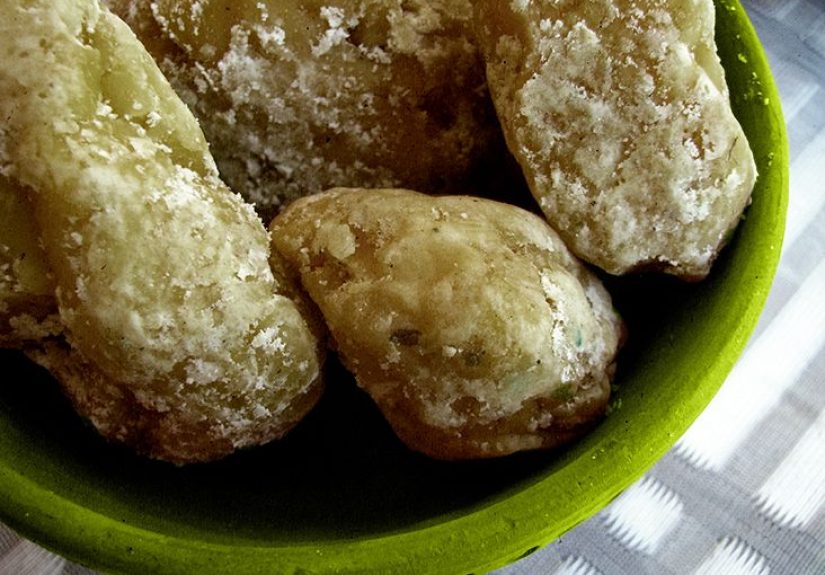
Jaggery is a traditional sweetener made by boiling and concentrating sugarcane juice or palm sap until it
thickens, then cooling it into blocks, cakes, or granules. Unlike refined white sugar, jaggery is typically
non-centrifugalmeaning it isn’t spun to fully separate sugar crystals from the darker, syrupy part known as
molasses.
That leftover molasses is why jaggery has its signature color (golden to deep brown), its warm, toasty flavor,
and its reputation for being “less processed.” It’s also why jaggery is often compared to other minimally refined
cane products (like panela) and to certain styles of brown sugarthough they’re not exactly the same.
How jaggery is made (and why it tastes like toasted sunshine)
Most jaggery production follows a simple idea: remove water, keep the good stuff concentrated.
But the details matterbecause those details change taste, texture, and nutrient content.
Sugarcane jaggery
Sugarcane is crushed for juice, the juice is strained, and then it’s boiled down. As water evaporates,
the mixture becomes thicker and darker. It’s poured into molds and cooled into blocks or shaped into granules.
Because it isn’t heavily refined, it retains more of the cane’s natural compounds and some minerals found in molasses.
Palm jaggery
Palm jaggery is made from the sap of certain palm trees. It often has a slightly different flavor profile
sometimes more floral, smoky, or earthy. Nutrition can vary more widely depending on the plant source and processing.
Jaggery vs. white sugar: what’s different (and what’s basically identical)
Let’s put the sweet stuff side-by-side. The big differences are processing and what gets left behind.
The big similarity is the one everyone wishes wasn’t true: they’re both concentrated sugars.
| Feature | Jaggery | White Sugar (table sugar) | Brown Sugar (typical U.S. grocery-store brown sugar) |
|---|---|---|---|
| How it’s made | Boiled, concentrated cane juice or palm sap; usually not centrifuged | Highly refined; crystals separated from molasses and purified | Often white sugar with molasses added back in |
| Flavor | Caramel-like, deeper, sometimes smoky | Clean, neutral sweetness | Caramel notes from molasses; moist |
| Minerals/plant compounds | Some trace minerals and compounds from molasses may remain | Minimal | Minimal overall (a little molasses, but not “nutrient rich”) |
| Calories & “sugar impact” | Similar to other sugars per typical serving | Similar | Similar |
In the U.S., the brown sugar you buy most often is white sugar with molasses added back. That’s why it looks darker
and feels softerand also why its nutrition isn’t dramatically different from white sugar in real-life portions.
Nutrition reality check: the “health halo” is real… but it’s tiny
Jaggery’s main nutritional brag is that it may contain trace minerals (like iron, potassium, magnesium, and calcium)
and some plant compounds associated with molasses. Some reviews of unrefined sugarcane products note these compounds
may have biological activity in lab or animal studiesespecially related to oxidative stress and inflammation.
But here’s the catch: typical serving sizes are small (a teaspoon in tea, a tablespoon in a recipe),
and those portions usually don’t provide enough vitamins or minerals to move the needle in a meaningful way.
Jaggery can be “more nutrient-dense” than white sugar and still not be a good nutrient source compared with, say,
beans, leafy greens, nuts, yogurt, or actual food that fights back when you chew it.
Think of jaggery like a sweater with pockets. Yes, it has pockets (trace nutrients). But you can’t move apartments with it.
If your nutrition plan relies on sweeteners to supply minerals, it’s time for a kitchen intervention.
Blood sugar and diabetes: does jaggery behave differently?
This is where marketing gets spicy. Some internet claims suggest jaggery is “safe for blood sugar” or “low glycemic.”
The evidence doesn’t support treating it like a free pass.
Jaggery is still predominantly carbohydratemostly sugarsand it can raise blood glucose.
In research comparing certain jaggery products with cane sugar, the blood sugar response may be similar,
especially in people who already have impaired glucose control.
Bottom line: if you have diabetes or prediabetes, jaggery should be treated like any other added sugar
unless your clinician or dietitian advises otherwise for your specific situation.
Even for people without diabetes, “natural sweetener” doesn’t change the fundamentals:
sugar is sugar, and too much of it can crowd out nutrient-rich foods and add excess calories.
Is jaggery “better” for you than sugar? It depends what you mean by better.
Where jaggery can be a better choice
- You want more flavor with less sweetener. Jaggery tastes richer than white sugar, so some people
use less while still feeling satisfied (key word: “some”). - You prefer less processing. If you’re choosing based on culinary tradition or ingredient simplicity,
jaggery may align with your preferences. - You’re swapping it for ultra-sugary processed foods. If jaggery gets you from “sweet coffee drink dessert”
to “coffee with a small spoon of something flavorful,” that’s a win.
Where jaggery is not better (or not better enough to matter)
- Weight management. Calories still count. Jaggery isn’t a loophole in the laws of energy balance.
- Blood sugar control. If you’re watching glucose, jaggery can still spike it.
- Heart health and added sugar limits. Jaggery still counts as added sugar when you add it to foods and drinks.
- “Detox” claims. Your liver is your detox. It works nights, weekends, and federal holidays.
Where jaggery fits in U.S. sugar recommendations
U.S. guidance focuses less on “which sugar” and more on how much added sugar you’re getting overall.
The Dietary Guidelines for Americans recommend keeping added sugars under 10% of daily calories.
For a 2,000-calorie diet, that’s about 50 grams of added sugar.
The American Heart Association suggests even tighter limits for many adults: about 25 grams/day for women
and 36 grams/day for men (roughly 6 and 9 teaspoons).
And the FDA makes it crystal clear on labels: added sugars include sweeteners like table sugar, syrups, and honey
and jaggery fits the same “added sugar” category when you use it as a sweetener in foods and beverages.
Translation: your body doesn’t throw a parade because your sugar is brown and has an interesting backstory.
How to use jaggery (without accidentally living in a dessert)
If you like jaggery, you don’t need to break up with it. You just need boundaries. Here are practical ways to enjoy it:
1) Use it for flavor, not for “health benefits”
Add a small amount to oatmeal, chai, or coffee when you want that molasses-caramel depth.
Let it be a culinary ingredient, not a supplement.
2) Measure it at least once
Many people “eyeball” sweeteners and accidentally pour the sugar equivalent of a small birthday party into a mug.
Measuring for a week can reset your sense of “normal.”
3) Pair it with fiber, protein, or fat
Sweeteners hit harder on an empty stomach. If you’re having something sweet, pairing it with a balanced meal or snack
(like yogurt with nuts, or toast with peanut butter) can help keep you more satisfied.
4) Try these swaps
- Tea/coffee: start with 1/2 teaspoon jaggery and adjust slowly.
- Baking: use jaggery in spice-forward recipes (gingerbread, chai cookies, banana bread).
- Sauces: a little jaggery can round out spicy or tangy sauceswithout needing tons of sweetness.
Real-World Experiences: what people notice when they switch to jaggery
Because jaggery has a “natural” reputation, a lot of people try it the same way they try a new workout trend:
full enthusiasm, zero planning, and a brief belief that this will solve everything. The experiences tend to fall into
a few predictable categories.
First: the flavor shock (in a good way). Many home cooks say the biggest difference is taste. White sugar is
one-note sweet. Jaggery is sweet plus “something else”caramel, toasted, slightly smoky, sometimes even a little fruity,
depending on the type. People who drink tea or coffee daily often report that jaggery makes a small amount feel more
satisfying, almost like it “counts more” per spoonful. That can be helpful if you’re trying to reduce sweetness overall.
Second: the texture learning curve. If you buy jaggery in a block, it doesn’t behave like granulated sugar.
It can be hard as a rock, sticky, or crumbly depending on humidity and storage. A common experience is discovering that
“just add it to tea” turns into “how strong is my spoon, really?” Many people end up grating it, shaving it with a knife,
or melting it with a splash of water to make a quick syrup. Granulated jaggery is easier, but it can clump too.
Airtight storage becomes your new best friend.
Third: the “health halo” temptation. This is the most important pattern. People often start with a swap
jaggery instead of sugarand then unconsciously give themselves permission to use more. It’s not because anyone is
trying to sabotage their health; it’s because the brain hears “better” and translates it as “unlimited.”
The result is a familiar story: coffee gets sweeter, desserts feel more justifiable, and suddenly the household is going
through jaggery faster than it goes through dish soap.
Fourth: the blood sugar reality check. Individuals who monitor glucose (or who simply notice energy swings)
often report that jaggery doesn’t magically prevent the sleepy slump that can follow a sugary snack. Some people feel
fine using a small amount in a balanced meal, while others notice the same “spike and crash” feeling they get from other
sweetenersespecially when jaggery is used in sweets eaten on an empty stomach. This lines up with the basic nutrition
reality: jaggery is still concentrated sugar, and portions matter.
Fifth: the “I use less now” win. The best experiences tend to come from people who treat jaggery like a
strong-flavored ingredient, not a health product. They use it where it shinesspiced desserts, chai, oatmeal, sauces
and they keep the amount modest. Over time, many say they prefer less sweetness overall because jaggery’s richer flavor
makes “a little” feel like “enough.” That’s a genuinely useful outcome: not because jaggery is a superfood, but because
it can help you retrain your palate.
Practical takeaway from these experiences: If you try jaggery, start small, measure at first, and choose it
for taste. The best “health benefit” is often the simplest one: it can help you enjoy sweetness without needing a lot of it.
And if it doesn’t change your portions, it won’t change your resultsbecause your metabolism is impressed by math, not marketing.
The bottom line
Jaggery is a traditional, less-refined sweetener with a richer flavor than white sugar and small amounts of minerals and
plant compounds from molasses. That can make it a slightly better culinary choiceespecially if its deeper taste
helps you use less.
But jaggery is still an added sugar. It still adds calories, it can still raise blood sugar, and it still counts toward
the same daily limits recommended by U.S. health authorities. If you love it, enjoy itjust don’t let the “natural” label
turn your teaspoon into a shovel.