Table of Contents >> Show >> Hide
- Tagliatelle, Defined (No Culinary Degree Required)
- Where Tagliatelle Comes From (And Why Bologna Cares So Much)
- How Tagliatelle Is Made
- Tagliatelle vs. Fettuccine vs. Pappardelle (Ribbon Pasta Showdown)
- What Does Tagliatelle Taste Like?
- Best Sauces for Tagliatelle
- How to Cook Tagliatelle Without Stress (Or Sticky Clumps)
- How to Use Tagliatelle: Easy, Specific Ideas
- Buying and Storing Tagliatelle
- FAQ: Quick Answers About Tagliatelle
- Experiences With Tagliatelle (Real-World Moments That Make It Click)
- Conclusion
Tagliatelle is one of those pasta names that sounds fancy enough to require a passport, yet it’s basically a very
smart idea: long, flat ribbons of pasta that are wide enough to catch sauce, but not so wide that they feel like
you’re eating an edible necktie. Traditionally, tagliatelle is an egg-based ribbon pasta from
Northern and Central Italyespecially Emilia-Romagna (think Bologna) and Marche.
If spaghetti is the minimalist, tagliatelle is the friend who shows up with pockets (and uses them).
People often confuse tagliatelle with fettuccine, and honestly, that’s fairboth are ribbon pastas and both are
excellent at wearing sauce like a tailored suit. But tagliatelle has its own traditions, a classic “best friend”
sauce (ragù), and even an “official” width that Italians have argued about with impressive dedication.
Tagliatelle, Defined (No Culinary Degree Required)
Tagliatelle (tah-lyah-TELL-eh) comes from the Italian verb tagliare, meaning “to cut.”
That’s exactly how it’s made: pasta dough is rolled into thin sheets, then cut into long ribbons. In many classic
traditions, tagliatelle is made with flour and eggs, producing a golden color and a slightly richer flavor than
water-based pasta doughs.
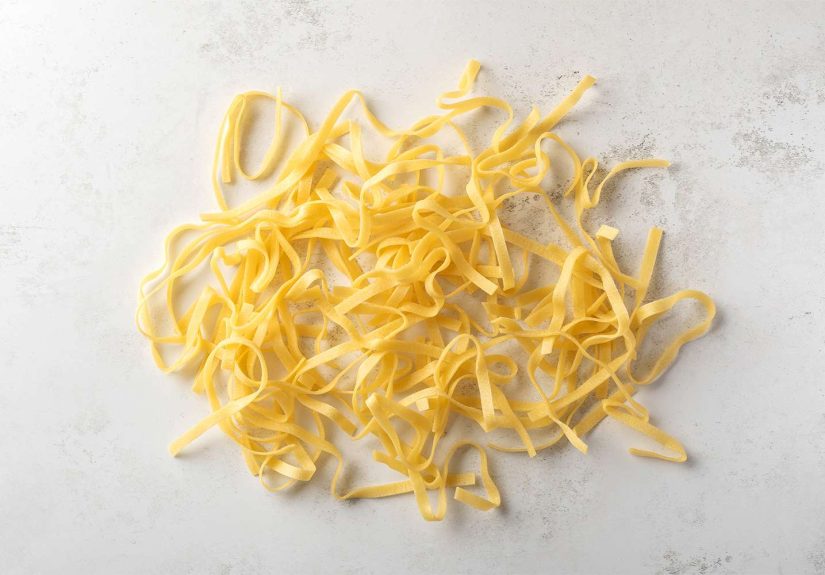
In terms of shape, tagliatelle is usually described as a long, flat ribbon pasta. Many sources
describe a typical width in the neighborhood of 6–8 millimeters, with some “official” references
tied to Bologna tradition landing around about 7 mm when cut and about 8 mm once cooked.
That means it’s wide enough to grab onto chunky sauces, but still graceful on a fork.
Where Tagliatelle Comes From (And Why Bologna Cares So Much)
Tagliatelle is strongly associated with Emilia-Romagna, one of Italy’s most celebrated food regions.
Bologna, in particular, is famous for ragù and fresh egg pasta. The tagliatelle-and-ragù pairing is more than a dish;
it’s practically a regional handshake.
There’s also a well-known cultural detail: Bologna tradition has long treated tagliatelle as “the correct” pasta for
ragù alla Bolognese. In fact, the lore gets delightfully specificdown to measurementsbecause Italians are serious
about pasta in the same way other people are serious about taxes or fantasy football drafts.
The “Official” Width: Pasta With a Ruler
In Bologna, there’s an often-cited standard that places tagliatelle at roughly 8 mm wide once cooked.
Some explanations even tie the measurement to a fraction of the height of the Asinelli Towerbecause why simply measure
something when you can turn it into a civic legend?
Should you panic if your ribbons aren’t exactly that width? Absolutely not. In real kitchens, the goal is consistency
and good texture, not a courtroom exhibit. But the tradition matters because it signals something bigger: tagliatelle
is part of regional identity, not just a pasta shape on a shelf.
How Tagliatelle Is Made
Tagliatelle can be fresh or dried. Fresh tagliatelle is often made with eggs and a
finely milled flour, rolled thin, and cut into ribbons. Dried tagliatelle is typically made from durum wheat and formed
into nests (those adorable little pasta “bird’s nests” that make portioning feel like you’re good at math).
Fresh Egg Dough: Why Eggs Matter
Eggs add richness, color, and a slightly silkier bite. Fresh egg pasta also tends to absorb sauce beautifully, especially
when you finish the noodles in the sauce for the last minute or two. That finishing step helps sauce cling and turns a
“pasta plus sauce” situation into an actual, cohesive dish.
Fresh vs. Dried Tagliatelle: Which Should You Buy?
- Fresh tagliatelle: softer, more tender, cooks quickly, and feels especially luxurious with butter,
cream-based sauces, or ragù. - Dried tagliatelle: convenient, pantry-friendly, and often made with durum wheat for a firmer “al dente”
structure that holds up in hearty sauces.
If you’re making a special dinner, fresh tagliatelle is a flex (in a good way). If you’re feeding a hungry household on a
Tuesday, dried nests are your very capable sidekick.
Tagliatelle vs. Fettuccine vs. Pappardelle (Ribbon Pasta Showdown)
Ribbon pastas are basically a family: related, sometimes confusing, and always showing up when there’s sauce involved.
Here’s how tagliatelle typically compares:
Tagliatelle vs. Fettuccine
Tagliatelle and fettuccine look similar, and many people use them interchangeably. The difference is often explained as
regional tradition and slight width and dough differences. Tagliatelle is strongly tied
to Northern Italian egg pasta traditions (especially Emilia-Romagna), while fettuccine is more often associated with
other regions and may be sold more commonly as dried pasta in many U.S. grocery stores.
Tagliatelle vs. Pappardelle
Pappardelle is usually wider and made for bold, chunky saucesthink braised meats, mushrooms, or anything
that deserves a dramatic entrance. Tagliatelle is the “middle ribbon”: substantial, but still elegant.
Tagliatelle vs. Linguine
Linguine is narrower and often paired with seafood or lighter sauces. Tagliatelle is more comfortable with thicker sauces
that need a little more surface area to hold on tight.
What Does Tagliatelle Taste Like?
On its own, tagliatelle tastes mildlike most pasta. But fresh egg tagliatelle has a slightly richer,
more “buttery” flavor and a tender-yet-springy texture. The magic is how it behaves with sauce: the ribbons provide
surface area for sauce to coat, plus enough structure to keep each bite feeling intentional (not slippery chaos).
Best Sauces for Tagliatelle
Tagliatelle is a sauce magnet. The ribbons are ideal for sauces that are too thick for spaghetti but don’t need the
extra-wide runway of pappardelle.
1) Ragù (Especially Ragù alla Bolognese)
If tagliatelle had a signature fragrance, it would be ragù simmering for hours. The classic pairing is
tagliatelle with ragù, a rich meat sauce traditionally associated with Bologna. This combo makes sense:
the sauce clings to the ribbons, and the pasta’s shape keeps the bites balanced instead of sauce-heavy.
2) Creamy Sauces (Alfredo-Adjacent, But Classier)
Cream-based saucesthink Parmesan cream, mushroom cream, or lemon-Parmesanwork well because tagliatelle holds the sauce
evenly without turning into a gluey pile. The ribbons separate nicely when tossed properly with a splash of pasta water.
3) Butter + Truffle (Or Butter + Sage)
Tagliatelle is also excellent with minimalist, high-impact sauces: butter, garlic, truffle, sage, black pepper, and a
shower of cheese. This is where fresh tagliatelle really shows off.
4) Tomato-Based Sauces With Body
A simple garlicky tomato sauce is greatespecially when enriched with olive oil, pancetta, or roasted vegetables. The key
is body: tagliatelle prefers sauces that can coat, not just splash.
How to Cook Tagliatelle Without Stress (Or Sticky Clumps)
Cooking tagliatelle is straightforward, but a few small moves make a big difference in texture and sauce cling.
Step-by-Step Cooking Tips
- Use a big pot: long ribbons need space to move so they don’t weld together.
- Salt the water: it’s the only chance to season the pasta itself.
- Cook until just shy of done: especially if you’ll finish it in sauce. Pull it slightly early, then
toss it in the sauce to finish cooking and absorb flavor. - Save pasta water: the starchy water helps emulsify sauces and makes them cling to the ribbons like they
were born for each other. - Don’t rinse: rinsing removes starch and makes sauce slide off (a tragedy in slow motion).
Fresh vs. Dried Cooking Times
Fresh tagliatelle typically cooks faster than dried. Instead of trusting a clock like it’s a life coach, taste a strand
early and often. The best indicator is texture: tender, but not mushy, with a slight bite in the center.
How to Use Tagliatelle: Easy, Specific Ideas
Weeknight-Friendly
- Tagliatelle + garlicky tomato sauce + Parmesan + basil
- Tagliatelle + sautéed mushrooms + cream + black pepper
- Tagliatelle + peas + prosciutto + lemon zest (bright, salty, fast)
Impress-Without-Panic Dinners
- Tagliatelle alla Bolognese with slow-simmered ragù
- Tagliatelle with butter and truffle (or truffle oil in a pinch)
- Tagliatelle with seafood (shrimp, scallops) in a silky wine-butter sauce
Buying and Storing Tagliatelle
What to Look For When Buying
- Fresh tagliatelle: look for a clean egg aroma and a supple texture (not brittle).
- Dried tagliatelle: quality brands often mention durum wheat and may note bronze drawing/extrusion, which can improve sauce grip.
- Nests vs. straight: nests are convenient and help protect ribbons from breaking.
Food Safety: How Long Does Cooked Tagliatelle Last?
Cooked pasta is considered a leftover. Standard U.S. food-safety guidance for many cooked leftovers is to refrigerate
promptly and use within a few days. As a practical rule, store cooked tagliatelle in an airtight container and aim to
eat it within about 3–4 days for best safety and quality.
FAQ: Quick Answers About Tagliatelle
Is tagliatelle the same as egg noodles?
They’re cousins. Tagliatelle is an Italian ribbon pasta often made with eggs, and “egg noodles” is a broader term used
for many noodle styles. Texture and width can vary, but the egg-based richness is a shared theme.
Can I substitute fettuccine for tagliatelle?
Yes. In most home cooking, fettuccine is a perfectly good substitute, especially for creamy sauces and ragù. If you’re
aiming for a more traditional Emilia-Romagna vibe, tagliatelle is the classic pick.
What’s the best sauce for tagliatelle?
The famous pairing is ragù alla Bolognese. But tagliatelle also shines with creamy sauces, butter-based
sauces (with sage or truffle), and tomato sauces that have some body.
Experiences With Tagliatelle (Real-World Moments That Make It Click)
If you’ve only had tagliatelle onceor you’ve walked past it in the pasta aisle thinking “Isn’t that just fettuccine
having an identity crisis?”your first memorable experience often comes down to texture. Tagliatelle is one of those
pastas that makes you notice the difference between “sauce on noodles” and “sauce married to noodles.” The ribbons
create a bigger, more satisfying bite than spaghetti, and they tend to carry sauce evenly, so you don’t finish a bowl
with a sad puddle at the bottom.
One common “aha” moment happens when you try tagliatelle with a slow-cooked meat sauce. The sauce doesn’t just sit on
top; it threads through the folds and clings to the flat surface. Each forkful feels balancedmeat, sauce, pastarather
than one ingredient hogging the spotlight. Even a simple tomato sauce can feel more substantial on tagliatelle because
the ribbons pick up more of it, especially when you finish the pasta in the pan with a splash of starchy pasta water.
That one step can turn a basic dinner into something that tastes like it came from a restaurant that uses cloth napkins
and has opinions about olive oil.
Another experience people talk about: the difference between fresh and dried tagliatelle. Fresh tagliatelle is delicate,
silky, and cooks quicklyso quickly that the best “timer” is your taste buds. You’ll notice how it softens without
becoming mushy, and how the egg-rich dough gives the pasta a gentle richness even before sauce arrives. Dried
tagliatelle, meanwhile, has more chew and structure. It’s the kind of pasta that can stand up to heavier sauces without
turning into a soft ribbon pile. If you’ve ever had leftover pasta that felt limp the next day, tagliatelle is your
reminder that shape and quality mattersome noodles simply reheat better than others.
If you try making tagliatelle at home, the experience is half craft project, half dinner. Rolling dough into sheets
teaches you quickly that pasta has a “feel”: too dry and it cracks, too wet and it sticks to everything like it’s
auditioning for a glue commercial. Cutting the ribbons is oddly satisfyingone long sheet becomes a pile of elegant
strands, and suddenly you understand why the name comes from “to cut.” Even if your widths aren’t identical (they won’t
be, and that’s fine), the homemade texture is the prize: slightly rough, sauce-hugging, and unmistakably fresh.
And then there’s the eating experiencethe part where tagliatelle earns its fan club. Because the ribbons are wider,
they’re easier to twirl than you might expect, especially if you toss them well and keep them separated. In creamy
sauces, tagliatelle feels luxurious without being heavy; in butter-and-sage or butter-and-truffle, it becomes the kind
of dish that makes people pause mid-conversation to appreciate what’s happening in their mouth. Even picky eaters tend
to respond well to tagliatelle because it’s familiar enough to be comforting, yet different enough to feel special.
The most relatable “tagliatelle moment,” though, might be the simplest: the realization that your pasta choice changes
the entire meal. Tagliatelle makes sauces feel more intentional. It slows you down just enough to notice texture,
balance, and flavorwithout requiring a culinary performance. You don’t need a passport. You just need a fork, a good
sauce, and a willingness to let a ribbon-shaped noodle make your night slightly better.
Conclusion
Tagliatelle is a classic Italian ribbon pastaoften egg-based, traditionally tied to Emilia-Romagna, and famously paired
with ragù. Its long, flat shape is designed to hold sauce, making it a go-to for hearty meat sauces, creamy sauces, and
butter-based finishes. Whether you buy it as dried nests or splurge on fresh ribbons, tagliatelle is a simple way to
upgrade pasta night from “fine” to “why is this so good?”