Table of Contents >> Show >> Hide
When you think of anchovies, images of small, salty fish topped on pizzas or tucked into Caesar salads probably come to mind. But what exactly are anchovies, and what type of fish are they? Anchovies are more than just a culinary staplethey are a fascinating species of fish with a rich history and an important ecological role. In this article, we’ll dive deep into the world of anchovies, their biological characteristics, and the role they play in the food chain.
What Are Anchovies? A Closer Look at Their Biology
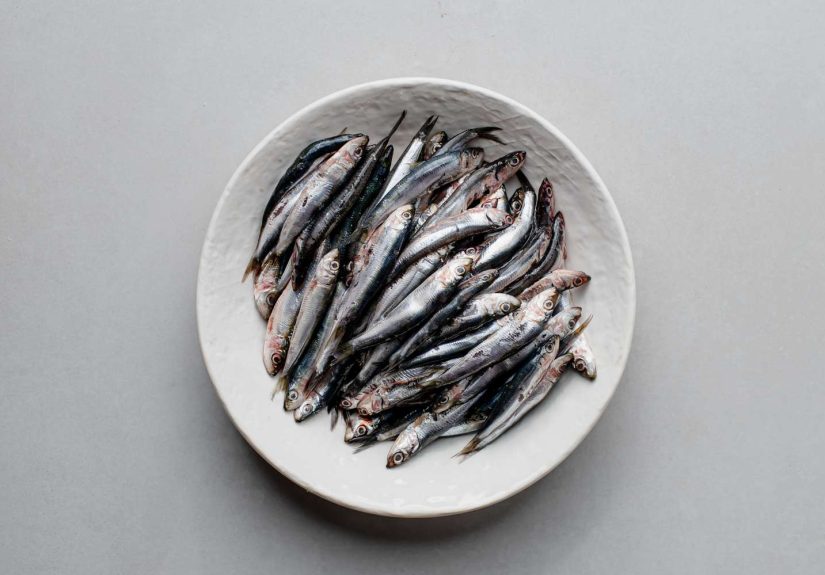
Anchovies are small, schooling fish belonging to the family Engraulidae. These fish are commonly found in both temperate and tropical waters around the world. The term “anchovy” refers to several species within this family, but the most well-known ones belong to the genera Engraulis and Stolephorus. These fish typically have long, slender bodies, silvery bellies, and a distinctive sharp, triangular head shape. They are often around 3 to 8 inches in length, although some species can grow slightly larger.
Habitat and Distribution
Anchovies are typically found in coastal waters, where they form large schools near the surface. These fish are known for their migratory patterns, as they move in massive schools to find food, usually plankton and small fish. Anchovies are found in oceans all over the world, including the Mediterranean, Atlantic, and Pacific Oceans. They are particularly abundant in regions with upwelling zones, where nutrient-rich water from the depths of the ocean rises to the surface, supporting a healthy food web that attracts anchovies.
How Anchovies Fit into the Food Chain
Anchovies play a crucial role in marine ecosystems. As filter feeders, they primarily consume plankton, including small copepods and phytoplankton. Because they are so abundant and form such large schools, anchovies serve as a primary food source for many larger predators, including seabirds, fish, and marine mammals. Their high reproductive rate and ability to adapt to a variety of habitats make them a key species in maintaining the balance of marine food webs.
Anchovies and Humans: From Ancient Times to Modern Cuisine
Anchovies have been part of the human diet for thousands of years. Ancient Mediterranean civilizations, including the Romans and Greeks, were known to have preserved anchovies by salting and fermenting them. In fact, the famous Roman condiment “garum” was made from fermented fish, often anchovies, and was used to add flavor to a wide variety of dishes.
In modern times, anchovies are still commonly used in Mediterranean cuisine. They are perhaps most famously found on pizzas, where their salty, umami flavor adds an intense depth of taste. Anchovies are also used to flavor dressings, sauces (including the iconic Caesar dressing), and even in savory pastries. In some cultures, such as in the Philippines and Spain, anchovies are enjoyed as a snack or appetizer, often served fried or grilled.
Are Anchovies the Same as Sardines?
It’s easy to confuse anchovies with sardines because they are both small, oily fish that are often preserved in similar ways. However, there are some key differences between the two. While both are members of the fish family Clupeidae, anchovies belong to the Engraulidae family. Sardines are typically larger, usually growing up to 8 inches, and have a more rounded, plump body compared to the slender anchovy.
Sardines also tend to have a milder flavor compared to the intense, salty taste of anchovies. Sardines are often eaten fresh, while anchovies are more commonly preserved by salting, curing, or fermenting. The preservation methods give anchovies their strong flavor, which is often an acquired taste.
How Anchovies Are Caught and Processed
Commercial anchovy fishing is an important industry in many countries. In the Mediterranean and South America, anchovies are caught using nets or purse seines, which are large nets that surround the school of fish. Once caught, the fish are often salted or packed in oil for preservation. Some anchovies are fermented to create products like anchovy paste, a common ingredient in many savory dishes.
Fresh anchovies are also sometimes sold, especially in markets that cater to seafood lovers. These fresh anchovies are often used in Mediterranean-style recipes, grilled or fried for a crispy texture.
Health Benefits of Anchovies
While anchovies may not be the first fish you think of for a healthy meal, they pack a surprising nutritional punch. These tiny fish are high in protein and omega-3 fatty acids, which are essential for heart health. They are also a rich source of vitamins and minerals, including vitamin A, calcium, and iron. Additionally, anchovies are low in mercury, making them a safer option compared to larger fish like tuna and swordfish.
Adding anchovies to your diet can help support cardiovascular health, reduce inflammation, and promote brain function, thanks to their omega-3 content. Furthermore, their high calcium content helps support strong bones and teeth, making them a nutritious addition to any meal.
How to Incorporate Anchovies into Your Diet
Despite their strong flavor, anchovies are incredibly versatile in cooking. If you’ve never tried them, you can start small by adding them to pasta dishes, salads, or sandwiches. One of the simplest ways to use anchovies is to dissolve them into a bit of olive oil and garlic, then toss with pasta for a delicious and umami-packed dish. Anchovies also pair wonderfully with other Mediterranean ingredients, such as olives, capers, and tomatoes.
If you’re looking for a more adventurous way to enjoy anchovies, try them as a topping on pizza, or blend them into a creamy dip. In some cuisines, anchovies are even enjoyed on their own, grilled or fried for a crispy treat. Once you’ve developed a taste for anchovies, you’ll find that their salty, briny flavor enhances many different dishes.
Conclusion: A Tiny Fish with Big Flavor
In conclusion, anchovies are small fish with a huge impact on both marine ecosystems and human cuisine. Their role as an important part of the food chain cannot be overstated, and their unique flavor profile has made them a beloved ingredient in many traditional dishes. Whether you enjoy them on pizza, in salads, or as part of a savory sauce, anchovies bring a burst of umami that elevates the flavors of any dish. So, the next time you encounter this humble fish, remember just how much it contributes to the world’s oceans and your plate!
Personal Experiences with Anchovies
Growing up, I remember being hesitant to try anchovies. Their strong, salty smell and small size made them seem a bit off-putting at first. But after trying them in a Caesar salad at a local restaurant, I was hooked. The anchovies added a depth of flavor that made the dressing feel more complex and satisfying. From there, I began experimenting with anchovies in other dishes, like pasta and pizza. The key, I discovered, is not to overdo itjust a few anchovies can transform a meal, adding a savory, umami punch that’s hard to match with any other ingredient.
One of my favorite recipes involves making an anchovy butter for grilled vegetables. By blending anchovies with butter, garlic, and fresh herbs, you create a rich sauce that pairs perfectly with roasted vegetables like zucchini, bell peppers, and eggplant. The anchovies dissolve into the butter, leaving behind just the right amount of salty goodness without overwhelming the dish. It’s a great way to introduce anchovies into your meals, especially if you’re new to them.
In recent years, I’ve also started using anchovy paste, which is a more concentrated version of the fish. It’s incredibly convenient for adding flavor to sauces and dressings without having to worry about preparing the whole fish. A little bit goes a long way, and it’s an excellent pantry staple for anyone who loves bold, savory flavors.
Despite their initial reputation, anchovies are a highly versatile ingredient that can elevate any dish. With a little experimentation and an open mind, you’ll find that anchovies deserve a permanent place in your kitchen. So, the next time you see anchovies on the menu, don’t hesitateembrace them for their unique, flavorful contribution to your meal!