Table of Contents >> Show >> Hide
- Why Painted Pumpkins Are So Popular
- The Best Paint for Pumpkins Overall: Acrylic Craft Paint
- Best Paint for Full Coverage: Spray Paint
- Best for Detail Work: Acrylic Paint Pens and Paint Markers
- Best Kid-Friendly Option: Washable Paint and Paint Sticks
- Other Paint Types Worth Considering
- What Paint Should You Avoid?
- How to Prep a Pumpkin Before Painting
- How to Make Painted Pumpkins Look Better
- So, What’s the Best Paint to Use for Pumpkins This Halloween?
- Real Pumpkin Painting Experiences and Lessons Learned
- Conclusion
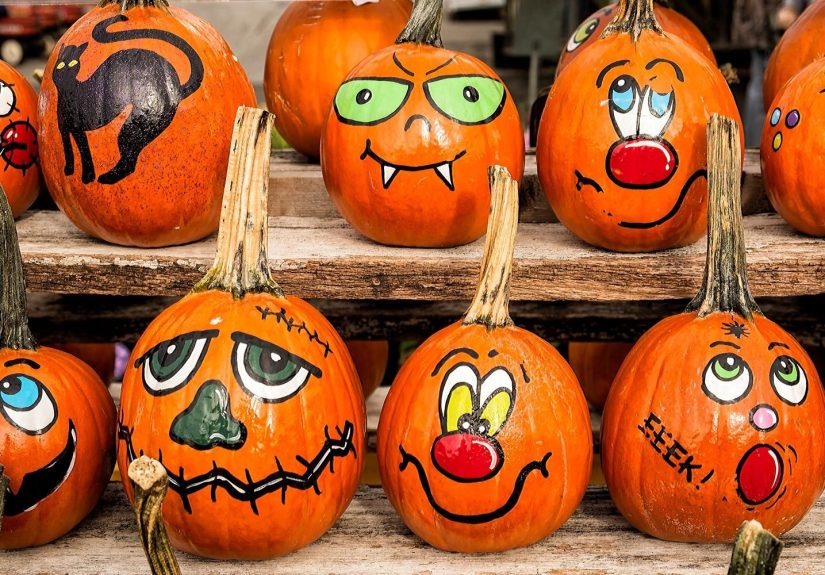
Every Halloween, millions of pumpkins face the same fork in the road: get carved into a grinning jack-o’-lantern, or get painted into something fabulous. And frankly, if your goal is less mess, more style, and a lower chance of accidentally turning your kitchen into a pumpkin crime scene, painting wins by a landslide.
But here’s the catch: not every paint behaves the same way on a pumpkin. Some give you smooth, rich color. Some are perfect for tiny details. Some are great for kids. And some seem to exist purely to test your patience and ruin your shirt. So, what’s the best paint to use for pumpkins this Halloween?
The short answer: for most people, acrylic craft paint is the best all-around paint for pumpkins. It dries quickly, comes in tons of colors, is easy to layer, and works well for everything from simple color blocking to detailed Halloween designs. If you want fast full coverage, spray paint is your best friend. If you want crisp details, grab acrylic paint pens. If kids are involved, washable paint or paint sticks are the least chaotic option.
Now let’s break it all down so your pumpkin ends up looking spooky-chic instead of “well, we tried.”
Why Painted Pumpkins Are So Popular
Painted pumpkins have become a Halloween favorite for one very simple reason: they are easier to live with. Carving is classic, sure, but it is also wet, slippery, and annoyingly temporary. Painted pumpkins are cleaner, safer for younger kids, and far more flexible when it comes to style.
If you want ghosts, florals, stripes, bats, checkerboard patterns, glam metallics, or a pumpkin that somehow matches your living room throw pillows, painting opens all those doors. It also lets you keep your pumpkin looking fresh longer than a carved one. In other words, painting is the Halloween equivalent of choosing the scenic route and still arriving on time.
The Best Paint for Pumpkins Overall: Acrylic Craft Paint
Why acrylic paint wins
If you only buy one kind of paint for your pumpkin project, make it acrylic craft paint. It is the best paint for pumpkins because it hits the sweet spot between convenience, coverage, price, and creative control.
Acrylic paint dries fast, which matters when you are layering colors or working with impatient kids who believe “dry” is just a suggestion. It is water-based, so cleanup is easier than with oil-based paint. It is also widely available in matte, satin, glossy, and chalky finishes, which gives you more control over the final look.
Want a moody black pumpkin with white stars? Acrylic does it. Want pastel pumpkins for a cute front porch display? Acrylic again. Want a faux-vintage farmhouse pumpkin because your decor style is “autumn, but make it expensive”? Still acrylic.
Best uses for acrylic paint on pumpkins
- General pumpkin painting
- Patterns, stripes, color blocking, and stencils
- Halloween faces and lettering
- Layered designs that need multiple coats
- Matte or chalky designer-style pumpkins
Pros of acrylic paint
- Fast-drying
- Easy to use
- Easy cleanup
- Affordable
- Available in many finishes and colors
- Works on both real and faux pumpkins
Cons of acrylic paint
- Usually needs more than one coat
- Can stain clothes and tabletops
- May need a clear sealer for better durability
Bottom line: if you are wondering what paint to use on pumpkins for the best balance of beauty and practicality, acrylic craft paint is the top pick.
Best Paint for Full Coverage: Spray Paint
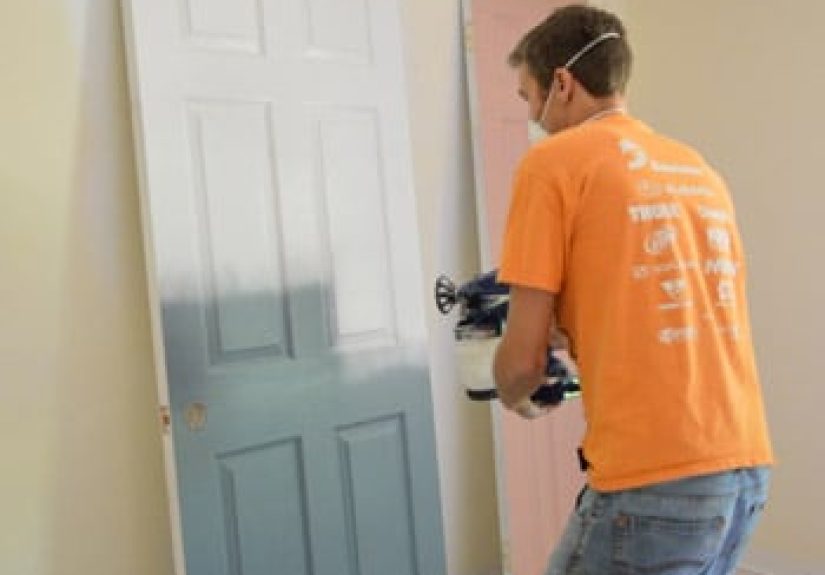
If acrylic is the all-around champion, spray paint is the speed demon. Spray paint is the best choice when you want to coat an entire pumpkin quickly and evenly. It is especially handy if you are painting several pumpkins at once or creating a base color before adding details.
White spray paint is a favorite because it gives you a clean canvas for brighter top colors. Black spray paint is perfect for dramatic Halloween displays. Metallic spray paints can make a pumpkin look polished, modern, and just a little bit smug about its superior aesthetic.
When spray paint makes the most sense
- You want smooth all-over color
- You are painting a lot of pumpkins
- You want an ombré or metallic finish
- You need a fast base coat
- You are decorating faux pumpkins for longer-term use
The trick with spray paint is restraint. Light coats are better than one thick coat. A heavy hand can cause drips, patchiness, and the kind of regret that arrives five minutes too late. Spray paint also tends to wander, so cover your area well and avoid using it in cramped indoor spaces. Your pumpkin should look haunted, not your lungs.
Best finishes for Halloween pumpkins
Matte finishes look modern and high-end. Glossy finishes reflect light and feel playful. Metallic finishes add drama. High-gloss can look especially striking in indoor displays or on faux pumpkins used as seasonal decor.
Bottom line: use spray paint when speed, full coverage, and a polished base coat matter more than fine detail.
Best for Detail Work: Acrylic Paint Pens and Paint Markers
If your dream pumpkin involves tiny stars, elegant script, cat whiskers, spiderweb lines, or a face that does not look like it was drawn during a bumpy car ride, acrylic paint pens are the move.
Paint pens give you better control than a brush, especially on a curved pumpkin surface. They are ideal for outlining, lettering, doodles, and finishing touches over a dried painted base. Many crafters use a combination that works beautifully: acrylic paint for the background, paint pens for the details.
Great uses for paint pens
- Names, words, and monograms
- Facial features
- Patterns like polka dots, plaid, and vines
- Stenciled designs
- Fine outlines and highlights
The only downside is opacity. Some lighter colors may need a few passes, especially over dark paint. Still, for detail work, they are hard to beat.
Bottom line: if you want precision, neat lines, and less brush drama, use paint markers.
Best Kid-Friendly Option: Washable Paint and Paint Sticks
When children are decorating pumpkins, the best paint is often the one that will not permanently redecorate your furniture. Washable paint, washable paint pens, and paint sticks are the safest bet for easy cleanup and lower stress.
These products are not always the most opaque, so they may require extra coats. But they are ideal for younger kids, classroom activities, family Halloween parties, and any situation where “creative freedom” could become a tax on your sanity.
Paint sticks are especially convenient because they glide on easily, dry fairly quickly, and do not require cups of water, brushes, or a paper plate that somehow ends up on the dog.
Bottom line: for kid-friendly pumpkin painting, washable products are the practical choice even if they are a little thinner than standard acrylics.
Other Paint Types Worth Considering
Chalkboard paint
Chalkboard paint creates a matte, velvety look that feels more elevated than basic craft paint. It is excellent if you want a pumpkin you can customize with chalk, hand-lettering, or three-dimensional accents like puff paint.
Puff paint
Puff paint is not usually the main paint for a pumpkin, but it is fantastic for texture. It can add raised leaves, outlines, swirls, or playful embellishments. Think of it as the frosting on the Halloween cupcake.
Metallic and glitter finishes
If your Halloween style leans glamorous, metallic paint and glitter topcoats can make a pumpkin look festive without feeling childish. Gold, copper, silver, and champagne tones are especially popular for indoor displays and porch arrangements that lean more “fall boutique” than “graveyard chaos.”
What Paint Should You Avoid?
Oil-based paint is generally not the best paint for pumpkins. It takes longer to dry, tends to be smellier, and cleanup is much more annoying. Since pumpkins are temporary decor and have a naturally tricky surface, there is usually no good reason to choose the more difficult option.
Very watery craft products can also be frustrating because they may bead up, streak, or require endless coats. If you are using a thin washable product, just know that patience will be part of the costume.
How to Prep a Pumpkin Before Painting
Even the best paint for pumpkins cannot save a dirty, soft, or oddly damp gourd. A little prep goes a long way.
1. Choose the right pumpkin
Pick one that feels firm and has smooth, healthy skin. Fewer bumps and ridges make painting easier, especially if you want crisp patterns or lettering.
2. Wash and dry it well
Dust, dirt, and moisture make it harder for paint to stick. Wipe the pumpkin down and let it dry completely before you start. This is not glamorous, but neither is paint sliding around like it is on vacation.
3. Decide if you want real or faux
Real pumpkins are classic and charming. Faux pumpkins are reusable and easier to keep looking perfect for years. If you are making high-effort decorative pumpkins, faux is the long-game choice.
4. Use a base coat if needed
A white base coat can make bright colors pop and can help orange pumpkins look cleaner and more intentional under pastel shades, black paint, or intricate artwork.
How to Make Painted Pumpkins Look Better
The difference between “cute DIY pumpkin” and “wow, where did you buy that?” usually comes down to technique.
- Use multiple thin coats instead of one thick one.
- Let each layer dry before adding the next.
- Use painter’s tape for stripes, color blocking, and clean edges.
- Pair matte base paint with glossy accents for contrast.
- Add detail with paint pens instead of tiny brushes if you want cleaner lines.
- Seal faux pumpkins or long-term decor projects with a clear finish if you want more protection.
So, What’s the Best Paint to Use for Pumpkins This Halloween?
If you want one clear recommendation, here it is: the best paint to use for pumpkins this Halloween is acrylic craft paint. It is the most versatile option for real and faux pumpkins, beginner-friendly, widely available, and reliable for most designs.
Choose spray paint when you need quick, even, all-over coverage. Choose paint pens when you want detailed artwork. Choose washable paint or paint sticks when kids are doing the decorating. And if you want a sophisticated matte effect, chalkboard paint is a fun wildcard.
In other words, the “best” paint depends a little on your project, but acrylic is still the queen of the pumpkin patch.
Real Pumpkin Painting Experiences and Lessons Learned
The first time I painted a pumpkin, I made the classic rookie mistake: I assumed any paint was fine. I used a watery poster paint that looked promising in the bottle and tragic on the pumpkin. It streaked, slid, and somehow made the pumpkin look both underdressed and overworked. After three coats, the orange still peeked through like it was auditioning for a jump scare. That was the moment I learned the golden Halloween truth: pumpkins are not canvas, and the paint you choose really does matter.
The next year, I switched to acrylic craft paint, and the difference was immediate. The coverage was better, the color was richer, and the whole project felt less like a struggle and more like an actual craft. I painted a set of black-and-white pumpkins for a front porch display, and for once they looked intentional instead of “made under pressure while eating candy corn.” The matte finish made them look cleaner and more stylish, and adding tiny details with a paint pen turned out to be surprisingly satisfying.
One of the best pumpkin-painting experiences came during a family Halloween night with younger kids. We skipped carving altogether and used washable paint sticks on mini pumpkins. That choice saved the evening. No knives, no pumpkin guts, no frantic stain removal, and no one crying because their ghost looked like a potato. The kids could draw quickly, layer colors, and move from pumpkin to pumpkin without waiting forever. The pumpkins were not museum-level masterpieces, but they were bright, cheerful, and unmistakably theirs. Honestly, that matters more than perfection.
I have also learned that spray paint is incredibly useful, but only if you treat it with respect. Once, I tried to rush a metallic pumpkin project with one thick coat of gold spray paint. The pumpkin ended up looking like it had been dipped in regret. Drips formed along the ribs, the stem got accidentally coated, and my “elegant Halloween centerpiece” turned into something closer to a cursed bowling trophy. Since then, I always use light coats, rotate the pumpkin slowly, and tape off the stem if I want contrast. It takes more patience, but the result is dramatically better.
Another memorable experiment involved paint pens over a white acrylic base. That combination became my favorite for detailed designs. I used it for stars, spiderwebs, and hand-lettered phrases, and it gave me much more control than a tiny brush ever did. On a curved pumpkin, clean lines are weirdly difficult. Paint pens make you feel like you suddenly became competent overnight, which is a lovely seasonal miracle.
The biggest lesson from all of these pumpkin adventures is simple: match the paint to the job. Acrylic for most projects. Spray paint for coverage. Paint pens for detail. Washable products for kids. Once you stop fighting the wrong materials, pumpkin painting becomes more fun, more creative, and a lot less messy. And during Halloween, that is a win worth displaying on the porch.
Conclusion
If you want pumpkins that look festive, last longer than carved ones, and do not require a cleanup operation worthy of a disaster movie, painting is the smarter Halloween move. Acrylic craft paint is the best all-around option because it is easy to use, dries quickly, and works for nearly every style. Add spray paint for fast coverage, paint pens for detail, and washable products for kid-friendly fun, and you have the full pumpkin-painting toolkit.
This Halloween, skip the slimy scoop, pick up a brush, and let your pumpkins dress up in color instead of knife cuts. They deserve a glow-up too.