Table of Contents >> Show >> Hide
- Why Do Babies’ Eyes Change Color in the First Place?
- When Do Babies’ Eyes Change Color?
- Do All Babies’ Eyes Change Color?
- What Determines a Baby’s Final Eye Color?
- Can You Predict Eye Color at Birth?
- Common Eye Colors Babies May End Up With
- When Should Parents Be Concerned?
- Do Lighting and Photos Make Eye Color Look Different?
- Does Eye Color Affect Vision?
- Parent Questions About Baby Eye Color
- Experiences Parents Commonly Have While Waiting for Baby Eye Color to Settle
- Conclusion
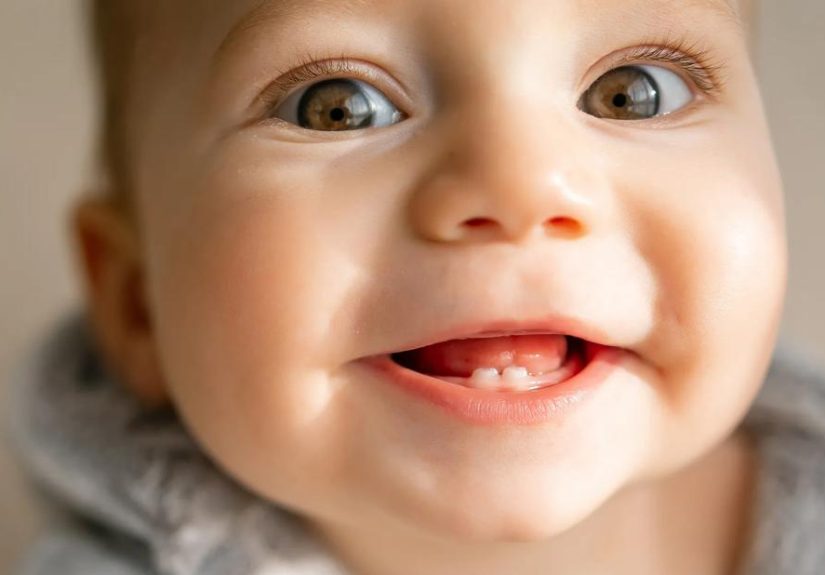
New parents notice everything. The tiny yawn. The dramatic sneeze. The suspiciously judgmental stare from someone who cannot yet hold up their own head. And somewhere in that adorable chaos comes a surprisingly common question: When do babies’ eyes change color?
The short answer is this: many babies’ eyes can change color during the first several months of life, and the final shade often becomes clearer sometime between 6 and 12 months. In some cases, subtle changes may continue a bit longer. So yes, the blue-gray eyes you see in those early newborn photos may stick around, or they may slowly deepen into hazel, green, or brown. Baby genetics, as usual, enjoy keeping everyone humble.
This guide explains why baby eye color changes, how long it usually takes, what influences the final shade, and when eye appearance may signal something that deserves a pediatrician’s attention. If you have been zooming in on baby photos like a detective in a crime show, you are in good company.
Why Do Babies’ Eyes Change Color in the First Place?
The main reason babies’ eyes change color is melanin, the pigment that gives color to the iris, as well as skin and hair. At birth, some babies have not yet produced their full amount of iris pigment. That means the eyes can appear lighter in the newborn stage, especially under bright light, flash photography, or against that tiny hospital beanie that somehow makes every newborn look like they are preparing for a very cozy expedition.
As babies grow and are exposed to light, melanocytes in the iris continue producing melanin. More melanin usually means a darker eye color. Less melanin usually means a lighter eye color. This is why some babies who start out with blue or gray-looking eyes may later develop green, hazel, or brown eyes.
That said, not every baby experiences a dramatic transformation. Some are born with brown eyes that stay brown. Others are born with blue eyes that remain blue. Eye color change is common, but it is not guaranteed.
When Do Babies’ Eyes Change Color?
Birth to 3 Months: The “Too Early to Call It” Stage
During the newborn stage, a baby’s eyes may look blue, slate gray, or smoky gray-blue. This does not necessarily mean that blue will be the final color. In the earliest weeks, pigmentation is still developing, and newborn eye color can look especially light before melanin production increases.
This is the stage where grandparents confidently announce, “Those are definitely blue eyes,” while science quietly clears its throat in the background.
3 to 6 Months: The Plot Thickens
This is often when parents begin noticing the first real changes. The eyes may deepen, become less icy in tone, or start showing hints of green, hazel, or brown. If a baby’s eyes are going to darken, this window is a very common time for it to happen.
Some babies go through a phase where the color looks difficult to describe. It may seem blue one day, gray the next, and “I guess… sort of olive-ish?” on a sunny afternoon. That is normal. Eye color can look different depending on lighting, clothing color, camera flash, and how much melanin is still developing.
6 to 12 Months: Color Becomes More Stable
For many infants, eye color starts settling by the second half of the first year. Around this time, the final shade often becomes easier to predict. If the eyes are still light after about 6 months, they may stay that way, though some subtle changes can continue through the first birthday.
In practical terms, if you are building a baby book and trying to label eye color, this is a more reliable stage than those first few weeks when everyone is guessing based on vibes and wishful thinking.
After 12 Months: Usually Minor Changes, Not Major Surprises
Most eye color changes have slowed significantly by age 1. Some children may still have very subtle shifts after that, but large, dramatic changes are less common. By toddlerhood, eye color is usually close to its long-term shade.
So if your baby’s eyes were still evolving during the first year, that is normal. If a healthy toddler suddenly develops a major eye color change later on, that is different and worth asking a doctor about.
Do All Babies’ Eyes Change Color?
No. Some babies’ eyes do not change much at all.
Babies born with brown eyes often keep brown eyes because enough melanin is already present from the start. The shade may still deepen slightly, but the overall color usually does not swing wildly into another category.
Babies born with blue or gray eyes are more likely to experience a noticeable change. That is because lighter newborn eyes may darken over time as melanin production continues.
But “more likely” is not the same as “always.” Some babies really do show up with blue eyes and keep them. Genetics loves exceptions almost as much as toddlers love removing one sock and pretending that is a full outfit.
What Determines a Baby’s Final Eye Color?
Genetics Matter, But Not in a Simple One-Box Chart Kind of Way
Many people learned an overly simplified version of eye-color inheritance in school, where brown is dominant, blue is recessive, and everything looks neat enough to fit into a tiny square diagram. Real life is more complicated.
Eye color is influenced by multiple genes, not just one. Those genes affect how much melanin is produced, how it is distributed in the iris, and how light scatters through the eye. That is why two brown-eyed parents can sometimes have a lighter-eyed child, and why siblings can have different eye colors even though they share the same parents.
In other words, eye color genetics is less like a coin toss and more like a very tiny orchestra performing a complicated piece without consulting the audience first.
Family Traits Can Offer Clues
Looking at parents, siblings, and grandparents may offer some hints, but no one can predict eye color with complete certainty in the newborn period. Family history can suggest a range of possibilities, not a guaranteed result.
If both sides of the family have a strong pattern of brown eyes, brown is more likely. If there is a mix of blue, green, hazel, and brown across the family tree, more outcomes are possible. Baby DNA enjoys suspense.
Can You Predict Eye Color at Birth?
Not reliably. Newborn eye color can be misleading, especially when the eyes are still developing pigment. That is why pediatric experts generally avoid making firm predictions too early. A baby may appear to have bright blue eyes at two weeks old and look quite different several months later.
If you want the most honest answer, it is this: you can make a fun guess, but you should not make a formal announcement with confetti.
Common Eye Colors Babies May End Up With
Brown
Brown eyes are the most common worldwide. They contain more melanin, which is why they often look deeper and darker.
Blue
Blue eyes contain less melanin. Their appearance is related not just to pigment but also to the way light scatters in the iris.
Hazel
Hazel eyes can look greenish-brown, gold, or a shifting mix depending on lighting. They are the mood ring of the eye world.
Green
Green eyes are less common and usually involve a lower melanin level than brown eyes, along with how light interacts with the iris.
Gray
Gray eyes are uncommon and can sometimes be confused with blue in certain lighting.
When Should Parents Be Concerned?
Normal eye color change is usually gradual and happens during infancy. But some eye-related changes are not the same thing as healthy pigment development.
You should contact a pediatrician or eye specialist if you notice:
- A white reflection in the pupil in photos or in person
- Eyes that stay crossed or misaligned beyond early infancy
- Cloudiness in the eye
- Persistent redness, swelling, or discharge
- Yellowing of the whites of the eyes, which may relate to jaundice
- A sudden major color difference in one eye or a later-life color change that seems abrupt
Most baby eye color changes are harmless. Still, it is smart to know the difference between “normal pigment development” and “this deserves a medical opinion.” When in doubt, ask. Pediatricians are used to questions far stranger than “Why did my baby’s eyes look navy on Tuesday and forest green on Thursday?”
Do Lighting and Photos Make Eye Color Look Different?
Absolutely. Lighting can make baby eyes look dramatically different from one moment to the next. Natural daylight, warm indoor lighting, camera flash, and clothing color can all change how the iris appears. A pair of eyes that looks blue in the stroller may look gray during bath time and almost hazel in a close-up photo.
This is one reason parents sometimes feel confused about whether the color is truly changing. Sometimes it is. Sometimes the nursery lamp deserves half the credit.
Does Eye Color Affect Vision?
Not in the way many people assume. Having blue, brown, green, or hazel eyes does not automatically mean a baby sees better or worse. Eye color itself is usually just a pigment trait. What matters more is whether the eyes are developing normally, tracking well, and showing no signs of disease or structural problems.
Routine well-child visits include eye checks because vision development matters much more than whether the family group chat has agreed on “blue-gray” versus “storm cloud.”
Parent Questions About Baby Eye Color
If My Baby Has Brown Eyes at Birth, Will They Stay Brown?
Usually, yes. Brown eyes at birth are more likely to remain brown, though the shade may deepen a little over time.
If My Baby Has Blue Eyes at Birth, Will They Stay Blue?
Maybe. Some babies keep blue eyes, and some do not. The final answer often becomes clearer over the first 6 to 12 months.
Can One Eye Be a Different Color?
Yes, but a noticeable difference in color between eyes should be mentioned to a doctor, especially if it is new, striking, or associated with other symptoms.
Can Eye Color Change After Infancy?
Subtle changes can happen early in childhood, but major changes after infancy are less typical and may need medical evaluation.
Experiences Parents Commonly Have While Waiting for Baby Eye Color to Settle
One of the most relatable experiences for new parents is realizing that baby eye color seems to change depending on who is holding the baby and what room they are standing in. In the morning by a sunny window, the eyes look bright blue. Under warm kitchen lights, they suddenly seem gray. In a stroller selfie, they look almost green. This can make parents feel as though they are documenting a shape-shifting tiny person, when in reality they are seeing a mix of developing pigment and changing light.
Many parents also talk about the running commentary from family members. One grandparent says, “Those are definitely your eyes.” Another says, “Nope, they are exactly like Uncle Mike’s.” A friend declares the baby has hazel eyes at six weeks old with the confidence of a seasoned jeweler inspecting rare gemstones. Meanwhile, the baby is mostly interested in staring at a ceiling fan like it is the greatest artistic achievement in human history.
Another common experience is comparing old photos month by month. Parents often notice that the eyes in newborn pictures look softer, smokier, or more blue-gray than they do later. By four or five months, many say the eyes look richer or warmer. Some babies develop brown around the pupil first. Others seem to lose that icy newborn tone and settle into a deeper blue. These subtle changes can be surprisingly emotional because they remind parents how quickly infancy moves. The same baby, the same sweet face, and yet somehow a whole new expression appears as the features become more defined.
For parents whose babies keep their original eye color, there is often a different kind of amusement. They spend months waiting for a dramatic reveal that never comes. The eye color stays exactly the same, and the family realizes they have turned a completely stable trait into a long-running reality show. Still, those months of wondering are part of the fun. Babyhood is full of little mysteries, and eye color is one of the most harmless and fascinating ones.
Some parents feel anxious when they notice asymmetry, eye wandering, or an unusual reflection in photos. That emotional response is understandable. Babies change quickly, and it is not always easy to know what is normal. In those moments, reassurance from a pediatrician matters. Sometimes the answer is simply, “Yes, that can happen in early infancy.” Other times, checking early helps catch an eye issue when treatment is most effective. Either way, asking is the right move.
In the end, the experience of watching a baby’s eyes change is about more than color. It is one of those tiny, ordinary miracles that make early parenthood so memorable. You are not just waiting to see whether the eyes turn blue, brown, hazel, or green. You are watching a brand-new person come into focus, one blink, one photo, and one beautifully overanalyzed nursery conversation at a time.
Conclusion
So, when do babies’ eyes change color? For many infants, the biggest shifts happen in the first 6 to 12 months, with especially noticeable changes often appearing between 3 and 9 months. The reason is ongoing melanin development in the iris. Some babies keep the eye color they appear to have at birth, while others gradually develop a darker or more defined shade over time.
The healthiest approach is simple: enjoy the mystery, take the photos, and keep an eye out for anything that looks unusual beyond normal color development. Baby eye color can be unpredictable, but expert guidance is always available if something seems off. Until then, feel free to marvel at those ever-changing eyes and pretend your baby is making dramatic artistic choices.