Table of Contents >> Show >> Hide
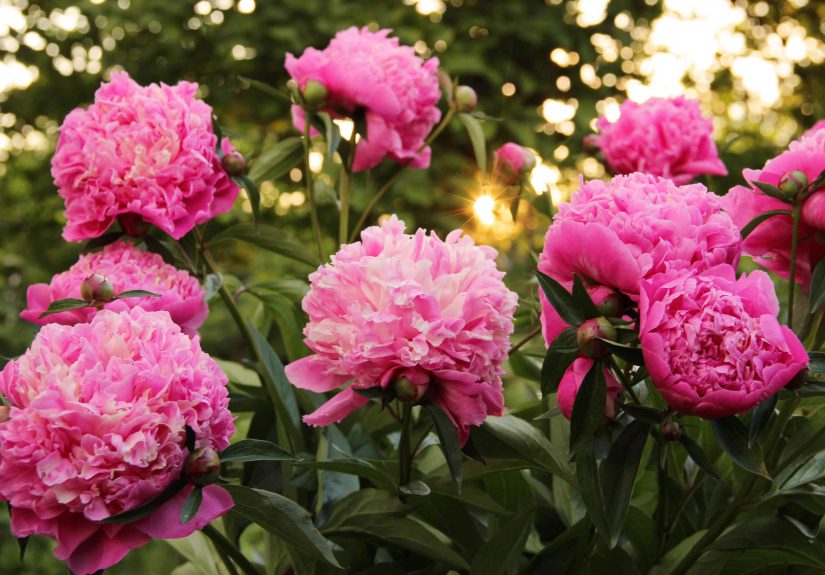
Peonies are the drama queens of the perennial border, but in the best possible way. They show up in late spring with huge, fragrant blooms, make your garden look more expensive than it really is, and then stick around for decades if you treat them right. The catch? They are not difficult, exactly, but they are particular. Peonies do not want guesswork, rushed planting, or a gardener who believes “close enough” is a valid measurement for planting depth.
If you have been wondering when to plant peony bulbs and how to grow them successfully, here is the first thing to know: peony “bulbs” are usually sold as bare roots or tubers with visible buds, often called eyes. Garden centers and online shops may use the word bulbs because it is familiar, but peonies are not true bulbs like tulips or daffodils. That tiny detail matters because peonies are planted differently, grow differently, and absolutely hold grudges if they are buried too deeply.
The good news is that once you understand the timing and a few core care rules, peonies are wonderfully low-maintenance plants. They can live for many years, often becoming the kind of garden feature people point to and say, “That plant has been here forever,” which is both flattering and slightly spooky.
When to Plant Peony Bulbs
The best time to plant peony bulbs, or more accurately peony roots, is fall. In most parts of the United States, that means planting from September through November, depending on your climate. The goal is to get the roots in the ground while the soil is still workable and warm enough to encourage root growth, but before the ground freezes hard.
For many gardeners, the sweet spot is roughly about a month to six weeks before a hard ground freeze. In colder northern climates, that often means September to October. In milder regions, October into early November can work well. Fall planting gives peonies time to settle in, start rooting, and head into winter where they naturally want to be: cool, dormant, and plotting next spring’s entrance.
Why fall planting works best
Peonies are built for a cool-season start. Fall planting lines up with their natural growth cycle, especially for bare-root divisions. Instead of spending energy pushing top growth during warm weather, the plant can focus on developing roots. That usually leads to better establishment and stronger performance later.
Spring planting is possible, especially if you bought a potted peony on impulse and are now pretending it was a strategic decision. But spring-planted peonies often lag behind. They may survive just fine, yet they are more likely to bloom later, bloom less, or spend a season sulking before they get going.
A quick regional planting guide
- Cold and northern climates: Aim for September to early October.
- Moderate climates: Plant in October.
- Milder southern climates: Late October to early November is usually better.
If your winters are very mild, peonies can be trickier because many types need a decent chill period to perform well. In warmer areas, gardeners often have better luck with low-chill selections and slightly shallower planting.
How to Plant Peony Roots the Right Way
Before we get to the five most important growing tips, it helps to understand the planting basics. Peonies reward precision, not brute force.
Choose healthy roots
Look for firm, healthy bare roots with several visible eyes. A strong division usually has three to five buds and solid roots attached. Soft, mushy, or rotten pieces are a hard pass.
Dig a generous planting hole
Peonies are long-term tenants, so give them a good start. Work the soil deeply and mix in compost or other organic matter if your soil needs improvement. The goal is loose, fertile, well-drained soil, not a soggy pit that becomes a winter spa for root rot.
Set the eyes at the correct depth
This is the make-or-break step. For most herbaceous peonies, the eyes should sit only 1 to 2 inches below the soil surface. In warmer climates, staying closer to the shallow end is often best. If you plant them too deep, the plant may grow leaves but refuse to flower, which is a little like buying concert tickets and then getting only the soundcheck.
If you are planting a tree peony, that is different. The graft is usually planted deeper, often around 4 to 5 inches below the soil surface, so the upper portion can eventually form its own roots.
Water well after planting
Once planted, water thoroughly to settle the soil around the roots. After that, keep moisture steady while the plant establishes, especially if fall is dry.
5 Tips for Growing Peonies Successfully
1. Plant them shallowly, not deeply
If peonies had a personal motto, it would probably be: “Not too deep.” This is the most common reason peonies fail to bloom. When gardeners plant the eyes more than 2 inches below the surface, the plant often produces foliage but few or no flowers.
That is why careful planting matters more with peonies than with many other perennials. Resist the urge to “protect” the roots by burying them deeper. They do not want that kind of help.
2. Give them full sun and good air circulation
Peonies bloom best in full sun, which generally means at least six hours of direct light each day. In hotter climates, a little afternoon shade can be helpful, but too much shade usually leads to fewer flowers and weaker stems.
Airflow matters too. Crowded beds, tight corners near walls, and spots under thirsty trees can all make peonies less happy. Good circulation helps reduce fungal issues and keeps foliage healthier through the season.
If your peony is leafy but stingy with blooms, check two things first: planting depth and sunlight. Those are the usual suspects.
3. Focus on drainage and soil preparation
Peonies like moisture, but they do not want wet feet. Poor drainage can lead to rot, disease, and general misery. If your soil is heavy clay, amend it with organic matter and consider a raised bed or slightly elevated planting area. If your soil is very sandy, add compost to help it hold moisture and nutrients more evenly.
A peony is one of those plants that makes site preparation worth the trouble. Since it may stay in the same place for years, the planting bed is not just a first impression. It is the entire relationship.
4. Water consistently, but feed lightly
Newly planted peonies need regular moisture while establishing, especially during dry spells. Mature peonies are more tolerant, but they still benefit from watering during extended drought.
Fertilizer is where many gardeners overdo it. Peonies do not need heavy feeding, and too much nitrogen can encourage lush foliage at the expense of flowers. A light feeding in spring or a modest topdressing of compost is usually enough for established plants. Think “steady and reasonable,” not “protein shake for flowers.”
Also skip late-season fertilizing. You want the plant to wind down naturally, not start a last-minute burst of soft growth.
5. Be patient, and do not move them unless necessary
Peonies are not instant-gratification plants. A newly planted or recently divided peony may not bloom well the first year. Sometimes it takes a couple of seasons before the display really ramps up. By the third year, many gardeners start seeing the payoff.
That delay is normal. It does not mean you failed. It means the plant is settling in and building a strong root system. Peonies also prefer to stay put. Once you find a good location, let them establish there rather than shifting them around the garden every time a new landscaping idea appears at 10:30 p.m.
Bonus Care Tips That Make a Big Difference
Support heavy blooms if needed
Some peony varieties, especially full double forms, produce large blossoms that can flop after rain. Plant supports or peony rings placed early in the season can keep stems upright without making the bed look like it is wearing orthopedic hardware.
Deadhead spent flowers
After blooming, remove faded flowers so the plant does not waste energy making seed. Cut the stem back to a strong leaf. Leave the foliage in place through the growing season because it continues to feed the roots.
Clean up in fall
For herbaceous peonies, cut back dead foliage after a hard frost. Remove diseased debris rather than composting it if fungal problems were present. Good cleanup can help reduce issues such as botrytis, which shows up more readily in cool, wet conditions.
If you are growing tree peonies, do not cut them down like herbaceous types. Their woody stems carry future flower buds.
Do not panic about ants
Ants on peony buds are a classic garden mystery that is less mysterious than it looks. In most cases, ants are simply attracted to sugary secretions on the buds. They are not required for the flowers to open, but they are also not usually harming the plant. So no need for a tiny eviction notice.
Common Mistakes to Avoid
- Planting the eyes too deep
- Choosing a soggy site
- Growing peonies in too much shade
- Overfeeding with high-nitrogen fertilizer
- Dividing or moving plants too often
- Expecting big blooms immediately after planting or transplanting
- Leaving diseased foliage in the garden over winter
What to Expect After Planting
In the first year, your peony may focus more on roots than flowers. That is normal. In the second year, you may get more stems and a few stronger blooms. By the third year and beyond, a happy peony starts showing why gardeners are so loyal to it.
Once established, peonies can become one of the easiest stars in the garden. They return every year, tolerate cold winters well, and create the kind of late-spring display that makes neighbors lean over the fence and suddenly become very interested in your gardening methods.
Real-World Gardening Experiences with Peonies
One of the most common peony experiences starts with enthusiasm and ends with a lesson in patience. A gardener buys a gorgeous bare root in fall, plants it carefully, and spends the entire winter imagining giant blooms by spring. Then spring arrives, and the plant produces a few leaves, maybe one shy bud, and absolutely none of the floral fireworks that were promised in the catalog. This is usually the moment peonies teach their first rule: they are long-game plants. They spend early seasons building strength below ground, and when they are ready, they repay the wait in a big way.
Another very real experience is the heartbreak of planting too deep. Many gardeners improve a bed, dig a beautiful hole, tuck the root in, and then cover it with just a little extra soil “for protection.” A year later, they have healthy foliage but no flowers. After a bit of research and mild emotional processing, they realize the eyes were buried too far down. Replanting at the proper shallow depth often solves the issue, but it also becomes one of those garden stories people retell every time a friend says, “My peony has never bloomed.”
Sunlight is another recurring lesson. Plenty of peonies survive in partial shade, especially if they get bright morning light, but survival and outstanding flowering are not the same thing. Gardeners often notice that a peony planted too close to a shrub border or under the edge of a tree canopy grows reasonably well yet blooms sparsely. Once moved to a brighter site, the same plant can look completely transformed after it re-establishes. It is a useful reminder that peonies are not especially needy, but they are very honest. Give them what they like, and they respond clearly.
Then there is the classic first encounter with ants. A gardener sees the buds covered in ants and assumes disaster is unfolding. In reality, the buds are often just sticky with sweet secretions, and the ants are there for the snack bar. This turns into one of the most reassuring peony experiences because it teaches a broader garden truth: not every insect on a plant is a villain.
Experienced peony growers also talk a lot about how attached people become to mature plants. A well-established peony often outlasts design trends, patio furniture, and sometimes even the gardener’s original landscape plan. Families divide them and pass them along. Neighbors share them. Gardeners remember where a peony came from, who gave it to them, and what year it finally bloomed like it meant business. That emotional side of peony growing is part of the appeal. These plants are not just seasonal color. They become part of the story of a garden.
In practical terms, the best peony experiences usually come from gardeners who stop trying to outsmart the plant. They choose a sunny site, plant at the right depth, improve drainage, water during dry spells, and then let time do its thing. Peonies do not reward fussing nearly as much as they reward sound setup and steady care. Once that clicks, growing them feels much less mysterious and a lot more satisfying.
Final Thoughts
If you remember only one thing from this guide, make it this: plant peony roots in fall and keep the eyes shallow. That single combination solves a remarkable number of future problems. Add sun, drainage, and patience, and you are well on your way to growing peonies that return year after year with bigger, better blooms.
They may not be the fastest plants in the garden, but they are among the most rewarding. And once your first established peony opens in late spring, you will understand why gardeners keep making room for just one more.