Table of Contents >> Show >> Hide
- Quick refresher: what makes white pepper different?
- A simple decision rule
- Best pantry substitutes for white pepper
- 1) Black pepper (ground or freshly cracked)
- 2) Peppercorn blend (a “pepper medley” grinder)
- 3) Ground ginger + a pinch of nutmeg (the “warmth” combo)
- 4) Ground mustard (mustard powder)
- 5) Cayenne (or crushed red pepper) use with a feather, not a shovel
- 6) Garlic powder + black pepper (the “savory shortcut”)
- 7) Green peppercorns (if you have them)
- 8) Coriander + black pepper (the “citrusy pepper” effect)
- Substitution cheat sheet
- Dish-by-dish: what works best?
- When you should be cautious with substitutions
- How to make your substitute taste better (tiny tricks, big payoff)
- Conclusion
- Kitchen Stories & Practical Experiences (Bonus: 500+ Words)
You’re halfway through cooking something creamy, cozy, and suspiciously fancy (hello, mashed potatoes with “vibes”),
when the recipe hits you with: white pepper. Not black pepper. Not “pepper.” Specifically white pepper.
And suddenly you’re staring into your spice cabinet like it owes you rent.
Good news: you can absolutely keep cooking. White pepper is helpful, not magical. It has a distinct personalityearthy,
a little musky, and often used when cooks want pepper’s bite without pepper’s black specks in pale dishes. But in most
everyday recipes, you can swap it out with what you already have on hand and still end up with something delicious.
The key is picking the right substitute for your dish: color, aroma, heat level, and the role pepper plays in the recipe.
Quick refresher: what makes white pepper different?
White pepper and black pepper come from the same plant (peppercorns from Piper nigrum), but they’re processed differently.
Black pepper keeps its outer skin; white pepper is the inner seed with the outer layer removed. That processing changes the flavor:
black pepper tends to taste brighter and more aromatic; white pepper often reads more earthy, funky/musky, and “rounded.”
It’s also popular in light-colored sauces, soups, and some Asian dishes where a subtler pepper presence is desired.
A simple decision rule
- If color doesn’t matter: use black pepper (ideally freshly ground).
- If color matters (creamy or pale foods): use a gentler swap that won’t add dark specks (or use less black pepper).
- If white pepper is a main flavor (not just background): use a blend (ginger + nutmeg, or black pepper + warm spices) and taste as you go.
Best pantry substitutes for white pepper
Below are options you can mix-and-match depending on what you’re cooking. For each one, you’ll see where it shines,
where it can get weird, and how to use it without turning your dinner into a science fair project.
1) Black pepper (ground or freshly cracked)
Best for: almost everythingespecially when pepper is a supporting actor, not the star.
Watch out for: black specks in pale sauces, and a sharper aroma that can feel “louder” than white pepper.
Black pepper is the closest swap because it’s the same family and provides the same core peppery heat. The main difference is
personality: black pepper often tastes more bright and piney, while white pepper leans earthy and musky. In a stew, chili, roast,
or stir-fry, nobody’s calling the pepper police. In a white sauce, the specks may be visiblebut your taste buds won’t file a complaint.
How much to use: Start with about half the amount of white pepper called for, then adjust to taste.
(Black pepper can feel more aromatic and assertive, especially if freshly ground.)
2) Peppercorn blend (a “pepper medley” grinder)
Best for: sauces, vinaigrettes, roasted veggies, eggs, and anything that benefits from layered pepper flavor.
Watch out for: blends that include pink peppercorns (fruity, slightly sweet) or other add-ins that change the dish’s vibe.
If you’ve got one of those rainbow pepper blends in a grinder, it can work nicely as a substitute when you want complexity.
The flavor might be slightly floral or fruity compared to straight white pepperbut that’s often a win in salad dressings,
fish, chicken, and creamy soups.
3) Ground ginger + a pinch of nutmeg (the “warmth” combo)
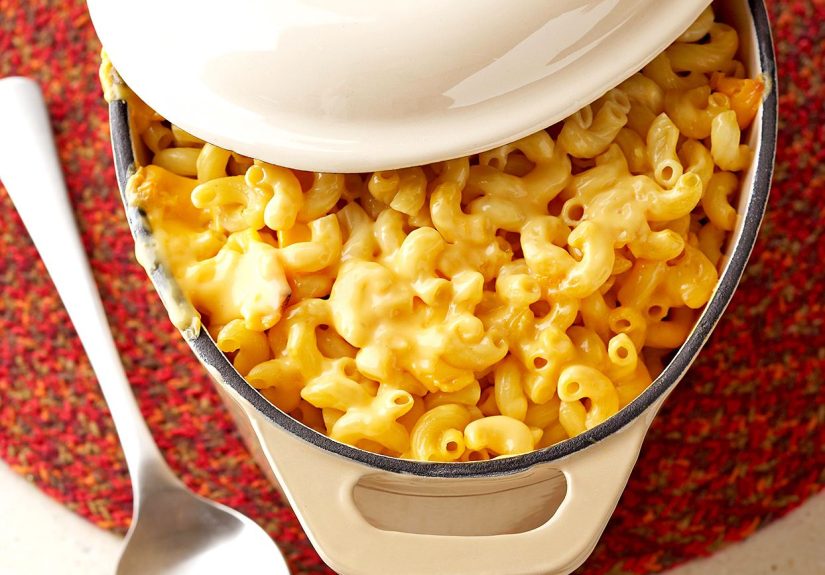
Best for: béchamel, creamy soups, mashed potatoes, mac and cheese, chicken pot pie filling, and casseroles.
Watch out for: going heavy on nutmegtoo much turns “cozy” into “candle aisle.”
This combo doesn’t taste exactly like white pepper, but it mimics what many people use white pepper for in creamy dishes:
a gentle background warmth that plays well with dairy. Ginger adds a peppery lift; nutmeg adds roundness.
How much to use: For every 1/4 teaspoon white pepper, try
1/8 teaspoon ginger + a tiny pinch of nutmeg. Taste, then scale up carefully.
4) Ground mustard (mustard powder)
Best for: cheese sauces, deviled eggs, potato salad, coleslaw dressings, and creamy soups.
Watch out for: mustard’s “nose heat” can hit differently than pepper heat.
Mustard powder brings a clean, sharp heat that can replace pepper’s bite in sauces and dressingsespecially where tangy notes already exist.
It’s surprisingly good in mac and cheese and creamy chicken dishes, where a little zip keeps things from tasting flat.
How much to use: Start with 1:1 by volume, but taste early. Mustard heat can build.
5) Cayenne (or crushed red pepper) use with a feather, not a shovel
Best for: dishes that can handle heat: spicy soups, ramen, Cajun/Creole flavors, roasted vegetables, and marinades.
Watch out for: cayenne is much hotter than pepperthis is not a casual swap.
If the recipe needs heat more than it needs pepper flavor, cayenne can do the job. But it’s the kind of substitute that
changes the dish’s personality. Great when you want it. Awkward when you don’t.
How much to use: Start with 1/8 of the amount of white pepper called for. Yes, really.
6) Garlic powder + black pepper (the “savory shortcut”)
Best for: savory soups, meat rubs, roasted vegetables, and quick weeknight cooking.
Watch out for: garlic shifts the flavor profiledelicious, but different.
White pepper sometimes shows up in recipes as a gentle background spice. If you just need something savory and peppery,
a tiny blend of garlic powder and black pepper can scratch that itch. This is especially useful in soups, gravies,
and seasoning mixes.
7) Green peppercorns (if you have them)
Best for: cream sauces, pan sauces for chicken or pork, and dishes where you want pepper flavor without harsh bite.
Watch out for: brined green peppercorns add a tangy, herbal note; dried ones are different.
Green peppercorns can be bright and slightly fruityless “sharp” than black pepper and often more gentle than white pepper.
If your pantry happens to include them, they can be a classy swap in pale sauces where you want pepper presence without heavy speckling.
8) Coriander + black pepper (the “citrusy pepper” effect)
Best for: Asian-inspired dishes, stir-fries, noodle soups, and anything that benefits from a citrusy lift.
Watch out for: coriander is aromaticuse it to complement, not to perfume.
This combo is often suggested as a stand-in for the citrusy “peppery” effect people chase in some cuisines. It won’t replicate
white pepper’s musky note, but it can create a pleasant pepper-like complexityespecially in broths and quick stir-fries.
How much to use: Try 2 parts black pepper + 1 part ground coriander, then adjust.
Substitution cheat sheet
Use this as a starting point, then taste and tweak. Pepper is one of those ingredients that politely waits until the end
to reveal you’ve used too much.
| White Pepper Called For | Substitute | Starting Amount | Best Uses |
|---|---|---|---|
| 1 tsp | Black pepper | 1/2 tsp, then adjust | Most dishes; avoid specks in pale foods |
| 1/4 tsp | Ginger + nutmeg | 1/8 tsp ginger + pinch nutmeg | Cream sauces, soups, mac and cheese |
| 1/2 tsp | Mustard powder | 1/2 tsp (taste early) | Cheese sauces, dressings, potato salad |
| 1 tsp | Cayenne | 1/8 tsp (or less) | Spicy soups, Cajun/Creole, heat-forward dishes |
| 1/2 tsp | Pepper blend | 1/2 tsp (or a few grinder turns) | Eggs, veggies, sauces, vinaigrettes |
Dish-by-dish: what works best?
Creamy soups and chowders
If the soup is pale (think potato leek, clam chowder, cream of mushroom), white pepper is often used so the broth looks smooth.
Your best swaps are: black pepper (use less), ginger + nutmeg, or green peppercorns.
For example, in a potato soup, try a small pinch of ginger and a few turns of black pepper at the end. You’ll get warmth without
turning the soup into a speckled sweater.
Mashed potatoes and creamy sides
Mashed potatoes are where white pepper loves to show off. If you’re out, you can still win:
use black pepper if you don’t care about appearance, or use ginger + a whisper of nutmeg for a clean look.
Another trick: add pepper at the end and taste in small stepspotatoes can absorb seasoning like it’s their hobby.
Asian-style broths, ramen, fried rice, and stir-fries
In many Asian dishes, white pepper contributes a particular “peppery warmth” that’s less about bright aroma and more about depth.
For broths and fried rice, try black pepper (a little less) plus a pinch of ground ginger.
For stir-fries, black pepper alone is usually fine, especially if soy sauce, garlic, and aromatics are already in play.
Meat rubs, marinades, and roasted vegetables
Color usually doesn’t matter here, so go with black pepper or a pepper blend. If the rub already includes
garlic powder, paprika, onion powder, or cayenne, you can also simply increase one of those slightly to compensate.
This is the spice-cabinet version of “move on with your life,” and it’s beautiful.
White sauces (béchamel, Alfredo-ish sauces, gravy)
For a classic béchamel: ginger + nutmeg is the smoothest substitute that keeps the sauce looking clean.
If you don’t mind specks, use a smaller amount of black pepper and taste as you go. Finish with a tiny pinch of salt
(salt helps pepper read “peppery” instead of “dusty”).
When you should be cautious with substitutions
- When white pepper is a signature flavor: If the dish uses a lot of it, the swap will be more noticeable. Use blended substitutes and taste frequently.
- When appearance matters: Pale soups, sauces, and mashed potatoes may look different with black pepper.
- When heat needs to stay gentle: Avoid cayenne unless the dish is meant to be spicy.
How to make your substitute taste better (tiny tricks, big payoff)
Taste lateand in layers
Pepper changes as it cooks. Add a little during cooking for background flavor, then add a little at the end for aroma.
This matters even more when substituting, because you’re balancing a different spice personality.
Use freshly ground if you can
Whole peppercorns hold onto flavor longer than pre-ground pepper, which loses aroma as its volatile oils fade.
If you’ve got a grinder, this is the moment to feel smug about it.
Match the substitute to the “job”
Ask what white pepper is doing in the recipe:
Is it there for heat? Use black pepper (or a tiny bit of cayenne).
Is it there for warmth in dairy? Use ginger + nutmeg.
Is it there to keep things pale and smooth-looking? Use less black pepper or choose a paler substitute.
Conclusion
Running out of white pepper isn’t a cooking emergencyit’s a creativity prompt. The best substitute depends on what you’re cooking:
black pepper for most savory dishes, ginger + nutmeg for creamy comfort foods, mustard powder for sauces and dressings,
and cayenne only when you actually want the heat. Start small, taste as you go, and remember: no one has ever said,
“This is delicious, but I suspect you used the wrong pepper in the third act.”
Kitchen Stories & Practical Experiences (Bonus: 500+ Words)
Here’s the funny thing about white pepper: most people don’t notice it until it’s missingkind of like the one sock that
disappears in the dryer, except this one is in your soup. Over time, home cooks tend to develop a few “emergency moves”
that save dinner without requiring a special grocery run. These aren’t fancy; they’re realistic. And they work.
The “speckled chowder” moment
A classic scenario: you’re making a creamy souppotato leek, clam chowder, cream of chickensomething that looks like a warm hug.
The recipe calls for white pepper because it keeps the soup looking smooth and pale. But you only have black pepper.
Many cooks try to match the measurement exactly and end up with a soup that tastes fine… but looks like it’s wearing a
polka-dot outfit. The simple fix is psychological and practical: use less black pepper during cooking,
then add a touch at the end. The aroma pops, the flavor is balanced, and the soup doesn’t look like a snow globe.
Mashed potatoes and the “warmth swap”
Mashed potatoes are where people often notice the difference between pepper typesespecially if they grew up with white pepper in
holiday cooking. When white pepper is missing, a surprisingly reliable move is the ginger + nutmeg combo.
You’re not trying to trick anyone into thinking it’s white pepper. You’re recreating the effect: gentle warmth in dairy.
The experience many cooks report is that this swap makes mashed potatoes taste “restaurant-y,” because nutmeg is a classic
background note in creamy sauces. The important part is restraint. Nutmeg should be a suggestion, not a monologue.
Fried rice: when black pepper is actually better
White pepper is common in certain fried rice and noodle dishes, but black pepper can sometimes be the better choice,
especially if your fried rice is already loaded with garlic, scallions, soy sauce, and a little sesame oil.
The brighter aroma of black pepper plays nicely with those bold flavors. A practical trick is to add black pepper near the end,
not at the beginningso you get fragrance without dulling it through too much heat. Many people discover they prefer this
version and stop worrying about the “correct” pepper altogether.
The mac and cheese rescue
Creamy cheese sauces often call for white pepper because it blends in visually. If you’re out, you have two common rescue routes:
use black pepper lightly (accepting a few specks), or use mustard powder to bring heat and tang.
In practice, mustard powder can be a glow-up: it makes cheese taste cheesier and keeps the sauce from feeling heavy.
This is why so many mac and cheese recipes include a hint of mustard anyway. The experience here is less “replacement”
and more “alternate universe where your pantry makes you a better cook.”
The “I only have cayenne” lesson
Some people reach for cayenne as a substitute because it’s pepper-shaped in the brain: red powder, spicy reputation.
The first time someone swaps cayenne for white pepper 1:1 is usually the last time they do it. Cayenne brings a sharp,
chili heat that changes the dish’s entire character. But used carefullyjust a pinchit’s a legitimate tool.
The practical experience is learning the difference between pepper heat (warm, aromatic) and
chili heat (sharp, direct). Once you understand that, your substitutions get dramatically better.
The long-term pantry habit that quietly wins
After a few “missing spice” moments, many cooks adopt one habit: keeping whole peppercorns and a grinder on hand.
Whole peppercorns stay flavorful longer, and freshly ground pepper gives you more controlcoarse cracks for steaks,
fine grind for sauces, a light hand for soups. It’s one of those small upgrades that makes everyday cooking easier,
and it reduces the panic when a recipe calls for something specific like white pepper. You might still buy white pepper
later, but you won’t feel stuck without it.