Table of Contents >> Show >> Hide
- First: Crying Isn’t Just “Sadness Leaving the Body”
- Why You Cry When You Talk About Your Feelings: Possible Reasons
- 1) You’re Finally Naming What You’ve Been Carrying
- 2) Your Nervous System Thinks Vulnerability Is a Big Event
- 3) You Grew Up With “Don’t Cry” Rules (Even If Nobody Said It Out Loud)
- 4) You’re Feeling More Than One Emotion at Once
- 5) Past Experiences Are Getting Activated (Even If You’re Not Talking About the Past)
- 6) Anxiety and Overwhelm Can Look Like Tears
- 7) Mood Changes (Depression, Adjustment Stress, Burnout) Can Lower Your “Tear Threshold”
- 8) Hormones, Sleep Deprivation, and Physical Factors Are Not “Cheating”
- 9) You Might Struggle to Identify Feelings (Alexithymia), So Your Body Speaks First
- 10) Rarely: Involuntary Crying Can Be Neurological (Not Emotional)
- How to Handle Crying Mid-Conversation (Without Panicking or Apologizing 17 Times)
- When Crying Might Be a Sign to Get Extra Support
- FAQ: Quick Answers People Google at 2 A.M.
- Conclusion
- Experiences People Commonly Have (500+ Words of Real-Life Flavor)
You sit down to have a totally reasonable, adult conversation about your feelings. You’ve got your points lined up. You’ve got the “calm voice”
ready. And thenplot twistyour eyes start doing that thing where they turn into leaky faucets.
If you’ve ever wondered, “Why do I cry when I talk about my feelings?” you’re not broken, dramatic, or “too sensitive.”
Crying is one of the body’s oldest communication tools. Sometimes it shows up because you’re sad. Sometimes because you’re relieved.
Sometimes because your nervous system is basically shouting, “We are experiencing something!” even when your brain is trying to stay chill.
This article breaks down the most common (and surprisingly normal) reasons crying happens when you open upplus how to handle it in the moment
without stuffing your emotions into a mental junk drawer labeled “Deal With Later.”
First: Crying Isn’t Just “Sadness Leaving the Body”
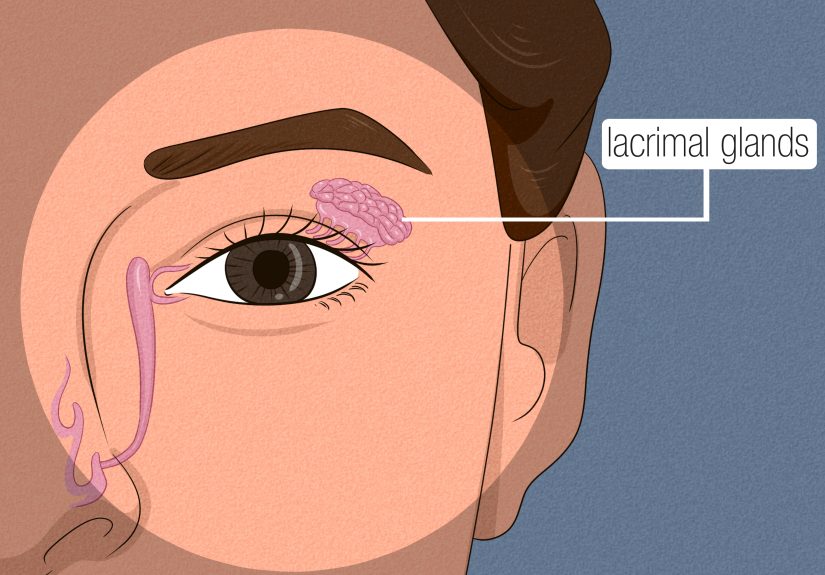
There are different kinds of tears (yes, your body has a whole tear portfolio). Some tears protect your eyes from irritants (hello, onions).
Others lubricate your eyeballs like tiny windshield wipers. And then there are emotional tears, which show up when your inner world
gets loudsadness, anger, overwhelm, joy, nostalgia, embarrassment, you name it.
Emotional crying is closely tied to the nervous system. Big feelings can crank up the body’s “alert” response, and crying can be part of how the body
processes that surge and then returns toward calm. In plain English: tears can be a reset button your body presses without asking your permission.
Why You Cry When You Talk About Your Feelings: Possible Reasons
People often assume crying means “I’m devastated.” But crying during emotional conversations can also mean “I’m finally letting myself be real,”
“I’m overwhelmed,” “I feel exposed,” or “My body is releasing tension I didn’t realize I was carrying.”
1) You’re Finally Naming What You’ve Been Carrying
Talking about feelings can turn a vague internal pressure into actual wordsand that shift alone can be intense. Many people go through daily life
with emotions running in the background like 37 open browser tabs. When you finally click one and read it out loud, your body reacts.
Especially if you’re used to coping by staying busy, being “the strong one,” or intellectualizing everything, speaking emotionally can feel like
stepping into bright light after being indoors all day. Tears may show up because your system is adjusting to honesty in real time.
2) Your Nervous System Thinks Vulnerability Is a Big Event
Even if you’re talking to someone safe, vulnerability can trigger a stress response. Your body may interpret emotional exposure as risk:
“What if they judge me? What if I’m rejected? What if I lose control?”
That doesn’t mean the person in front of you is dangerous. It means your nervous system learnedsomewhere along the waythat emotional openness
can have consequences. Tears can be part of that physiological wave: the surge of activation and the attempt to self-soothe afterward.
3) You Grew Up With “Don’t Cry” Rules (Even If Nobody Said It Out Loud)
Lots of us were traineddirectly or indirectlyto treat crying as embarrassing, weak, manipulative, or “making a scene.” If you absorbed those rules,
then talking about feelings can come with a side of shame, even when you don’t want it to.
Here’s the irony: the more pressure you put on yourself to not cry, the more likely you are to cry. It’s like telling your brain,
“Whatever you do, don’t picture a pink elephant.” Congratulations on your new pink elephant.
4) You’re Feeling More Than One Emotion at Once
Crying often happens during emotional complexity. You might be sad and relieved. Angry and disappointed. Grieving and grateful. Proud and terrified.
When emotions stack up, tears can be the body’s way of expressing what words can’t fully organize yet.
This is common in conversations about relationships, family, identity, or big life changesanything where the emotional math isn’t simple.
If your feelings feel “messy,” tears are sometimes the brain’s messy-but-effective output.
5) Past Experiences Are Getting Activated (Even If You’re Not Talking About the Past)
Emotional conversations can accidentally tap old memories: previous breakups, childhood dynamics, times you weren’t heard, times you had to be
“the mature one,” or moments you felt powerless. You don’t have to consciously remember a specific event for your body to react like it’s happening again.
If your tears feel sudden or confusing, it may be because the conversation touched a familiar emotional nervesomething your system recognizes,
even if your logical brain is saying, “This is fine, actually.”
6) Anxiety and Overwhelm Can Look Like Tears
Anxiety isn’t always panic. Sometimes it’s overstimulation, mental fatigue, or feeling cornered by emotion. When you try to explain how you feel while
your body is already revved up, crying can be the overflow valve.
Some people cry when they’re frustrated because frustration is a “blocked” emotionyour body wants action, resolution, movement. When you’re stuck
talking instead of solving, tears can show up as the body’s protest sign.
7) Mood Changes (Depression, Adjustment Stress, Burnout) Can Lower Your “Tear Threshold”
When you’re depressed, grieving, chronically stressed, or going through a major life transition, the emotional system can get more sensitive.
You might cry more easily because your coping bandwidth is thinnerlike trying to run heavy software on a laptop with 3% battery.
This doesn’t mean you’re weak. It often means your system has been working hard for a long time. Tears may be one of the few pressure releases
still available.
8) Hormones, Sleep Deprivation, and Physical Factors Are Not “Cheating”
Hormones can influence emotional reactivity. So can fatigue. So can hunger. So can being one minor inconvenience away from losing it.
If you’re sleep deprived, your brain is simply worse at emotional regulation. That’s not a moral failure; it’s biology.
Translation: if you tried to have a deep feelings talk at 11:47 p.m. after three nights of bad sleep, your tears are not being dramatic.
They are being predictable.
9) You Might Struggle to Identify Feelings (Alexithymia), So Your Body Speaks First
Some people have a hard time identifying and describing emotions. You might know you feel “off,” “weird,” “bad,” or “intense,” but can’t name it.
In that case, your body may express emotion through physical signalstight chest, stomach drop, racing heart, and yes, tears.
When you start talking about feelings, the pressure of trying to label what’s happening can trigger cryingbecause tears don’t require perfect vocabulary.
They just require emotion.
10) Rarely: Involuntary Crying Can Be Neurological (Not Emotional)
Most crying during feelings-talk is normal. But if you have sudden episodes of uncontrollable crying (or laughing) that don’t match how you feel,
last seconds to minutes, and feel “out of your control,” it could be something like pseudobulbar affect (PBA).
This is typically associated with certain neurological conditions or brain injuries.
If that description fits you, it’s worth talking to a healthcare professional. It’s not about “toughening up.” It’s about getting the right
explanation and support.
How to Handle Crying Mid-Conversation (Without Panicking or Apologizing 17 Times)
Give yourself a script
When tears show up, your brain may go into “Oh no, I’m ruining the moment” mode. A simple script helps:
“I’m okaythis is just my body reacting. I still want to keep talking.”
Slow your exhale (yes, really)
Longer exhales help signal safety. Try inhaling for 3–4 seconds and exhaling for 6–8 seconds. Do a few rounds. You’re not trying to stop emotion;
you’re helping your body stop sprinting.
Stay anchored in the room
If you feel flooded, name five things you can see, four you can feel, three you can hear, two you can smell, one you can taste.
It’s a gentle way to tell your nervous system, “We’re here, not back there.”
Ask for a pause like an adult (you’re allowed)
You can say, “Can we take 60 seconds?” or “Give me a moment to breathe.” Pausing is not failing. Pausing is skill.
Stop treating crying like a courtroom confession
You don’t have to prove your case while crying. You can come back to the details after the wave passes. If words disappear, try:
“The short version is: I feel hurt and I want us to understand each other.”
When Crying Might Be a Sign to Get Extra Support
Crying is normal. But consider reaching out to a professional if any of these are true:
- Crying is frequent and starts interfering with work, relationships, or daily functioning.
- You feel numb most of the time and tears are one of the only emotional outlets you have.
- You’re dealing with trauma symptoms (intrusive memories, hypervigilance, avoidance, sleep problems).
- You suspect depression, severe anxiety, or mood swings that feel unmanageable.
- You have thoughts of harming yourself or feel hopeless.
If you’re in the U.S. and you’re in crisis, you can call or text 988 for the Suicide & Crisis Lifeline.
If you’re outside the U.S., look for your local crisis line or emergency services.
FAQ: Quick Answers People Google at 2 A.M.
Is crying when I talk about my feelings a trauma response?
It can be, but it isn’t always. Trauma can make emotional conversations feel unsafe, even when they’re not, which can trigger a strong body response.
But crying can also come from stress, vulnerability, fatigue, or finally expressing something you’ve held in for years.
Why do I cry when I’m angry?
Anger is activating. If your body learned that anger isn’t “allowed,” tears may show up instead of (or alongside) anger. Also, anger often covers
more vulnerable feelingshurt, fear, disappointmentand crying can be the doorway to those deeper emotions.
How do I stop crying during serious conversations?
Instead of aiming to “stop,” aim to stay present. Use slower breathing, ask for pauses, and practice naming your feelings in low-stakes moments
(journaling, voice notes, therapy). Over time, your body learns that emotional talk is not an emergency.
Is it bad to cry in therapy?
Not at all. Therapy is one of the few places where crying is basically considered valid data. Tears often show that you’re touching something important,
and many people feel lighter afterwardnot because the problem disappears, but because the emotion finally gets room to move.
Could my crying be medical?
Sometimes. Hormonal changes, sleep deprivation, certain medications, neurological conditions, and mood disorders can affect crying frequency.
If crying feels out of proportion, sudden, or disconnected from your mood, talk to a healthcare professional.
Conclusion
If you cry when you talk about your feelings, it usually means your emotional system is workingnot failing. Tears can be a release, a signal,
a nervous-system reset, or a sign that you’re finally giving your inner life a voice. You don’t need to “win” against crying. You can learn to
work with itso you can keep speaking honestly even when your eyes get a little enthusiastic.
Experiences People Commonly Have (500+ Words of Real-Life Flavor)
Because crying during feelings-talk is so common, you’ll hear eerily similar stories from wildly different peopleengineers, teachers, nurses,
new parents, executives, students, and the friend who “never cries” until they absolutely do.
The “I prepared my speech and still cried” experience: Someone might rehearse what they want to say all day. They’re confident.
They open the conversation with, “I just want to share something,” and suddenly their throat tightens. The tears don’t feel like sadness
they feel like a body alarm going off. Often the emotion underneath is fear: fear of being misunderstood, fear of conflict, fear of losing the relationship.
The crying isn’t undermining the message; it’s revealing how much the message matters.
The “I cry when someone is kind to me” experience: Another common one: a partner responds gentlyno anger, no sarcasm, just warmth.
And that’s when the tears hit. Why? Because kindness can be disarming. If you’re used to bracing for criticism, compassion can feel like your body finally
realizing it can unclench. Those tears are often relief, not fragility. It’s the emotional equivalent of taking off shoes that are a size too small.
The “I don’t even know what I’m feeling, but I’m crying anyway” experience: Some people start talking and realize they can’t name the emotion.
They say things like, “I’m not sure why I’m crying,” or “This is so annoyingI’m fine.” That frustration is understandable. But it can also be a clue that
the body is processing faster than the mind can label. In these moments, it helps to describe sensations instead of emotions: “My chest feels tight,”
“My stomach is fluttery,” “I feel pressure behind my eyes.” Often, the feeling becomes clearer once the body stops fighting the tears.
The “I cry when I set boundaries” experience: Telling someone “no,” asking for respect, or explaining a need can trigger tears even when
you’re doing the right thing. Boundaries are emotionally loaded, especially if you learned that asserting yourself leads to rejection or conflict.
People often describe crying as they say, “I need you to…” or “I can’t do that anymore.” Those tears can be grief for the old pattern, fear of the
other person’s reaction, and pride for finally standing up for yourselfall at once.
The “I cry after the conversation, not during” experience: Some folks hold it together in the moment and cry later in the car,
in the shower, or while staring into the fridge like it holds answers. That delayed crying is also normal. During the conversation, adrenaline may keep you
focused. Later, when your system is safe, the emotional processing catches up. It can feel confusing“Why now?”but it’s often your body completing the cycle.
The common thread in all these experiences is this: crying is frequently a sign of emotional honesty meeting nervous-system intensity. You’re not “too much.”
You’re human, with a body that sometimes expresses the truth before your mouth finishes the sentence.