Table of Contents >> Show >> Hide
- First: What Kind of Smell Is It?
- Why Washing Machines Get Smelly
- 1) Moisture + darkness = a five-star resort for mildew
- 2) You’re using too much detergent (most people are)
- 3) Fabric softener buildup is basically scented sludge
- 4) The front-load gasket is a lint-and-water pocket you rarely clean
- 5) Standing water in the drain pump filter (common in front loaders)
- 6) Hard water minerals + soap = buildup
- How to Clean a Smelly Washing Machine (The Do-This-First Plan)
- Safety notes (because your washer doesn’t need a villain origin story)
- Step 1: Run the washer’s cleaning cycle (Clean Washer / Tub Clean / Self Clean)
- Step 2: Clean the rubber gasket and door area (front-load washers)
- Step 3: Remove and scrub the detergent drawer (and the dispenser cavities)
- Step 4: Clean the drain pump filter (front-load washers that have one)
- Step 5: For top-load washers, clean the agitator and rim
- Step 6: Finish with a hot rinse and a “dry out”
- Vinegar, Baking Soda, Bleach, and Tablets: What Works (and When)
- How to Keep Your Washer From Smelling Again (Low-Effort, High-Reward)
- When a Bad Washer Smell Means “Call a Pro”
- Quick FAQ (Because Everyone Googles This at 11:47 PM)
- Experience Corner: Common “Smelly Washer” Scenarios Homeowners Report (and What Fixes Them)
- 1) “My front loader smells fine… until I open the door.”
- 2) “I used washer cleaner tablets and now it smells… weirder.”
- 3) “My top loader smells like sour detergent, not mildew.”
- 4) “It smells like a drain problem, but the clothes are clean.”
- 5) “My washer only smells after washing athletic gear and towels.”
- Conclusion
Your washing machine has exactly one job: make dirty things less gross. So when it starts smelling like a damp basement that
lost a fight with a gym bag, it feels personal. The good news: most washer odors come from a short list of usual suspects
moisture, leftover detergent gunk, and places you don’t normally look (hello, rubber gasket). The even better news: you can
fix it without a chemistry degree or a dramatic speech.
This guide breaks down why washing machines smell, how to identify the type of odor you’re dealing with, and the
most effective ways to clean a smelly washing machinewhether it’s a front loader, top loader, HE model, or that
mysterious “it came with the house” situation.
First: What Kind of Smell Is It?
Before you start dumping things into the drum like you’re auditioning for a cleaning commercial, do a quick sniff test
(yes, this is your life now). Different smells point to different causes.
Musty, mildewy, “wet towel” smell
This is the classic mildew smell in washer. It usually means mold/mildew is growing somewhere dampoften the door
gasket, detergent drawer, or trapped moisture in the tub.
Sour, funky, “old detergent” smell
Often caused by detergent and fabric softener buildup. Ironically, using too much “cleaning stuff” can make your washer stink.
Sewage or rotten drain smell
This can signal a drain/standpipe issue, a poorly seated drain hose, a dry P-trap (for some laundry setups), or gunk in the
drain system. If the smell is strongest near the drain area, don’t ignore it.
Rotten egg smell
Sometimes linked to bacteria in warm, stagnant water or certain water conditions. A thorough hot clean cycle plus addressing standing water areas
(filter, drain path) usually helps. Persistent sulfur smells may be water-supply related.
Burning smell
Pause. A burning odor can mean a mechanical or electrical problem. Stop using the washer and consult your manual or a technician.
This article is about stink, not smoke.
Why Washing Machines Get Smelly
1) Moisture + darkness = a five-star resort for mildew
Washers are wet, warm, and often kept closed between cycles. That’s the dream scenario for mold and mildewespecially in
front-load washers, where the tight seal that prevents leaks also traps moisture.
2) You’re using too much detergent (most people are)
Extra detergent doesn’t mean extra clean. It can leave residue that turns into a sticky film (aka “biofilm”),
which traps odors and feeds bacteria. HE washers especially need HE detergent in the right amount.
3) Fabric softener buildup is basically scented sludge
Fabric softener can coat the inside of the machine and the dispenser system. It smells nice for about five minutes, then it becomes
a waxy layer that holds onto funk like it’s emotionally attached.
4) The front-load gasket is a lint-and-water pocket you rarely clean
That rubber ring around the door (gasket/boot) is notorious for trapping water, lint, hair, and detergent residue.
If your washer smells musty, this is ground zero.
5) Standing water in the drain pump filter (common in front loaders)
Many front-load machines have a drain pump filter that catches debris. If it’s full of lint, coins, and mystery goo,
the water that hangs out there can start to smell… ambitious.
6) Hard water minerals + soap = buildup
Mineral deposits can mix with detergent residue, contributing to grime and odor. If you have hard water, regular maintenance matters more.
How to Clean a Smelly Washing Machine (The Do-This-First Plan)
Safety notes (because your washer doesn’t need a villain origin story)
- Never mix bleach with vinegar (or with hydrogen peroxide). That can create dangerous fumes.
- Use good ventilation. Laundry room doors open, fan on, windows crackedwhatever you’ve got.
- Check your owner’s manual for model-specific guidance, especially for filters and cleaning cycles.
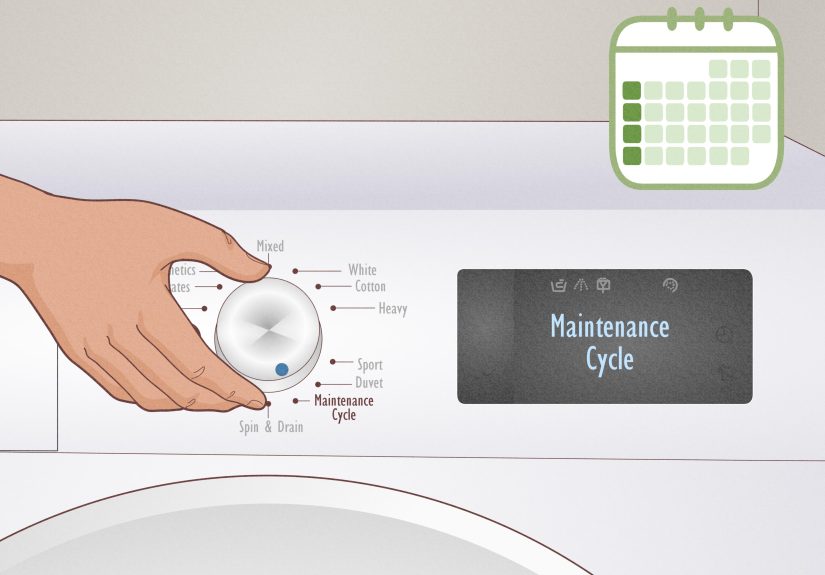
Step 1: Run the washer’s cleaning cycle (Clean Washer / Tub Clean / Self Clean)
Many machines have a dedicated cycle designed to clean areas a normal load doesn’t reach. Start here. Run it on an empty washer
using one of the following:
- Commercial washer cleaner tablets (like affresh-style tablets): easy, consistent, low drama.
- Liquid chlorine bleach (only if your manual allows it): powerful for sanitizing and odor control.
If your washer doesn’t have a special cleaning cycle, run the hottest, longest cycle available with the highest water level (if applicable).
When the cycle ends, leave the door open to dry the interior.
Step 2: Clean the rubber gasket and door area (front-load washers)
Put on gloves, pull back the folds of the gasket, and prepare to meet the lost-and-found of your laundry life. You’re looking for:
lint, hair, residue, and any black or slimy spots.
- Wipe out debris with paper towels or a microfiber cloth.
- Clean the gasket with mild detergent and warm water, or a diluted bleach solution if your manual allows it.
- Rinse by wiping with a cloth dampened with clean water.
- Dry thoroughlythis step matters as much as the cleaning.
Pro tip: if you routinely see water sitting in the bottom of the gasket, that’s your reminder to wipe it after loads and keep the door ajar.
Step 3: Remove and scrub the detergent drawer (and the dispenser cavities)
Dispensers can hold standing water and residueperfect for mildew. Pull the drawer out (most have a release tab), then:
- Soak it in warm, soapy water.
- Use a small brush or old toothbrush to scrub corners and channels.
- Rinse and dry completely before reinstalling.
- Wipe the inside dispenser cavity (where the drawer slides in) with a damp cloth.
Make this a habit every 4–6 weeks if you use softener regularly, or anytime you see gunk buildup.
Step 4: Clean the drain pump filter (front-load washers that have one)
If your washer has a small access panel near the bottom front, there’s a good chance it’s hiding a drain pump filter.
Cleaning it can be the difference between “fresh laundry” and “swamp chic.”
- Turn off the washer.
- Place towels and a shallow traywater will come out.
- Open the panel, slowly drain water if your model has a small drain tube.
- Unscrew the filter and remove debris (lint, coins, buttons, your missing sock’s hopes and dreams).
- Rinse the filter, wipe the housing, reinstall snugly.
Step 5: For top-load washers, clean the agitator and rim
Many top-loaders collect residue under the rim, around the tub ring, and (if your agitator comes apart) inside the agitator assembly.
If yours has removable pieces, soak and scrub them, then run a hot cleaning cycle after reassembly.
Step 6: Finish with a hot rinse and a “dry out”
After you’ve cleaned the parts, run an extra rinse cycle (empty) if needed. Then leave the door or lid open for several hours
to fully dry the tub, gasket, and drawer area.
Vinegar, Baking Soda, Bleach, and Tablets: What Works (and When)
Washer cleaner tablets
These are the easiest “set it and forget it” option for routine maintenance. They’re designed to break down odor-causing residue
in the tub and internal areas. Use them with the washer’s cleaning cycle or the hottest cycle available.
Bleach
Bleach can be effective for disinfecting and deodorizing when used correctly and when approved by your manufacturer.
It’s also the product most likely to cause problems when misused (too much, too often, or mixed with other chemicals).
Never combine it with vinegar.
Vinegar and baking soda
Many homeowners reach for vinegar/baking soda because it’s accessible. Occasional use can help with odor and residue,
but experts often caution against frequent vinegar use as a routine habit because acids can be tough on some components over time.
If you use vinegar, keep it occasional, rinse well, and follow your machine’s guidance.
How to Keep Your Washer From Smelling Again (Low-Effort, High-Reward)
- Leave the door/lid ajar between loads so moisture can evaporate.
- Unload promptly. Wet clothes sitting in the tub are basically a mildew invitation.
- Use the right amount of HE detergent. More soap = more residue, not more clean.
- Go easy on fabric softener. If you love it, at least clean the drawer regularly.
- Wipe the gasket after wash day (front loaders), especially the bottom fold.
- Run a monthly cleaning cycle with a washer cleaner or approved method.
- Do occasional hot washes (when fabrics allow) to help reduce residue and bacteria.
When a Bad Washer Smell Means “Call a Pro”
If you’ve cleaned the tub, gasket, drawer, and filter and the smell still comes back fastespecially if it’s a strong sewage odor
you may be dealing with a drainage/venting issue, a clogged standpipe, or a plumbing problem outside the washer. Also call for help if you
see leaks, repeated error codes, or anything that smells like burning.
Quick FAQ (Because Everyone Googles This at 11:47 PM)
Why does my washer smell worse after I “cleaned” it?
Usually because the cleaning cycle loosened buildup, but it didn’t fully flush out. Follow up with:
(1) cleaning the gasket and drawer, (2) checking the drain pump filter, and (3) running an extra hot rinse.
Also make sure you didn’t accidentally create a “soap scum soup” by using too much product.
Do I really have to keep the door open?
If you want an odor-free washer, yesat least cracked open. Airflow is the cheapest odor prevention on Earth.
If pets or kids are a concern, open it when you can and wipe the gasket dry.
What if I see black spots on the gasket?
That’s likely mildew/mold. Clean it promptly using a method approved for your washer (often mild detergent or diluted bleach solution),
rinse, and dry thoroughly. If the gasket is heavily degraded or permanently stained and odors persist, replacement might be needed.
Experience Corner: Common “Smelly Washer” Scenarios Homeowners Report (and What Fixes Them)
Below are real-world patterns that show up again and again. If your washer funk feels confusing, you’re not aloneodor problems tend to
be a combination of small habits plus one hidden grime trap. Think of it like a mystery novel, except the villain is wet lint.
1) “My front loader smells fine… until I open the door.”
This is classic gasket trouble. The washer drum may look clean, but the lower fold of the door boot is holding a tiny, gross puddle after every cycle.
The fix is unglamorous but effective: wipe the gasket dry after laundry day, pull back the folds once a week to remove lint, and run the monthly clean cycle.
People are often shocked by how much odor disappears after one thorough gasket scrubespecially when they also clean the detergent drawer, which can harbor
standing water and residue.
2) “I used washer cleaner tablets and now it smells… weirder.”
This usually means the cleaner did its job: it broke loose old buildup, but the machine didn’t flush it all out. The best follow-up is a two-part combo:
clean the physical hotspots (drawer, gasket, andif you have onethe drain pump filter), then run a second cleaning cycle or a hot rinse.
Many front loaders trap funky water in the filter area; once that’s cleaned out, the “after-cleaning stink” often vanishes quickly.
3) “My top loader smells like sour detergent, not mildew.”
Overdetergenting is the usual culprit. HE detergents are concentrated, and modern washers use less waterso excess soap has a harder time rinsing away.
The fix: cut detergent down (yes, even if the cap says otherwise), skip softener for a couple weeks, and run a hot cleaning cycle.
If your model has a removable agitator cap or components, cleaning inside the agitator and under the rim can make a huge difference,
because residue likes to hide where you can’t see it.
4) “It smells like a drain problem, but the clothes are clean.”
If the odor is strongest near the back of the washer or the wall box, the source may be the drain setup rather than the tub.
Homeowners often find a kinked drain hose, a gunky standpipe, or poor ventilation in the drain line causing smell to linger in the laundry area.
A washer cleaning cycle helps, but if the smell persists despite a clean tub and filter, it’s time to inspect the drain hose placement and consider a plumbing check.
The key clue: the smell is in the room even when the washer is empty and dry.
5) “My washer only smells after washing athletic gear and towels.”
Towels and workout clothes can leave behind oils and residue that cling to the drum and gasket. People report the machine smells “fine” until they run a load
of sweaty syntheticsthen the odor blooms. Two fixes help: (1) run an occasional hot cycle (when safe for fabrics) or a dedicated clean cycle shortly after
those loads, and (2) avoid leaving those damp items sitting in the washer. Also, reduce detergent and consider a second rinse for particularly funky loads.
The washer can’t stay fresh if it’s constantly marinating in leftover sweat soup.
Conclusion
A smelly washing machine is usually a maintenance issue, not a life sentence. Moisture gets trapped, residue builds up, and the stink sets up camp in
the gasket, dispenser, or drain filter. A smart clean-up planclean cycle, gasket scrub, drawer wash, filter checkusually knocks it out fast. Then it’s all about
prevention: less detergent, more airflow, and a monthly “freshen-up” cycle.