Table of Contents >> Show >> Hide
- It Started With a Practical Problem, but It Became Something Bigger
- Why Bento Lunches Changed the Game
- What Being a Lunchbox Dad Taught Me About My Kids
- My Real-Life Bento Formula
- Favorite Bento Ideas That Actually Got Eaten
- Why I Kept Going Even When It Was a Lot of Work
- The Deeper Reason I Became a Lunchbox Dad
- What It Has Actually Been Like, Day After Day
- Conclusion
- SEO Tags
I did not wake up one morning, tie on an apron like some sitcom super-parent, and announce to the household that I was now The Lunchbox Dad. That title arrived the way most family titles do: accidentally, a little desperately, and with a sink full of dishes in the background.
At first, I packed lunches because mornings were chaotic and school lunch felt like a daily mystery novel with a weak ending. One child would come home starving because the cafeteria option was “fine, I guess,” which in kid language means “I ate three bites and traded my dignity for a cookie.” The other would somehow survive an entire school day on crackers and stubbornness. I realized lunch was not just a meal stuck in the middle of the day. It was fuel, comfort, routine, and, in a strange way, one of the few things I could still quietly control once my kids walked out the front door.
That is what pushed me into making bento lunches. Not perfection. Not social media. Not a secret desire to cut cheese into star shapes at 6:20 a.m. It started because I wanted my kids to actually eat lunch, enjoy it, and feel a little cared for when I was not there to remind them to chew something besides air.
It Started With a Practical Problem, but It Became Something Bigger
The first reason I became a lunchbox dad was simple: I wanted to send food my kids would reliably eat. Children need steady energy during the school day, and a balanced lunch matters more than many parents realize. When kids eat meals that include a mix of produce, whole grains, protein, and other nutrient-dense foods, they are better supported for growth, learning, and focus. That sounds very official, and it is. But in my house, it translated to this: if lunch is appealing, easy to open, and made with foods they already like, the odds of it returning home untouched drop dramatically.
Then I noticed something else. Packing lunch became one of the most consistent ways I showed up for my kids. Family routines matter, and even though lunch is eaten away from home, the act of preparing it still carries the same message as a family meal: I know you, I thought about you, and I want you to feel good today. That may sound sentimental for a container full of strawberries and turkey pinwheels, but parenthood is basically just love expressed through logistics.
Once I understood that, lunch stopped being another chore. It became a daily ritual. A small one, yes. But small rituals are the glue of family life. Bedtime stories. Saturday pancakes. Notes tucked next to apple slices. These are not dramatic gestures. They are repeated gestures. And repeated gestures are what kids remember.
Why Bento Lunches Changed the Game
The Compartments Solved More Arguments Than I Expected
I was drawn to bento lunches because they looked organized, and I am a sucker for anything that makes chaos look intentional. But the real magic was functional. Bento boxes break lunch into small, manageable sections. That matters for kids. A giant sandwich and a bruised banana can feel boring or overwhelming. A lunch with neat little compartments of cucumbers, fruit, rice, chicken, and one fun surprise feels approachable.
It also helped me balance lunch without turning it into a nutrition lecture. Instead of saying, “Please consume an appropriate mix of macronutrients, sweetheart,” I could just fill one section with fruit, one with vegetables, one with protein, and one with a grain or starch. Bento made the “healthy lunch formula” visual. It was not abstract anymore. It was literally sitting there in little squares.
That visual structure also helped with picky eating. My kids were more willing to try new foods when they showed up in a tiny compartment instead of taking over the whole meal like an uninvited guest. A few edamame here. A couple of cheese cubes there. A rice ball that looked suspiciously fun. Small portions lowered the risk. If they hated something, fine. The rest of lunch was still familiar.
Bento Helped Me Focus on Variety Instead of “Perfect” Food
Before bentos, I thought packing a healthy lunch meant building one flawless main item. A perfect sandwich. A perfect wrap. A perfect thermos of something warm that would not turn into soup-flavored lava by noon. Bento cured me of that nonsense.
Instead of chasing one ideal entrée, I started thinking in variety. A few slices of turkey, crackers, bell pepper strips, blueberries, and yogurt suddenly counted as a real lunch. Leftover rice and grilled chicken with orange wedges? Also lunch. Pasta salad, cucumbers, and a hard-boiled egg? Lunch again. Bento taught me that a good school lunch is less about culinary greatness and more about balance, ease, color, and what your child will actually eat without filing a formal complaint.
What Being a Lunchbox Dad Taught Me About My Kids
They Want Ownership More Than Novelty
At first, I thought I needed to reinvent lunch every day. New ideas, new shapes, new combinations, new tiny food picks that made me feel like I was running a miniature catering company. But kids do not always want novelty. Often, they want agency.
The breakthrough came when I started involving them. I let them choose between two fruits, pick the “crunchy thing,” and decide whether they wanted a sandwich, rice, or noodles as the base. Suddenly, they cared more. Not because the lunch was fancier, but because it felt partly theirs.
This matches what many experts say about involving children in meal planning and prep: kids are often more open to foods they helped choose or assemble. I saw that play out in real time. A cucumber slice placed in the box by Dad was suspicious. A cucumber slice placed in the box by the child who had just washed and arranged it was apparently gourmet cuisine.
Presentation Matters, but Not in the Way the Internet Thinks
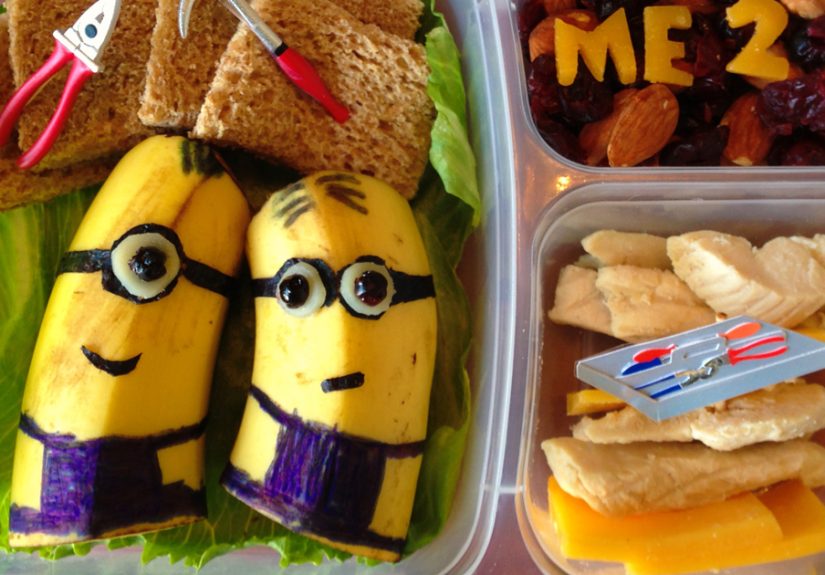
Yes, kids like food that looks fun. Yes, color helps. Yes, a skewer or silicone cup can make ordinary food feel less ordinary. But my kids did not need lunches that looked like cartoon bears applying for art school. They just needed food that looked inviting and easy to eat.
That meant grapes removed from stems. Sandwiches cut into manageable shapes. Sauces packed separately so nothing got weird by lunchtime. Strawberries dried properly so they did not create a swamp in the fruit section. The lesson was humbling: kids do not need lunch to be cute. They need it to be convenient.
My Real-Life Bento Formula
After plenty of trial, error, and one tragic yogurt incident, I landed on a repeatable formula. It is not fancy, but it works.
1. Start with the anchor food
This is the part that makes lunch feel substantial: turkey roll-ups, a half sandwich, rice balls, pasta, quesadilla wedges, mini pancakes with nut butter, leftover chicken, or boiled eggs. Usually, I aim for a protein plus something filling.
2. Add produce that is easy to eat fast
School lunch periods are often short, so produce needs to be school-friendly. Blueberries, apple slices, peeled mandarins, cucumber coins, snap peas, bell pepper strips, and cherry tomatoes work well in my house. I try to include at least one fruit and one vegetable because it keeps lunch colorful and lowers the chances that the only surviving item is a granola bar.
3. Include something crunchy
Texture matters. Crackers, pretzels, roasted chickpeas, popcorn, or a handful of cereal can make a lunch more satisfying. Kids like contrast. Honestly, adults do too. Nobody wants a lunch that feels like chewing through a collection of soft regrets.
4. Save a little space for fun
This is where I stopped fighting reality. Sometimes the fun thing is dark chocolate chips. Sometimes it is a homemade muffin. Sometimes it is two cookies. A little joy in the lunchbox does not ruin the lunch. It often makes the whole meal more appealing and less like a nutritional hostage situation.
5. Pack it safely
One of the least glamorous but most important parts of becoming a lunchbox dad was learning food safety. Perishable foods need an insulated lunch bag and cold packs, and warm foods need a proper thermos. This is not the thrilling side of bento lunch content, but it matters. Cute lunch is good. Safe lunch is better.
Favorite Bento Ideas That Actually Got Eaten
Over time, I built a short list of reliable favorites. Not “viral.” Not “revolutionary.” Just real lunches that came home with fewer leftovers and fewer dramatic reviews.
The Taco Box
Mini tortillas, shredded chicken, cheese, avocado, and mild salsa packed separately. Add fruit on the side and suddenly lunch feels like a build-your-own event.
The Snacky Bento
Cheese cubes, crackers, turkey slices, cucumbers, berries, and a small treat. This is my emergency option when life gets loud and I need something fast that still feels intentional.
The Leftover Remix
Rice, teriyaki chicken, steamed broccoli, and pineapple. Leftovers stop looking like leftovers when they are packed neatly. Bento is basically great PR for yesterday’s dinner.
Breakfast for Lunch
Mini waffles or pancakes, hard-boiled eggs, strawberries, and yogurt. Kids love this because rules are fake and breakfast tastes rebellious at noon.
Why I Kept Going Even When It Was a Lot of Work
Let me be honest: making bento lunches is not always adorable. Some mornings I am cheerful and efficient. Other mornings I am standing in the kitchen staring at an empty lunchbox like it personally betrayed me. There are days when I cut fruit with zen-like calm, and days when I aggressively spread cream cheese as if I am negotiating with destiny.
So why keep going?
Because I saw the results in ordinary ways. My kids were less hungry after school. They talked more about what they ate. They became more willing to try foods at home because those foods had already appeared in lunch in smaller, less intimidating portions. They started helping with prep. They learned that meals are made, not magically summoned. And I felt more connected to their day, even when I was not there to witness it.
I also kept going because it saved money and reduced waste once I got the rhythm down. Bento lunches use leftovers beautifully. A little rice, a little chicken, a handful of berries, a few sliced vegetables, done. It is often less expensive than relying on individually packaged convenience foods, and it gives odds-and-ends from the fridge a second life. Bento, in this sense, is part parenting strategy and part anti-food-waste wizardry.
The Deeper Reason I Became a Lunchbox Dad
If I strip away all the practical reasons, the real answer is simple: I wanted one more way to care for my kids that felt personal, useful, and lasting.
Parenting changes as children grow. You cannot follow them into class. You cannot sit next to them at lunch and ask whether they are eating the cucumbers or just emotionally supporting them. But you can send a little piece of home with them. A lunchbox does that. It says, Here is something familiar. Here is something made with you in mind. Here is fuel for your body and, hopefully, a tiny boost for your spirit.
That is why I became a lunchbox dad. Not because I wanted internet points for making rice look friendly. Not because I think every lunch needs to be beautiful. Not because I have cracked some secret code of parenting excellence. I became a lunchbox dad because lunch turned out to be one of the clearest, most practical ways to love my kids in the middle of an ordinary week.
And if that love occasionally arrives in the shape of a strawberry heart or a ridiculously organized bento box, well, I am willing to be a little extra.
What It Has Actually Been Like, Day After Day
If I am adding the honest version, the lived-in version, the version after all the pretty photos and tidy advice, here it is: being a lunchbox dad has been equal parts sweet, funny, inconvenient, and surprisingly emotional.
In the beginning, I overdid everything. I bought too many accessories, packed too much food, and acted like every lunch needed a theme. I was one step away from giving grapes a backstory. Then real life corrected me. A lunch that takes 45 minutes to make is not a loving ritual; it is an unsustainable hobby with a produce budget. So I learned to simplify. That was one of the best things that happened. Once I stopped trying to impress some imaginary audience, I could pay attention to the only audience that mattered: my kids.
I noticed one child likes predictability. He wants the same fruit three days in a row and sees no problem with that arrangement. My other child treats lunch like a tiny adventure and lights up when there is something new to try. Bento lunches helped me honor both personalities without making separate seven-course menus. I could keep one section familiar and use another for experimentation. That little compromise saved me from a lot of lunchtime mutiny.
I also discovered that the notes mattered more than I expected. Sometimes I would tuck in a dumb joke, a doodle, or a quick “Good luck on your quiz.” Nothing grand. But those notes came home folded, crumpled, and clearly handled. Once, my kid told me he read his note before opening the rest of lunch because it made him feel calm. I nearly melted into the kitchen floor.
There have been failures, obviously. The soggy sandwich era. The overenthusiastic kiwi phase. The thermos mistake that produced lukewarm pasta with the emotional energy of defeat. The day I packed a food pick that looked adorable but was apparently too complicated to remove under elementary school time pressure. Kids are excellent product testers. Ruthless, but excellent.
Still, the good outweighed the messy. Lunch prep became a quiet way for us to connect at the edges of the day. At night, we would talk about what sounded good for tomorrow. In the morning, they would drift into the kitchen and “help,” which mostly meant stealing blueberries and offering highly specific feedback. Over time, that routine started to feel bigger than lunch. It became teamwork. It became trust. It became one of those strange parental tasks that looks small from the outside but carries real emotional weight on the inside.
And maybe that is the best part of all this: I did not just start making bento lunches for my kids. We built a family rhythm around them. Not a perfect rhythm. Not a photogenic one every day. But a real one. A dependable one. A rhythm made of chopped fruit, last night’s leftovers, silly notes, and the ongoing hope that the cucumbers will finally stop coming back home untouched.
Honestly, even when they do, I still call it a win.
Conclusion
Becoming a lunchbox dad changed the way I thought about food, parenting, and everyday care. What started as a practical fix for rushed mornings and half-eaten school lunches turned into a meaningful family habit. Bento lunches helped me pack more balanced meals, reduce food waste, involve my kids in planning, and create a small daily ritual that made school days feel more connected. They did not make parenting easier in every way, but they made one part of it more intentional. And sometimes, intentional is more than enough.