Table of Contents >> Show >> Hide
- What Actually Happened In The Viral Pigeon Tweet Thread?
- Why The Internet Couldn’t Stop Laughing
- Why Pigeons Seem Weirdly Comfortable Around Humans
- Why Would Two Pigeons Sit In A Room For Hours?
- What To Do If Pigeons Get Inside Your Home
- The Secret Reason The Story Feels Weirdly Charming
- What The Viral Tweet Says About Life In Cities
- Why This Story Still Holds Up
- Extra: The Very Real Experience Of Being Softly Bullied By Urban Wildlife
- Conclusion
There are few internet genres more reliable than “ordinary person discovers their home is no longer theirs”. Not a burglary. Not a ghost. Not even a raccoon with leadership qualities. In this case, the intruders were two pigeons, and somehow that made the whole thing even funnier.
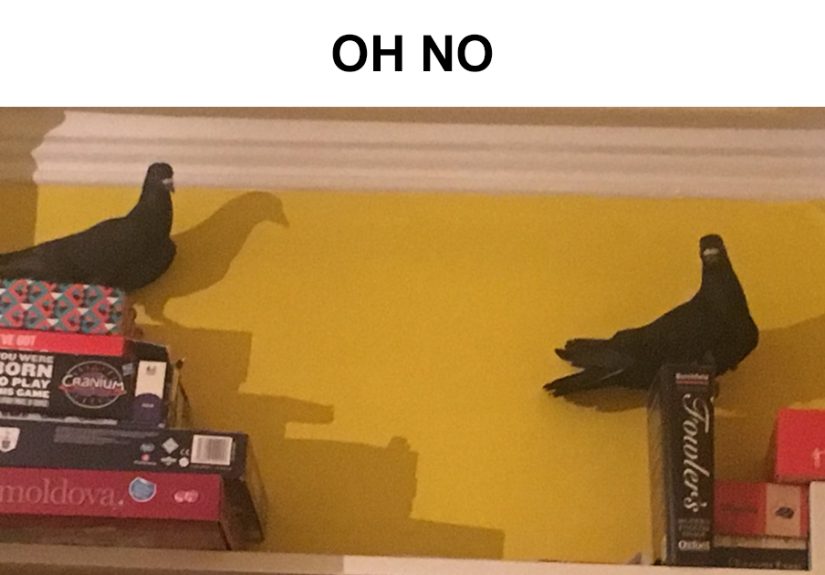
Back in 2019, writer Lucy Topping shared a now-viral tweet after realizing that two pigeons had apparently been sitting in her room for around two hours while she ate dinner and minded her business. The birds were not flapping. They were not panicking. They were simply there, perched like tiny landlords, silently observing the evening as if they had every legal right to be on the lease.
That is the magic of this story. On paper, it is simple: woman notices two pigeons indoors and tweets about it. In practice, it is peak comedy. The calmness of the birds, the delayed realization, and the growing sense that the pigeons were somehow in charge turned one random household moment into an unforgettable internet classic.
This funny pigeon story still works because it hits several sweet spots at once: it is weird, relatable, low-stakes, and just absurd enough to feel scripted by a comedy writer with a fondness for urban wildlife. But it also taps into something bigger. City pigeons are not random background creatures. They are clever, adaptable, deeply comfortable around people, and far more at home in human-built spaces than many of us would like to admit.
What Actually Happened In The Viral Pigeon Tweet Thread?
The beauty of the original thread was its deadpan panic. Topping described looking up after being in the house for about two hours and realizing that there were two pigeons in her sitting room watching her eat. That sentence alone deserved an award. It has the timing of a stand-up joke and the emotional energy of someone realizing the surveillance state has gone feathery.
As the thread continued, the situation only got better. She joked that all the windows were shut and wondered what kind of “pigeon magic” had delivered the pair into her room. At another point, she said she had asked them to leave and they were just staring at her. Anyone who has ever locked eyes with a city pigeon knows that look. It is not fear. It is not confusion. It is the vibe of a commuter who thinks you are the one standing in the wrong place.
That mix of mild fear and escalating ridiculousness made the tweets explode. The internet loves a clean little narrative arc, and this one had everything: an unsuspecting protagonist, two suspiciously confident birds, and the creeping realization that the pigeons were operating under their own rules. Later coverage amplified the thread, and it quickly joined the elite club of viral animal moments that feel too strange to invent and too specific not to be true.
Why The Internet Couldn’t Stop Laughing
The story landed because it was not just about pigeons in a house. It was about the emotional experience of being quietly outnumbered by creatures that seem both ridiculous and terrifyingly self-assured. If a hawk flies into your room, that is a crisis. If a sparrow gets in, that is a delicate rescue. But if two pigeons stroll in and sit there like they are evaluating your dinner choices, that becomes comedy.
Part of the humor comes from contrast. Humans tend to think of pigeons as background extras in the theater of city life. They peck near sidewalks, gather around train stations, and appear in public squares like they are always late for something. But once you move them indoors, the whole power balance shifts. Suddenly the bird is not scenery anymore. It is a guest who did not knock and has no plans to leave.
The other reason this viral pigeon tweet worked so well is that it captured a universal feeling: the moment when something has been weird for a while and you only notice it embarrassingly late. We have all had a version of that. A Zoom call with spinach in our teeth. A smoke alarm beeping for an hour before we realize it is our apartment. A houseplant dramatically dying in plain sight while we continue to describe ourselves as “pretty good with plants.” Topping’s two-pigeon revelation belongs in that hall of fame.
Why Pigeons Seem Weirdly Comfortable Around Humans
To understand why this story feels so believable, it helps to know a little about urban pigeons. The common city pigeon is the rock pigeon, a bird that has been living alongside humans for thousands of years. These birds are not random interlopers who recently discovered cities. In many ways, cities are exactly the sort of environment they know how to use.
Rock pigeons are descendants of birds associated with rocky cliffs, and modern buildings offer a pretty convincing imitation. Ledges, eaves, bridges, windowsills, and sheltered corners all function like handy cliff substitutes. To a pigeon, your window ledge is not a design feature. It is prime real estate. Your air conditioner is not an appliance. It is a deluxe urban outcropping with excellent views and occasional snack opportunities.
They also thrive around people because people are spectacularly good at creating pigeon-friendly conditions. We drop food. We leave crumbs. We build large structures full of flat resting surfaces. We create warm nooks, protected corners, and endless opportunities for birds that are good at adapting. In other words, pigeons did not accidentally become city experts. We built them the perfect weird little kingdom.
And despite their reputation as goofy sidewalk loafers, pigeons are not dim. Research and bird experts have repeatedly pointed out that pigeons are more cognitively capable than most people assume. They can learn patterns, distinguish objects, and even recognize individual human faces. So when it feels like a pigeon is staring at you with purpose, that unsettling impression may be less fictional than you would prefer.
Why Would Two Pigeons Sit In A Room For Hours?
This is the question at the heart of the whole saga. Why would two pigeons just sit there?
The least romantic explanation is also the most likely: pigeons often seek sheltered places to perch, rest, or investigate. If a door or window was open earlier, or if they found an easy route in, they may simply have flown into a calm indoor space and settled onto a convenient ledge. Once inside, birds do not always make brilliant choices. Some freeze. Some pace. Some decide the bookshelf is now a branch and the human below is background furniture.
Another factor is that pigeons are highly accustomed to human proximity. In many cities, they spend their days a few feet away from people eating lunch, commuting, or pretending not to make eye contact with them. That kind of constant exposure lowers their fear. A pigeon that is used to busy sidewalks and train platforms may not view a quiet room as the horrifying danger zone that a person expects.
Also, pigeons are social birds. If one bird makes a questionable decision, another may very well follow. This is how nature occasionally recreates the logic of group chats.
What To Do If Pigeons Get Inside Your Home
The funny version of this scenario is excellent online content. The real-life version is usually less glamorous, especially if flapping begins. Fortunately, humane bird guidance is fairly practical.
1. Stay calm, even if the pigeon is acting like it pays rent
A trapped bird can panic, and a panicked human usually makes that worse. Resist the urge to start swinging towels like you are defending a castle.
2. Reduce the bird’s confusion
Bird experts often recommend darkening the room as much as possible and leaving one clear exit open. Birds naturally move toward light, so a single obvious path out can help.
3. Give it space
If possible, step back and let the pigeon settle. A room full of people lunging dramatically is not helpful. To the bird, that is not assistance. That is a nightmare with furniture.
4. Clean up sensibly afterward
If there are droppings, use appropriate cleaning precautions and avoid turning dry mess into airborne dust. For an isolated incident, the situation is usually more unpleasant than catastrophic. The bigger concern comes with heavy accumulations of droppings over time, especially in enclosed or neglected spaces.
The Secret Reason The Story Feels Weirdly Charming
For all the jokes, this story also works because pigeons occupy a strange emotional place in modern life. People call them pests, but we also photograph them, joke about them, feed them, and turn them into accidental celebrities. We mock them as “rats with wings,” yet we keep writing stories where they come across as confident, scrappy, and bizarrely endearing.
That contradiction exists because pigeons are deeply tied to human history. These are birds that have lived near us for millennia. They have carried messages, adapted to our architecture, and survived every phase of our urban mess. They are not elegant in the swan sense. They are not majestic in the eagle sense. Their gift is different. They are survivors with a gift for inconvenience and a talent for looking personally offended by your presence.
That is why Topping’s story resonated beyond simple slapstick. It reminded people that pigeons are not just city wallpaper. They are characters. Tiny, uninvited, morally ambiguous characters.
What The Viral Tweet Says About Life In Cities
One reason funny animal tweets spread so widely is that they express a truth many urban residents already understand: city life is a constant negotiation with nonhuman neighbors. Pigeons on balconies. Squirrels in trash cans. Raccoons opening things that should not open. Birds tapping on windows like debt collectors. We may imagine ourselves as the managers of urban space, but wildlife regularly reminds us that our authority is mostly decorative.
In that sense, the two pigeons in the room were not just random birds. They were symbols of a larger urban reality. Cities are ecosystems, even when we pretend they are not. The buildings, bridges, leftover French fries, and sheltered corners all become part of a shared habitat. Pigeons understand this better than most of us do. They are not confused about where they belong. They are operating with the confidence of locals.
That confidence is exactly what made the tweet thread sparkle. Topping sounded like someone unexpectedly discovering that she was merely one participant in a much larger arrangement, and the pigeons were not interested in pretending otherwise.
Why This Story Still Holds Up
Internet humor ages badly when it depends on trends, slang, or one specific platform mood. This story has lasted because it relies on something older and sturdier: timing, perspective, and birds behaving like tiny weird men in a pub. You do not need to know anything about 2019 internet culture to find it funny. You just need to appreciate the idea of looking up from dinner and realizing two pigeons have been silently supervising you for hours.
It also helps that the story leaves room for imagination. What were the pigeons doing before she noticed them? Had they been there the whole time? Were they confused? Curious? Critiquing the meal? Planning a coup? The unanswered questions are part of the joke. The less we know, the funnier it gets.
That is the mark of a memorable viral animal moment. It gives the internet just enough information to build a myth around it. In this case, the myth is simple and perfect: two pigeons entered a room, claimed the atmosphere, and won.
Extra: The Very Real Experience Of Being Softly Bullied By Urban Wildlife
If Lucy Topping’s pigeon tweet felt instantly relatable, that is because many people have had their own smaller, weirder version of the same experience. Maybe it was not two pigeons in a sitting room. Maybe it was one bird on a balcony rail, staring through the glass with the focus of a private investigator. Maybe it was a pair of pigeons building a nest in a place that made absolutely no architectural sense. Maybe it was the sudden understanding that a city animal had been watching you long before you noticed it.
There is a special kind of comedy in realizing you have become part of an animal’s afternoon. Not the main event. Not the hero. Just a background detail in a bird’s very confident schedule.
Anyone who lives in a city long enough knows the feeling. A pigeon starts hanging around your window ledge every morning, and at first you think, Aw, a visitor. Three days later, it has invited a partner, left twigs in the gutter, and begun carrying itself like a contractor with a permit. Or maybe you crack a window for fresh air, only to hear suspicious fluttering that suggests someone has mistaken your home for a boutique cave.
The funniest part is how quickly humans lose emotional control in these moments. A person can manage rent payments, job stress, taxes, and complicated social dynamics, but one calm pigeon in the wrong room can reduce them to frantic whispering and wildly unhelpful hand gestures. We become dramatic because the bird is so undramatic. It is just sitting there. Existing. Judging. That calmness is what breaks us.
There is also something deeply recognizable about the delayed discovery. Many urban wildlife encounters begin with a harmless detail that does not seem important until it suddenly does. A light tapping sound. A few feathers outside. A shape on the curtain rod that absolutely was not there before. Then comes the slow mental buffering, followed by the instant thought: How long has this been happening?
That is why stories like this spread so easily. They remind people that daily life is never as controlled as it appears. We think our homes, offices, and routines are sealed systems. Then a pigeon wanders in and exposes the truth. The world is porous. Nature did not read the memo. And urban animals are perfectly willing to cross the boundary between outside creature and unexpected roommate whenever the opportunity looks good.
Oddly enough, those encounters can become affectionate memories. The bird that ruined your morning becomes “that one pigeon” you still talk about years later. The nest you absolutely did not approve somehow turns into a story you tell at dinner. The wildlife that once felt like a nuisance becomes part of the texture of living in a place with other species, other habits, and other ideas about property rights.
So yes, the original tweet was hilarious. But it also rang true because it captured a familiar urban experience with perfect comic timing: the moment you realize the animals around you are not random background scenery. They are present, observant, adaptable, and occasionally bold enough to sit in your room for two hours like they are waiting for the rest of the meeting to begin.
Conclusion
“Woman Realizes Two Pigeons Have Been Sitting With Her In The Room For 2 Hours, Shares Everything In Hilarious Tweets” is more than a funny headline. It is a perfect snapshot of the strange relationship between humans and urban pigeons: part annoyance, part admiration, part accidental cohabitation. Lucy Topping’s viral thread worked because it turned one absurd domestic moment into a miniature comedy about city life, shared space, and the unnerving confidence of birds that have truly seen it all.
And maybe that is the lasting lesson here. Never underestimate a pigeon. Not as a city survivor, not as a comic performer, and definitely not as an uninvited dinner guest.