Table of Contents >> Show >> Hide
- What Exactly Is a Wood and Wool Baby Hanger?
- Why Wood + Wool Is a Surprisingly Smart Combo
- What to Hang vs. What to Fold (Because Not Everything Wants a Hanger)
- How to Pick the Right Baby Hanger
- Nursery Closet Setup That Doesn’t Collapse by Tuesday
- Care Tips: Keep the Wool Cozy and the Wood Smooth
- DIY Options and Alternatives
- Sustainability and Longevity: A Small Swap with a Big Payoff
- Is It Worth It? A Quick Reality Check
- Real-Life Experiences: The Little Hanger That Could
- Final Thoughts
Baby clothes are tiny. The chaos they create? Not tiny. If you’ve ever opened a nursery closet and been greeted by a landslide of onesies, you already know:
organization is less of a “nice-to-have” and more of a “please save my sanity.”
Enter the wood and wool baby hanger: a small, charming closet upgrade that combines sturdy wood with a soft, grippy wool cover.
It’s equal parts practical and adorablelike a cardigan that also happens to be a tool.
What Exactly Is a Wood and Wool Baby Hanger?
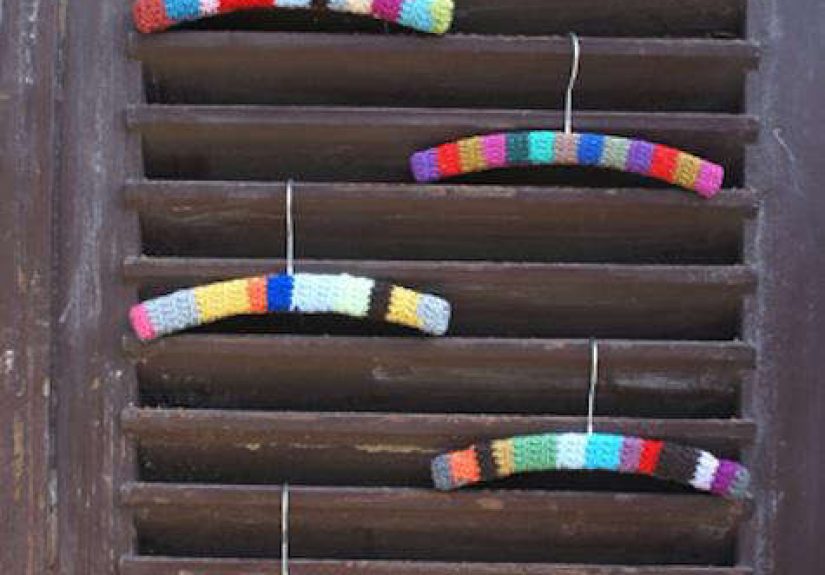
A wood and wool baby hanger is typically a wooden baby-sized clothing hanger wrapped in a crocheted wool cover.
The concept became popular in the design world thanks to handmade versionslike the “Wood and Wool Baby Hanger” spotlighted by Remodelistabuilt to be pretty enough for display and useful enough for daily closet life.
Think of it as a “best-of-both-worlds” hanger: wood provides structure, while wool adds gentle padding and friction so clothes stay put.
It’s not meant to replace every hanger you own. It’s meant to replace the ones that make baby clothes slip, stretch, or come off the rod like they’re training for an escape room.
Why Wood + Wool Is a Surprisingly Smart Combo
Wood: strong, stable, and naturally polished-looking
Wooden hangers tend to feel more substantial than thin plastic ones. Even at baby size, the extra firmness helps the hanger keep its shape,
which can be especially helpful for structured outfits like tiny jackets, button-downs, and special-occasion pieces.
Wood also brings a clean, warm look to a nursery closetless “utility closet,” more “I definitely have my life together” (even if you’re currently running on 90 minutes of sleep).
Wool: soft padding with built-in grip
Wool (especially when crocheted or felted) adds a slightly textured surface that helps reduce slipping. That matters because baby clothes are light,
and light clothes slide around on smooth hangers like they’re on a tiny ski trip.
The wool layer also acts like a cushion, which can help reduce sharp creases or shoulder marksuseful for delicate knits, soft dresses, or heirloom outfits you want to keep photo-ready.
Together: fewer wardrobe malfunctions, more closet calm
Pairing wood and wool gives you a hanger that’s supportive + gentle. In real life, that translates to:
fewer garments on the closet floor, fewer stretched necklines, and fewer moments of asking a newborn-sized romper,
“Why are you like this?”
What to Hang vs. What to Fold (Because Not Everything Wants a Hanger)
A good nursery closet isn’t “hang everything.” It’s “hang what benefits from hanging.”
Some baby items do better folded to avoid stretching or weird hanger imprintsespecially heavier knits.
Best items to hang
- Dresses and outfits you want wrinkle-free and easy to grab
- Cardigans and lightweight jackets that keep their shape on a hanger
- Special-occasion sets (photo shoots, holidays, events)
- Sleep sacks with sturdy straps (if your hanger has notches)
- Matching sets you want to keep together visually
Better folded
- Onesies and tees (easy to file-fold and see at a glance)
- Pajamas (especially if you rotate them often)
- Sweaters (hanging can strain knits over time)
- Socks, mittens, accessories (bin them and move on with your day)
The sweet spot: hang a curated set of “grab-and-go” outfits, and fold the rest in a drawer system that lets you see categories fast.
Your future selfrunning late, holding a wiggly babywill be extremely grateful.
How to Pick the Right Baby Hanger
Not all baby hangers are created equal. Some are perfectly sized. Some are basically decorative boomerangs.
Here’s what to look for if you want a wood and wool baby hanger that actually earns its closet space.
1) Correct size for baby and toddler clothing
Baby-specific hangers are narrower than adult hangers, which helps prevent stretching shoulder seams or creating odd “pointy shoulders.”
If you’re shopping for a wood and wool hanger, check the width and make sure it’s intended for infant/toddler garmentsnot just “small.”
2) A gentle shoulder shape
Rounded or slightly sloped shoulders are ideal for baby clothes, especially soft knits.
The wool cover can help here too, adding a little padding where fabric would otherwise crease.
3) Notches (optional but handy)
Notched shoulders help keep strappy items from slipping. Many non-slip kids hangers (including velvet-style ones) use notches for this reason.
If you hang dresses, sleep sacks with straps, or tiny overalls, notches can be your best friend.
4) A hook that rotates (nice-to-have)
Rotating hooks can make it easier to flip through outfits, face everything the same direction, and keep the closet looking tidy
instead of like a clothing tornado passed through.
Nursery Closet Setup That Doesn’t Collapse by Tuesday
The wood and wool baby hanger is the star, but the supporting cast matters too. If you want a closet that stays organized longer than a single diaper change,
use a simple, repeatable system.
Step 1: Sort by size (then by type)
Baby sizing changes fast, and nothing is more annoying than discovering a perfect outfit after it no longer fits.
Sort hanging items by size first (NB, 0–3M, 3–6M, etc.), then by type (tops, sets, dresses).
Step 2: Add closet dividers
Closet dividers turn a chaotic rod into clear sections. They make it easier to “shop the closet” as your baby grows
and quickly move up to the next size without redoing everything.
Step 3: Use matching hangers where possible
Matching hangers aren’t just aestheticthey reduce visual clutter and help clothes hang evenly.
Even if you only match within the baby section, it makes the closet feel calmer and easier to maintain.
Step 4: Create a “current week” zone
Set aside 7–10 outfits that fit right now and work for current weather. Hang those in the most accessible spot.
This is especially helpful for caregivers, grandparents, or anyone who might not know your “this is the good sleep sack” hierarchy.
Step 5: Don’t forget nursery safety basics
A quick reminder: if your nursery closet includes a dresser or clothing storage unit, anchoring it is an important safety step.
Keep heavy items low, avoid stacking temptation on top, and treat furniture stability as part of your organization plannot an afterthought.
Care Tips: Keep the Wool Cozy and the Wood Smooth
Wood and wool hangers are low-maintenance, not no-maintenance. A little care keeps them looking good and working well.
Cleaning the wool cover
- Spot-clean first: use a mild soap and damp cloth for small marks.
- Air-dry fully: don’t put wool near high heat (it can shrink or distort).
- De-lint occasionally: a gentle lint roller or fabric brush keeps it looking fresh.
Maintaining the wood
- Wipe dust regularly with a dry or slightly damp cloth.
- Check for rough spots (rare, but worth a glance). If you feel any snaggy areas, lightly sand or retire the hanger.
- Avoid soaking the woodwarping is not the vibe.
Storage note
If you’re packing hangers away between babies or seasons, store them somewhere dry and breathable.
Wool likes airflow; damp closets can lead to musty smells and general disappointment.
DIY Options and Alternatives
Love the look, but want a budget-friendly versionor a crafty weekend project? You’ve got options.
Option A: Crochet a cover onto a sturdy hanger
Crafters have been covering hangers with yarn for ages because it helps prevent clothing from slipping and adds structure.
If you crochet (or know someone who does), you can wrap a baby-sized wooden hanger with a wool cover and customize colors to match the nursery.
- Pick wool or a wool blend for a slightly grippy feel.
- Keep stitching snug and ends securedno loose strands.
- Make a few “special outfit” hangers rather than trying to cover an entire closet in one weekend (unless you enjoy chaos).
Option B: Non-slip velvet baby hangers
Velvet-style baby hangers are popular because they’re slim, grippy, and designed to keep little clothes in place.
They often include notched shoulders and are gentle on delicate fabrics. If you want function first and aesthetics second,
velvet hangers are a solid alternative.
Option C: Eco-minded hangers (like wheat-straw blends or recycled cores)
Some kids hangers use recycled or plant-based materials for the core.
If your main goal is reducing plastic use while keeping a non-slip surface, these can be a practical middle ground.
Sustainability and Longevity: A Small Swap with a Big Payoff
Choosing wood and wool is partly about styleand partly about buying fewer “disposable” solutions.
A well-made wooden hanger can last for years, and a wool cover can be refreshed, repaired, or replaced.
The more important sustainability win, though, is longevity: when your hangers don’t snap, bend, or turn into a pile of mismatched plastic,
you buy fewer over time. And fewer purchases means less clutter, less waste, and fewer “why did I order 60 hangers at 2 a.m.?” regrets.
Is It Worth It? A Quick Reality Check
A handmade wood and wool baby hanger can cost more than a bulk pack of plastic or velvet hangers. So think of it like this:
- If you want aesthetic nursery details, love handmade items, or plan to use hangers for photos and keepsakesyes, it’s worth it.
- If you want maximum organization per dollar, use a mix: wood-and-wool for special pieces, and slim non-slip hangers for everyday rotation.
- If your baby’s wardrobe is mostly onesies and pajamas, invest more in drawer dividers than fancy hangers.
The best system is the one you’ll actually maintain. (Perfection is cute, but sleep is cuter.)
Real-Life Experiences: The Little Hanger That Could
Let’s talk about the moments when a wood and wool baby hanger quietly earns its keepbecause the internet loves “aesthetic nursery closets,”
but real life is more like “Where did that other sock go?”
One common experience: you hang a tiny cardigan on a smooth plastic hanger, shut the closet door, and come back later to find it on the floor
like it made an escape plan with the burp cloths. A wool-covered hanger helps because the texture creates friction, so lightweight pieces are less likely to slide off.
It’s not magic, but it’s close enough that you’ll consider writing the hanger a thank-you note.
Another moment: the “special outfit” situation. Maybe it’s a coming-home set, a holiday romper, or something gifted by a grandparent that you’re terrified to stain.
When you hang it on a padded, wool-covered baby hanger, it looks intentionallike you didn’t just shove it behind three sleep sacks and hope for the best.
Parents often end up using a couple of these hangers almost like display pieces, especially if the nursery closet is open or partially visible.
Then there’s the weekly reset. Many families find it helpful to create a “current size” zone and keep it front-and-center.
The experience tends to go like this: you sort by size, add dividers, feel extremely organized for about 12 minutes…
and then reality hits. The win is having a system that’s easy to restore. A small set of reliable, non-slip hangerswood and wool includedmakes the reset faster
because clothes stay where you put them. Less rehanging, less re-folding, fewer deep sighs.
A surprisingly relatable experience is gifting. Wood and wool baby hangers show up as baby shower gifts because they feel personal without being guessy
(unlike buying a size- and season-specific outfit that may never fit at the right time). They’re also one of those gifts that gets used beyond the newborn stage.
Even after baby clothes are packed away, people reuse these hangers for toddler dress-up costumes, tiny jackets, or sentimental pieces they’re saving.
Finally, there’s the “it’s 6 a.m. and everything is urgent” morning. You need an outfit, a backup outfit, and probably a backup backup outfit.
Closets that use a simple hanger-and-divider system make that scramble easier. You can grab a full set quicklytop, bottom, sweaterwithout digging through piles.
It’s not just organization; it’s time and stress saved in the moment when you have none to spare.
In other words: a wood and wool baby hanger isn’t a life-changing invention… but it can be a day-improving one. And in baby-world,
“day-improving” is basically a standing ovation.
Final Thoughts
The wood and wool baby hanger is a small upgrade that combines sturdy support with a soft, grippy finishperfect for delicate baby outfits,
special-occasion pieces, and any parent who wants their nursery closet to feel calmer than the rest of their life.
Use a few as “hero hangers,” build a simple size-based closet system around them, and mix in practical non-slip options for everyday volume.
The result: fewer clothes on the floor, faster outfit grabs, and a closet that feels like it’s working with younot against you.